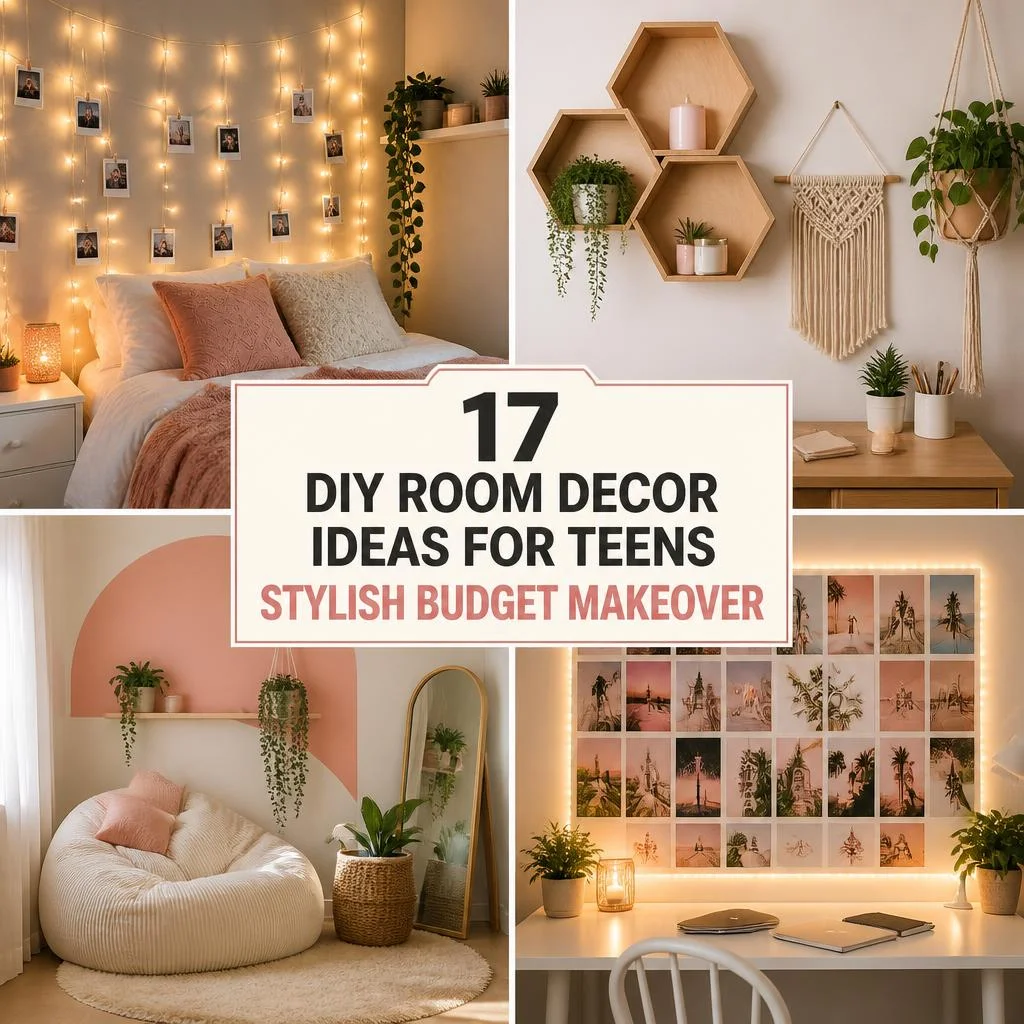
17 DIY Room Decor Ideas for Teens Stylish Budget Makeover
Introduction
Want a stylish bedroom without spending a fortune? These diy room decor for teens ideas make it easy to create a space that feels personal, cozy, and completely your own. From photo walls and painted accents to clever storage, handmade cushions, and relaxing reading corners, these projects offer practical ways to refresh your room on a budget.
A teen bedroom should do more than look pretty. It should support studying, relaxing, organizing, and expressing your personality. The ideas in this collection are designed for real bedrooms, including smaller spaces where every inch matters. In my experience, combining a few meaningful DIY details with simple furniture can make a room feel dramatically different without a full makeover. Choose the projects that fit your style, budget, and available space, then build your room gradually.
Fabric Wall Hanging
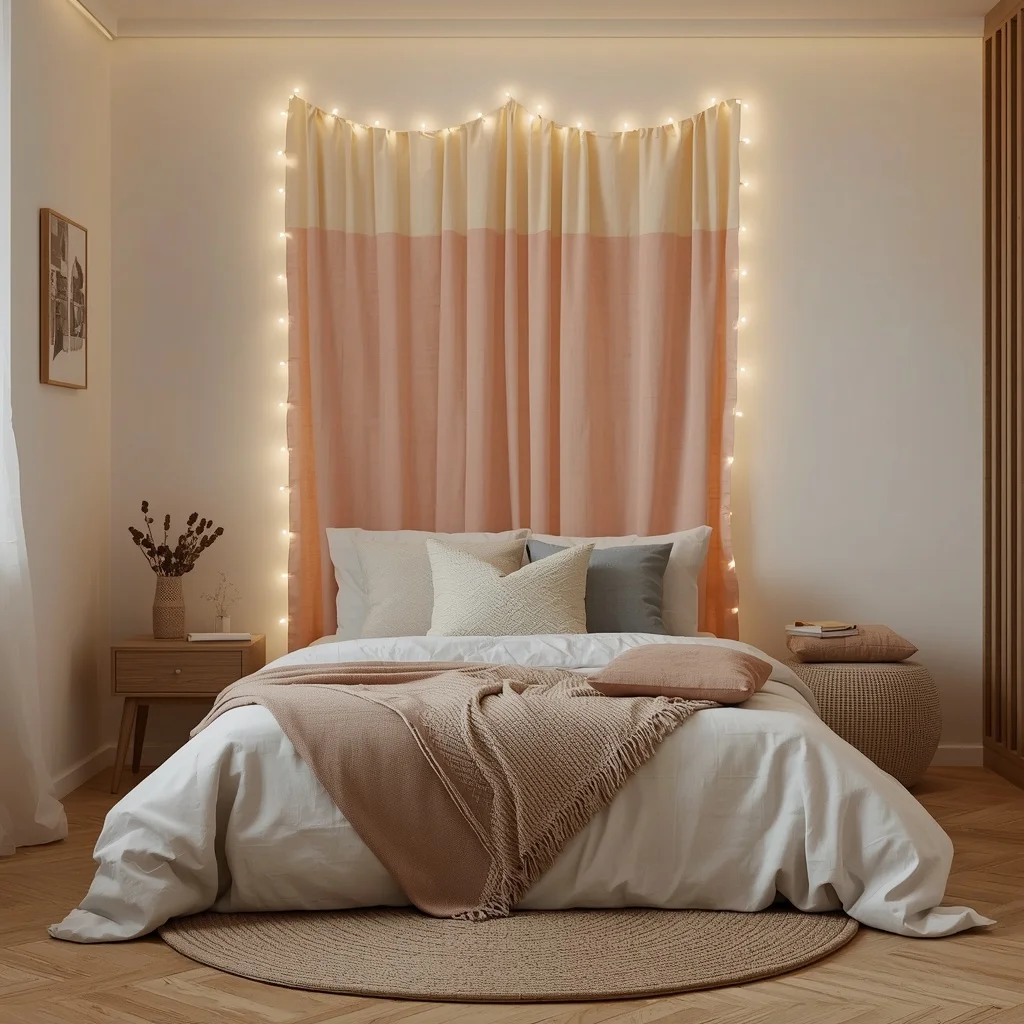
A small room can feel completely different with one smart focal point. A soft fabric wall hanging behind the bed adds color without overwhelming the space, while warm lighting makes the corner feel cozy at night. Choose a simple rod, woven textile, or lightweight tapestry that matches your favorite shades. In my experience, keeping the pattern slightly larger than the furniture makes the room look more intentional. Add two cushions in coordinating colors, then leave surrounding surfaces fairly clear. The result feels personalized, comfortable, and easy to refresh when your style changes over time.
This is one of the easiest ways to create stylish diy room decor for teens without committing to a complicated makeover. Look for affordable fabric remnants, scarves, blankets, or handmade textiles that already fit your personality. Hang the piece securely and keep its lower edge slightly above the bed or furniture for a cleaner finish. If the wall feels too plain, add a small strand of warm lights around the edges. Keep the surrounding decor simple so the textile remains the star. This approach creates a relaxed bedroom corner that feels creative, cozy, and distinctly yours.
Photo Memory Wall
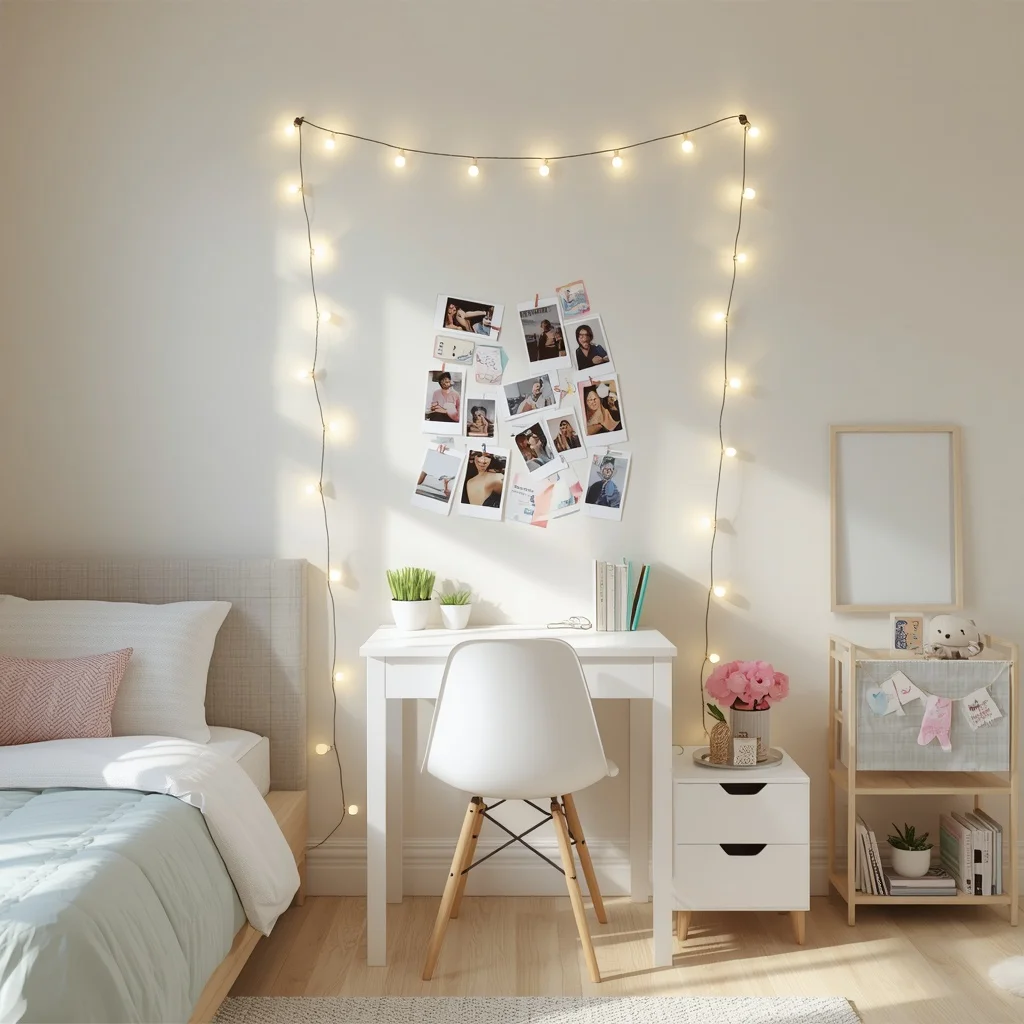
Want an easy way to make a plain bedroom feel more personal? Turn one wall into a compact photo display using clips, string, and favorite snapshots. The relaxed arrangement adds personality without requiring permanent frames or expensive artwork. Mix photographs with small notes, postcards, or simple illustrations for more visual variety. Keep the display above a desk or beside the bed where it becomes a natural focal point. I’ve noticed that using one consistent clip style keeps mixed images looking cohesive. It also makes updating memories simple whenever you want a fresh arrangement.
For a polished look, choose a limited color palette before arranging everything. Soft neutrals, pastel prints, or black-and-white photos can make a collection feel coordinated even when the images are completely different. Use removable hooks or adhesive strips when you want to avoid unnecessary wall damage. Leave enough spacing between rows so the display feels airy instead of crowded. A small desk lamp underneath can also highlight the photographs after sunset. This simple setup adds character while keeping the room flexible. When new memories come along, swapping a few pictures instantly gives the wall a refreshed appearance.
Pegboard Study Station
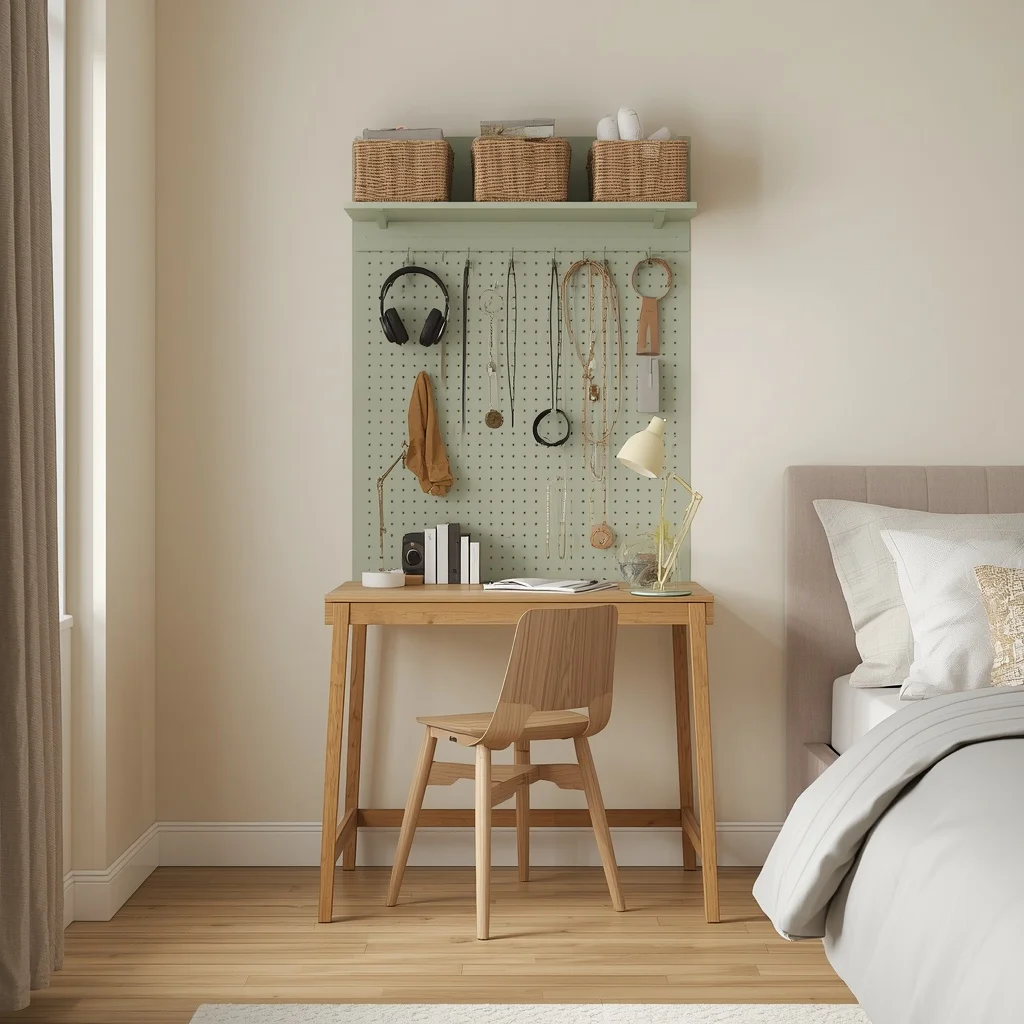
Sometimes the biggest improvement comes from making everyday storage look attractive. A slim pegboard above a desk can hold headphones, stationery, small baskets, jewelry, and decorative pieces while keeping the work surface open. Paint the board in a muted shade that complements the walls, then arrange hooks and shelves in balanced groups. This setup works especially well in smaller bedrooms because it uses vertical space instead of valuable floor area. Leave a little empty space between items so the display feels calm rather than crowded. The result combines organization, personality, and useful decoration.
A pegboard also gives you room to change the layout as your needs develop. Keep frequently used school supplies near the center, while less-used accessories can sit higher or toward the sides. Add one or two decorative elements, such as a tiny plant, framed print, or small mirror, to soften the practical appearance. In my experience, grouping similar items together makes even a small board look intentionally styled. Choose sturdy hooks and baskets for heavier belongings, and avoid overloading the surface. You get a flexible study station that looks neat while making daily routines easier.
String Light Canopy
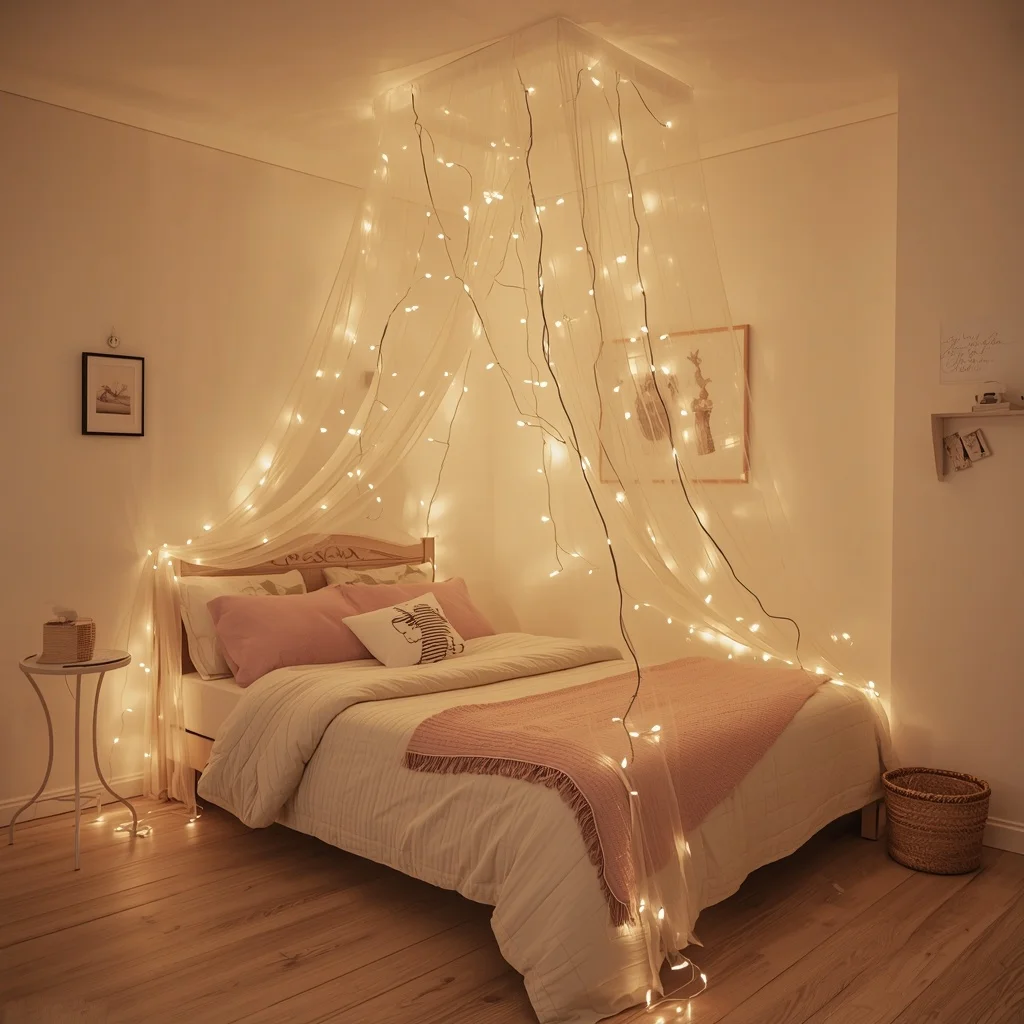
Give the bed a dreamy upgrade with a simple string-light canopy. Warm white lights can soften a plain bedroom and create a relaxing atmosphere without taking up floor space. Drape them loosely above the headboard or arrange them in gentle vertical lines along the wall. Keep the wiring neat and use lightweight clips or removable hooks for safer installation. The glow works especially well with cream bedding, soft cushions, and natural textures. In my experience, warm-toned bulbs feel much more inviting than harsh white lighting when you want the bedroom to become a comfortable evening retreat.
The beauty of this setup is how easily it adapts to different decorating styles. Pair the lights with neutral fabrics for a minimalist look, or add blush, lavender, or sage accents for more color. Avoid placing cords where they could become a tripping hazard, especially around the bed. A small bedside lamp can provide stronger task lighting while the string lights handle the atmosphere. Keep the rest of the wall relatively simple so the glowing canopy remains the visual focus. This affordable update can make an ordinary sleeping area feel warmer, softer, and much more personalized.
Painted Accent Wall
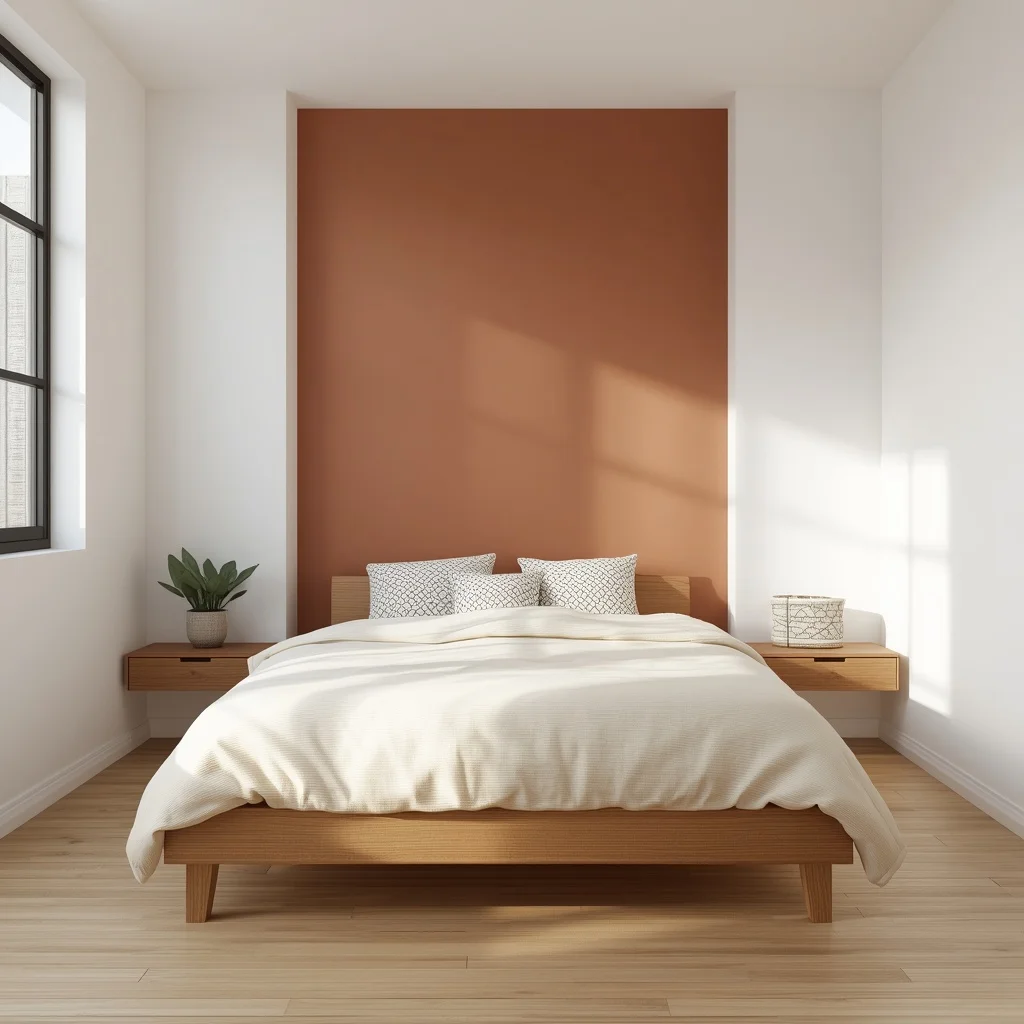
A single painted wall can completely shift the personality of a bedroom. Instead of repainting everything, choose the wall behind the bed or desk and give it a distinctive color. Muted terracotta, dusty pink, sage green, warm beige, or soft blue can create a stylish backdrop while keeping the rest of the room bright. This approach is especially useful when furniture is simple or inexpensive. The accent color provides visual depth and helps define a specific zone. A clean wall behind the bed can also make ordinary bedding look more thoughtfully styled.
Before painting, test your chosen shade under both daylight and evening lighting because colors can look surprisingly different throughout the day. Use painter’s tape around trim and edges for a crisp finish, and protect the floor before starting. If you are renting, removable wallpaper can create a similar effect without permanent changes. Keep accessories near the accent wall within the same general color family for a cohesive appearance. I’ve found that repeating one accent color through cushions, artwork, or storage makes the entire room feel connected without becoming overly coordinated or visually busy.
Floating Picture Ledges
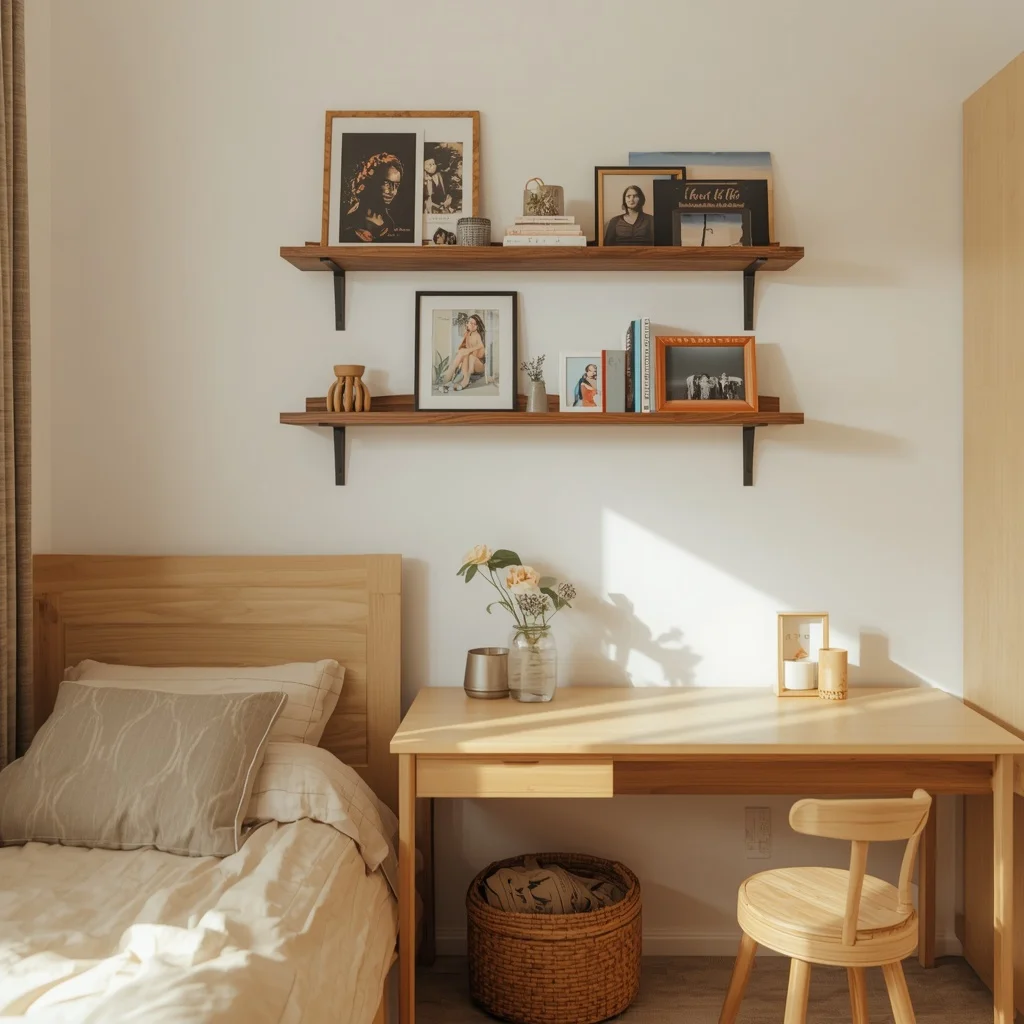
Turn an empty wall into a flexible display with slim picture ledges. Instead of committing to a large gallery wall, place two or three narrow shelves vertically above a desk, dresser, or bed. Layer framed prints, small photographs, books, and tiny decorative objects across the ledges. Because everything can be moved easily, the arrangement can change whenever your tastes do. Choose natural wood for warmth or white shelves for a cleaner appearance. This setup gives the room personality while keeping decorations organized. It also makes a blank wall feel finished without requiring a complicated installation.
For the best visual balance, start with your largest artwork and build smaller pieces around it. Avoid filling every inch of shelf space because a little breathing room makes the display look more sophisticated. Keep heavier objects toward the center or securely position them according to the shelf manufacturer’s instructions. Add one small plant or textured object to introduce natural contrast. If your room already contains several colors, repeat only two or three of them on the shelves. The result feels curated rather than cluttered, while still giving you plenty of freedom to refresh the display later.
Cozy Reading Corner
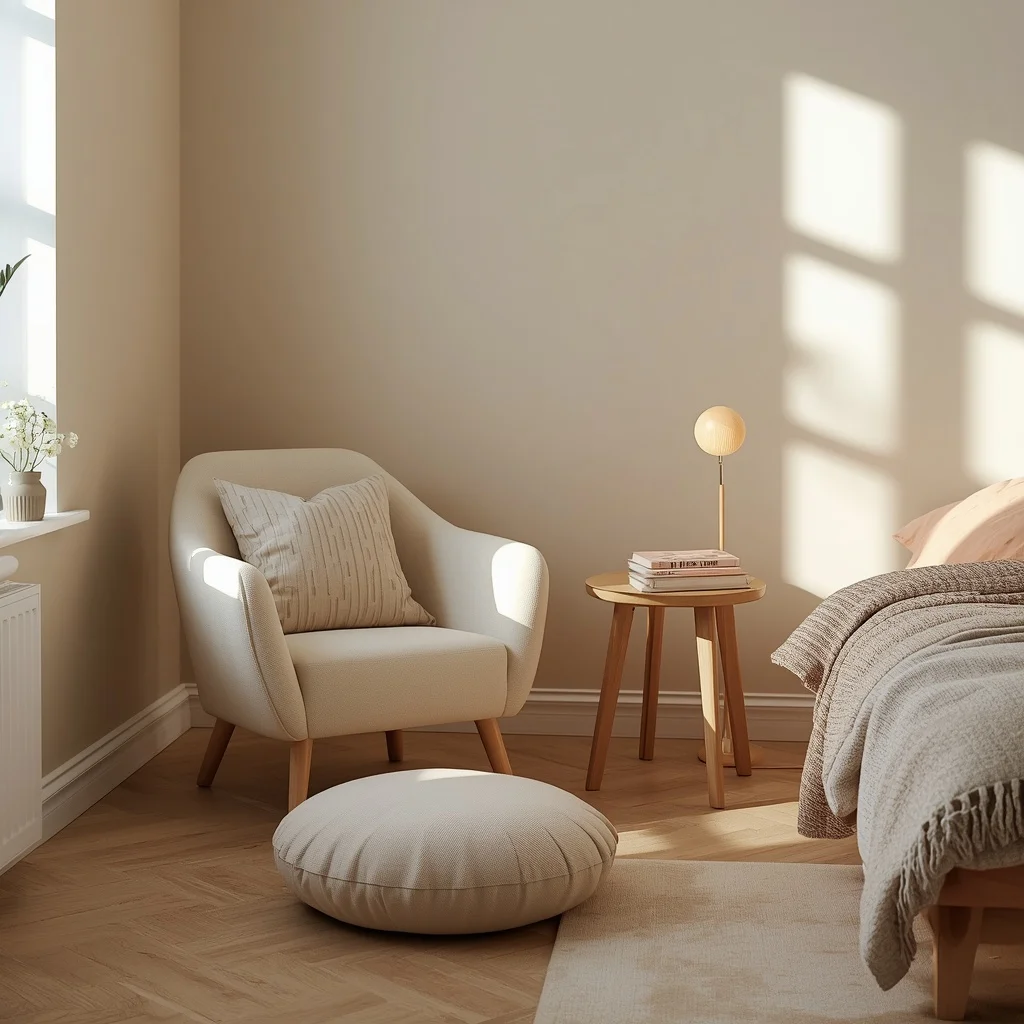
A quiet reading corner can turn an unused bedroom space into a favorite place to unwind. Start with a compact chair, floor cushion, or oversized beanbag that fits comfortably without blocking walkways. Add a small side table for books, drinks, or a phone, then introduce a soft throw and one decorative cushion. Warm lighting makes the corner useful after sunset while giving the room a relaxed glow. You do not need expensive furniture to make it work. In smaller bedrooms, even a simple floor cushion beside a low shelf can create a purposeful and inviting retreat.
Think about comfort first, then decorate around it. Choose washable fabrics if the chair or cushion will receive regular use, especially in a busy teen bedroom. A small basket can hold books, blankets, or headphones while keeping the floor clear. Add a plant or framed print nearby for a natural decorative touch, but avoid overcrowding the corner. I’ve noticed that leaving a little open floor around a reading spot makes it feel more spacious. With a comfortable seat and thoughtful lighting, an ordinary corner becomes a practical relaxation zone that feels distinctly personal.
Mirror Decor Grid
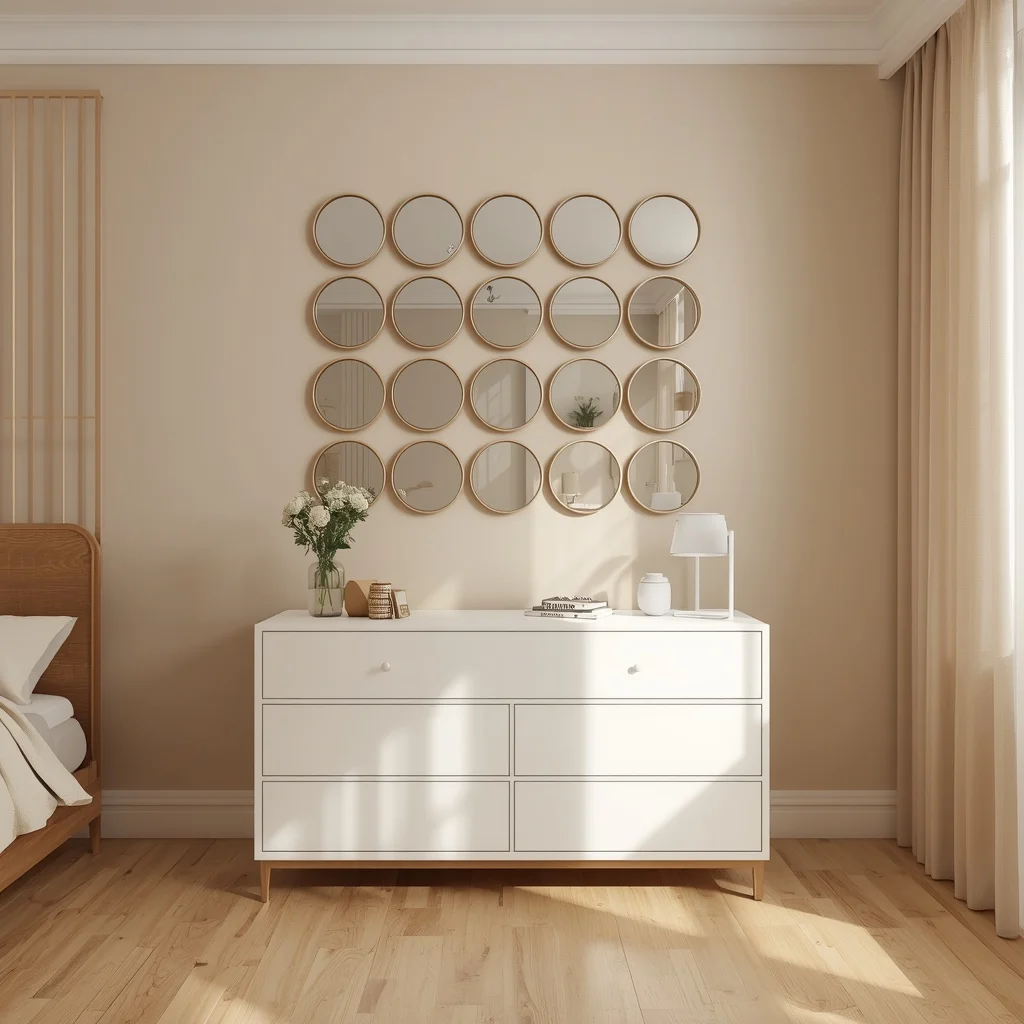
A collection of small mirrors can create a surprisingly stylish feature wall. Arrange round, square, or arched mirrors in a neat grid above a dresser or desk to reflect light while adding decorative interest. Choose frames in one or two finishes so the arrangement looks intentional rather than random. Mirrors work particularly well in compact bedrooms because their reflections can make the space feel brighter and more open. Position them where they can catch natural light from a nearby window. This simple arrangement combines decoration with function, giving you a useful place to check your outfit.
Planning the layout before attaching anything makes a big difference. Place the mirrors on the floor first and experiment with equal spacing, staggered rows, or a symmetrical grid. Use appropriate wall hardware based on the mirror’s weight, and avoid placing fragile pieces where they could easily be knocked. Keep nearby furniture relatively simple because multiple reflective surfaces already create visual activity. A small vase, jewelry tray, or plant beneath the arrangement can complete the look. When thoughtfully positioned, these mirrors become more than practical accessories—they create a bright decorative feature that gives the room extra dimension.
DIY Desk Organizer
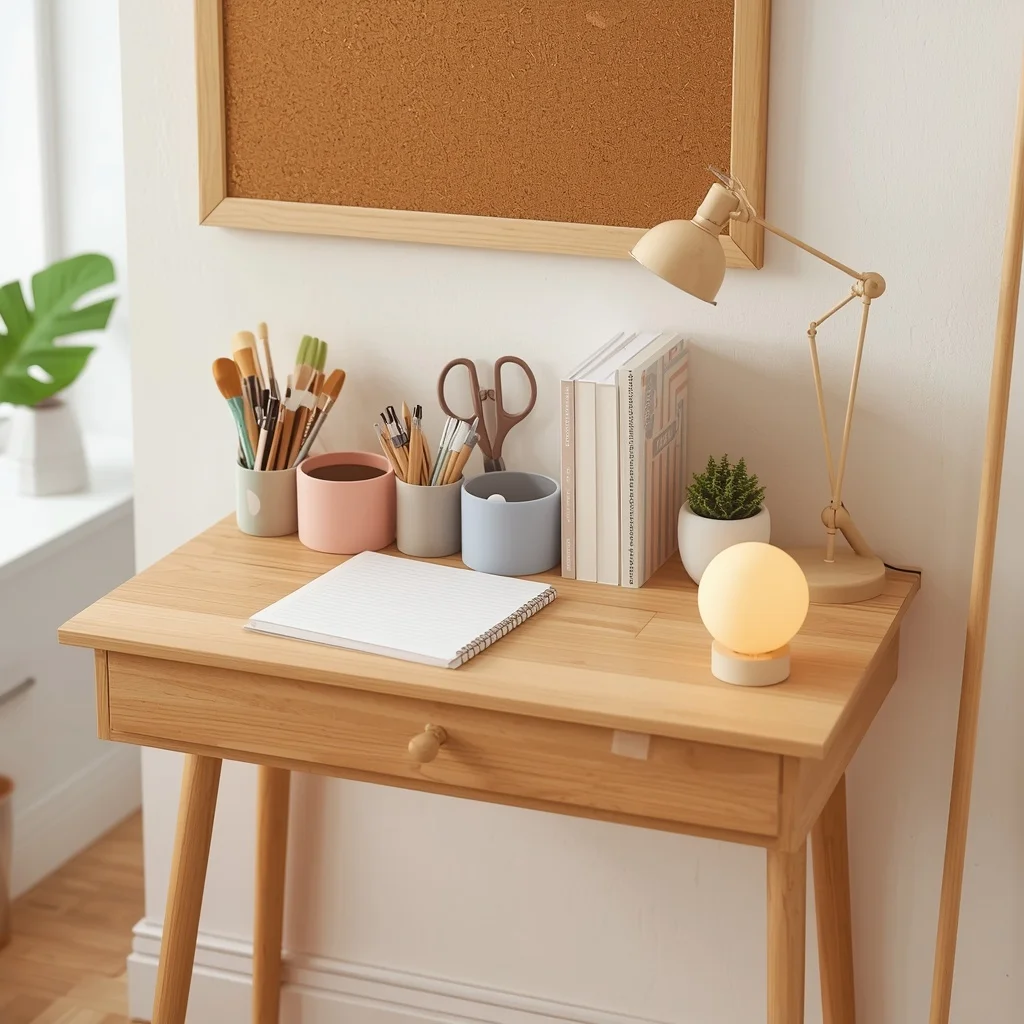
A tidy desk can make a bedroom feel instantly more organized. Create a simple DIY organizer using small boxes, recycled containers, jars, or sturdy cardboard pieces, then cover them with paper or paint that matches your room. Use separate sections for pens, scissors, brushes, chargers, and other frequently used supplies. Keeping similar items together reduces visual clutter and makes daily tasks easier. Place the organizer toward the back or side of the desk so your main workspace remains open. A few coordinated containers can turn ordinary supplies into part of the room’s overall decorative style.
The best organizers are designed around what you actually use. Before decorating containers, gather your everyday supplies and measure the available desk space. Taller cups can hold brushes or rulers, while shallow boxes work well for clips, sticky notes, and small accessories. Add simple labels if you tend to lose track of small items. In my experience, matching the organizer to your existing color palette makes the desk look much more polished. You can also reuse food jars or packaging, giving inexpensive materials a second purpose. The finished setup keeps essentials accessible while making your study area feel cleaner and more intentional.
Washi Tape Gallery
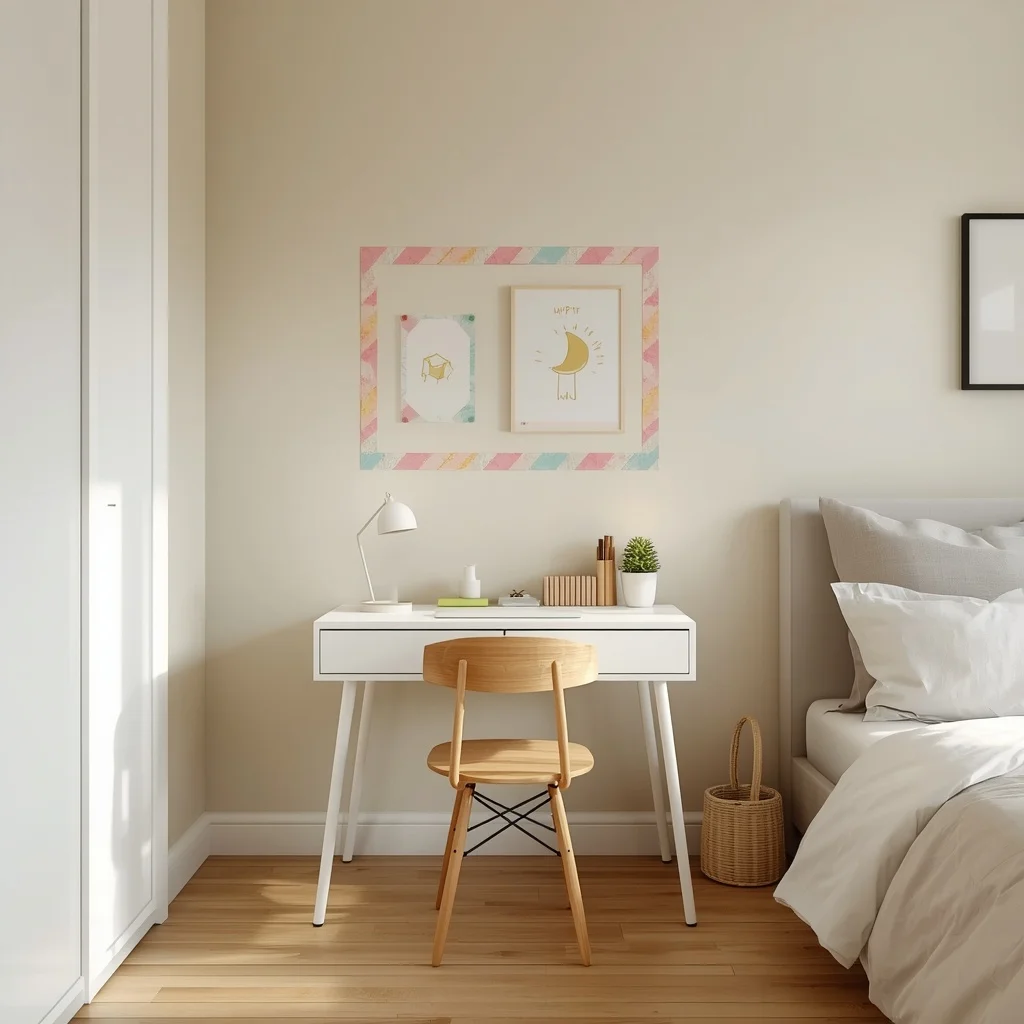
Give your favorite prints a playful frame using washi tape. Choose several complementary patterns and use them to create borders around postcards, sketches, photographs, or inspirational notes. The lightweight design keeps the wall from feeling heavy, while colorful tape introduces personality without requiring expensive frames. Try matching the tape to existing cushions, bedding, or desk accessories for a coordinated appearance. This idea works particularly well above a desk because the display can provide visual inspiration without taking up useful workspace. It is also easy to rearrange when you want the room to feel different.
For a cleaner result, measure the edges before placing the tape and press each corner firmly against the wall. Avoid creating oversized borders because narrow strips usually look more refined. You can combine two or three patterns, but keeping a consistent color family prevents the display from becoming visually chaotic. If you like changing artwork frequently, use lightweight paper pieces that can be swapped without rebuilding the arrangement. I’ve found this especially useful for bedrooms where personal style changes often. A few carefully arranged prints can make a plain wall feel creative, colorful, and completely personalized.
Upcycled Denim Cushions
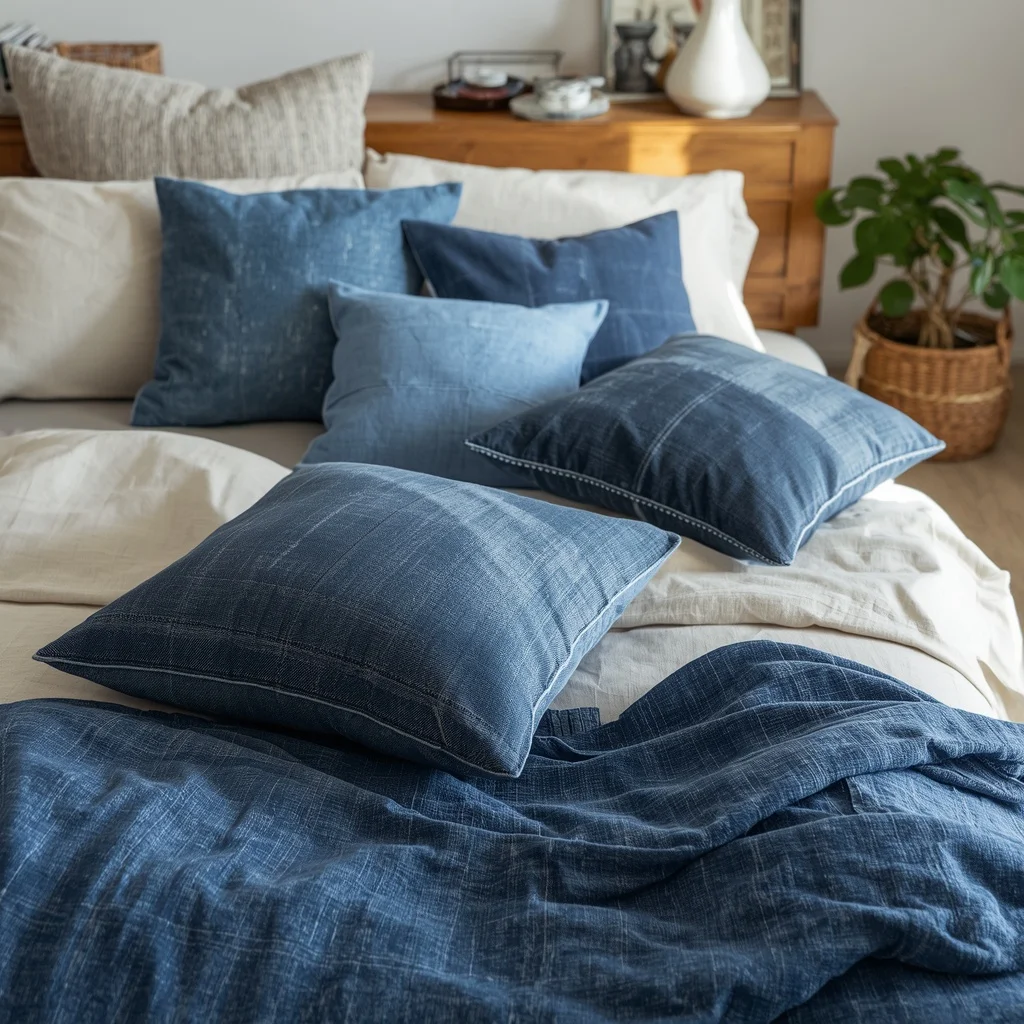
Old jeans can become surprisingly stylish bedroom accessories when transformed into decorative cushions. Denim adds a durable texture and relaxed blue tones that pair beautifully with cream, white, beige, and warm wood. Use different denim washes to create subtle contrast, or keep everything in one shade for a cleaner appearance. If you have sewing skills, add a simple envelope closure so the cover can be removed for washing. Even leftover jean pockets can become decorative details. This approach makes the bed feel layered and personalized while giving worn clothing a useful purpose instead of sending it straight to waste.
Before cutting denim, check the fabric for weak areas, thick seams, or damaged sections. Combining denim with a softer cotton fabric can make the finished cushion more comfortable while reducing the amount of heavy material you need to sew. Keep the design simple if you are new to sewing, because straight seams are easier to manage with thicker fabric. Add one or two neutral pillows around the denim pieces to soften the overall look. In my experience, mixing handmade pieces with simple store-bought bedding creates a relaxed room that feels personal without looking overly themed.
Colorful Storage Boxes
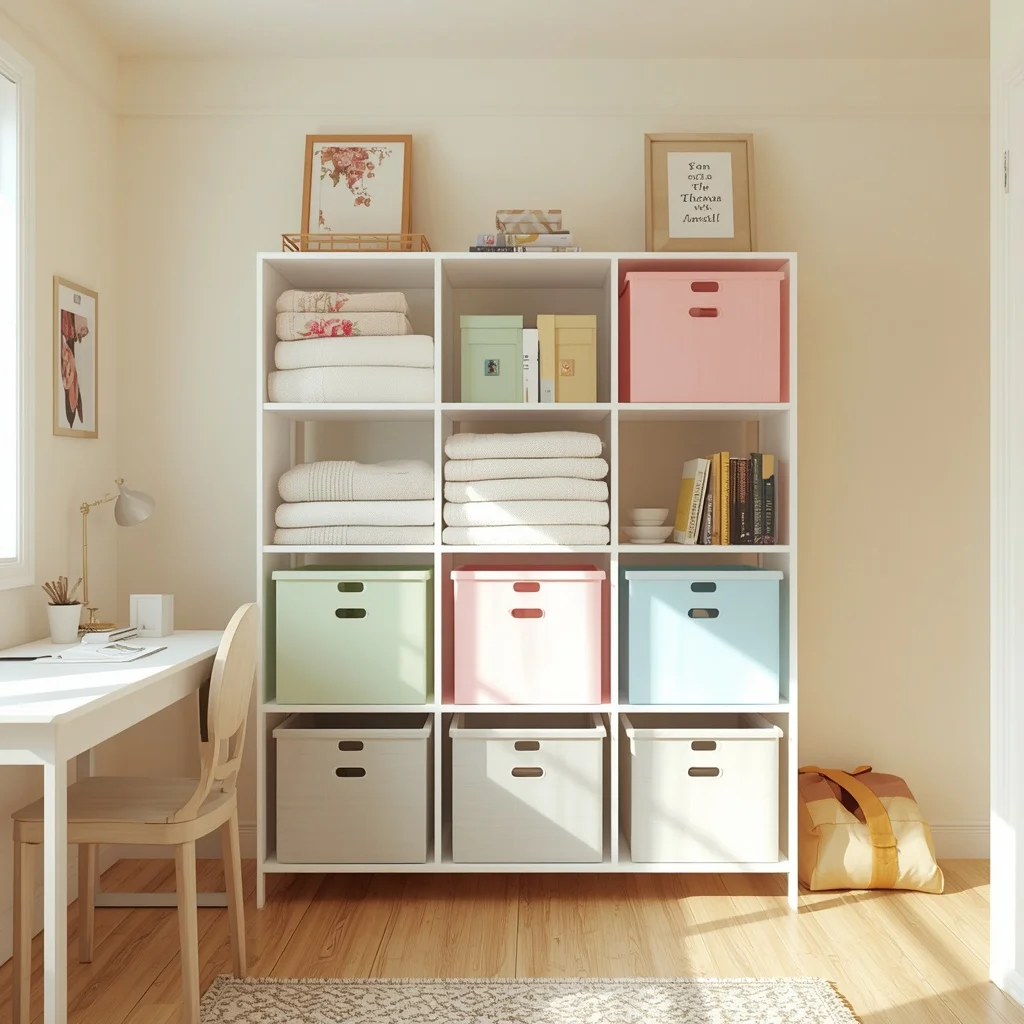
Storage does not have to look boring. Cover plain cardboard boxes with patterned paper, fabric, paint, or adhesive sheets to create colorful containers that fit your bedroom style. Use them on shelves, inside cubbies, or beneath a desk to hide accessories, craft supplies, cables, and other small items. Choose two or three colors that already appear in your room so the storage feels like part of the decor. Matching boxes can also create visual order on open shelving. This is an inexpensive way to make everyday clutter disappear while adding personality to an otherwise ordinary storage area.
Think about function before decorating each box. Larger containers work well for blankets and bags, while smaller boxes are better for accessories, stationery, or personal items. Add simple labels if you need quick access to what is inside. Reinforce cardboard corners with tape before covering them if the boxes will be used frequently. You can also leave one or two containers undecorated to create a balanced look. A coordinated storage system makes cleaning easier because everything has a designated place. The room stays visually calmer, while colorful containers add a cheerful decorative layer.
Bedside Crate Table
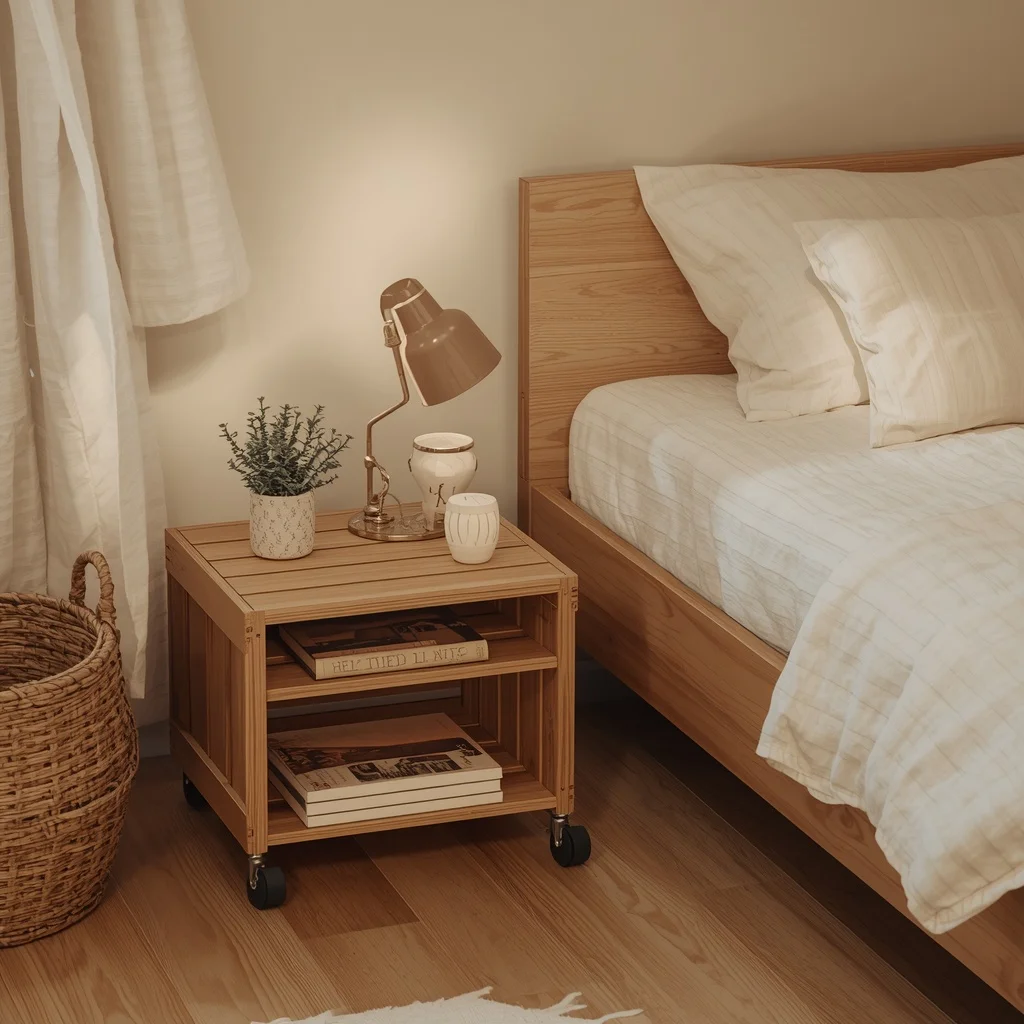
A simple wooden crate can become a practical bedside table with almost no complicated construction. Turn it upright or position it horizontally beside the bed, depending on the storage you need. The open sections can hold books, headphones, blankets, or small baskets, while the top provides room for a lamp and everyday essentials. Light sanding and a coat of paint or wood stain can give the crate a cleaner finish. This idea works especially well when a traditional nightstand feels too bulky. It adds useful storage while bringing an easygoing handmade element into the bedroom.
Safety and stability matter more than decoration when repurposing furniture. Choose a sturdy crate without loose boards, splinters, or damaged corners, then sand rough areas before using it indoors. If stacking crates, secure them properly rather than relying on their weight alone. Keep the top surface relatively uncluttered so the table remains practical. A small lamp, book, and plant are usually enough to make it look styled without becoming crowded. I’ve noticed that natural wood looks particularly attractive beside soft fabrics and neutral bedding, creating a warm contrast that makes simple furniture feel thoughtfully chosen.
Hanging Plant Shelf
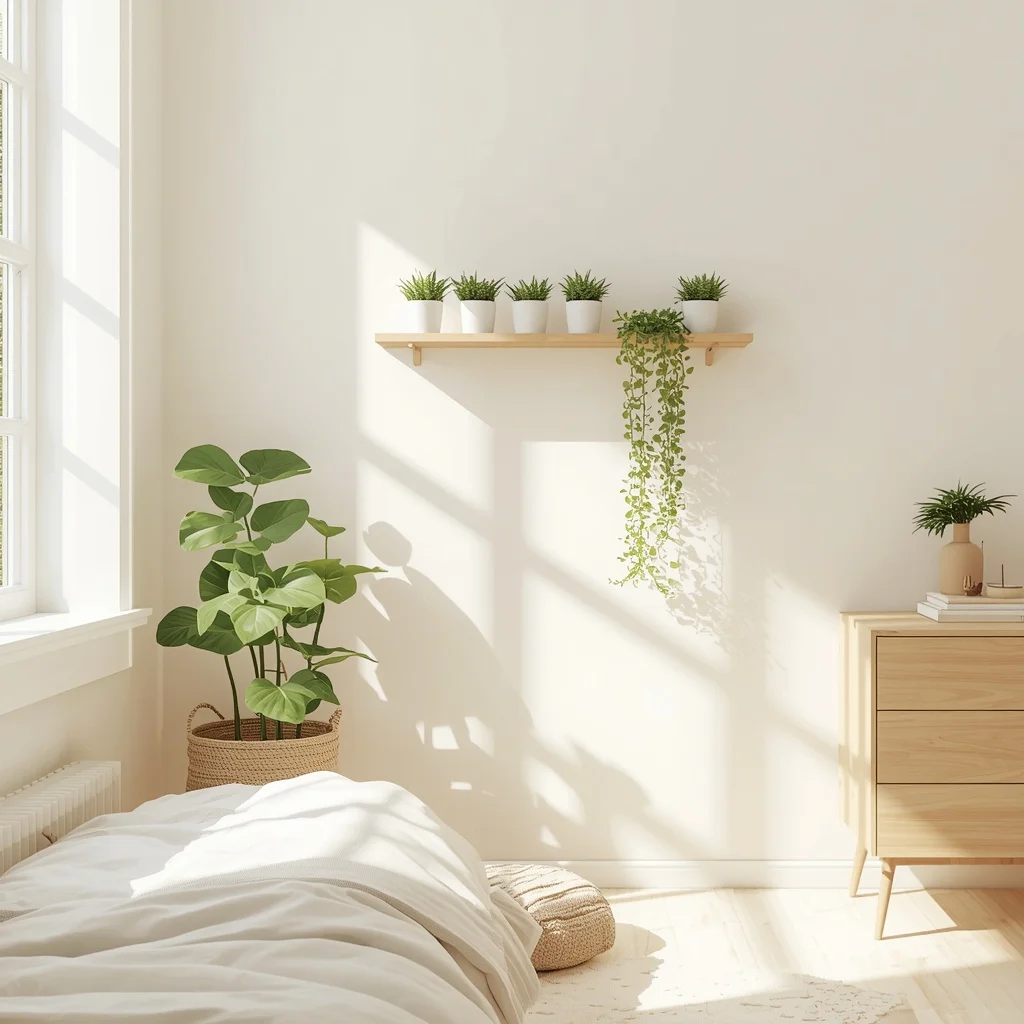
Bring a little greenery into the bedroom with a compact hanging plant shelf. A narrow wooden shelf suspended securely from the wall can hold small pots, trailing plants, or even a few decorative objects. Position it near suitable natural light while keeping enough distance from curtains, electronics, and areas where water could cause damage. The combination of greenery and natural wood adds softness to bedrooms filled with hard surfaces. If your room is small, using wall space for plants keeps the floor open. Even two or three small plants can make the space feel fresher and more visually balanced.
Choose plants according to the amount of natural light your room receives rather than selecting them only for appearance. Lightweight pots are easier to manage on a wall-mounted shelf, and trays can help protect the surface underneath from moisture. Avoid overcrowding the arrangement because plants need room to grow and the shelf should remain visually light. You can mix one trailing plant with smaller upright varieties for contrast. If caring for live plants is difficult, realistic artificial greenery can create a similar decorative effect. The finished shelf adds a natural focal point without requiring a major bedroom makeover.
Statement Bulletin Board
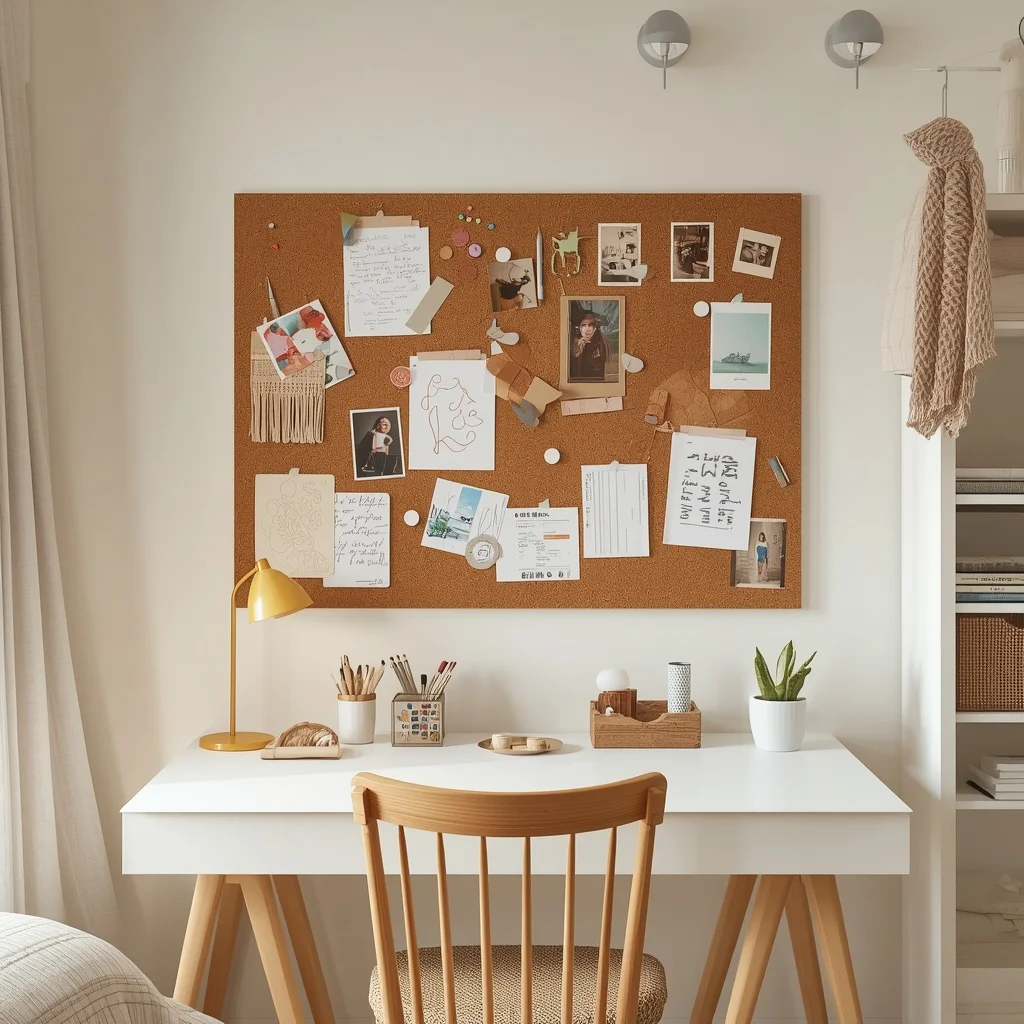
Turn a basic bulletin board into a personalized inspiration wall by layering photographs, sketches, notes, postcards, and small reminders. Mount it above a desk where it can support both creativity and organization. Instead of filling every section immediately, leave some cork visible so the display has breathing room. Use colorful pins or simple clips to introduce small decorative details. The board can also hold weekly plans, school reminders, or project ideas, making it more useful than traditional wall art. This combination of function and personality is ideal for creating a bedroom that feels lived-in without becoming cluttered.
Start with practical items that you genuinely need nearby, then add decorative pieces around them. Keep important notes at eye level and place less frequently viewed inspiration around the edges. If the board begins to feel crowded, remove older items before adding new ones. You can paint the frame or cover part of the cork with fabric to coordinate it with your room. In my experience, a rotating display feels much more personal than a permanent arrangement because it changes alongside your interests. The result is a creative workspace feature that keeps inspiration visible while supporting everyday organization.
Cloudy Wall Panels
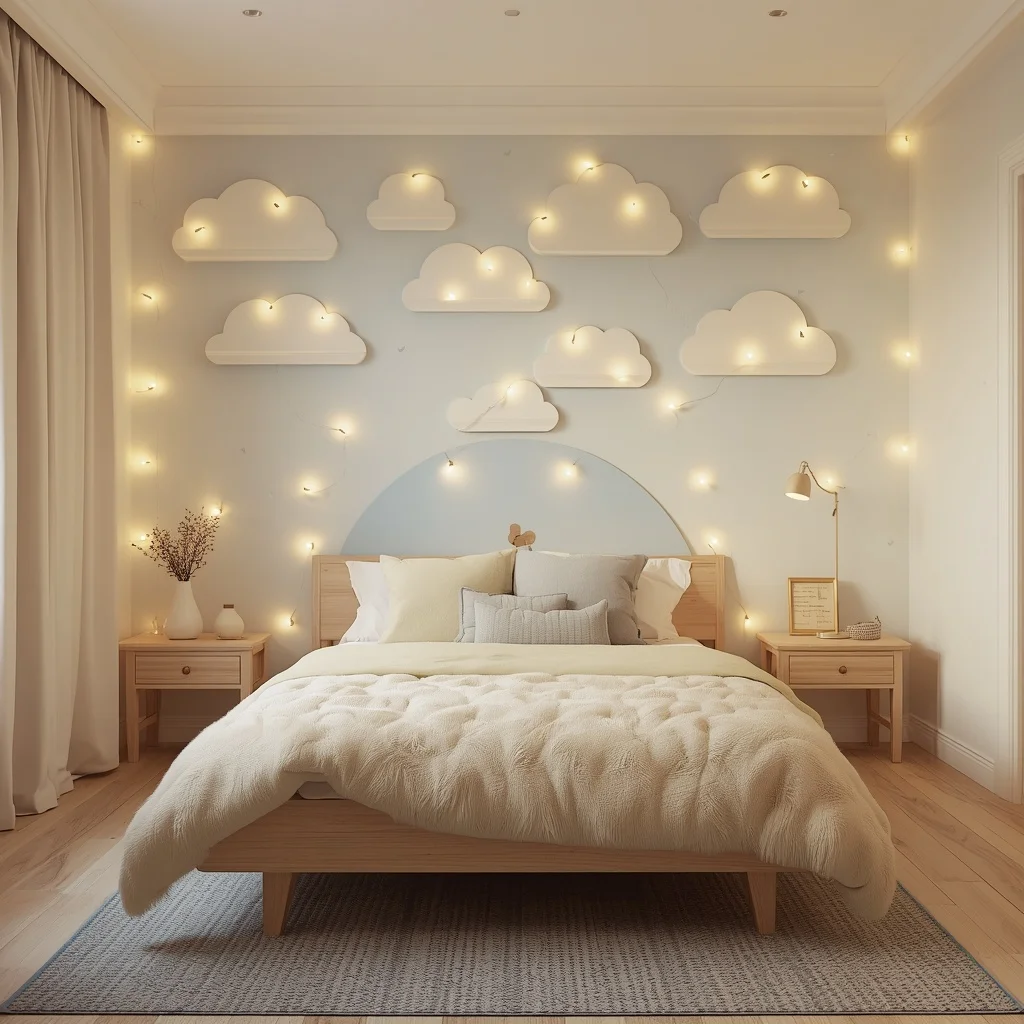
Make the wall behind the bed feel playful with soft cloud-shaped panels. Lightweight foam, felt, or other suitable craft materials can be arranged in overlapping shapes to create a dimensional backdrop. Keep the palette simple with white, cream, pale blue, or soft gray so the design remains calming rather than overly themed. A few warm lights around the edges can add a gentle glow after sunset. This idea is especially effective when the rest of the furniture is simple because the textured wall becomes the main decorative feature without requiring expensive artwork or complicated construction.
Plan the cloud arrangement on the floor before attaching anything to the wall. Vary the sizes slightly and leave small gaps between shapes to create a natural layered effect. Choose materials that are lightweight and appropriate for indoor use, and follow the manufacturer’s instructions when using adhesive or mounting hardware. Keep the design away from heat sources and avoid covering vents. For a more mature appearance, combine the clouds with neutral bedding and natural wood accents. The finished backdrop can make the sleeping area feel softer and more distinctive while adding visual depth without taking up valuable floor space.
Personalized Letter Art
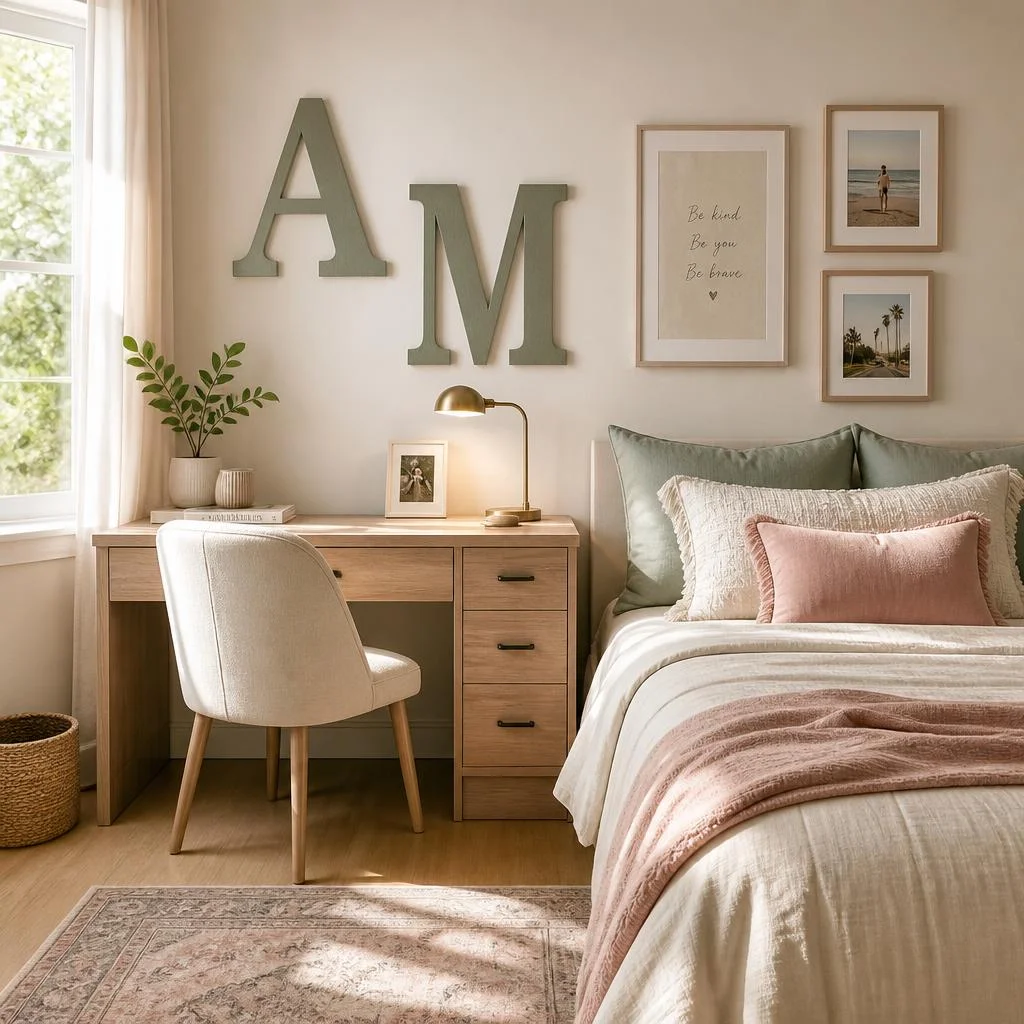
Add a personal signature to the bedroom with oversized letters representing a name, initials, or meaningful word. Cardboard, foam board, lightweight wood, or thick paper can be transformed with paint, fabric, patterned paper, or simple embellishments. Place the finished letters above a desk, dresser, or bed where they become an instant focal point. Keep the design clean if the room already contains several decorative elements. Personalized artwork feels more meaningful than generic wall decor because it reflects the person using the space. It can also become a fun project that changes as your style develops.
For a polished finish, choose a lettering style that complements the rest of the room rather than competing with it. Soft painted tones can create a calm appearance, while patterned surfaces add more playful energy. Measure the available wall area before creating oversized pieces, and use suitable mounting methods for the material and wall surface. Surround the letters with a few small photographs or simple prints if you want a fuller arrangement. I’ve seen simple personalized pieces become some of the most memorable parts of a bedroom because they combine creativity, identity, and practical decorating in one affordable project.
Conclusion
A beautiful bedroom does not require expensive furniture or a complete renovation. Small creative changes can add color, personality, organization, and comfort while making the space feel much more personal. From handmade wall art and cozy lighting to clever storage and upcycled accessories, these diy room decor for teens ideas give you plenty of ways to start.
Choose one project that excites you and build from there. I’ve seen how small changes like these can completely transform a space when they reflect the person living in it. Save your favorite ideas on Pinterest, gather a few affordable supplies, and start creating a bedroom you will genuinely love coming home to.
Read More:18 DIY Round Coffee Table Ideas for Creative Furniture