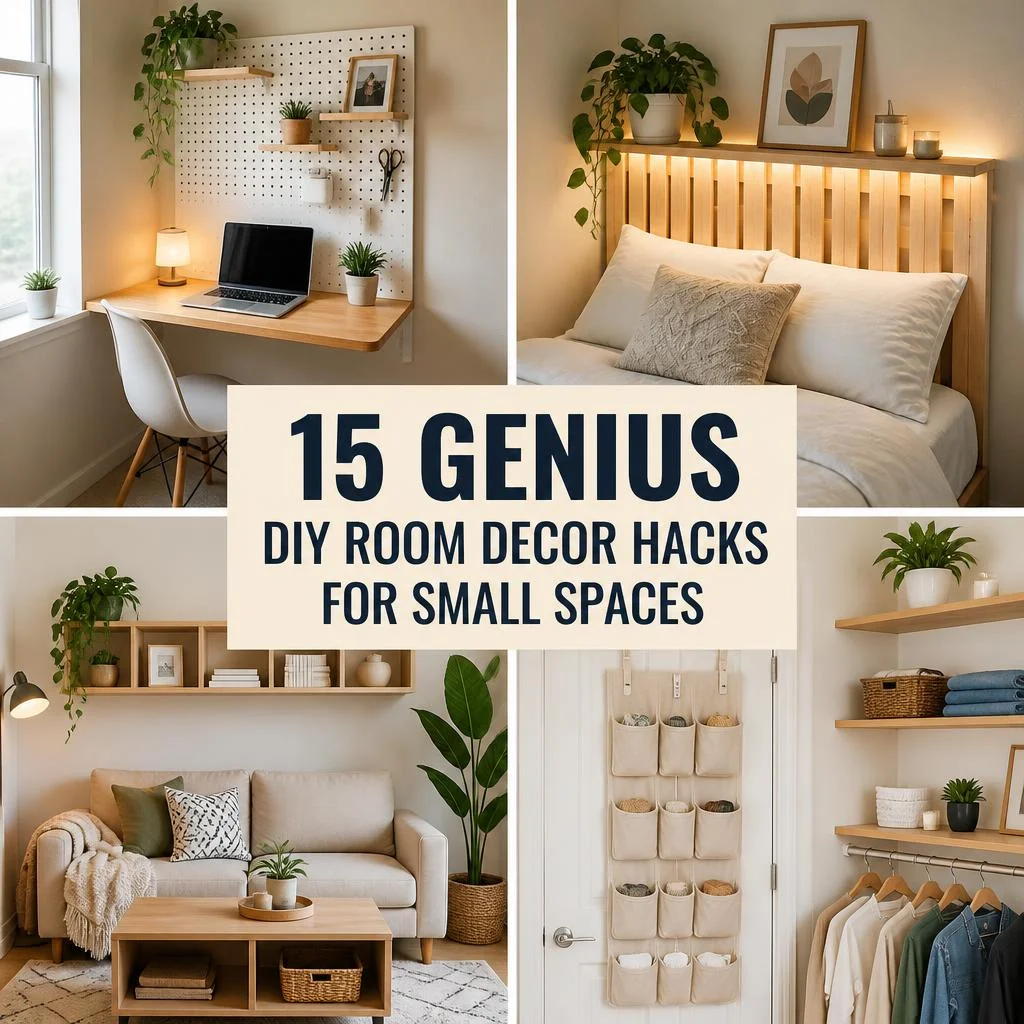
15 Genius DIY Room Decor Hacks for Small Spaces
Introduction
Small rooms can feel limiting when every inch already seems spoken for. But the right decorating tricks can completely change that feeling. These genius diy room decor hacks for small spaces show how to create a home that feels more open, organized, stylish, and comfortable without adding unnecessary furniture. From hidden storage and floating shelves to clever lighting and flexible furniture, each idea focuses on making your existing space work harder. You do not need a major renovation or expensive makeover to see a difference. In my experience, thoughtful placement, vertical storage, and multifunctional pieces can make even the smallest room feel surprisingly spacious and personal.
Fold-Down Workstation
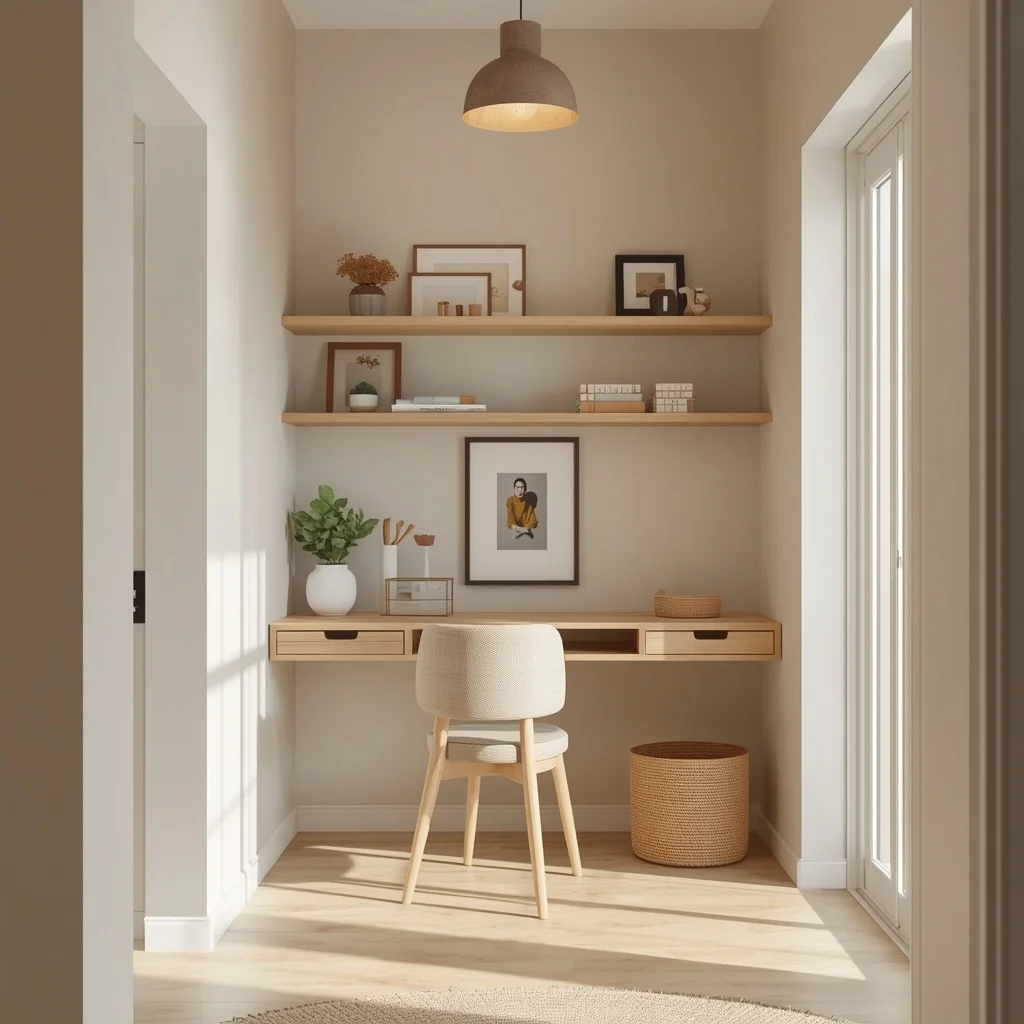
Small spaces can feel surprisingly spacious when every element earns its place. A wall-mounted folding desk turns an unused section of wall into a practical workspace without permanently consuming floor area. Choose a slim wood or white finish that blends with the room, then pair it with a compact chair that can slide underneath. Open shelving above keeps notebooks and small supplies visible while adding personality. In my experience, keeping the desk surface mostly clear makes the entire corner feel lighter. Add one framed print, a small plant, and warm task lighting for a polished, inviting setup.
A clever fold-down desk can completely change how a small room functions. When closed, it becomes a clean wall feature rather than another bulky piece of furniture, which helps preserve valuable walking space. Look for sturdy hinges and a smooth surface that is easy to wipe clean. Keep everyday supplies in a nearby basket or narrow shelf so the desk can be opened quickly when needed. Soft neutral colors work especially well in compact rooms because they reduce visual clutter. For extra comfort, add a supportive chair and position the workspace near natural light whenever possible.
Mirror Wall Trick
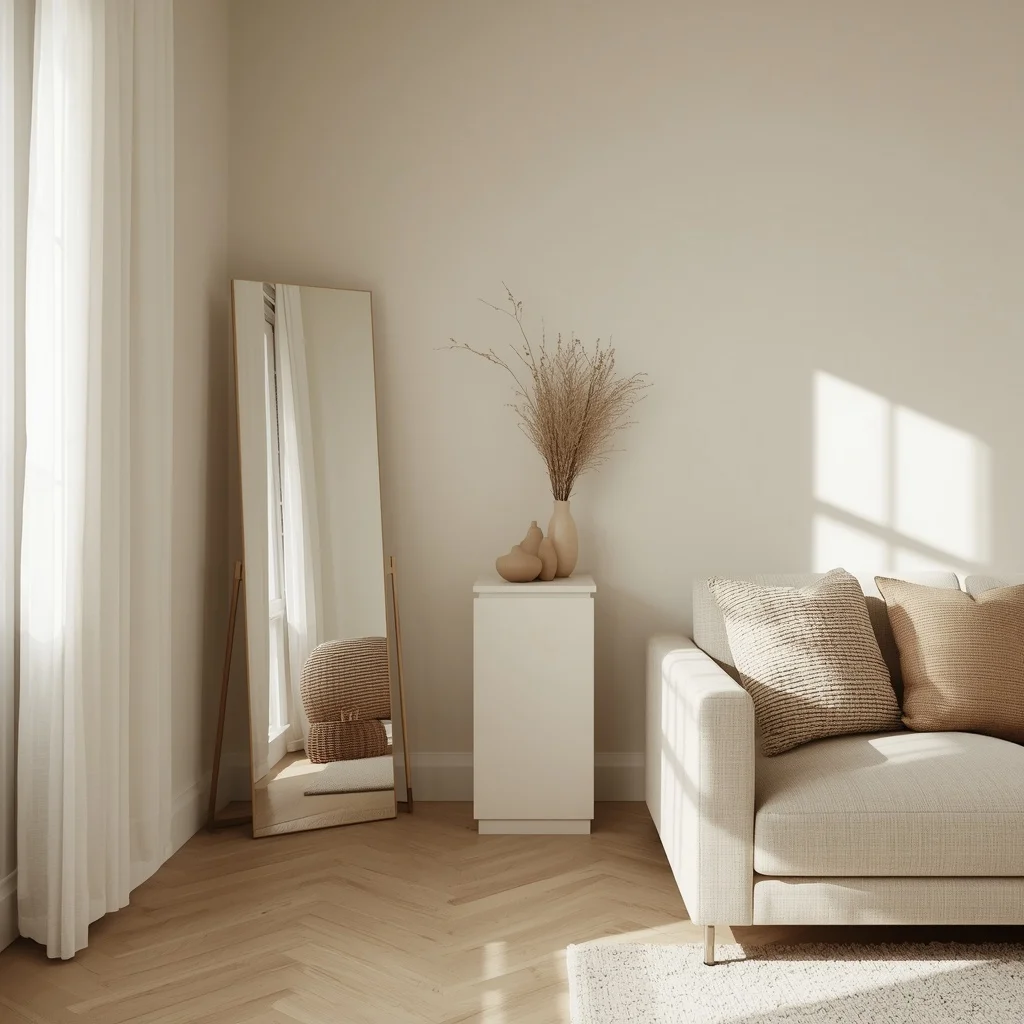
One simple mirror can make a compact room feel noticeably larger. A full-height design reflects both natural and artificial light, helping the space appear brighter while creating the illusion of greater depth. Place it opposite a window when possible, but avoid positioning it where it reflects clutter or an unattractive view. A slim black, brass, or natural wood frame can also reinforce your decorating style without overwhelming the wall. This is one of those small-room tricks that looks decorative first but quietly improves the entire visual balance of the space.
The best part about using a large mirror is that it does not require sacrificing valuable floor area. Lean a sturdy mirror against a wall or mount it securely, depending on the room and household needs. Keep the surrounding area simple so the reflection does not create visual noise. A narrow console, small basket, or single decorative vase can anchor the arrangement without making it crowded. I’ve noticed that mirrors work especially well in rooms with pale walls because they bounce light around more effectively. The result feels open, polished, and naturally inviting.
Hidden Storage Bed
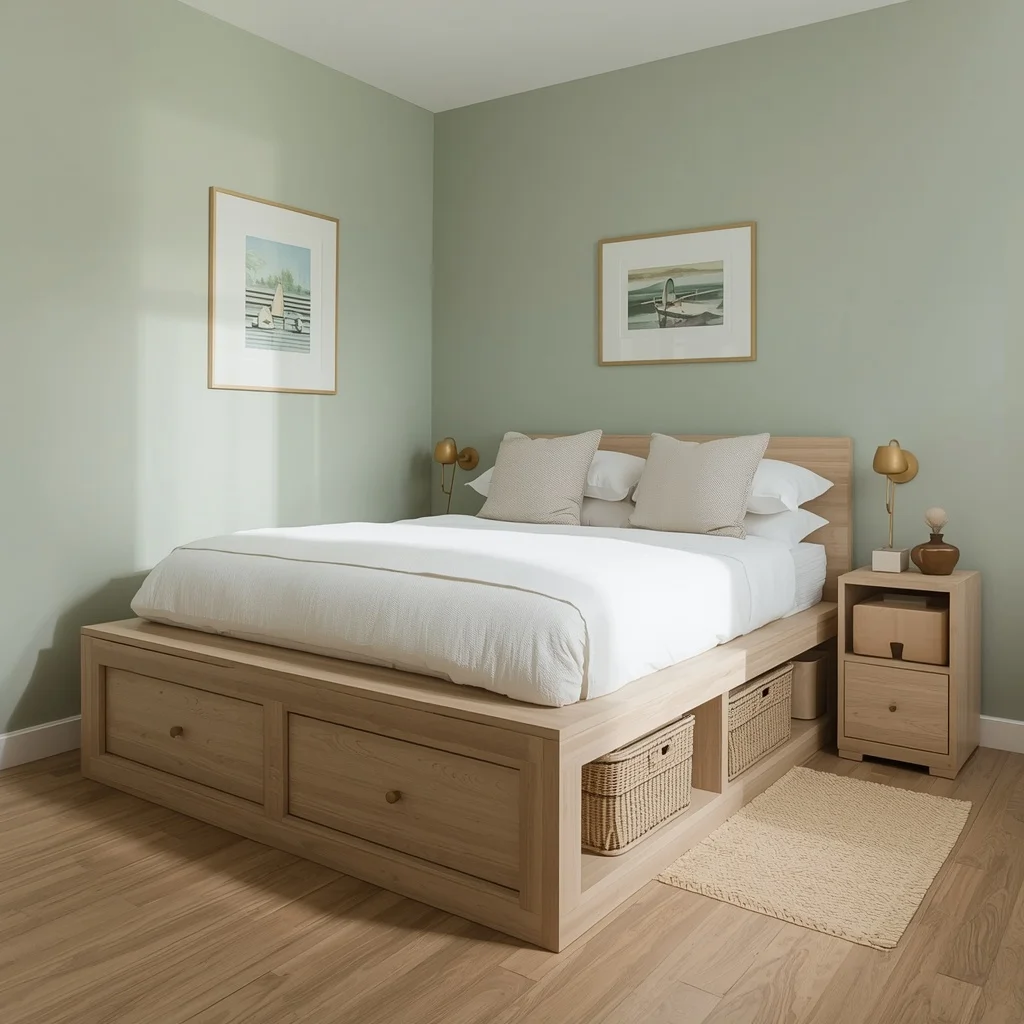
When floor space is limited, the area beneath your bed becomes valuable hidden real estate. A storage bed with built-in drawers can hold extra bedding, clothing, shoes, or everyday items without introducing another large cabinet. Choose drawers that glide smoothly and are deep enough for the things you actually need to store. Keep the bed frame visually simple so the room does not feel heavy. Light wood, soft white, or muted finishes blend easily with small bedrooms. This approach works particularly well when storage is limited but you still want the room to feel comfortable rather than overly practical.
Smart storage should make everyday routines easier, not simply hide clutter. Divide the drawers by category using small fabric organizers, so you can quickly find what you need without emptying everything. Keep the most frequently used items in the easiest-to-reach compartments and reserve deeper spaces for occasional belongings. Pair the bed with a slim bedside table or wall-mounted light to preserve walking room. A soft rug can also define the sleeping area without adding furniture. When every storage feature has a purpose, the bedroom feels calmer, cleaner, and much more spacious.
Floating Display Shelves
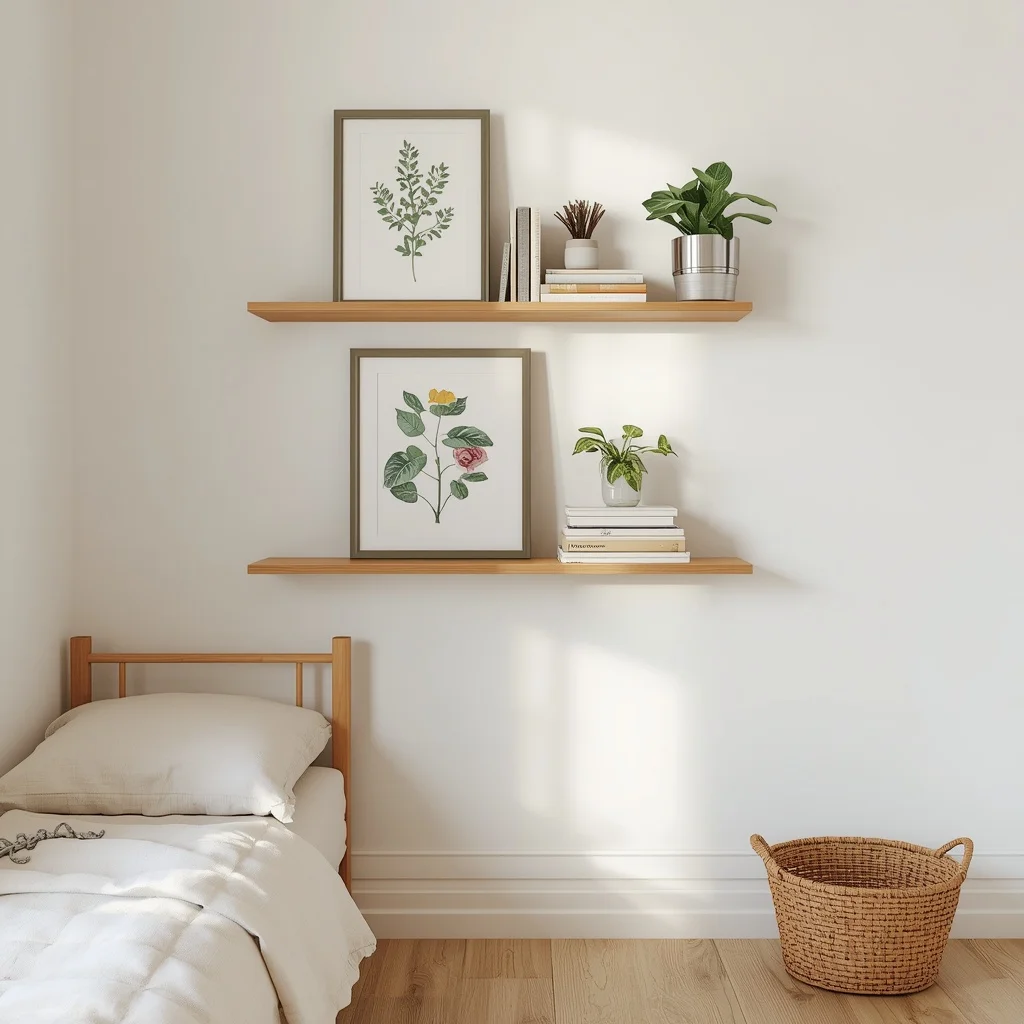
A narrow shelf can do far more than display pretty objects. A floating shelf uses vertical wall space while keeping the floor completely clear, making it ideal for compact bedrooms, living rooms, and entryways. Choose one long shelf or several staggered shelves depending on your wall size. Keep the arrangement balanced with books, small plants, framed prints, and one or two meaningful objects. In my experience, leaving some empty space between pieces makes shelves look intentional rather than crowded. Natural wood adds warmth, while white shelving blends quietly into pale walls for an airy, streamlined finish.
Floating shelves become even more useful when you combine decoration with everyday storage. Use small baskets for cables, stationery, or personal items that you do not want on display. Keep heavier objects close to wall studs or use appropriate anchors for the wall material. Avoid filling every inch because visual breathing room helps a small room feel larger. You can also coordinate shelf colors with nearby furniture to create a connected look. A few carefully chosen pieces are usually more effective than a packed arrangement, especially when the goal is to make the room feel organized, stylish, and easy to maintain.
Storage Seating Bench
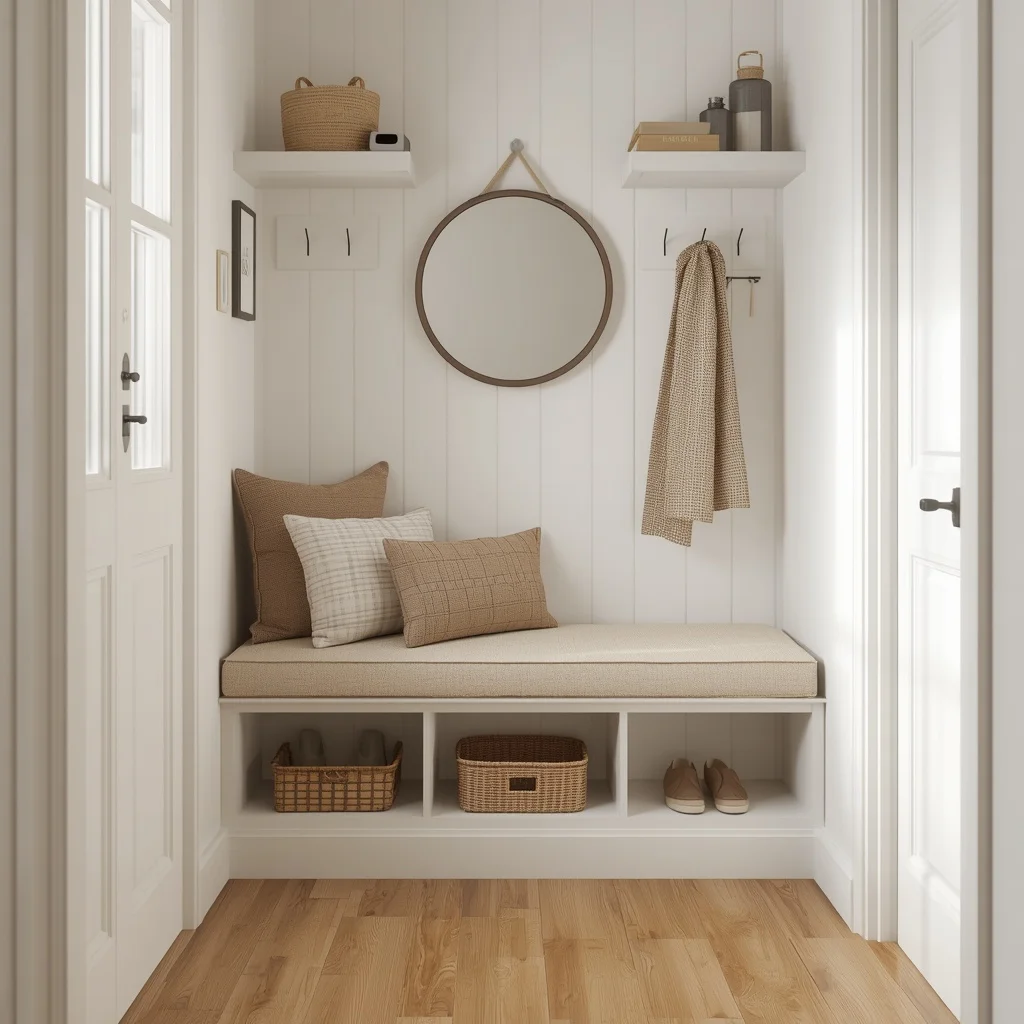
A slim storage bench can transform an awkward wall, window area, or unused corner into useful space. Choose a compact bench with a lift-up seat or concealed compartments for blankets, shoes, books, or accessories. Upholster the top in a soft neutral fabric to introduce texture without adding visual weight. Keep the base simple, preferably in light wood or a finish that matches existing furniture. Add one cushion and a small woven basket nearby for a relaxed look. This creates a practical landing spot while keeping bulky storage pieces out of the main walking area.
Small rooms benefit from furniture that performs more than one job. A storage bench can serve as seating, organization, and decoration without demanding much floor space. Place it beneath a window, along the end of a bed, or against a narrow entry wall where a larger cabinet would feel overwhelming. Use hidden compartments for less attractive belongings and leave a few decorative pieces visible above or beside it. I’ve seen this setup work especially well in shared spaces because it gives everyone a simple place to sit while quietly reducing everyday clutter.
Slim Floor Lighting
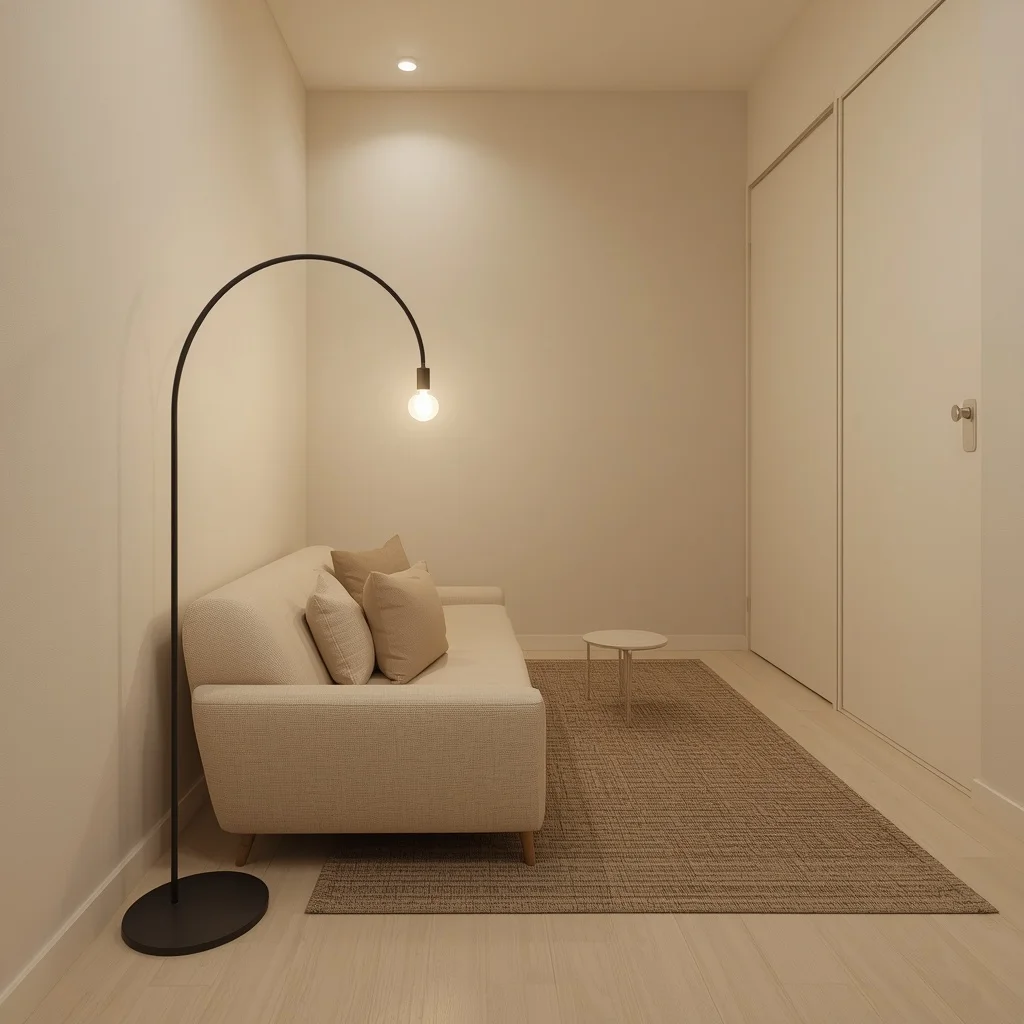
An oversized floor lamp can brighten a small room without requiring another table or bulky lighting fixture. Choose a slim arched or straight design that occupies minimal floor area and position it beside a sofa, reading chair, or bed. Warm-toned bulbs create a comfortable glow, while a simple shade keeps the silhouette clean. Pair the lamp with neutral furniture and a small textured rug to create a cozy reading corner. The vertical shape also draws the eye upward, helping the ceiling feel taller and making the overall room composition more balanced.
Good lighting can completely change how a compact room feels after sunset. Instead of covering a small side table with lamps, use one slender floor lamp to provide focused illumination while keeping surfaces available for other needs. Look for adjustable heads if you want reading light and softer ambient lighting from the same fixture. Keep cords organized along the wall to maintain a clean appearance. A warm bulb generally feels more relaxing in bedrooms and living areas than harsh cool light. With the right placement, one tall fixture can add atmosphere, function, and visual height without clutter.
Pegboard Organizer
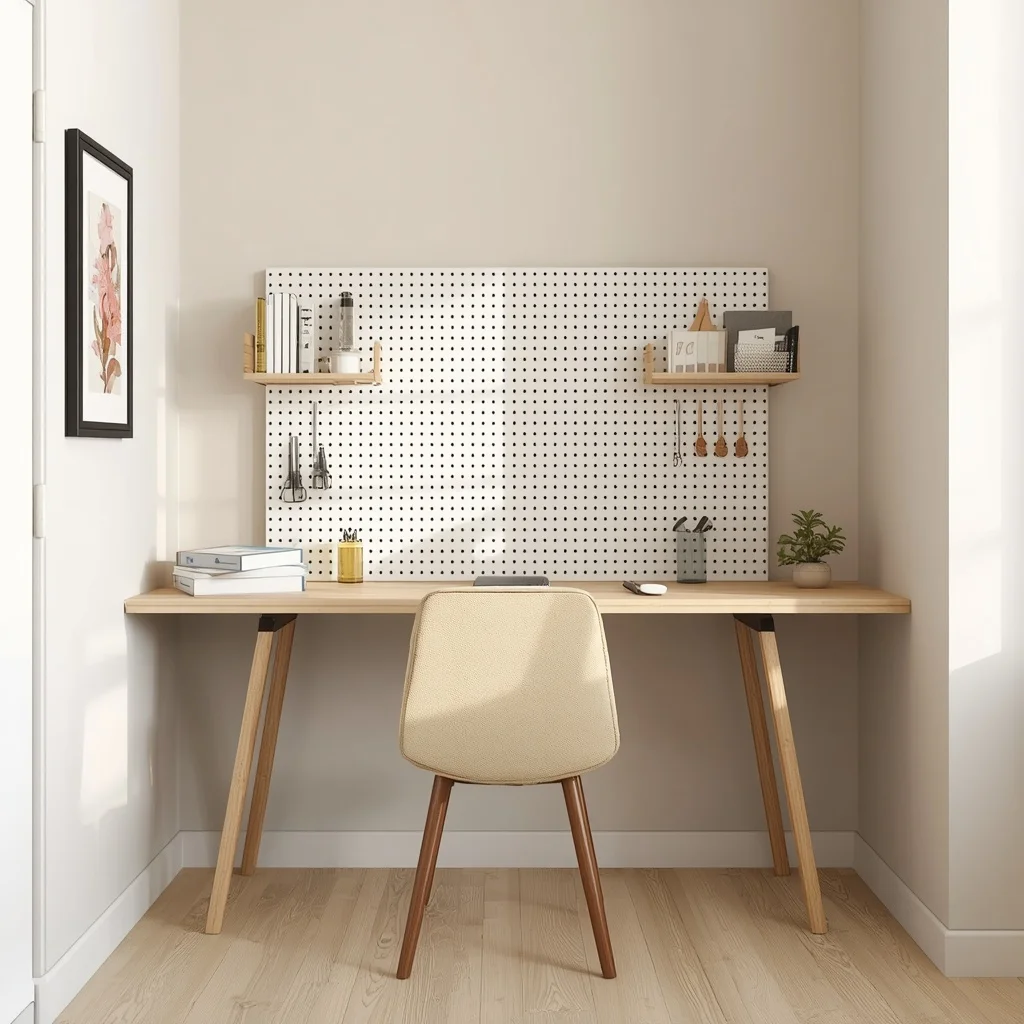
An empty wall can become one of the most useful areas in a compact room with a simple pegboard organizer. Mount one above a narrow desk, craft station, or entryway console, then customize it with hooks, shelves, cups, and small baskets. Because the accessories can be moved around, the setup changes easily when your storage needs change. Paint the board in white, beige, muted green, or another room-friendly shade to make it feel decorative rather than purely functional. Keeping supplies vertically organized also leaves your desk or floor noticeably clearer.
The beauty of a pegboard is its flexibility. Instead of committing to permanent shelves or cabinets, you can adjust the layout whenever your routine changes. Keep frequently used items within easy reach and place less-used supplies higher on the board. Small containers are perfect for pens, craft tools, charging cables, or beauty accessories. I’ve noticed that grouping similar items together makes even an open storage system look much more intentional. Add a small framed print or plant between practical pieces to soften the arrangement and create a useful wall that still feels stylish.
Curtain Room Divider
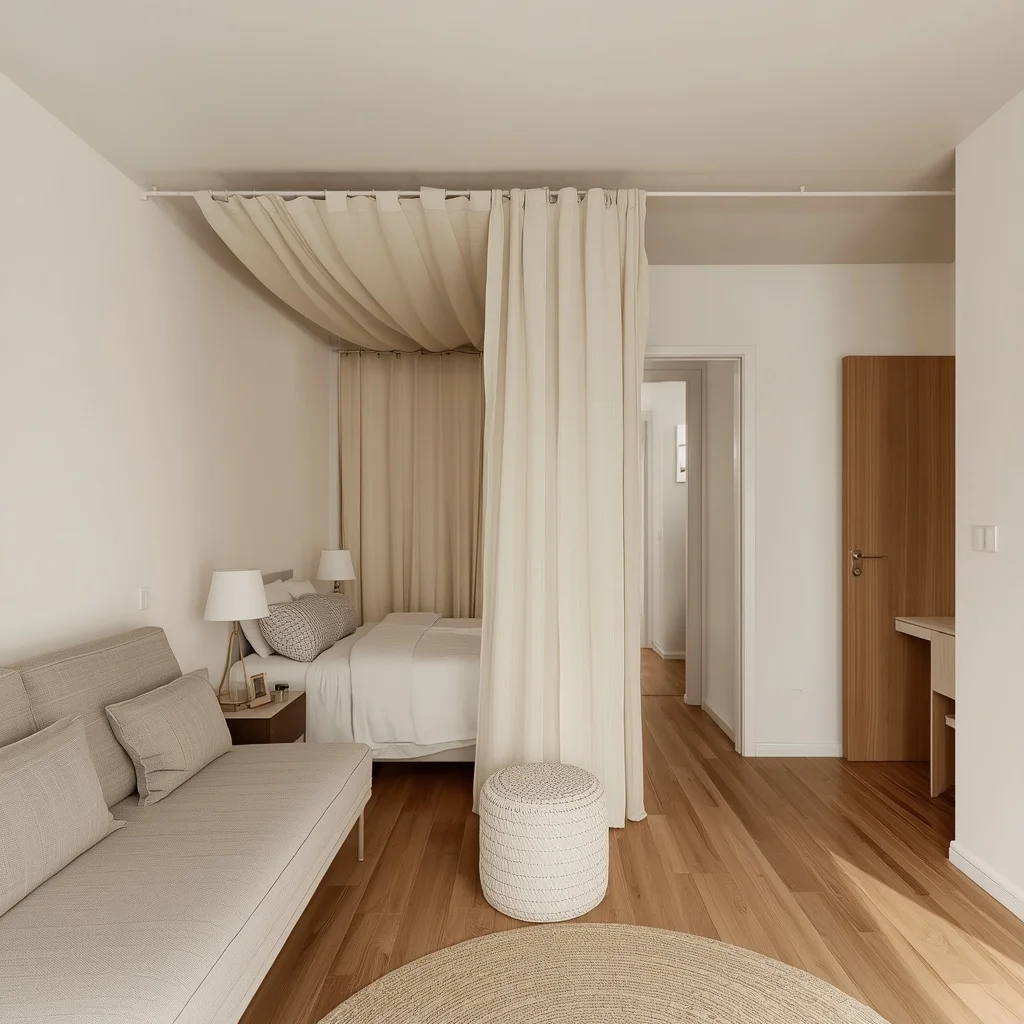
A curtain can create the feeling of separate rooms without taking away the flexibility of an open layout. This is especially useful in studio apartments, shared bedrooms, or multipurpose spaces where one area needs to serve several roles. Choose lightweight linen or cotton curtains in cream, beige, soft gray, or another neutral shade. Install the track close to the ceiling so the fabric draws the eye upward. When privacy is needed, close the curtain; when you want the room to feel larger, pull it completely aside.
Unlike a permanent divider, curtains allow you to change the room whenever your needs change. Use one to separate a bed from a desk, create a dressing corner, or hide a compact storage area. Floor-length fabric can also make the ceiling appear taller when hung correctly. Keep the surrounding furniture simple so the divider remains visually calm. A textured rug, warm lamp, and woven basket can add softness without crowding the zone. This hack proves that creating functional boundaries does not always require expensive renovations or bulky furniture.
Corner Gallery Wall
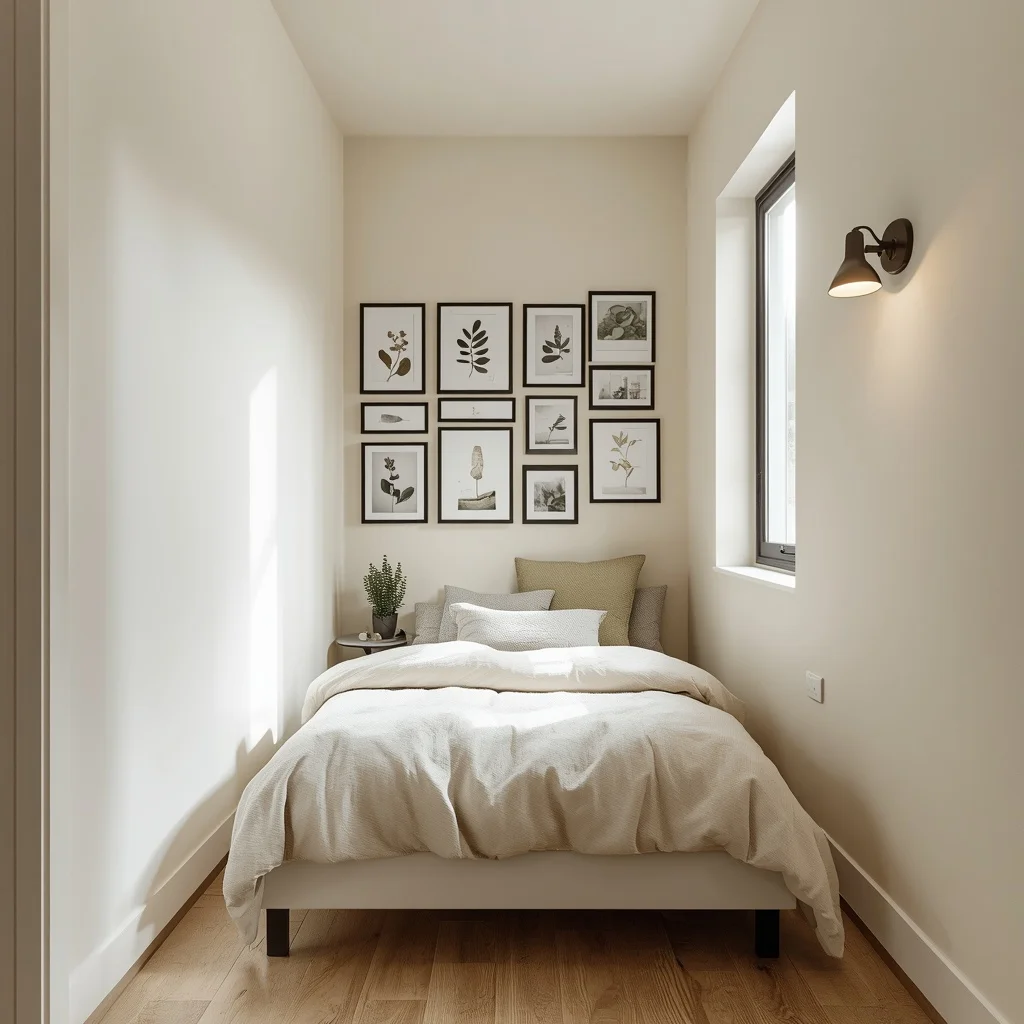
An empty corner does not need another piece of furniture to become interesting. A small gallery wall can turn two adjoining walls into a decorative feature while keeping the floor completely open. Mix simple botanical prints, abstract artwork, photographs, or meaningful illustrations using frames in two or three complementary finishes. Keep the overall palette consistent so the collection feels connected. Smaller frames usually work better in compact rooms because they create detail without overwhelming the available wall space. Arrange the pieces before hanging them to test the spacing and balance from different angles.
A corner gallery wall can also make a small room feel more personalized without adding clutter. Start with your largest piece as an anchor, then build outward with smaller frames to create a relaxed composition. Leave enough breathing room between each item so the artwork remains easy to appreciate. If the room already contains strong patterns, choose simpler prints and quieter frames. In my experience, repeating one frame finish or accent color helps separate artwork look like one collection. Add a small wall-mounted light nearby to highlight the display after dark while preserving every inch of floor space.
Under-Desk Storage
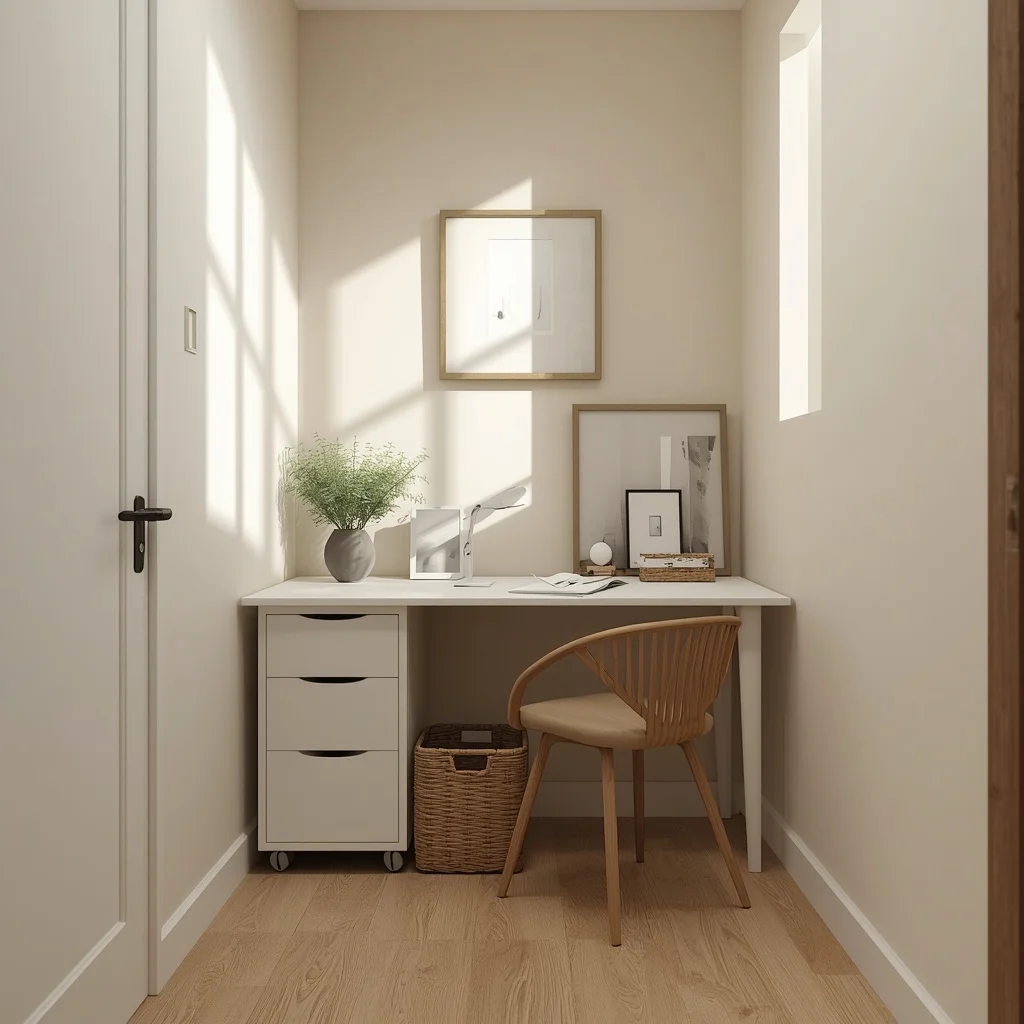
The space beneath a desk is often overlooked, yet it can provide valuable storage in a compact room. Add slim rolling drawers, stackable boxes, or low baskets to keep notebooks, cables, stationery, and other supplies organized. Choose storage pieces that slide easily underneath without interfering with your legs. Matching the containers to the desk or flooring helps the area feel intentional rather than crowded. Keep frequently used items near the front and reserve deeper spaces for things you rarely need. This simple adjustment can make a small workstation noticeably more functional without requiring additional furniture.
Good under-desk storage should improve organization without making the workspace uncomfortable. Before buying containers, measure the available height and width, including enough legroom for comfortable sitting. Soft baskets work beautifully for lightweight items, while narrow drawers are better for smaller supplies that tend to disappear in open storage. Keep the floor around the desk clear so the room maintains an airy appearance. I’ve found that assigning one container to each category prevents clutter from quickly returning. When everything has a designated place, even a tiny workstation can feel calm, efficient, and surprisingly spacious.
Wall-Mounted Nightstand
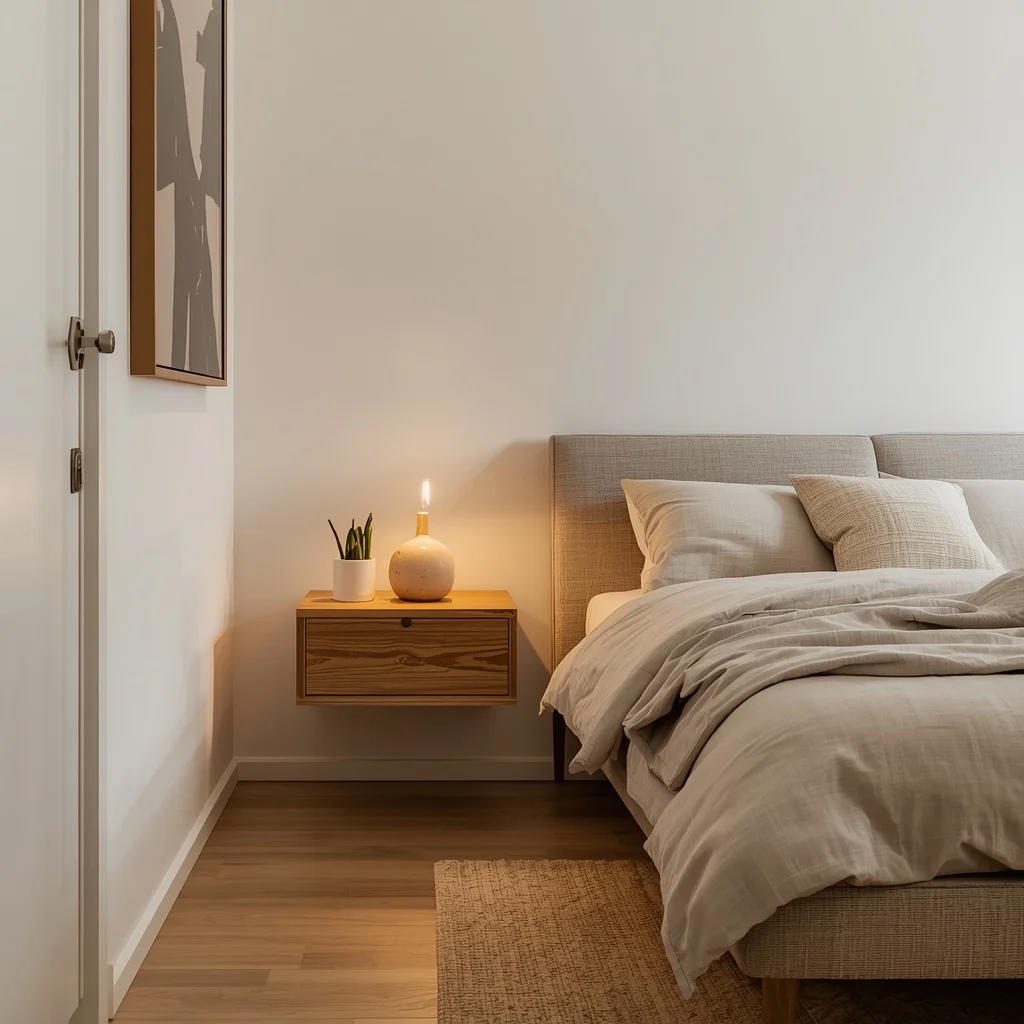
A bulky bedside table can make a small bedroom feel cramped, especially when the bed already occupies most of the floor. A wall-mounted nightstand solves the problem by providing a useful surface without extending down to the floor. Choose a narrow wooden shelf or compact floating drawer for a phone, book, lamp, and other nighttime essentials. Mount it at a comfortable height and coordinate its finish with the bed or flooring. The open area underneath creates more visible floor, which can make the bedroom feel lighter and easier to clean.
A floating nightstand also gives you more freedom to style a tiny bedroom. Instead of filling the surface with decorations, keep only the essentials and use one small object for personality. A compact wall sconce can replace a table lamp, freeing even more surface area. Hide charging cables inside a drawer or cable channel to maintain a polished appearance. Light wood works especially well with neutral bedding because it adds warmth without visual heaviness. This small change can make the entire sleeping area feel more organized while preserving precious floor space.
Vertical Plant Display
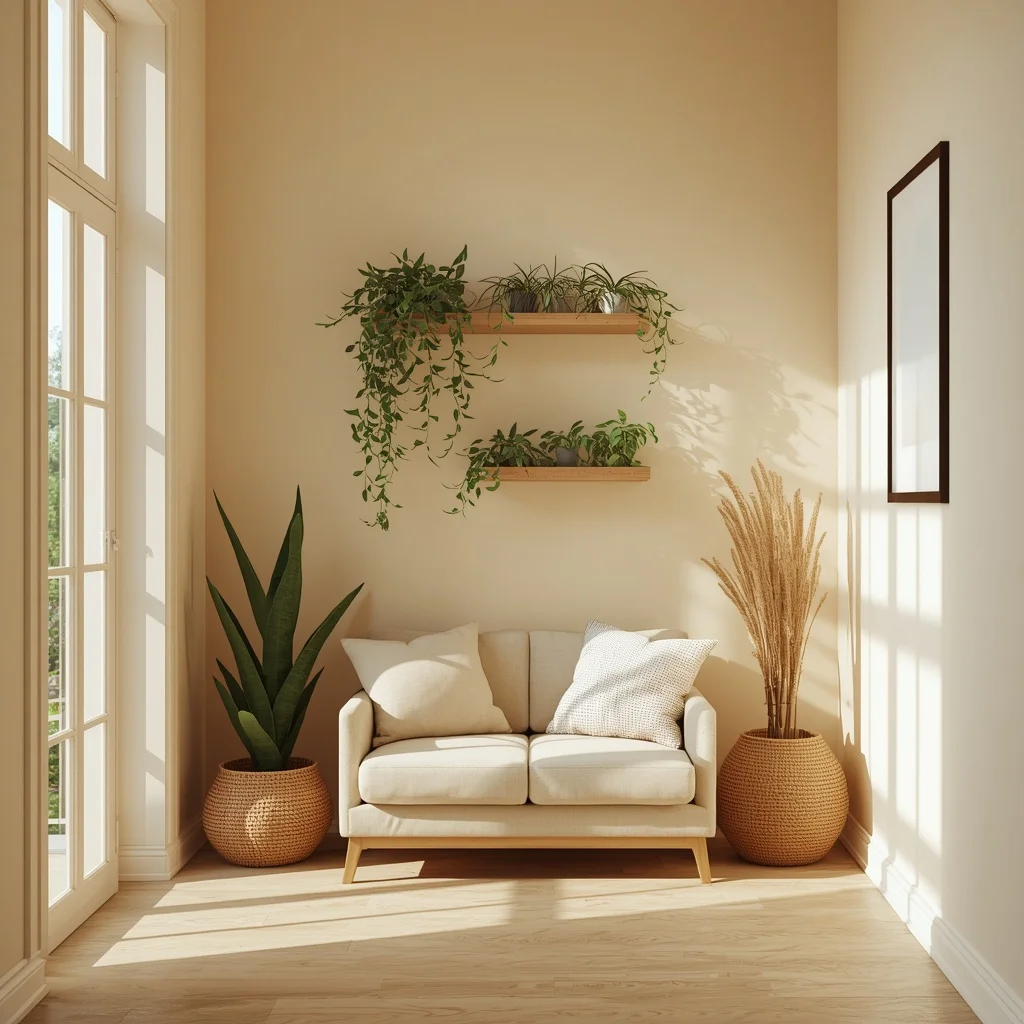
Plants can make a small room feel fresher, but floor-standing planters are not always practical. A vertical plant display lets you bring greenery into the room while using an otherwise empty wall. Install a few sturdy shelves at different heights and use compact pots with varied leaf shapes. Trailing plants can soften the edges and create movement, while upright varieties provide structure. Choose planters in ceramic, terracotta, or woven finishes that complement the existing palette. Keep the arrangement visually balanced rather than filling every shelf.
A vertical garden works particularly well near windows where plants can receive appropriate natural light. Before mounting shelves, check the weight of the pots and choose secure hardware suitable for your wall. Group plants according to their care needs so maintenance remains simple. If natural light is limited, select varieties that tolerate lower-light conditions rather than forcing unsuitable plants into the space. I’ve noticed that combining greenery with warm wood and neutral fabrics creates a relaxed atmosphere without needing much additional decoration. The result is lively, personal, and wonderfully space-conscious.
Peg Rail Organizer
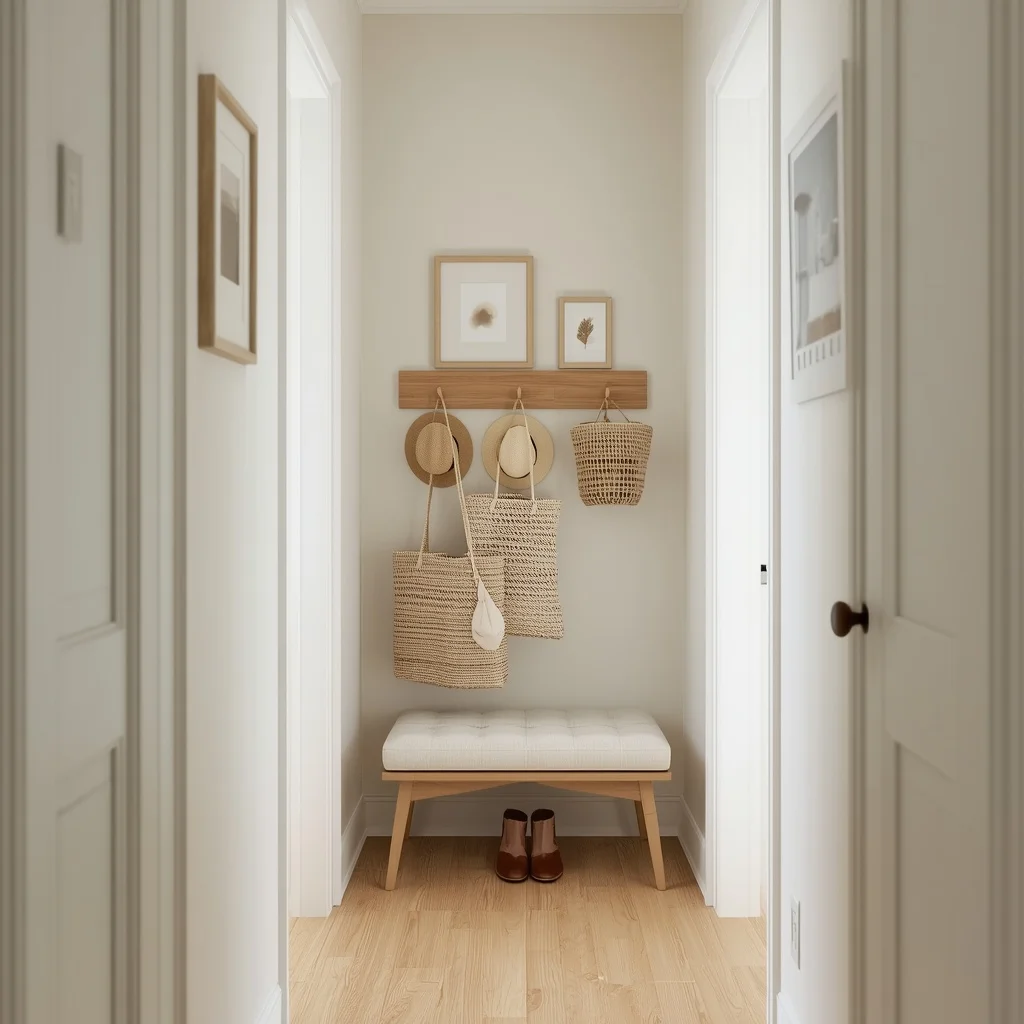
A simple peg rail can turn a narrow wall into useful storage without requiring a bulky cabinet. Mount one near an entryway, bedroom, or workspace and use the pegs for bags, hats, scarves, headphones, or lightweight baskets. Choose natural wood for warmth or paint the rail to match the wall for a more seamless effect. Because the hooks occupy very little depth, the walkway remains open. Keep the arrangement selective rather than hanging everything you own. A few well-chosen items can make the rail look decorative while quietly solving everyday storage problems.
The real advantage of a peg rail is how easily it adapts to changing needs. Move hooks around whenever you need to create more room for different belongings. Add a small shelf above the rail for keys, framed artwork, or a decorative plant. In a bedroom, it can hold tomorrow’s outfit and free up space inside a crowded wardrobe. In my experience, open storage works best when each item has a clear purpose. Keeping the number of visible belongings controlled prevents the wall from becoming visually busy and helps the entire room maintain a clean, intentional appearance.
Foldable Furniture
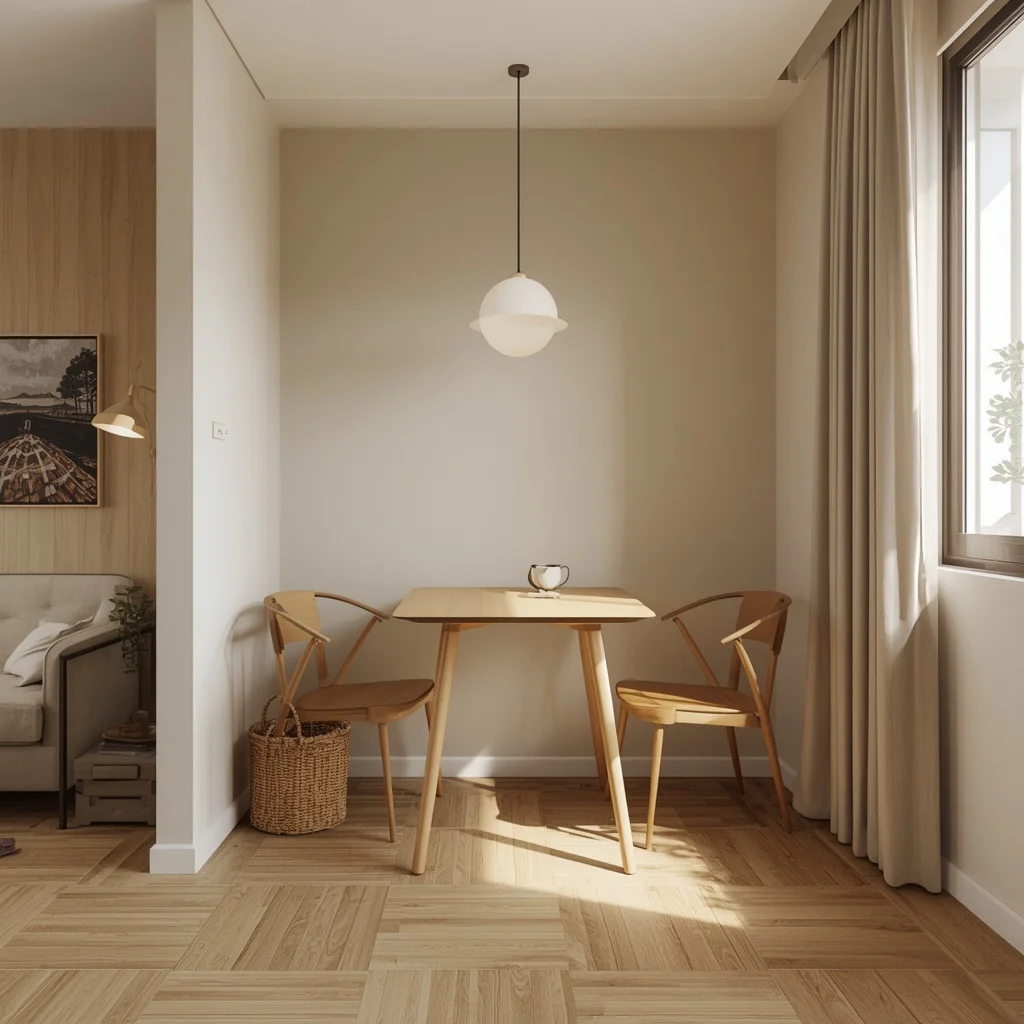
Furniture does not have to stay in one position all day. Foldable pieces are especially useful in rooms that need to serve several purposes, such as a dining area that becomes a workspace or a bedroom that doubles as a hobby room. A wall-mounted folding table can provide a generous surface when needed and disappear afterward. Pair it with lightweight chairs that can be stacked or moved aside. Choose simple finishes and neutral colors so the furniture blends naturally with the rest of the room rather than becoming a dominant feature.
The key to successful foldable furniture is choosing pieces that genuinely match your routine. If you rarely eat at home, a large dining table may waste valuable floor space, while a compact folding version could provide exactly what you need. Measure the furniture when both open and closed to ensure doors, drawers, and walkways remain accessible. Store folding chairs vertically or against an unused wall when possible. This approach creates a room that can change throughout the day without requiring permanent rearrangement, making limited square footage feel much more adaptable.
Under-Bed Drawers
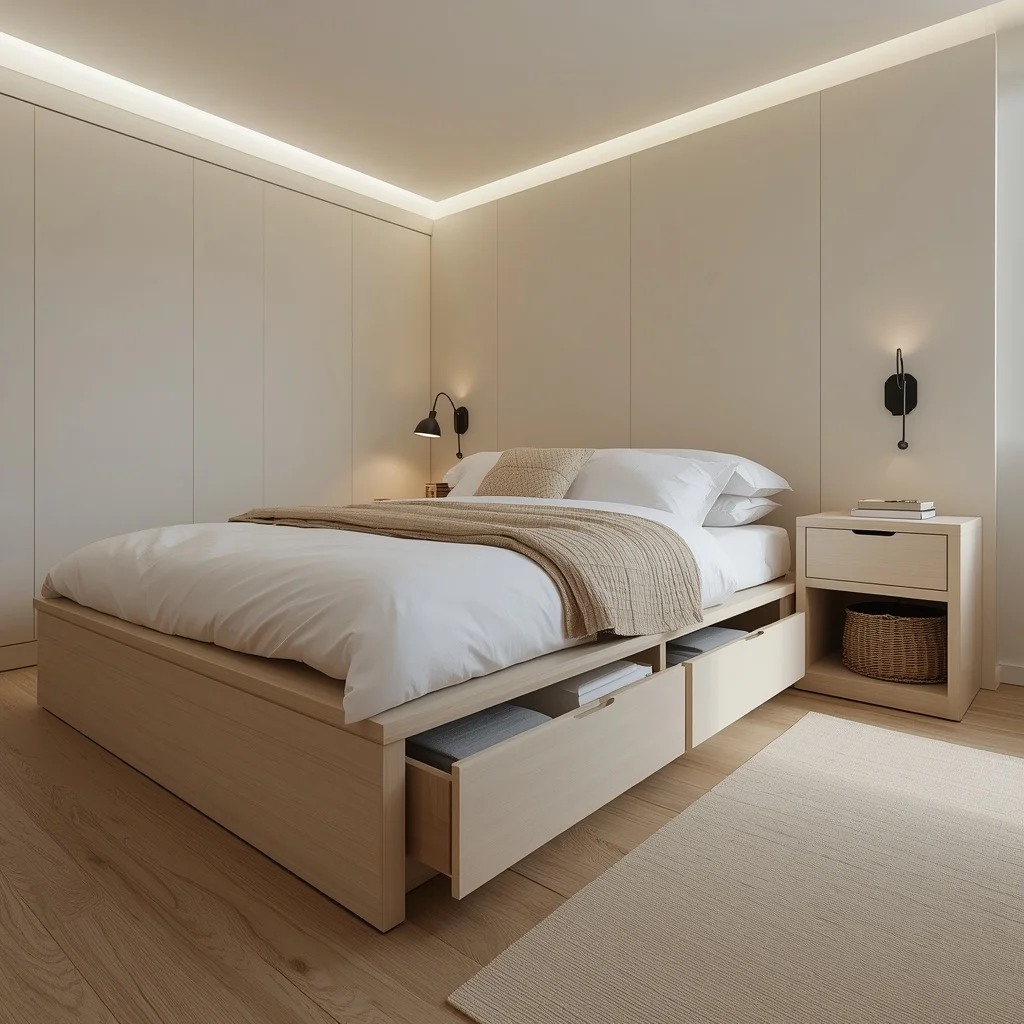
The area beneath a bed can provide a surprising amount of storage when designed intentionally. Instead of leaving that space empty or filling it with mismatched boxes, use wide rolling drawers or purpose-built under-bed containers. They are useful for spare bedding, folded clothing, shoes, bags, and other items that do not need daily access. Choose containers with lids if the area is exposed to dust. Keep the exterior visually simple so the storage remains almost invisible. This is one of the easiest ways to add capacity without sacrificing another section of your already limited floor plan.
Organization matters just as much as storage capacity. Divide the drawers by category and use soft organizers to prevent smaller belongings from becoming mixed together. Reserve the easiest-to-reach compartments for things you use regularly, while storing occasional items farther underneath. Labeling discreetly can also save time when you need something quickly. Keep a clear path around the bed so the drawers can open fully without blocking other furniture. With thoughtful placement, hidden storage can make a small bedroom feel cleaner and calmer while giving you significantly more room for everyday essentials.
Conclusion
A small room does not have to mean a small decorating vision. With these genius diy room decor hacks for small spaces, you can turn unused walls, hidden corners, and overlooked areas into practical and beautiful features. The biggest transformation often comes from simple changes that improve both function and visual balance. Choose the ideas that fit your lifestyle, start with one small project, and build from there. I’ve seen how small changes like these can completely transform a space. Save this article on Pinterest, try your favorite ideas, and share it with someone who wants to make a small room feel bigger and better.
Read More:16 Easy Woodworking DIY Crafts for Rustic Home Decor