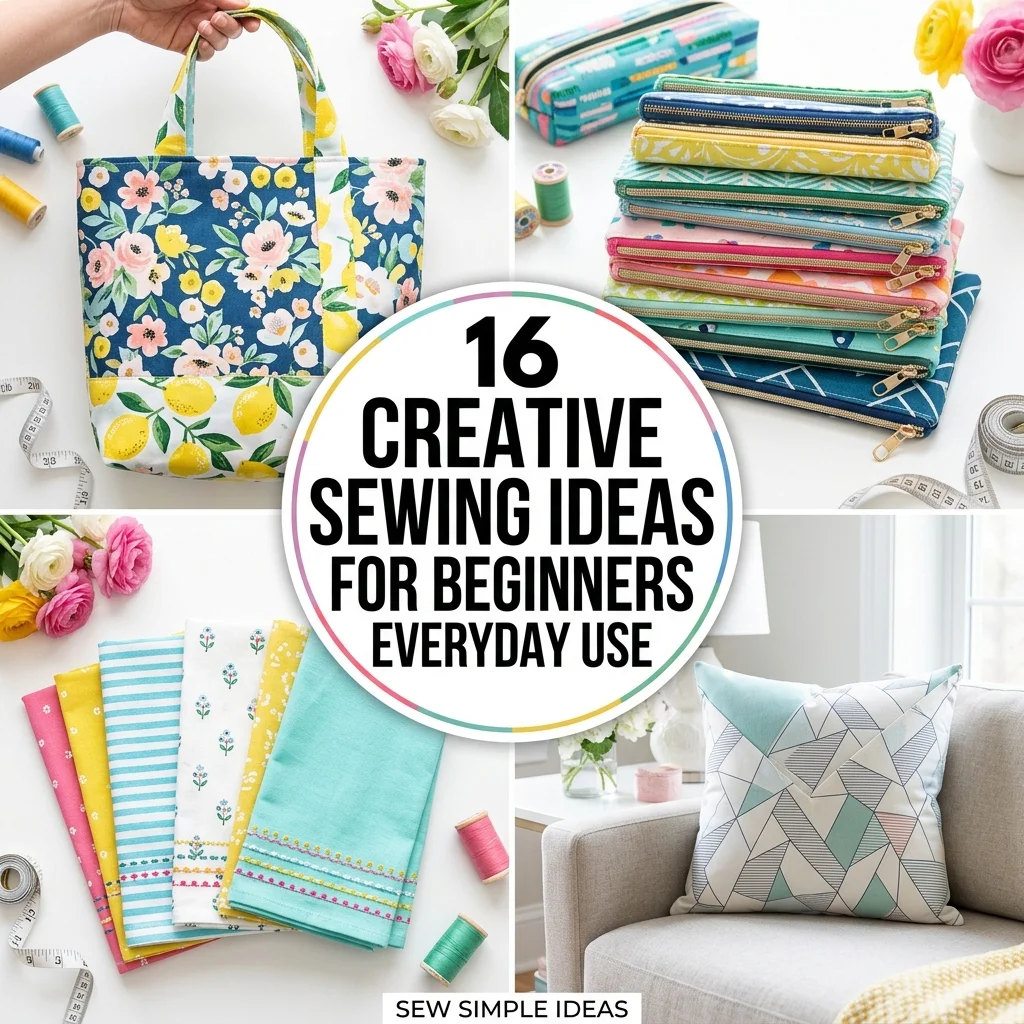
16 Creative Sewing Ideas for Beginners Everyday Use
Introduction
Ready to turn simple fabric into something you’ll actually use every day?
These creative sewing ideas for beginners and everyday use make it easy to start small and create pieces that feel both beautiful and practical.
From reusable bags and storage baskets to cushion covers, organizers, aprons, and handy fabric accessories, these projects are designed to bring more personality into everyday routines. You don’t need advanced sewing skills or complicated patterns to get started. Most ideas rely on approachable techniques, useful materials, and straightforward shapes.
I’ve noticed that the most satisfying beginner projects are often the ones that solve a real problem. When something you sew helps organize a drawer, refresh a room, or simplify a daily task, every stitch feels worthwhile. Whether you have a sewing machine, basic supplies, or a collection of fabric scraps waiting for a purpose, these ideas can help you create something useful while building confidence along the way.
Fabric Storage Baskets
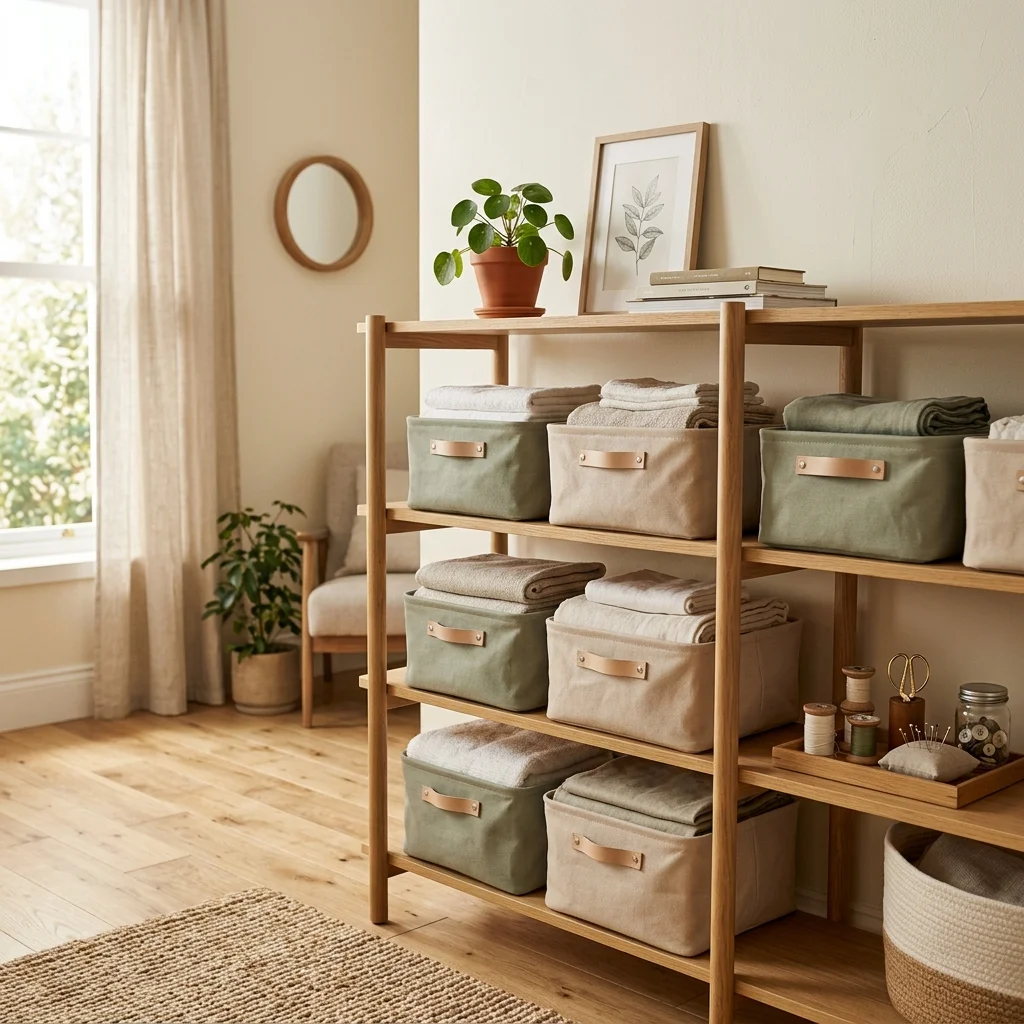
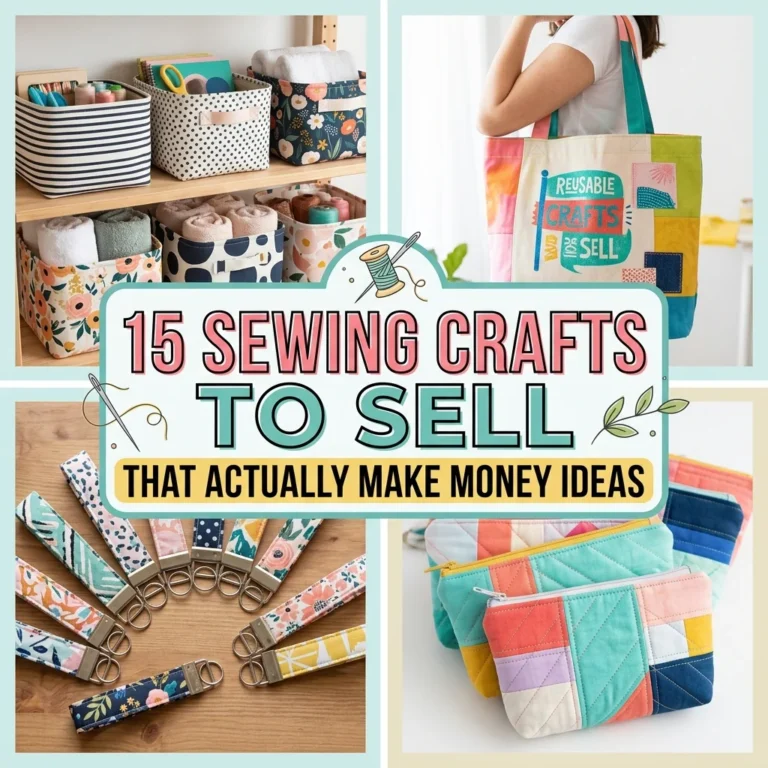
Here’s a simple sewing project that can instantly make everyday storage look more intentional. Fabric baskets are useful for organizing yarn, sewing supplies, towels, toys, accessories, or small household items without relying on plastic containers. I’ve noticed that matching fabric baskets can make open shelving feel calmer because they hide visual clutter while adding softness and color. Beginners can start with a small rectangular basket before trying larger versions. Choose washable fabric when the basket will hold frequently handled items. A sturdy base also helps the finished piece stand neatly instead of collapsing when empty.
Small details can make these organizers feel surprisingly polished. Try adding a contrasting lining, a folded cuff, or two short fabric handles for easier carrying. Neutral fabrics create a quiet look, while floral, striped, or geometric prints can bring personality to a plain shelf. These baskets are also easy to customize for different rooms. A smaller version can hold hair accessories in a bedroom, while a wider basket works beautifully for folded blankets. The best part is that the project teaches useful sewing skills, including straight seams, turning corners, pressing, and creating clean edges without feeling overly complicated.
Reusable Fabric Napkins
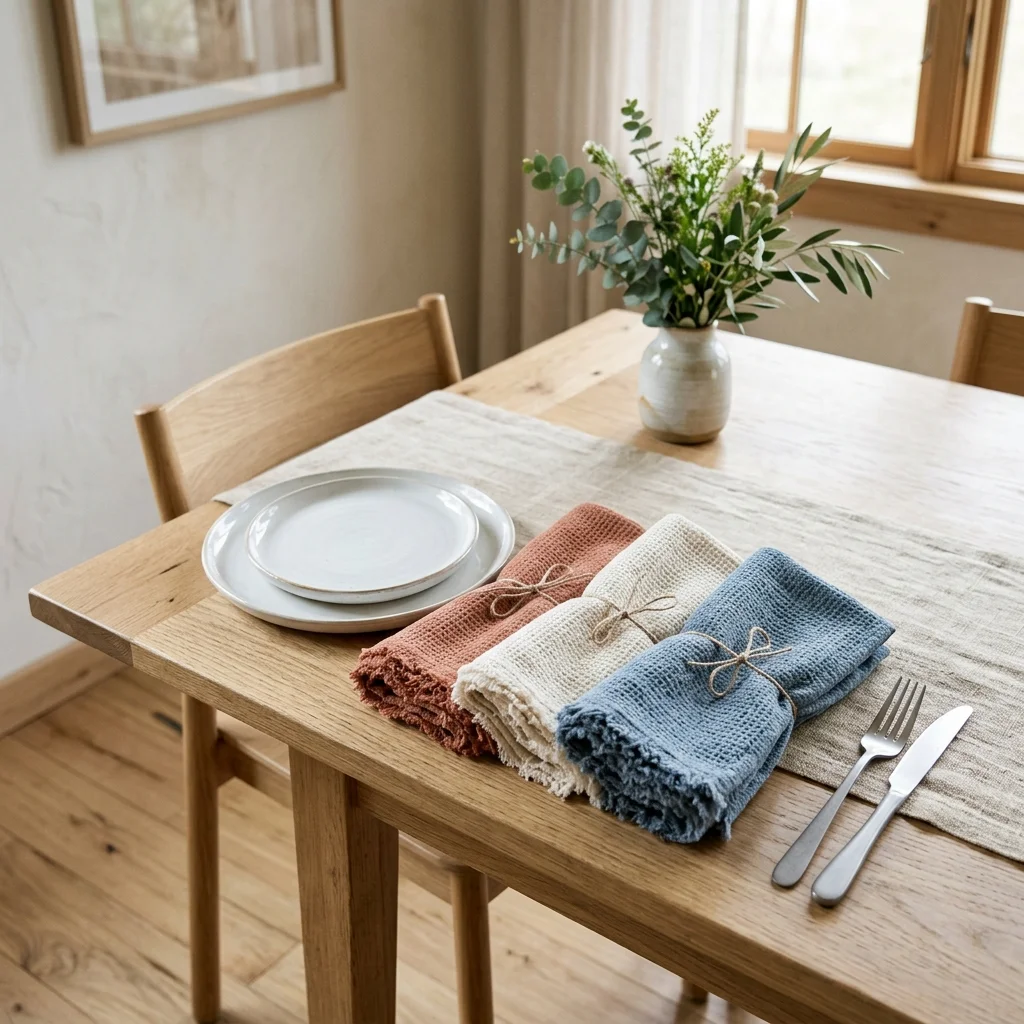
Fresh fabric napkins can make an ordinary table setting feel thoughtfully styled with almost no effort. They are especially useful for beginners because the project relies on straightforward cutting, pressing, and hemming rather than complicated construction. In my experience, using coordinated colors makes handmade napkins look much more expensive than they actually are. Cotton is an excellent starting fabric because it is comfortable, washable, and available in countless prints. Before sewing, wash and dry the fabric according to its care instructions. This simple step helps prevent unexpected shrinking after the napkins are finished.
A small collection can become one of the most practical handmade additions in your kitchen. Choose seasonal patterns for gatherings, earthy tones for everyday meals, or classic stripes that work throughout the year. You can also make the napkins slightly larger if you prefer a relaxed drape or smaller for casual breakfasts. Neatly pressed hems create a crisp appearance, while decorative topstitching adds subtle personality. Once you become comfortable with this project, it is easy to repeat the same construction with different fabrics. That makes it an affordable way to refresh your table whenever your decorating style changes.
Simple Tote Bags
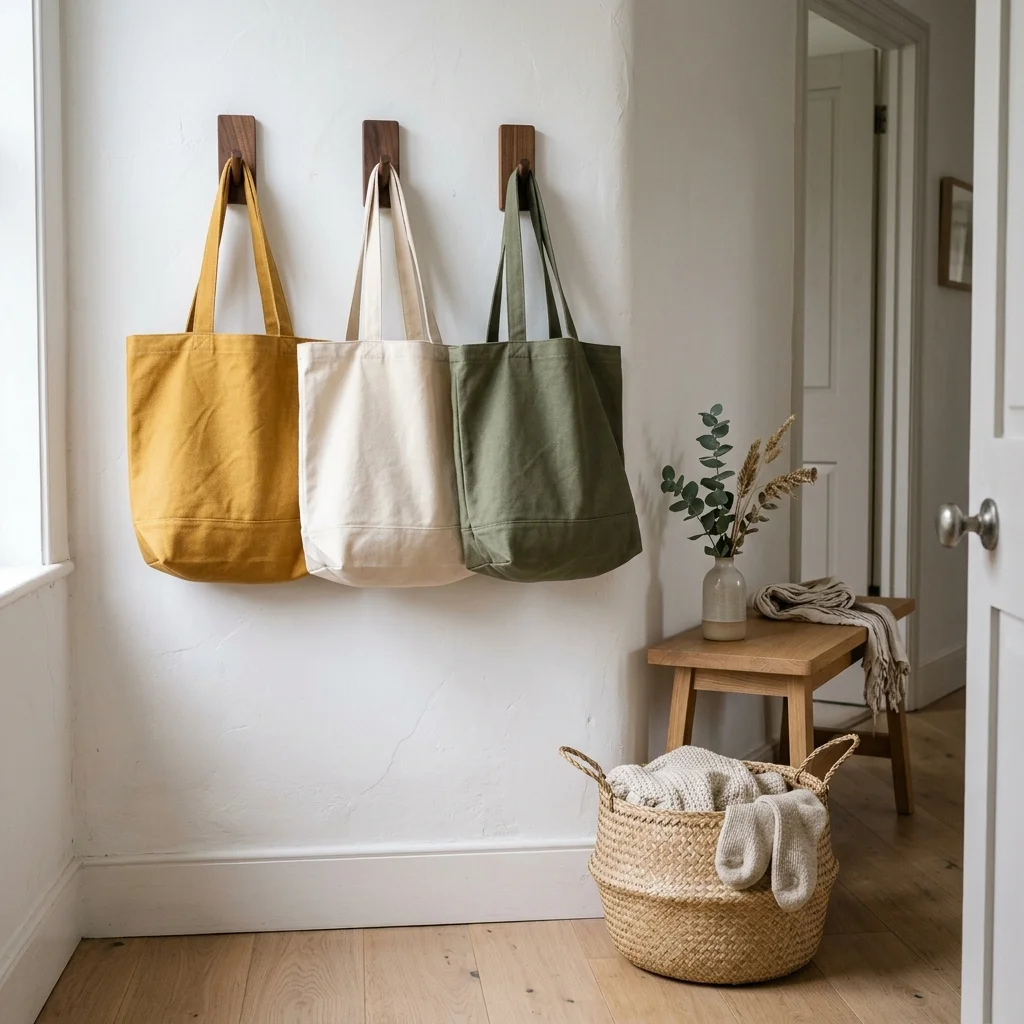
A handmade tote is one of those projects that quickly moves from the sewing table into everyday life. It can carry groceries, books, craft supplies, beach essentials, or anything else that tends to accumulate during a busy day. Beginners can keep the first version simple with a rectangular body and two fabric handles. Strong seams matter more than decorative details, especially when the bag will carry heavier items. I’ve seen simple canvas totes become regular favorites because they are comfortable to use and easy to wash. Choose a fabric with enough weight to hold its shape without becoming difficult to sew.
Once the basic construction feels comfortable, small upgrades can make the tote much more useful. Add a lined interior for a cleaner finish, a flat pocket for your phone, or a magnetic snap for extra security. You can also experiment with handle lengths depending on whether the bag will be carried by hand or over the shoulder. Color-blocking is another easy way to create a designer-inspired appearance without complicated techniques. A neutral body paired with a patterned pocket or contrasting straps can transform a basic project into something distinctive, practical, and genuinely enjoyable to carry.
Wall Pocket Organizer
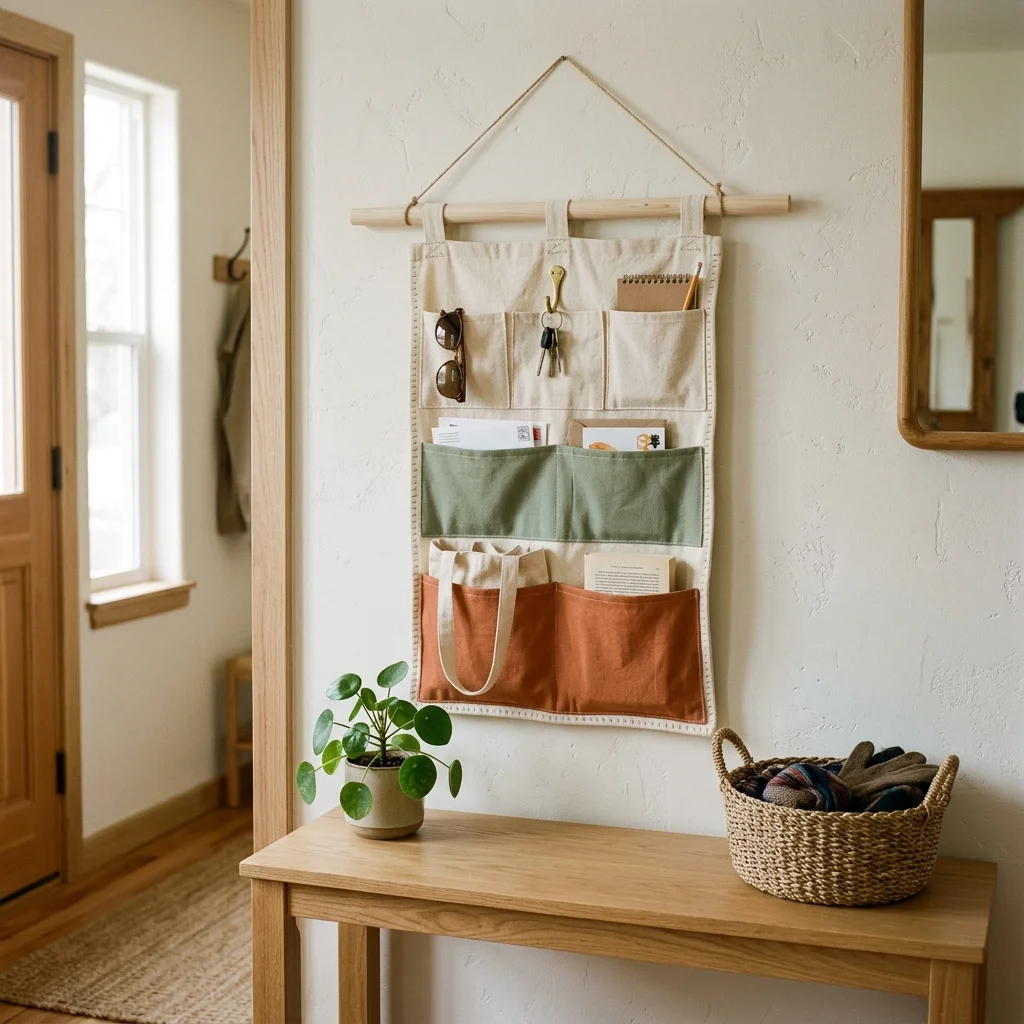
Give your entryway a softer welcome with a handmade fabric organizer that keeps small essentials within easy reach. A wall-mounted pocket organizer can hold keys, sunglasses, mail, charging cords, or sewing notions without taking up valuable surface space. For beginners, it offers useful practice with straight seams, layered fabrics, and simple pockets. I’ve noticed that sturdy cotton or canvas gives these organizers a cleaner shape and helps pockets stay useful over time. Choose a calm base color if the organizer will remain visible, then add small patterned sections for personality without making the wall feel busy.
A well-placed organizer can turn a forgotten wall into one of the most useful areas in a room. Create several pockets in different sizes so each item has a natural home, then add a fabric loop or wooden dowel for easy hanging. This project works beautifully near an entry door, desk, craft corner, or laundry area. Use interfacing when you want extra structure, especially for larger pockets. Decorative stitching can provide a finished look without complicated techniques. Once complete, the organizer helps reduce scattered clutter while adding handmade texture that makes an otherwise plain wall feel intentional.
Cushion Covers
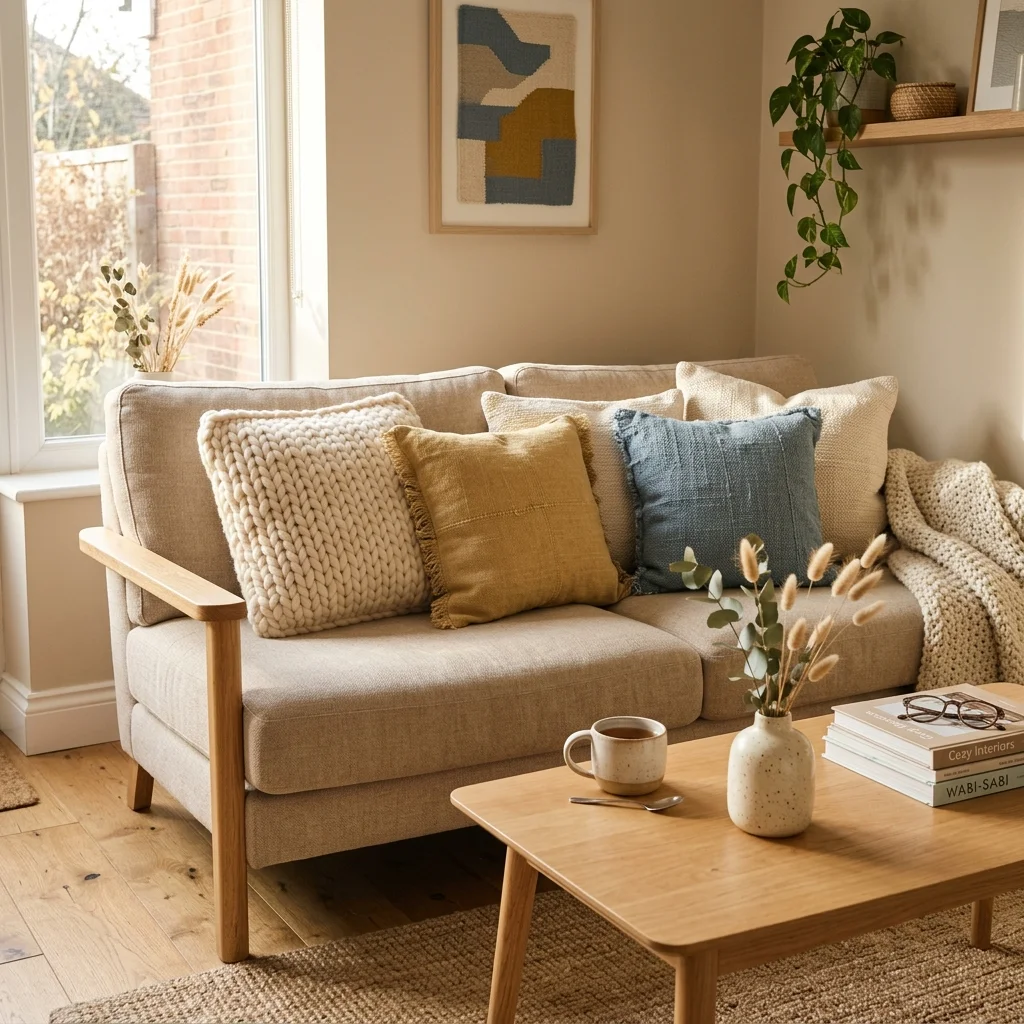
A fresh cushion cover can change the entire personality of a room without requiring new furniture. This makes it an excellent beginner project and an easy way to practice accurate measuring, pressing, and straight stitching. Choose fabric that complements the existing sofa, rug, or curtains instead of matching everything exactly. In my experience, combining one solid color with one small-scale pattern creates a more relaxed and collected appearance. Envelope closures are particularly beginner-friendly because they avoid complicated zippers. They also make the covers easy to remove whenever they need washing or when you simply want to update the room.
Small changes in texture can make handmade cushions look especially inviting. Try linen-look cotton for a relaxed appearance, brushed fabric for extra softness, or a simple geometric print for a more modern accent. If your room already contains several patterns, a solid cover can provide visual breathing space. You can also vary the cushion sizes to create a fuller arrangement on a sofa or reading chair. Once the basic cover becomes comfortable to sew, experiment with piping, decorative stitching, or fabric appliqué. These details add personality while keeping the underlying construction simple and practical for everyday living.
Reusable Produce Bags
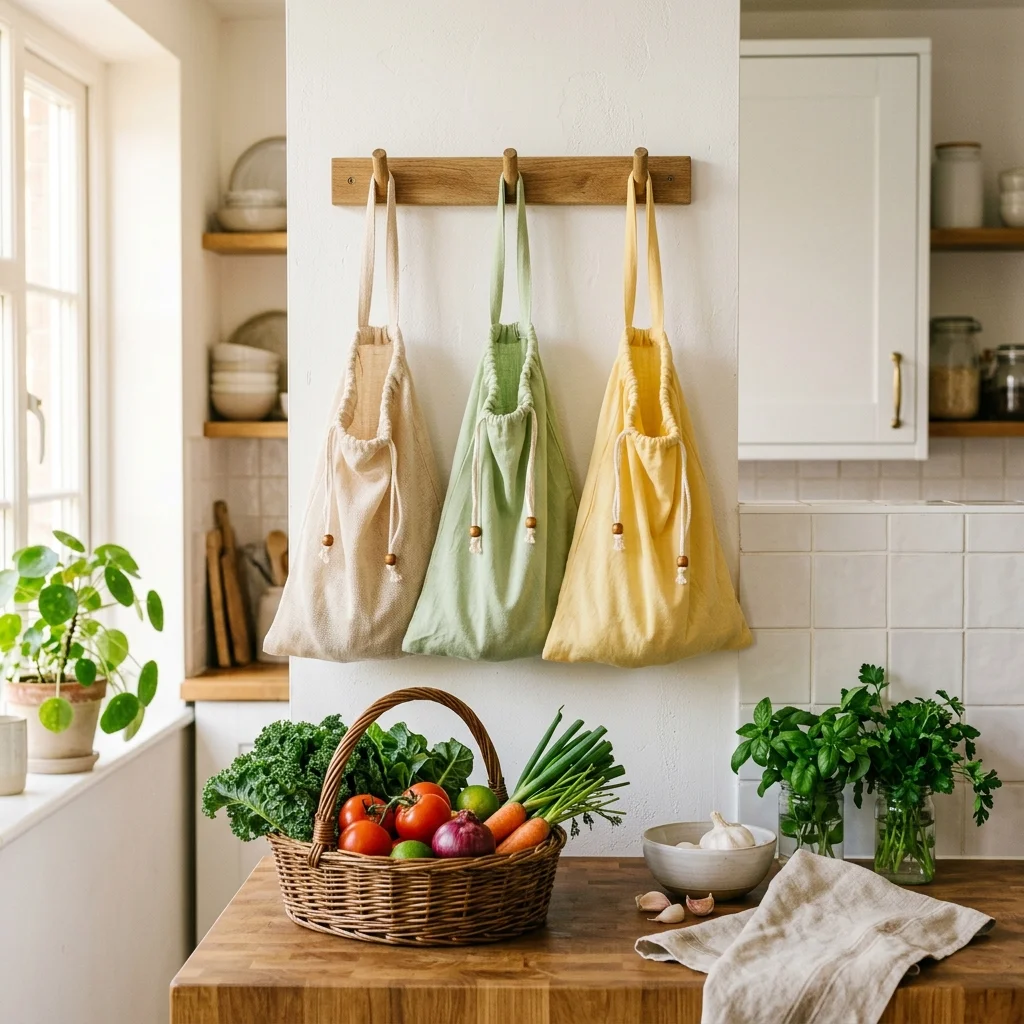
at turns small pieces of fabric into something useful for regular shopping trips. They are simple enough for beginners while introducing helpful skills such as making casings, sewing narrow hems, and working with lightweight materials. Cotton muslin, lightweight canvas, or suitable mesh can work well depending on what you plan to carry. I’ve found that making several bags at once is more convenient than creating a single oversized version. Different sizes can separate leafy greens, smaller fruits, or loose pantry items while keeping your shopping routine more organized.
The finished bags can also bring a surprisingly attractive handmade touch to your kitchen storage. Keep them together in a small fabric pouch or hang them from a hook near your reusable shopping bags. Natural fabrics create a simple, understated appearance, while tiny prints can make the project more playful. Before choosing fabric, consider how easily it can be washed and dried. A sturdy drawstring keeps contents secure without adding complicated hardware. With a few basic measurements and repeated straight seams, beginners can create a useful collection that feels practical, lightweight, and easy to maintain.
Fabric Plant Covers
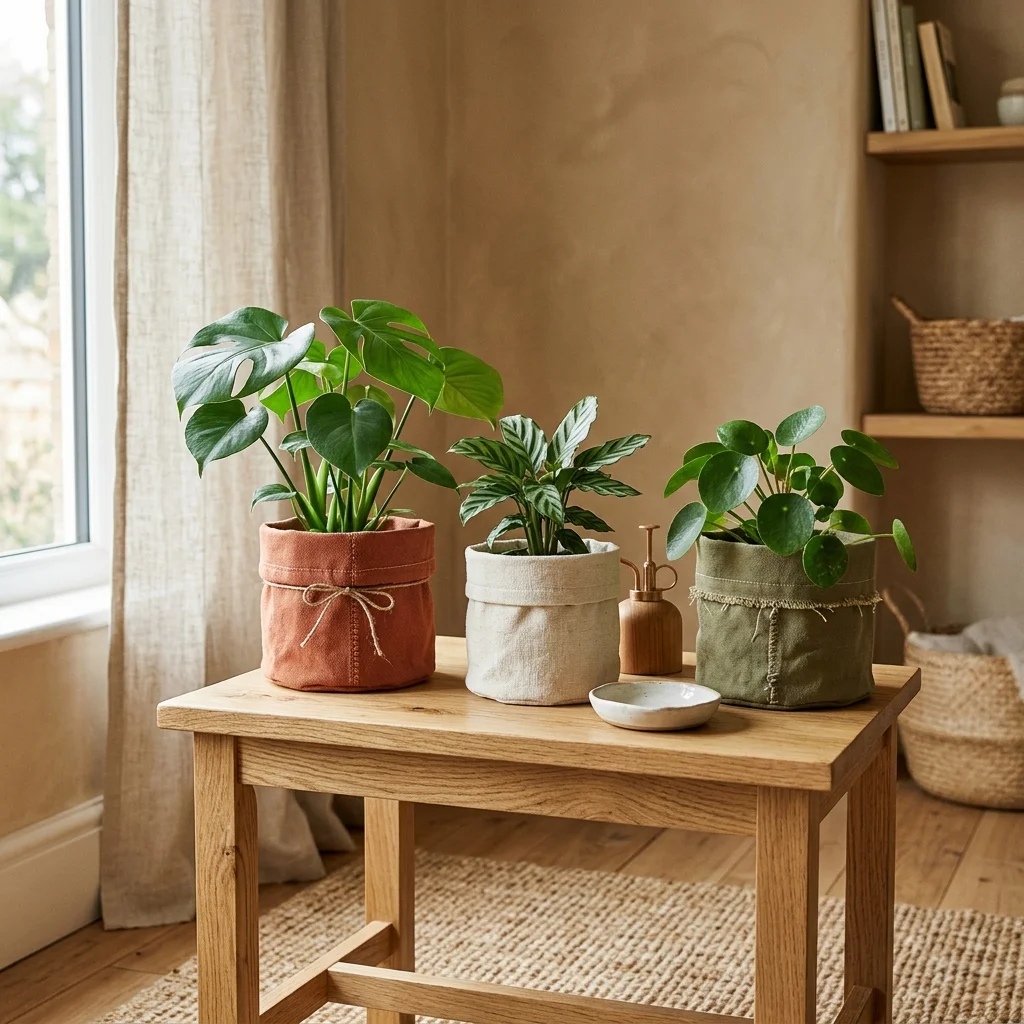
Turn ordinary plant pots into softer decorative accents with simple fabric covers that add color and texture without changing the plants themselves. This project works particularly well for beginners because the construction can remain uncomplicated while still producing a noticeable visual difference. Cotton, linen blends, or lightweight canvas can create different levels of structure and texture. I’ve noticed that neutral fabric works especially well when the plants already have bold foliage. For a more playful room, small florals, checks, or botanical prints can echo the greenery and create a cohesive arrangement around shelves, windows, or side tables.
A collection of coordinated covers can make several mismatched pots feel like part of the same decorating scheme. Measure carefully around each pot, leaving enough room for easy removal and watering access. If the fabric feels too soft, lightweight interfacing can provide additional body without making the project difficult to sew. Consider adding a folded top edge for a cleaner finish and a subtle contrast between fabric layers. These covers are also easy to switch seasonally, allowing the same plants to look completely different with new textiles. Keep drainage areas unobstructed so decorative styling never interferes with plant care.
Simple Table Runner
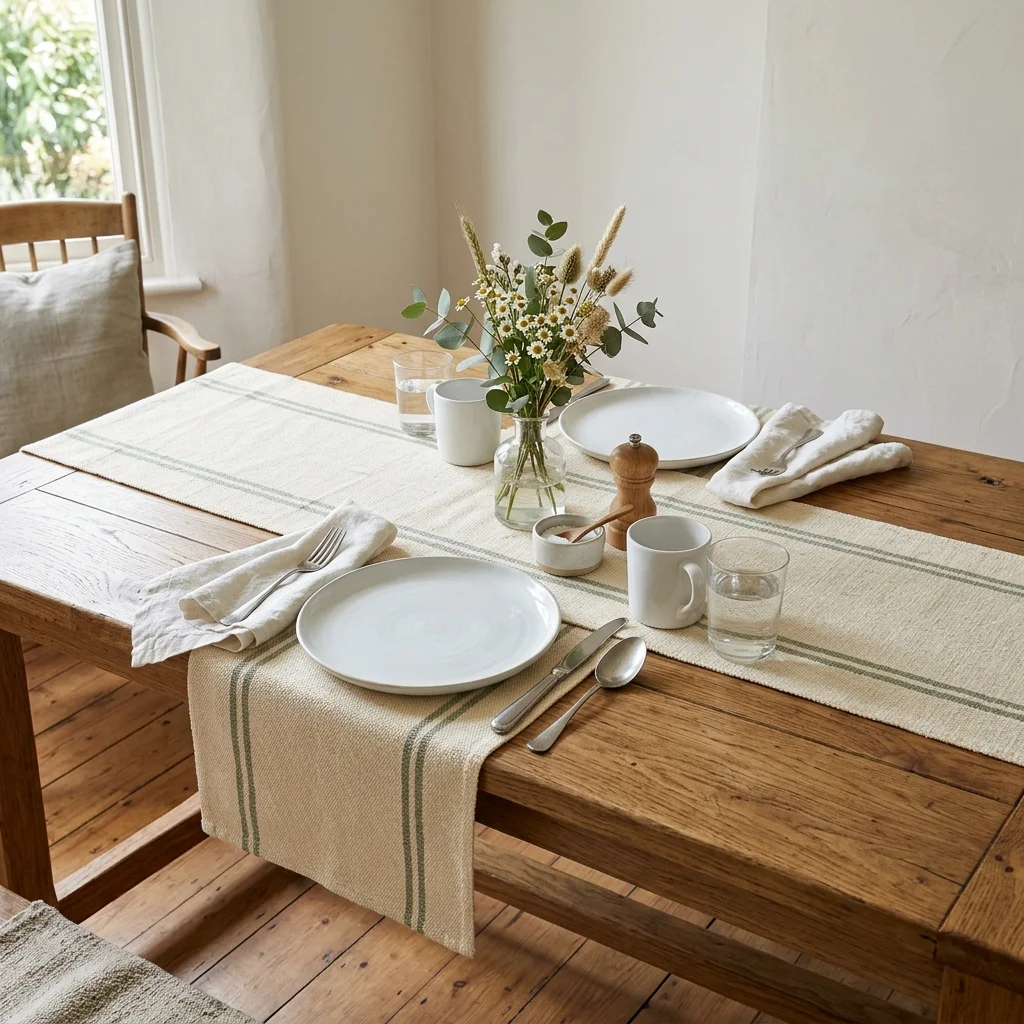
A handmade table runner can make a dining space feel styled and welcoming with surprisingly little sewing. It is an excellent beginner project because the basic shape requires mostly accurate cutting, pressing, and straight stitching. Choose a fabric that complements your existing plates, chairs, or centerpiece rather than competing with them. Neutral cotton works beautifully for everyday meals, while a subtle stripe or botanical print can add character. In my experience, a well-pressed runner often looks more polished than one covered in complicated decorative details. Taking time with the edges makes a noticeable difference in the finished appearance.
The runner can also become a flexible decorating piece that changes with the occasion. Add candles and simple ceramics for dinner, a vase of flowers for brunch, or seasonal accents when entertaining guests. For everyday use, select a washable fabric that can handle regular spills and laundering. You can make the runner narrow for a minimalist table or wider when you want more visual impact. Once the basic version is complete, matching placemats or napkins can be made from coordinating fabric. This creates a cohesive table setting while allowing you to build sewing confidence one manageable project at a time.
Cord Organizer Wraps
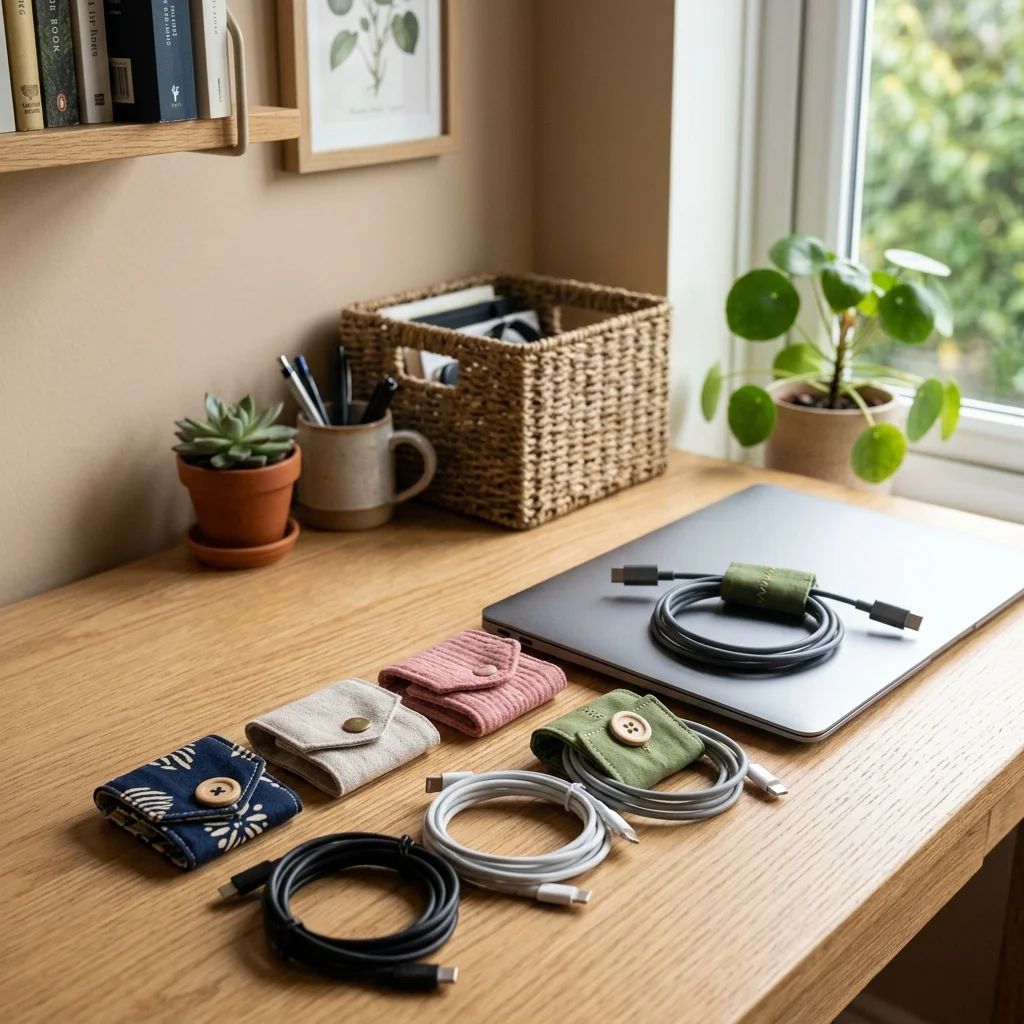
Tiny fabric projects can solve surprisingly annoying everyday problems, and cord wraps are a perfect example. They keep charging cables, earbuds, computer cords, and small wires from turning into tangled bundles inside drawers or bags. Beginners can make them from leftover fabric, making this a useful scrap-friendly project. Simple rectangular strips require minimal cutting, while a snap, button, or hook-and-loop closure keeps the wrap securely around the cable. I’ve found that using different colors makes it much easier to identify cords quickly. A little organization here can save several minutes of frustration during busy mornings.
These wraps are also an easy opportunity to experiment with fabric combinations and small decorative details. Use contrasting stitching, tiny labels, or patterned scraps to make each one distinctive. Keep the finished wraps compact enough to fit comfortably around different cable thicknesses without forcing the closure. A small collection can organize an entire desk drawer, travel pouch, or electronics basket. Because the pieces are quick to sew, they are ideal for practicing consistent seams before moving on to larger projects. They also demonstrate how even simple handmade accessories can make everyday routines feel cleaner, calmer, and more organized.
Fabric Book Sleeve
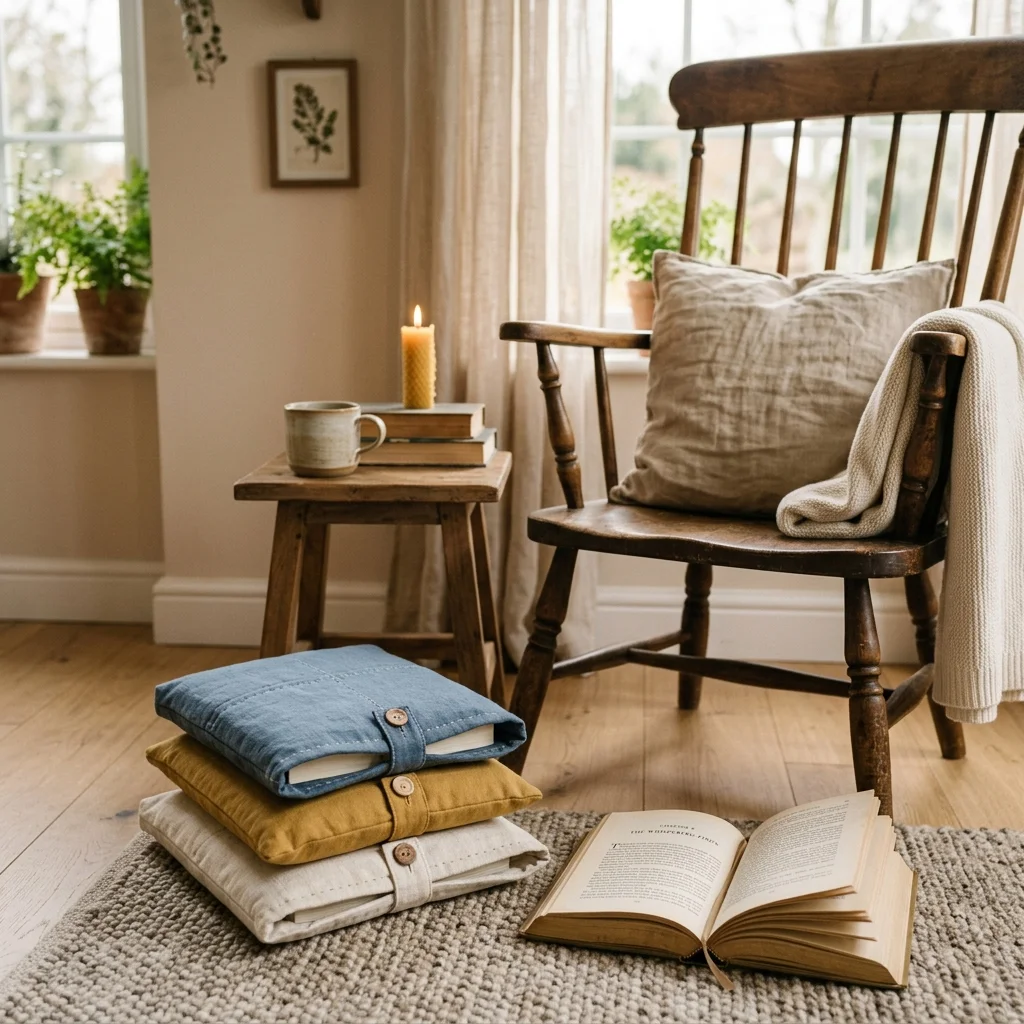
Protect favorite books while adding a handmade accessory that feels personal and practical. A fabric book sleeve is a manageable beginner project because its basic construction uses simple rectangular pieces and straight seams. Lightweight padding can provide extra protection without making the sleeve bulky. Choose cotton for easy handling, then personalize the outside with stripes, florals, or a favorite solid shade. In my experience, adding a lining makes even a simple sleeve feel much more finished. Measure the book carefully before cutting so the finished cover provides enough room without becoming loose or awkward to carry.
A thoughtfully made sleeve can become especially useful for commuting, studying, traveling, or keeping books protected inside a larger bag. Add a small exterior pocket for bookmarks, reading notes, or a pen to make the design more functional. A button, snap, or simple elastic closure can help keep the book securely inside. You can also make several sleeves in different colors for different books or family members. This project offers plenty of room for creativity without requiring advanced sewing techniques. Once finished, it gives an ordinary reading routine a practical handmade detail that feels useful every day.
Hanging Kitchen Towels
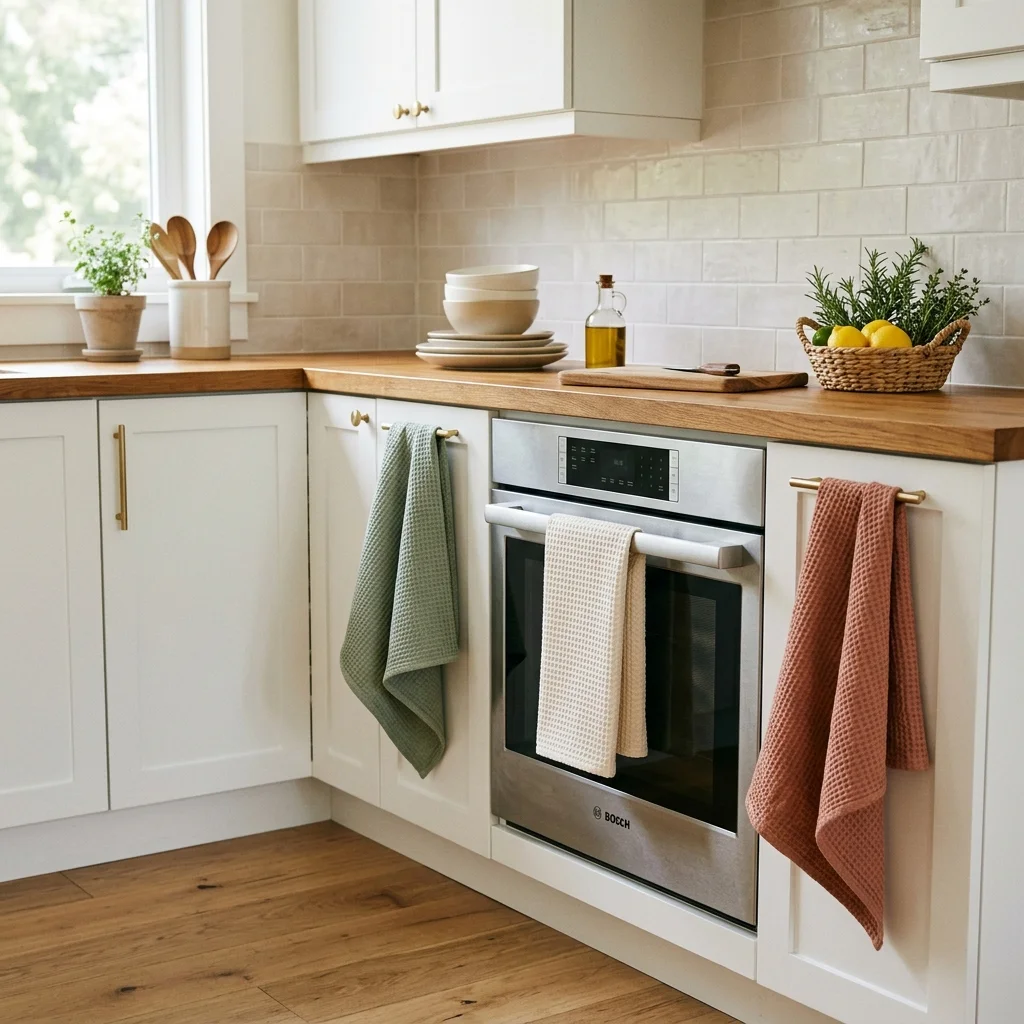
Kitchen towels are small, but they can make a room feel more coordinated when their colors and textures work together. Sewing your own versions is beginner-friendly and allows you to choose exactly the size and fabric you need. Absorbent cotton is a practical choice for drying dishes and wiping counters, while a linen blend can provide a lighter, more textured appearance. I’ve noticed that simple towels often look more intentional when finished with a contrasting border or hanging loop. Keep the design functional first, especially if the towels will be washed frequently and used throughout the day.
A few coordinated towels can refresh a kitchen without requiring expensive decorative changes. Choose colors that connect visually with your curtains, rugs, dishes, or cabinet hardware, then introduce one patterned towel for contrast. A fabric loop makes hanging easier and prevents towels from slipping onto counters or floors. If you have fabric remnants from another project, they can become attractive trim or decorative tabs. Wash the finished towels before regular use to remove manufacturing finishes and reveal their true texture. With only basic sewing skills, you can create useful kitchen textiles that combine everyday convenience with a clean handmade appearance.
Easy Aprons
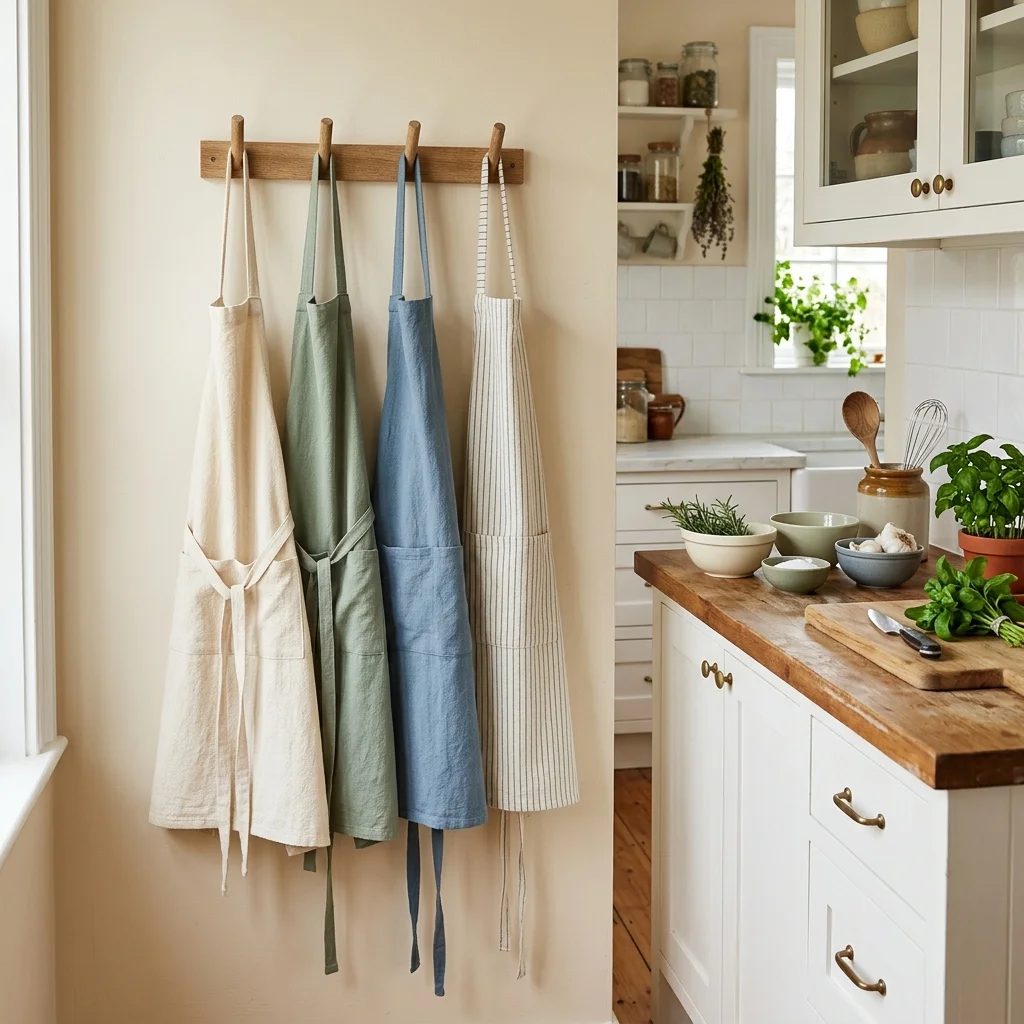
A simple apron is a practical sewing project that can build confidence while creating something you will actually use. The basic design can be made from a few carefully measured fabric pieces, making it approachable for beginners who are still learning construction techniques. Cotton is an excellent choice because it is comfortable, washable, and available in many colors and patterns. I’ve seen simple aprons become especially useful when they include one generously sized pocket. That small addition can hold a spoon, recipe card, clothespins, or other lightweight items while cooking, gardening, or working on crafts.
The beauty of making your own apron is the ability to adjust the proportions to suit your routine. Choose a longer design for more coverage or a shorter version for lighter kitchen tasks. Wide waist ties can create a comfortable fit while also becoming an attractive design detail. Add a contrasting pocket, simple topstitching, or a patterned waistband if you want more personality without complicated techniques. Hang finished aprons on visible hooks so they become part of the kitchen decor rather than something hidden away. A useful handmade apron can combine comfort, protection, organization, and personal style in one approachable project.
Fabric Storage Pouches
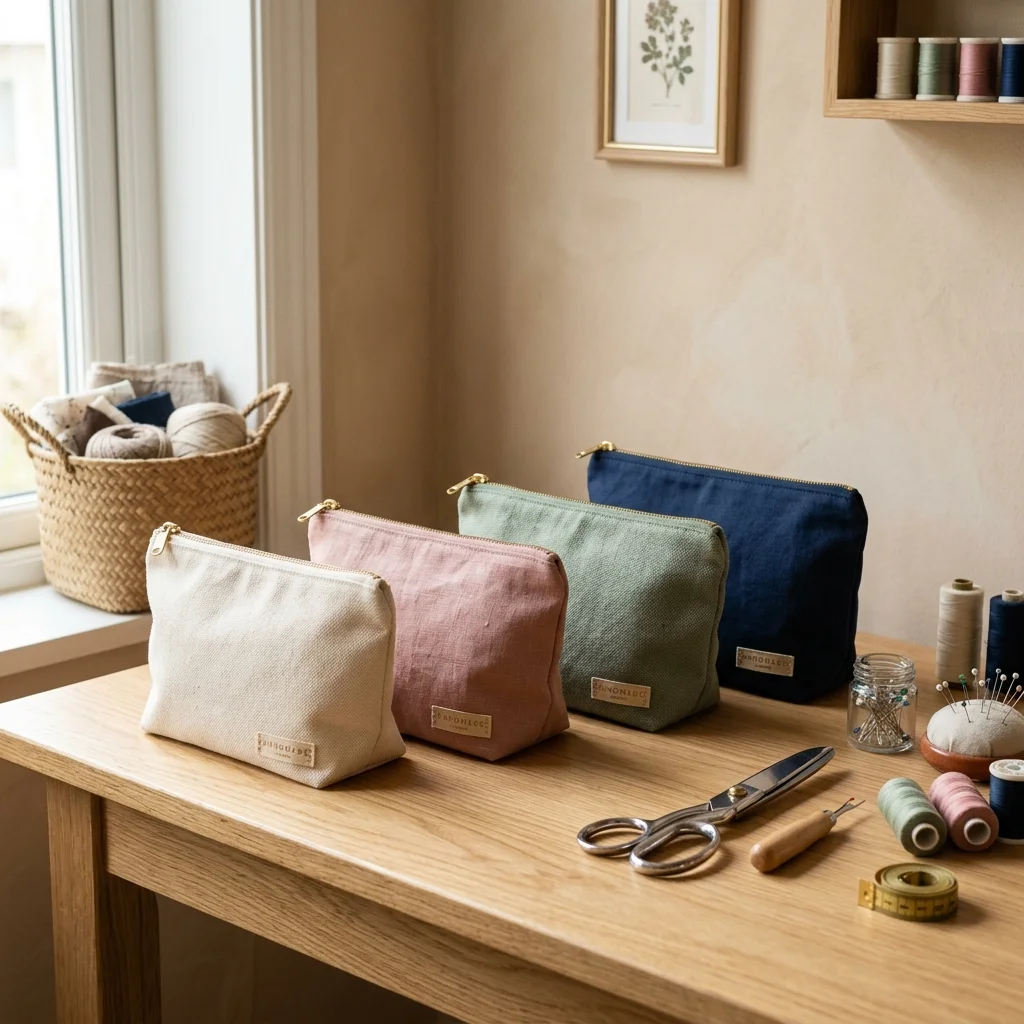
Small fabric pouches are one of the easiest ways to turn leftover materials into useful everyday storage. They can hold makeup, stationery, sewing notions, chargers, travel essentials, or small personal items that often disappear inside larger bags. Beginners can start with a simple rectangular shape and gradually experiment with zippers, boxed corners, or inner pockets. I’ve noticed that adding a lining makes even a basic pouch feel more professional and helps the fabric keep its shape. Choose medium-weight cotton for your first attempt because it is forgiving, easy to press, and available in countless colors and prints.
A collection of pouches can also make drawers and bags feel much more organized. Create several sizes and assign each one a specific purpose, such as craft supplies, electronics, toiletries, or stationery. Matching fabrics can create a coordinated set, while contrasting prints make individual pouches easier to identify. If zippers feel intimidating, begin with a flap and snap closure before progressing to zippered designs. Adding a small fabric loop can make the pouch easier to grab from a crowded tote. These projects are quick enough to repeat often, helping beginners build confidence through useful results rather than complicated techniques.
Chair Seat Cushions
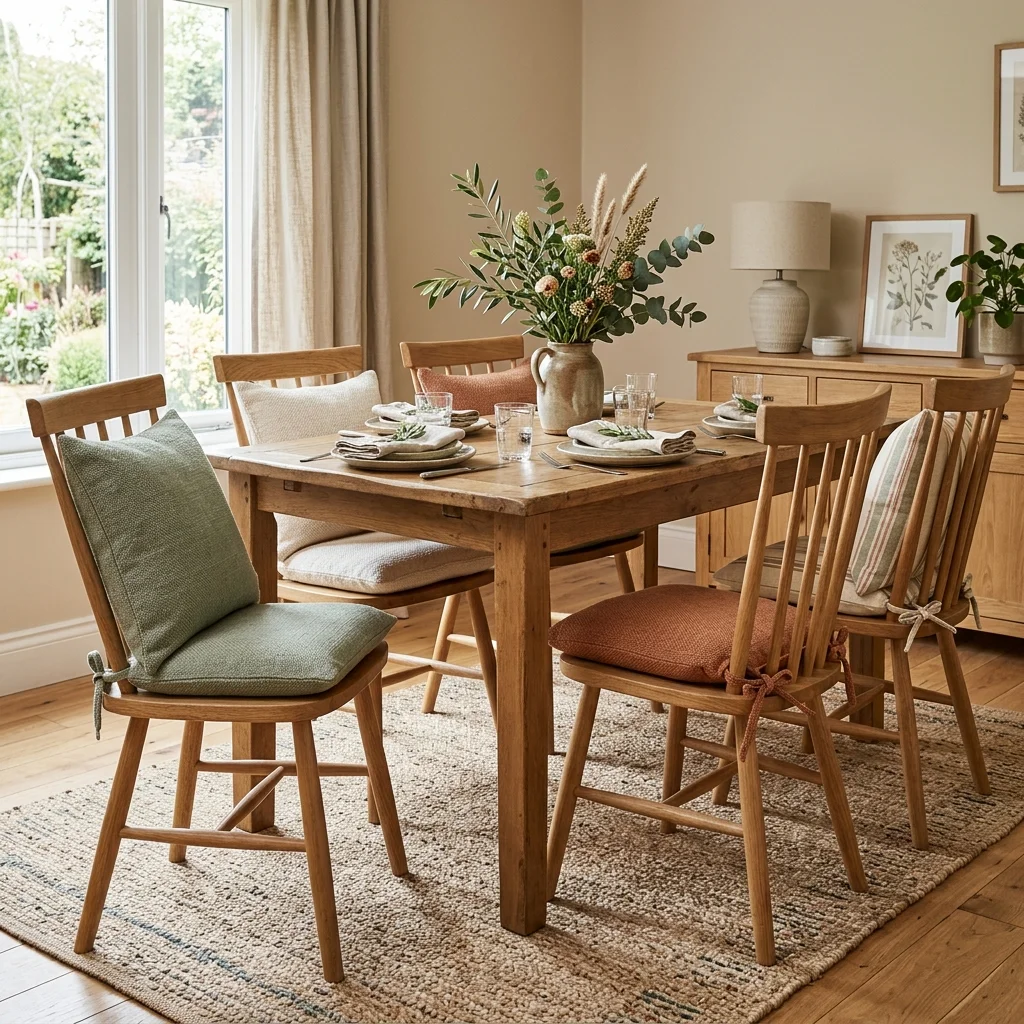
A simple seat cushion can make hard dining chairs more comfortable while giving the room an easy decorative refresh. For beginners, cushion covers offer useful practice with measuring, seam allowances, pressing, and simple closures. Choose a durable fabric that can handle regular use, especially around a dining table. Foam or suitable cushion inserts provide structure, while a removable cover makes cleaning much easier. In my experience, coordinating cushion fabrics with nearby curtains or table textiles creates a more unified room without making everything look overly matched. Accurate measurements are especially important because even a small sizing mistake can affect how neatly the cushion sits.
The visual transformation can be subtle but surprisingly effective. A row of matching cushions makes separate chairs feel like a coordinated set, while alternating colors can create a relaxed collected look. Add ties at the back if the cushions tend to move during use, particularly on smooth wooden seats. For extra personality, choose a small-scale print or decorative topstitching around the edges. You can also make seasonal covers and reuse the same inserts throughout the year. This approach keeps the project practical and affordable while allowing your dining space to change with your preferences without replacing the furniture itself.
Simple Fabric Coasters
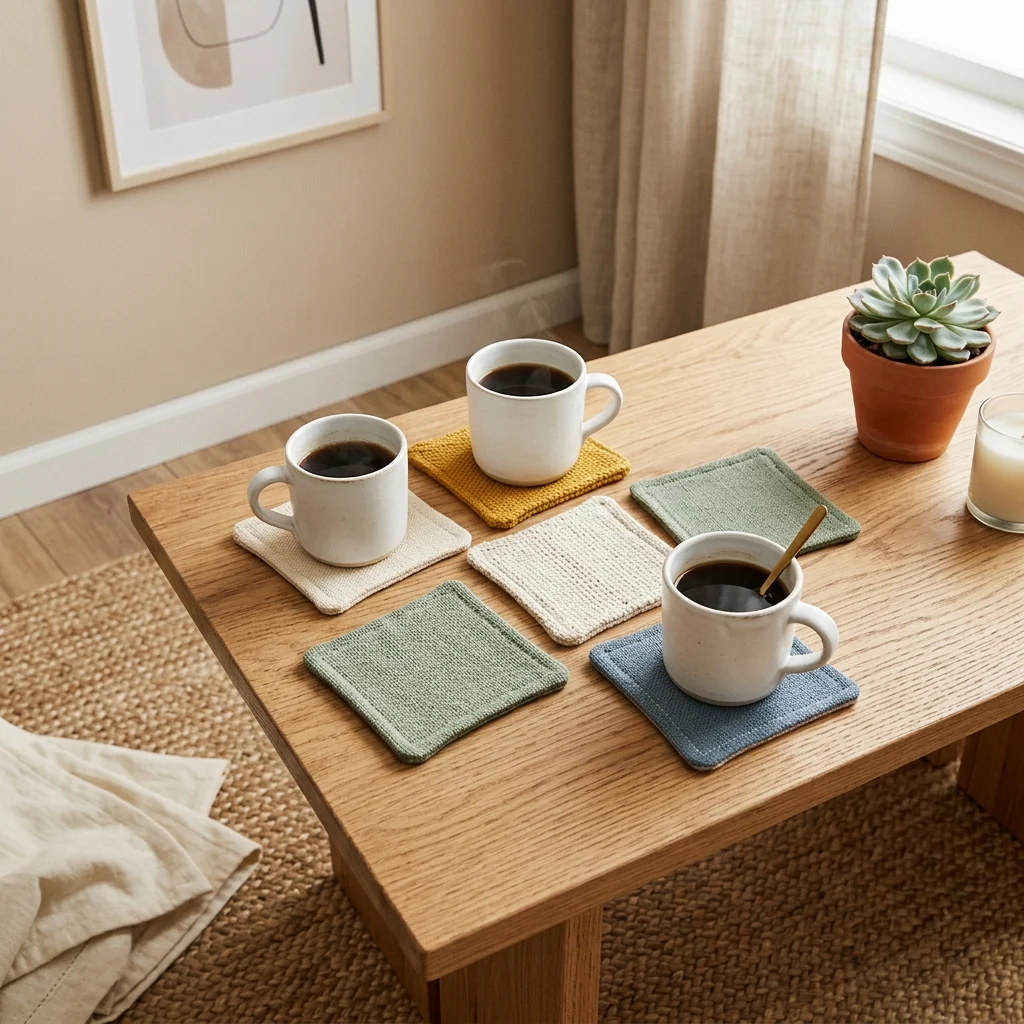
Fabric coasters are tiny projects with a useful purpose, making them ideal for beginners who want quick sewing practice. They require only small fabric pieces, so they are also an excellent way to use scraps left from larger projects. Layer cotton with a thin piece of batting if you want additional thickness and protection for furniture. Simple squares are easiest to begin with, although circles and hexagons can add variety later. I’ve found that using a consistent finished size makes a set look much more polished. Press each piece carefully before final stitching so the edges stay crisp and the layers remain aligned.
A coordinated coaster set can instantly make a coffee table or dining area feel more finished. Choose colors that complement your mugs, dishes, or surrounding textiles, then mix patterns within the same palette for visual interest. Decorative stitching around the perimeter can add a subtle handmade detail without requiring advanced techniques. These are also useful projects for practicing turning, topstitching, and keeping multiple layers neat. Because they are quick to make, beginners can create several sets for different rooms or package them as thoughtful handmade gifts. Small projects like these prove that practical sewing can also create beautiful everyday details.
Fabric Market Bags
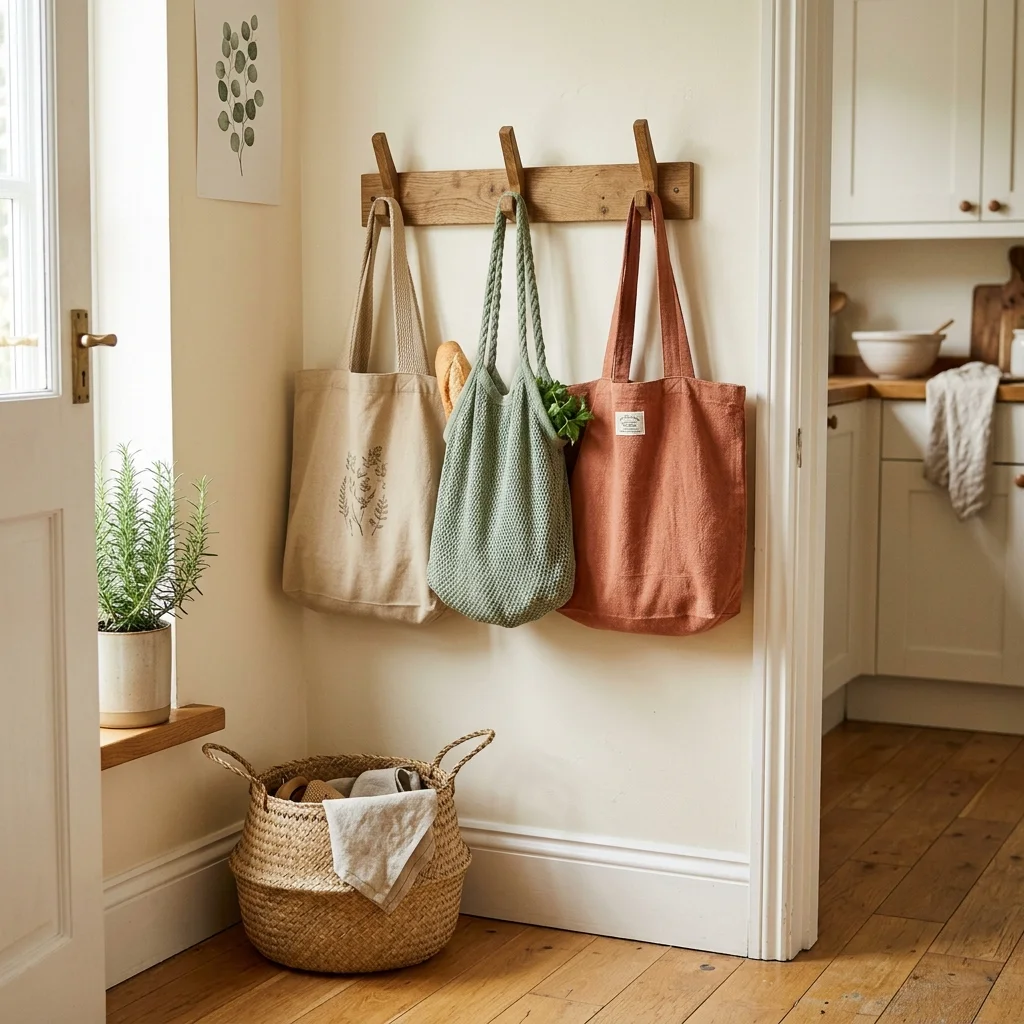
A reusable market bag is a practical project that lets beginners create something useful from the very first stitch. Unlike a decorative item that may spend most of its time on a shelf, a sturdy fabric bag can become part of your regular shopping routine. Cotton canvas works particularly well because it provides strength while remaining manageable under a sewing machine. I’ve noticed that wider handles make a noticeable difference when carrying groceries or household items. Start with a straightforward rectangular design, then add pockets or contrasting panels once you feel comfortable with the basic construction.
A few handmade market bags can also add cheerful color to an otherwise ordinary routine. Keep neutral versions near the kitchen or entryway, then use brighter prints when you want something more playful. A flat base can provide additional stability for bottles, produce, or pantry items, while an interior pocket keeps smaller belongings easy to find. Reinforce the handle attachment points because these areas receive the most stress during regular use. With thoughtful fabric selection and simple construction, this project becomes a durable alternative to disposable shopping bags while giving you another opportunity to practice useful sewing techniques.
Conclusion
Sewing becomes much more rewarding when the finished project has a place in your everyday life. These creative sewing ideas for beginners and everyday use show how simple fabric projects can improve organization, comfort, style, and functionality around the home.
Start with one manageable idea, choose fabrics you genuinely love, and focus on making something useful rather than perfect. Each project gives you another opportunity to practice, experiment, and develop your own creative style. I’ve seen how small handmade additions can completely change the feel of an ordinary space. Save this collection on Pinterest for your next sewing session, try an idea that inspires you, and share it with another beginner who loves making useful things by hand.
Read More : 15 Little Sewing Projects You Can Finish in One Afternoon