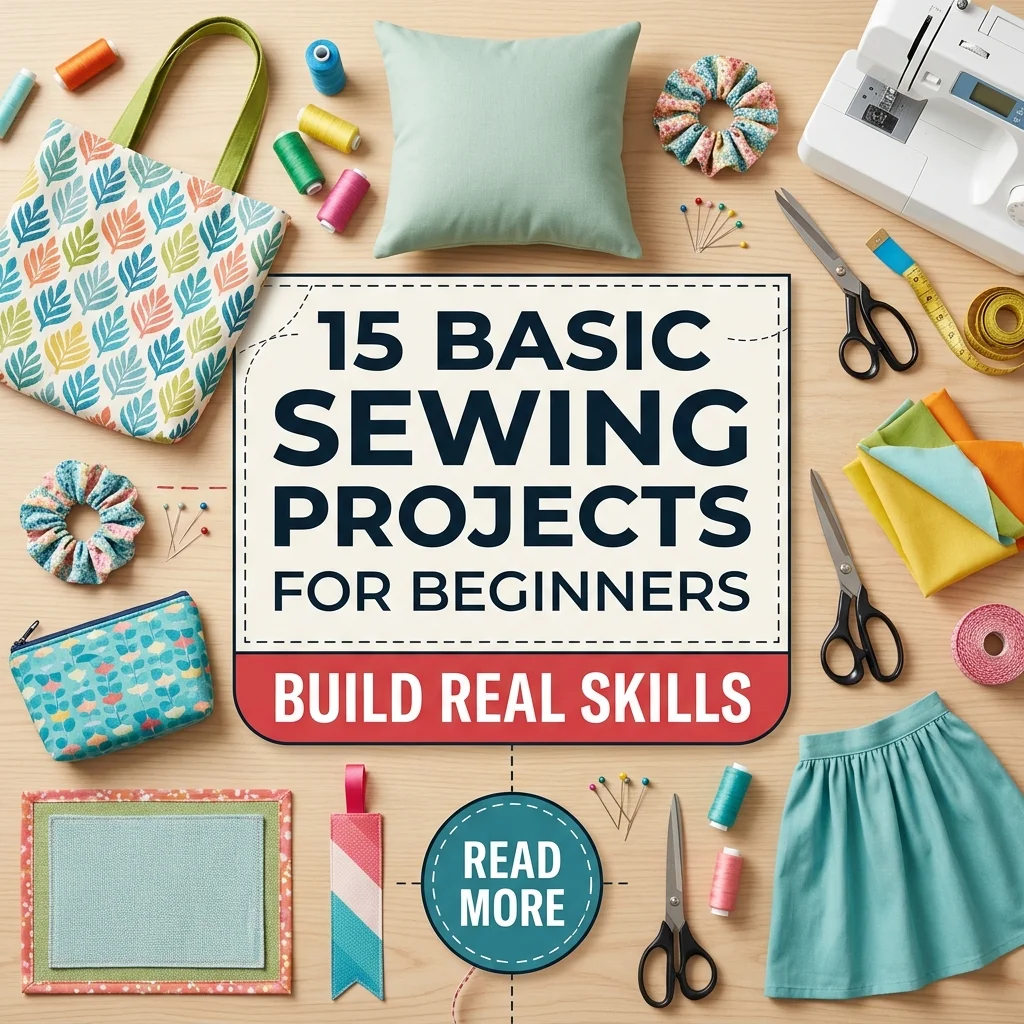
15 Basic Sewing Projects for Beginners Build Real Skills
Introduction
Every great sewing journey starts with one simple project and a willingness to learn. If you’re searching for basic sewing projects for beginners to build real skills, you’re in exactly the right place. Instead of feeling overwhelmed by complicated patterns or advanced techniques, you can begin with practical creations that teach essential skills one step at a time. From useful home décor to everyday accessories and simple garments, each project in this collection is designed to help you grow your confidence while making something you’ll actually use.
One of the biggest challenges for beginners is knowing which projects are worth the time and effort. Starting with the right ideas allows you to practice important techniques like straight stitching, accurate cutting, pressing, hemming, and simple construction without unnecessary frustration. In my experience, completing small, useful projects creates momentum that makes learning feel enjoyable rather than intimidating.
Whether you’re sewing on a brand-new machine or dusting off one that’s been sitting in storage, these beginner-friendly projects will guide you toward steady improvement. As your skills develop, you’ll discover that every finished piece teaches something valuable while inspiring you to tackle even more creative ideas. Save your favorites, gather your fabric, and enjoy building a strong sewing foundation that will support countless handmade projects in the future.
Fabric Bookmark
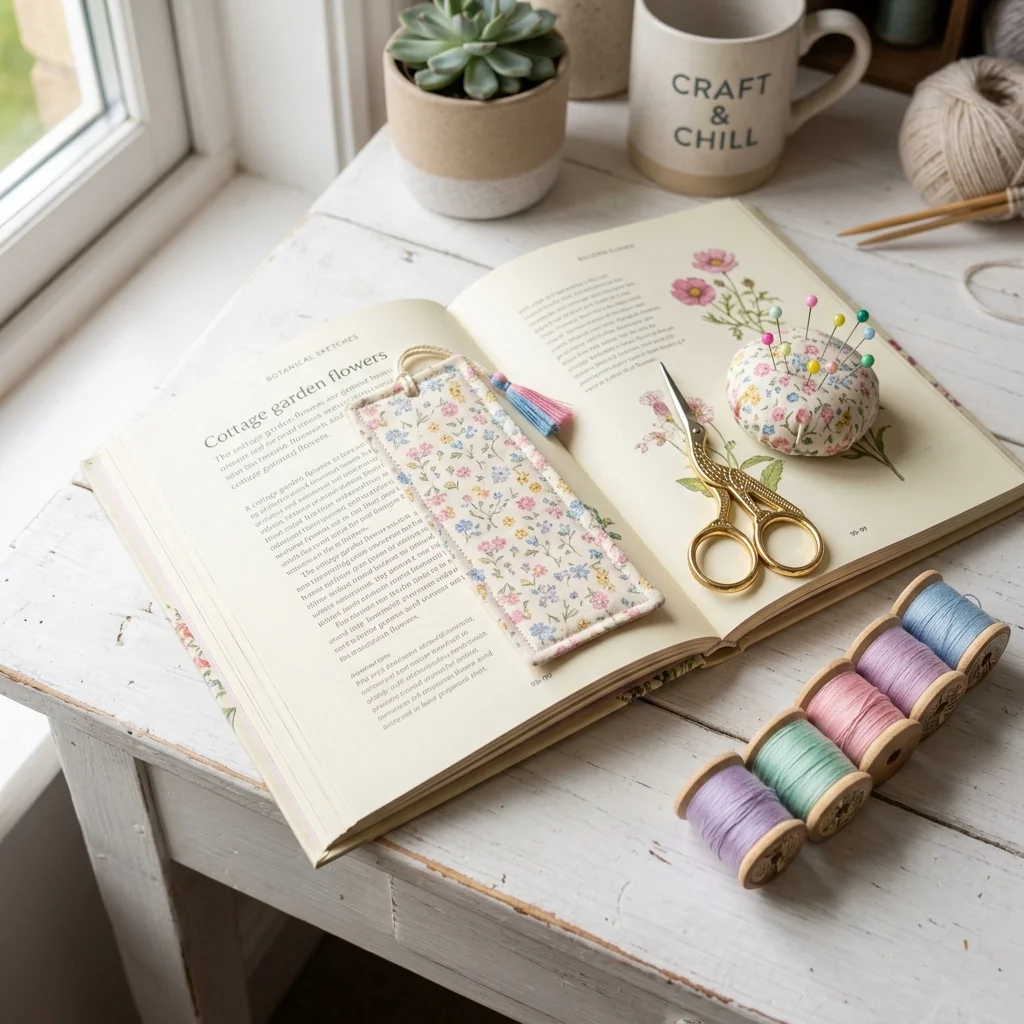
Nothing feels more encouraging than finishing a useful project in under an hour. A fabric bookmark is one of the easiest ways to become comfortable guiding fabric through a sewing machine while learning consistent seam allowances. Because the pieces are small, mistakes feel manageable instead of frustrating. In my experience, beginners gain confidence quickly when they complete something they can use every day. Experiment with colorful cotton prints, decorative topstitching, or ribbon tabs to make each bookmark feel unique without adding unnecessary complexity.
Although the project looks simple, it introduces several essential techniques that appear in larger sewing creations later. You’ll practice cutting accurately, sewing corners, turning fabric right side out, pressing crisp edges, and finishing with clean topstitching. Those skills become the foundation for bags, home décor, and clothing projects. I’ve noticed that repeating these small steps develops muscle memory surprisingly fast. The finished bookmark also serves as a reminder of your progress, encouraging you to keep exploring more creative sewing ideas with growing confidence.
Simple Pillow Cover
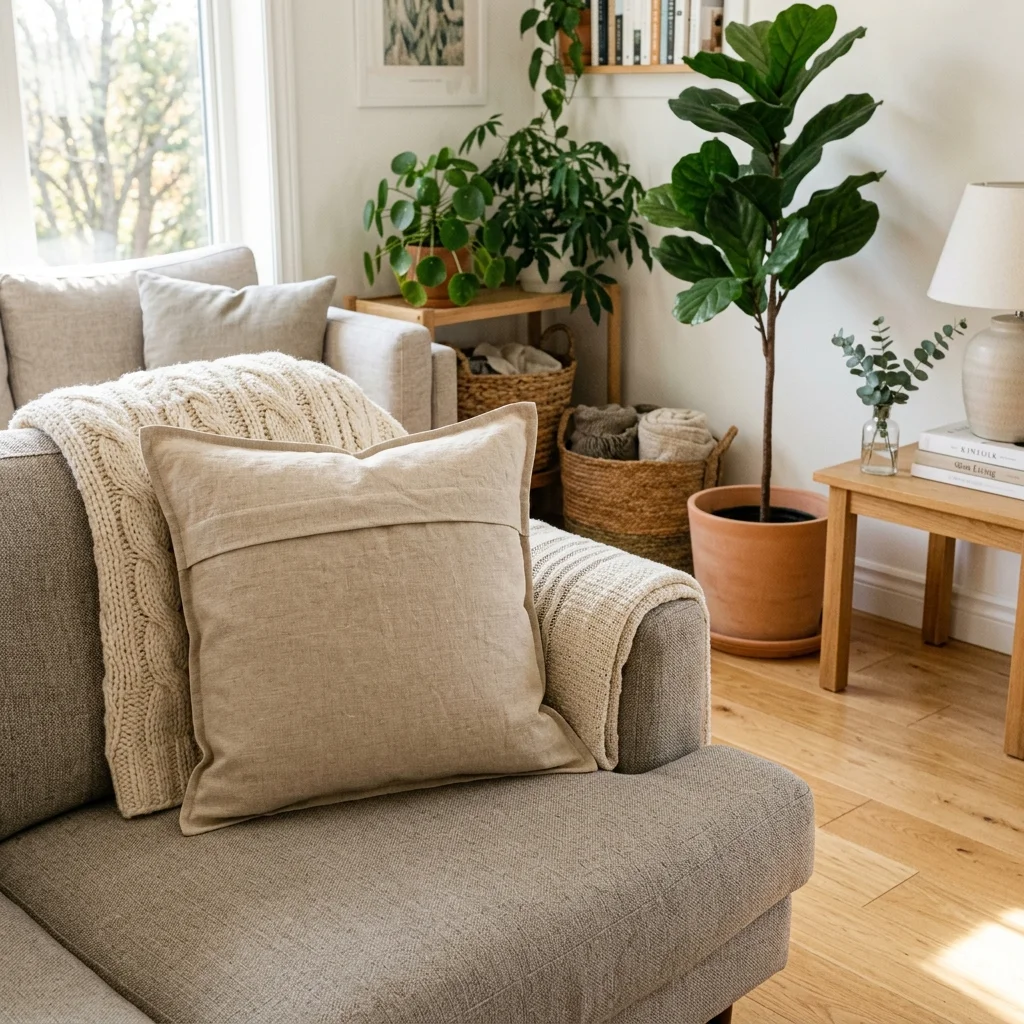
Refreshing your living room becomes much more satisfying when you create your own pillow cover instead of purchasing one. This beginner-friendly project teaches careful measuring, straight stitching, and pressing while producing something that looks polished in everyday spaces. The envelope closure removes the stress of installing a zipper, making construction easier without sacrificing style. Choosing durable cotton or linen fabrics also allows you to match seasonal décor, favorite colors, or existing furniture with very little sewing experience.
This project naturally develops precision because even slight measurement adjustments affect the final fit. Learning that relationship between fabric dimensions and finished results builds practical sewing judgment for future creations. That’s why many designers recommend starting with home décor before moving into fitted garments. You can confidently experiment with contrasting fabrics, decorative trims, or subtle quilting details after mastering the basic version. Every completed pillow cover strengthens skills while adding a personal touch that makes your home feel warmer and more inviting.
Reusable Tote Bag
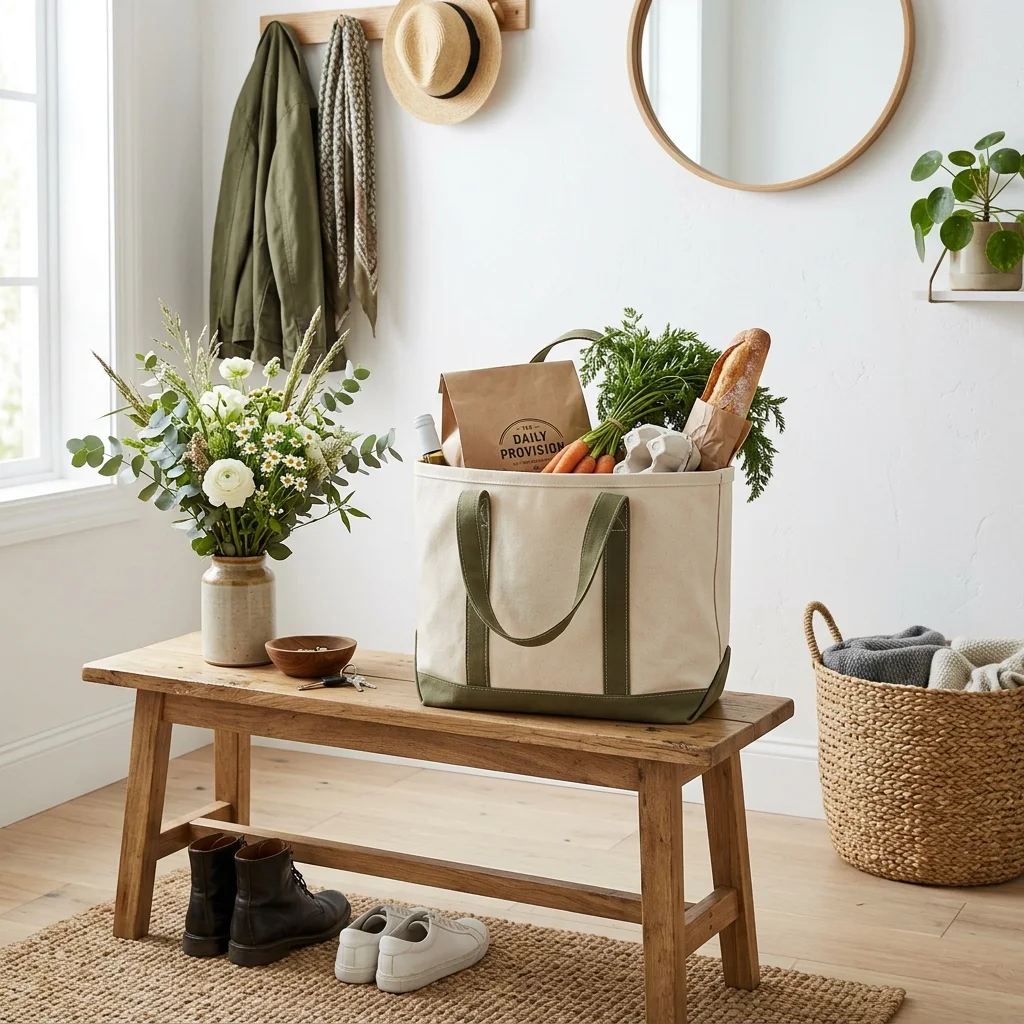
l-building opportunities, making it one of the smartest early sewing projects. Longer seams help improve fabric control while reinforcing the importance of accurate alignment from start to finish. The finished bag becomes useful for grocery shopping, library visits, or carrying craft supplies, giving immediate satisfaction after completion. If you’re looking for basic sewing projects for beginners to build real skills, this is a rewarding step that balances simplicity with meaningful technique development.
Beyond basic construction, this project introduces stronger stitching where handles attach, helping you understand why reinforcement matters in everyday items. You’ll also become more comfortable working with thicker fabrics like canvas or denim while maintaining neat seam lines. I’ve tried several tote bag variations over the years, and each version teaches something new without becoming overwhelming. Once the basic design feels comfortable, adding interior pockets, boxed corners, or decorative labels becomes an enjoyable next challenge that expands both creativity and practical sewing ability.
Drawstring Pouch
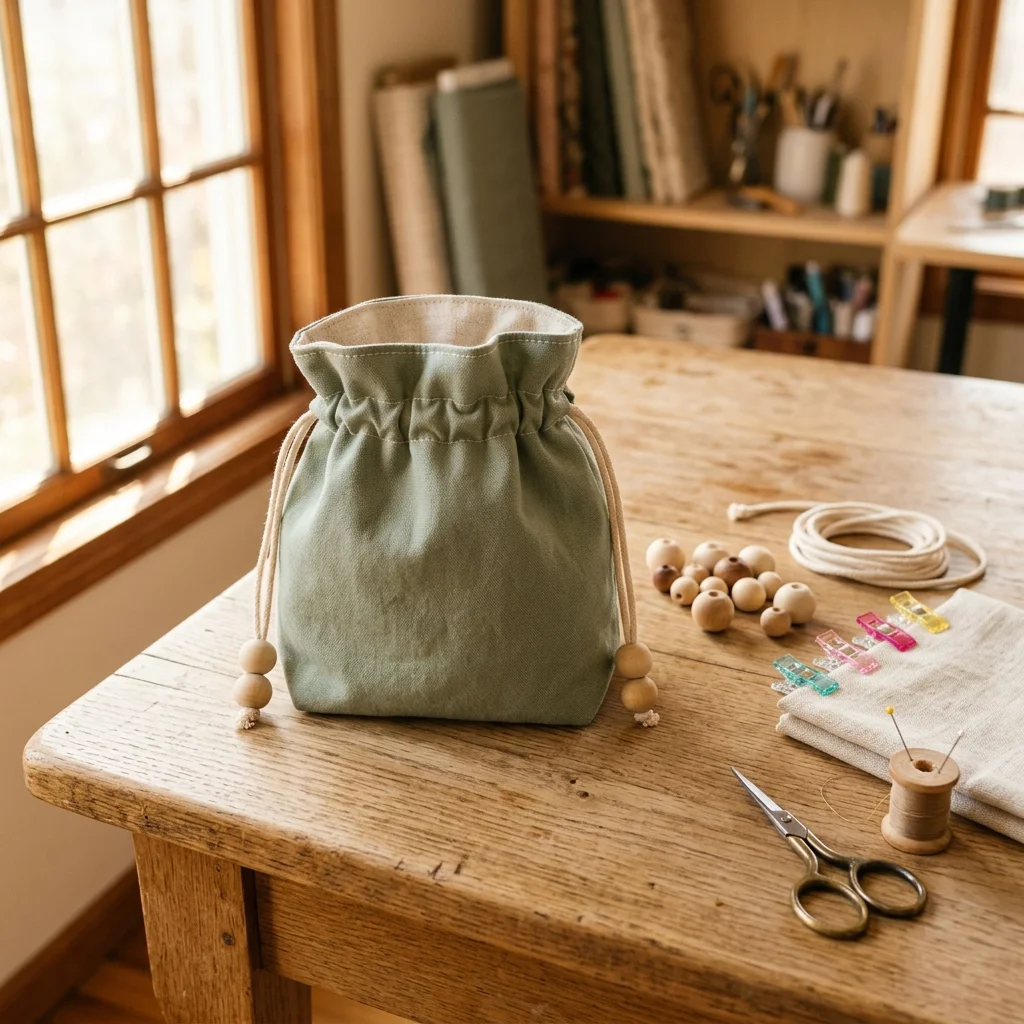
Small projects often teach the biggest lessons, and a drawstring pouch is a perfect example. You’ll learn how to sew a casing, keep seams even, and finish edges neatly while creating something genuinely useful. Whether you use it for cosmetics, charging cables, sewing notions, or travel accessories, the finished pouch quickly becomes part of your daily routine. I’ve noticed beginners enjoy this project because it feels creative without becoming technically difficult, making every completed pouch another confidence boost for future sewing adventures.
As your sewing becomes more comfortable, this pouch also offers endless opportunities to experiment. Try contrasting linings, decorative topstitching, or colorful drawstrings to give each version its own personality. Since the fabric pieces remain relatively small, mistakes are inexpensive and easy to correct. Repeating this project with different materials helps improve cutting accuracy and machine control naturally. Those practical habits carry into larger sewing projects, allowing each new creation to look cleaner, stronger, and more professionally finished over time.
Kitchen Tea Towel
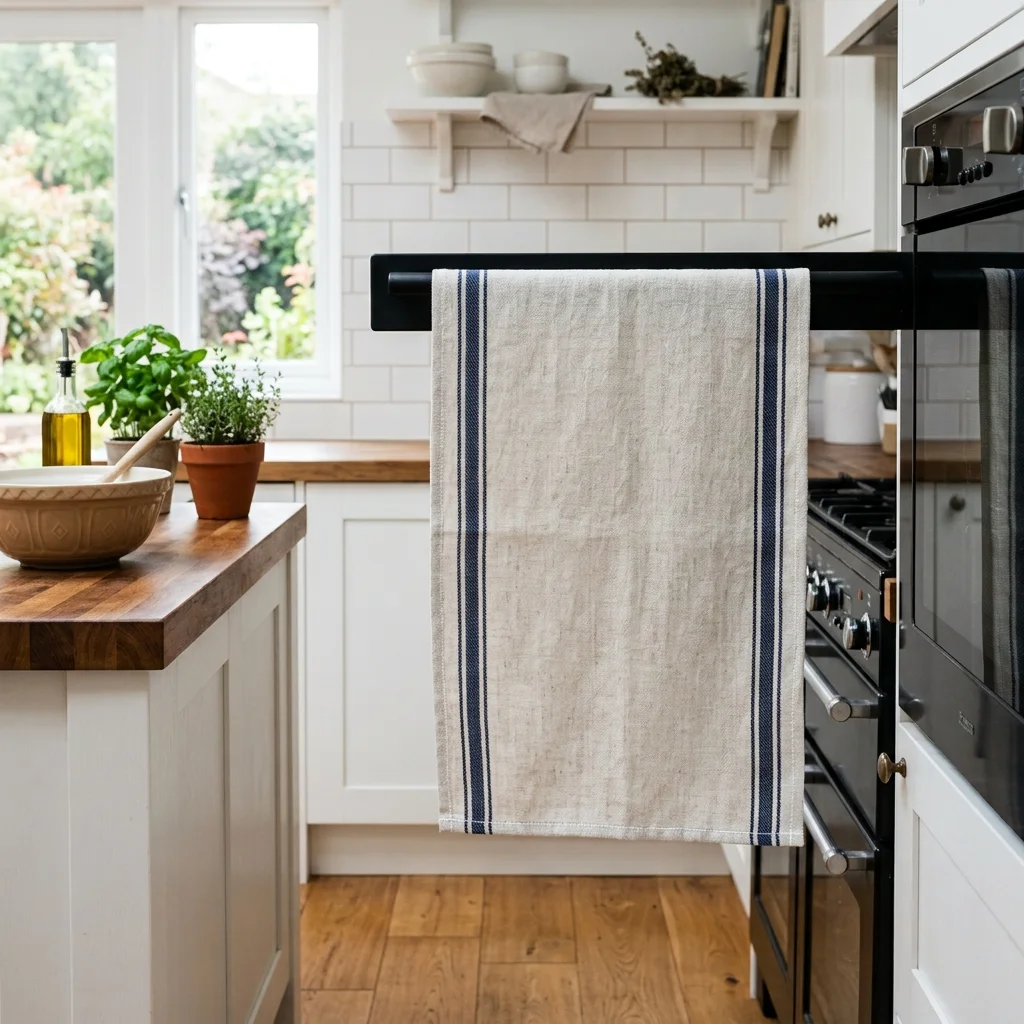
A simple tea towel may seem ordinary, but it offers excellent practice for mastering straight hems and consistent stitching. Because the fabric remains flat throughout construction, you can focus entirely on controlling the machine and maintaining even seam allowances. The result is a functional household essential that looks polished and handmade in the best possible way. Many experienced sewists still return to projects like this when testing new fabrics because they provide reliable practice while producing something genuinely useful.
Learning to press each fold before sewing is one habit that transforms beginner work into professional-looking results. Crisp edges, balanced corners, and neat topstitching all begin with careful preparation rather than complicated techniques. I’ve seen how developing these habits early makes every future project easier to assemble and more attractive when finished. Once you’ve mastered the basics, decorative borders, embroidered initials, or color-blocked fabric panels offer simple ways to personalize each towel without making construction significantly more difficult.
Zipper Pencil Case
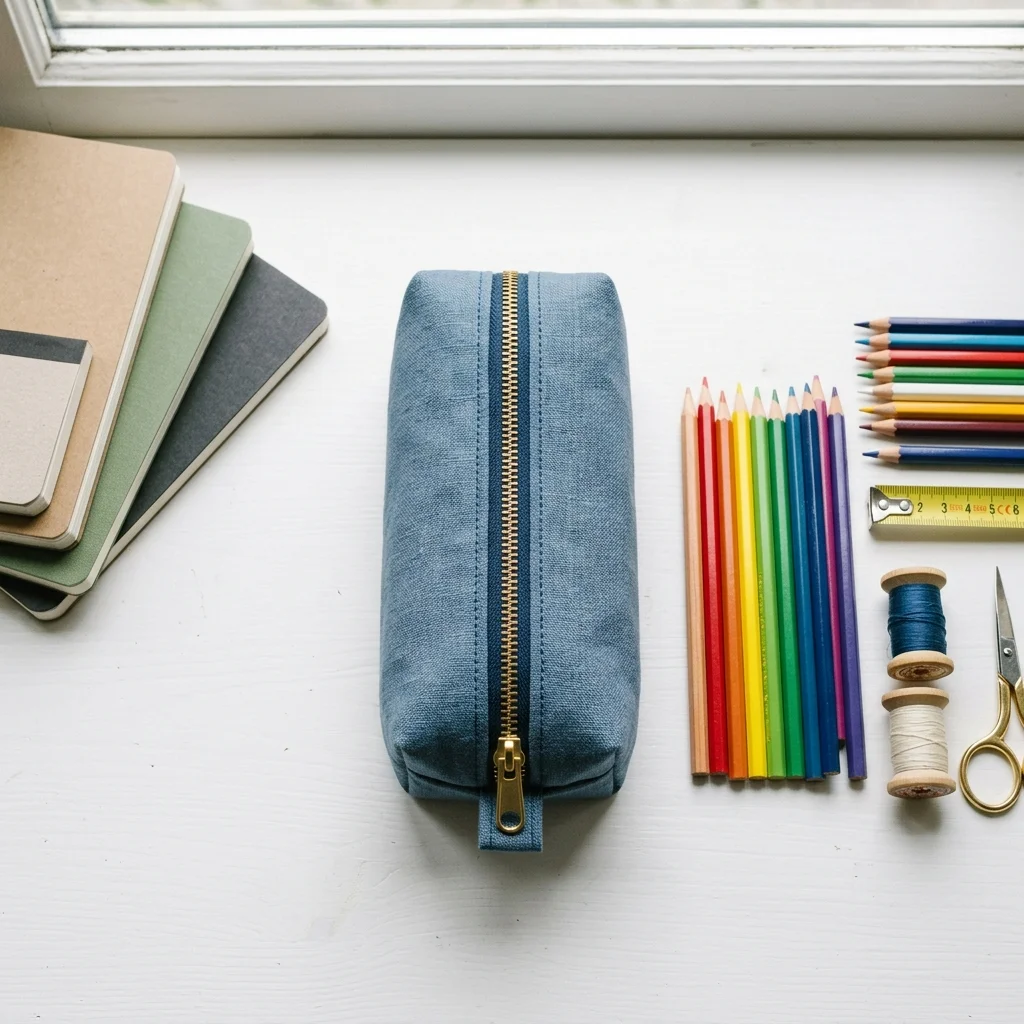
Installing a zipper often feels intimidating until you complete one successfully. A simple pencil case provides the ideal opportunity to practice because the project remains compact and forgiving while introducing an important sewing skill. Working carefully around the zipper helps improve precision, patience, and machine control without requiring complicated garment construction. Completing this project gives many beginners the confidence to tackle bags, pouches, and home décor pieces that once seemed far beyond their abilities.
The finished pencil case is practical enough for school, work, or organizing sewing supplies, making every hour spent creating it worthwhile. If your first zipper isn’t perfectly straight, don’t be discouraged. I’ve found that nearly every beginner improves dramatically after sewing just two or three zipper projects. Careful pinning, slow stitching, and regular pressing make an enormous difference. By the time this project is complete, you’ll have gained another valuable technique that opens the door to many exciting sewing possibilities.
Apron Essentials
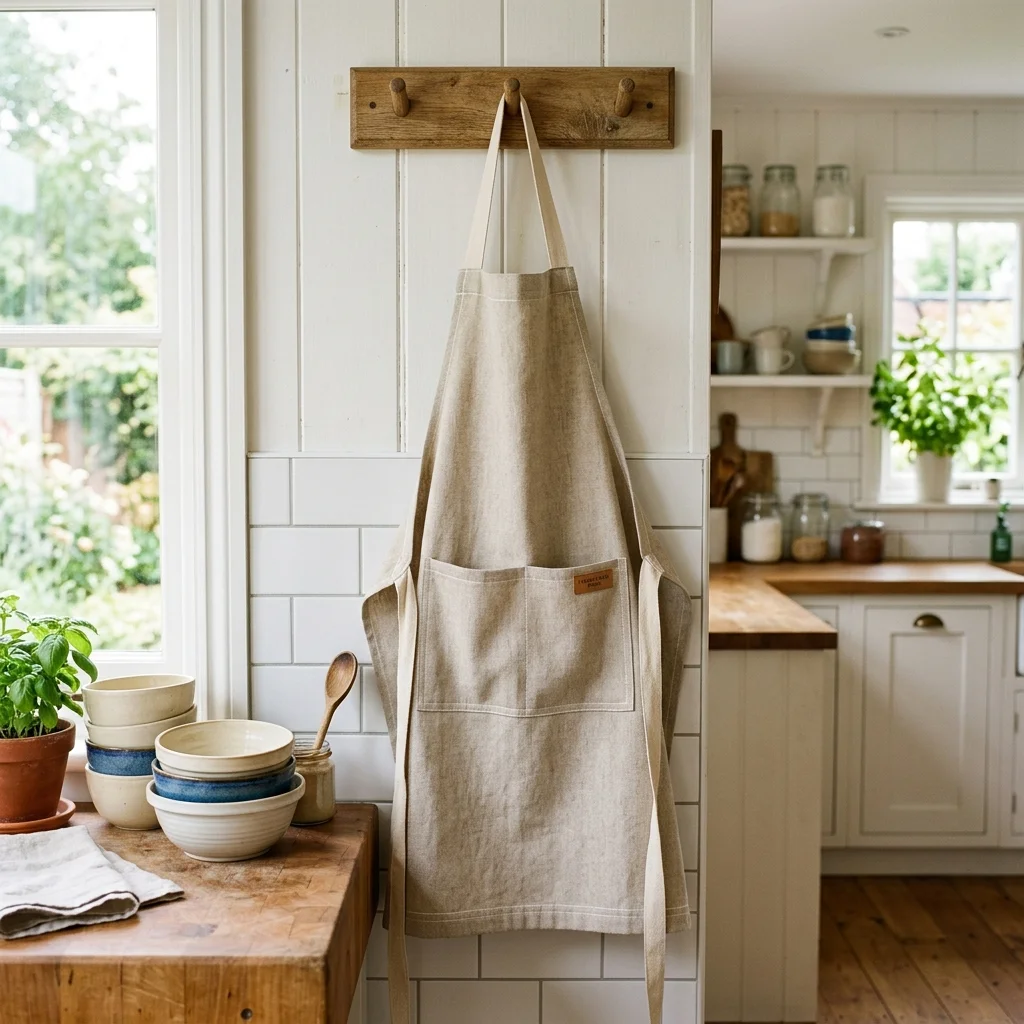
Making your own apron feels like a meaningful milestone because it combines several beginner techniques into one practical project. You’ll practice sewing long seams, attaching straps, and positioning pockets while creating something you’ll reach for regularly. Unlike fitted clothing, aprons don’t require complicated sizing, allowing you to focus on improving construction skills instead. In my experience, finishing an apron gives beginners a noticeable confidence boost because the final result looks polished, useful, and surprisingly professional with only a handful of basic techniques.
Another advantage is the freedom to personalize every detail without changing the construction process. Choose cheerful floral cotton, timeless stripes, or durable canvas depending on your style and intended use. Simple additions like contrast pockets or decorative topstitching instantly elevate the finished piece. You’ll also gain valuable experience handling larger sections of fabric while maintaining even seams throughout. Those practical skills become increasingly important when moving toward garments, table linens, and more detailed sewing projects later on.
Table Runner
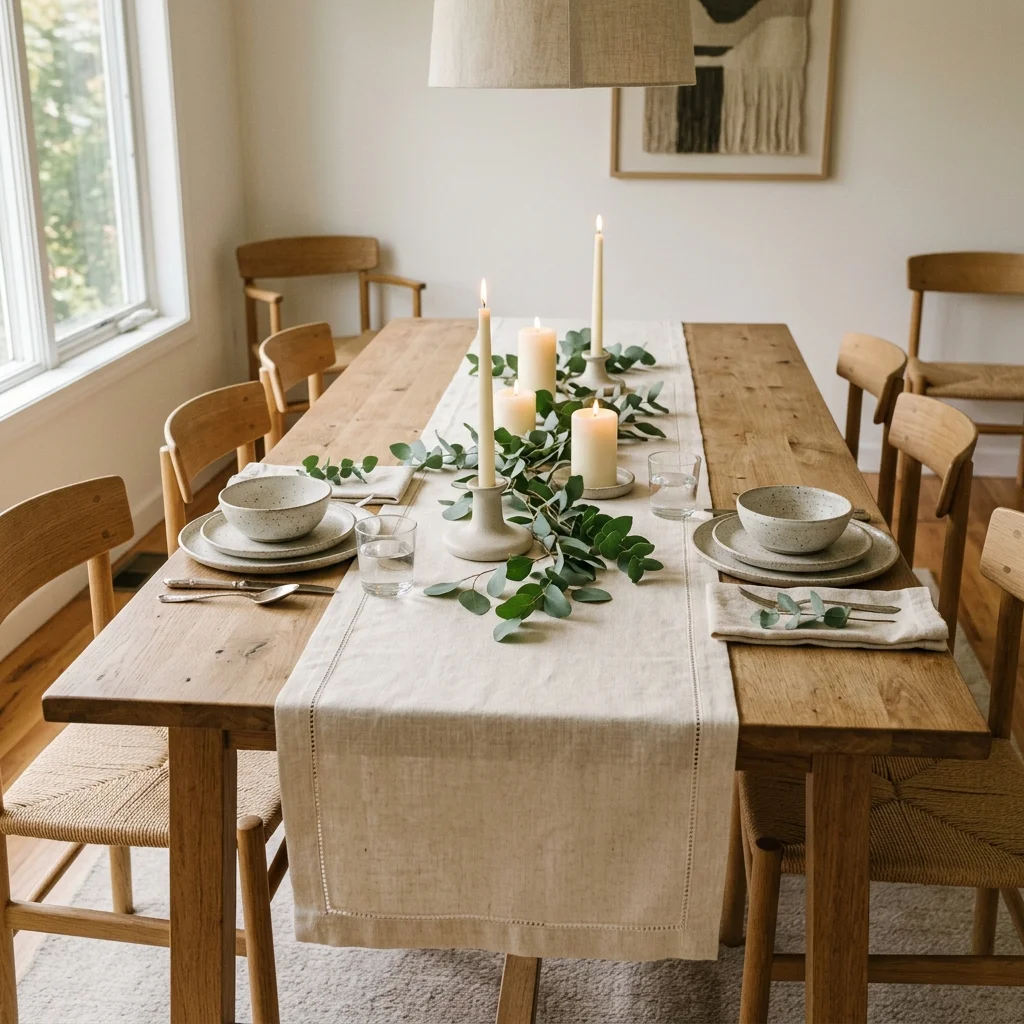
Few beginner projects deliver such an impressive visual impact with relatively simple construction. A handmade table runner instantly refreshes your dining area while allowing you to practice cutting accurately, sewing straight hems, and pressing crisp edges. Since the design remains uncomplicated, you can concentrate on refining technique instead of solving difficult construction challenges. Every stitch contributes to a finished piece you’ll proudly display during family dinners, holiday gatherings, or everyday meals, making practice feel both rewarding and purposeful.
Once you’ve completed the first version, experimenting becomes part of the fun. Different fabrics, decorative trim, or color-blocked panels completely transform the finished look without increasing difficulty very much. I’ve noticed that repeating projects like this naturally improves consistency because the sewing process becomes familiar while creativity continues growing. Each completed table runner strengthens confidence, encourages cleaner workmanship, and demonstrates how small handmade details can make an entire room feel warmer, more inviting, and thoughtfully decorated.
Elastic Headband
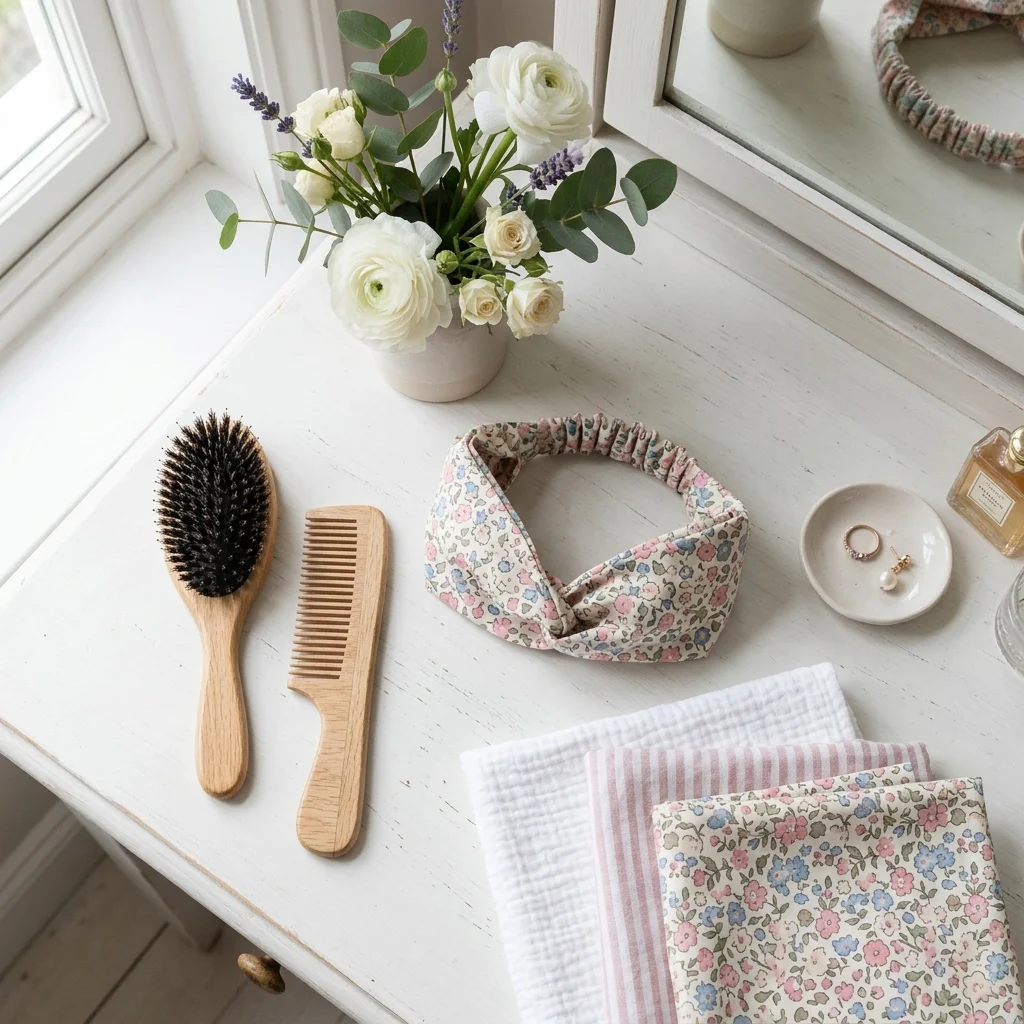
An elastic headband is a satisfying project because it combines comfort, style, and practical sewing techniques into a quick afternoon activity. You’ll learn how elastic behaves inside fabric casings while improving accuracy with smaller curved sections. The project finishes quickly, making it especially encouraging after completing larger beginner pieces. If you’re working through basic sewing projects for beginners to build real skills, this accessory helps expand your abilities while producing something you’ll actually wear or happily give as a handmade gift.
This project also encourages creativity because fabric choices dramatically change the final appearance. Soft florals, bold prints, linen textures, or neutral solids each create a completely different style using the same construction method. I’ve tried making matching headbands from leftover fabric after larger projects, and it’s one of the easiest ways to reduce waste while practicing precision sewing. Small successes like these steadily improve confidence and prepare you for increasingly detailed accessories and wearable sewing projects.
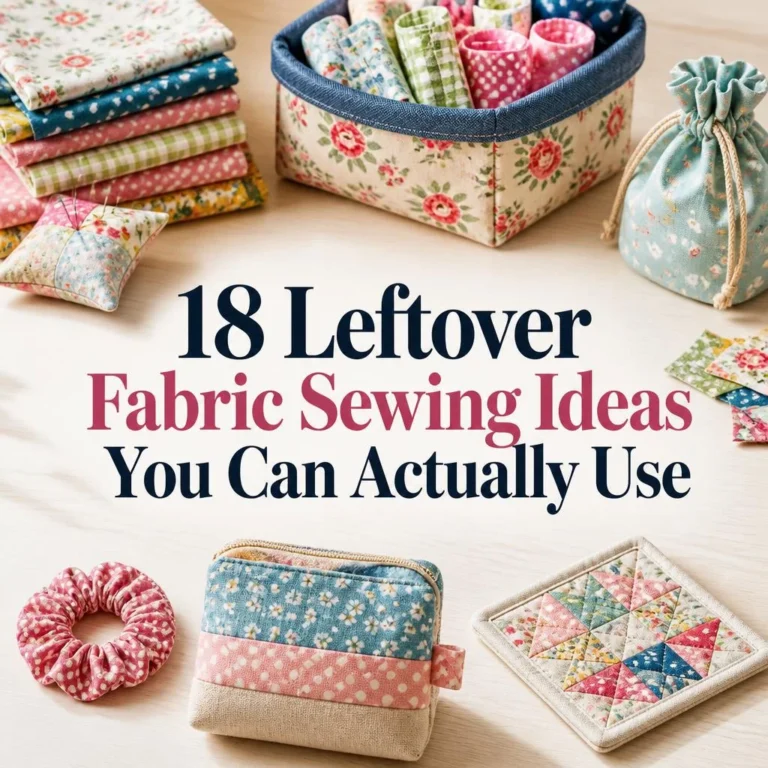
Fabric Storage Basket
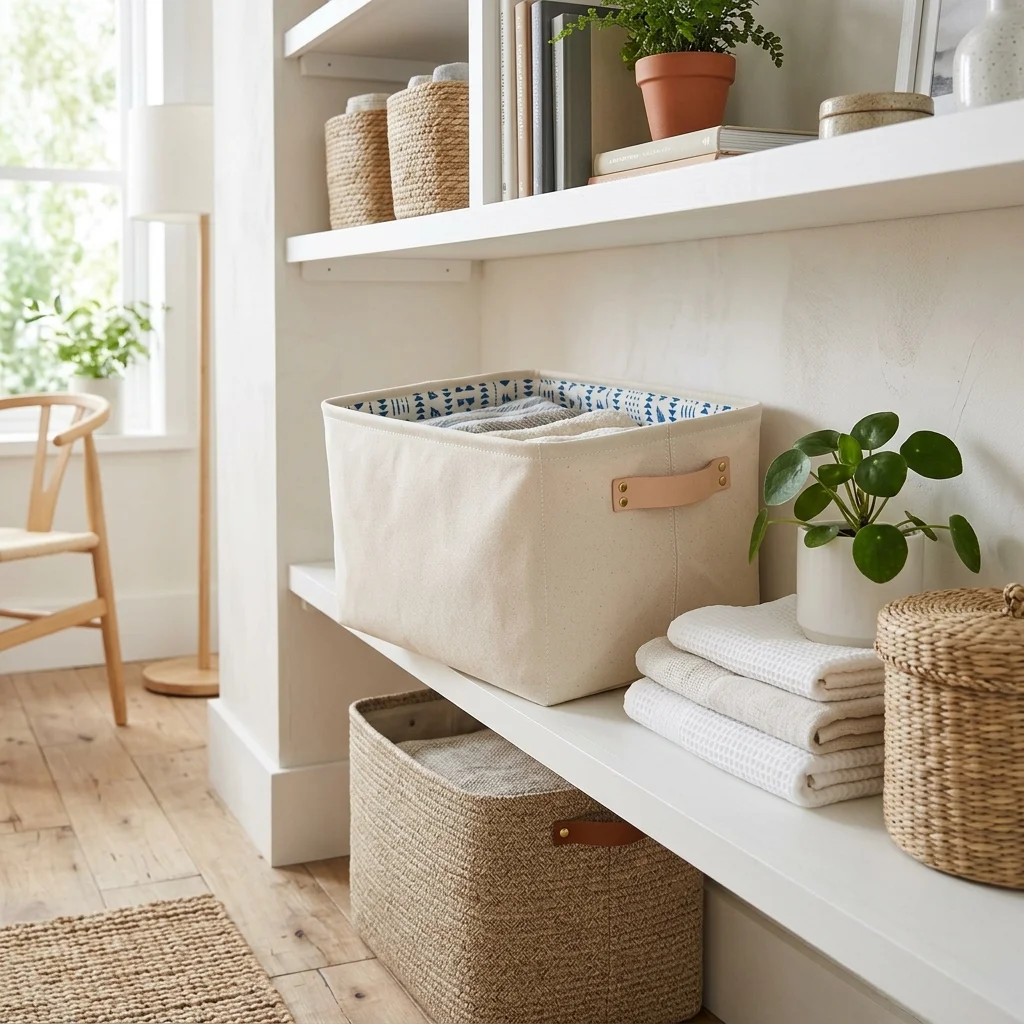
A fabric storage basket is a rewarding project because it blends practical function with valuable sewing techniques. You’ll learn how boxed corners create depth and structure while practicing accurate alignment throughout the assembly process. The finished basket works beautifully for organizing sewing supplies, toiletries, baby items, or office accessories. Even though it looks professionally made, the construction remains approachable for beginners willing to sew carefully and press each seam before moving to the next step.
Creating structured projects also improves spatial awareness because every fold and seam influences the final shape. That understanding becomes extremely useful when sewing bags and home décor later. I’ve found that beginners often feel especially proud after completing a basket because it looks polished while solving everyday storage needs. Once you’re comfortable with the basic design, experimenting with interfacing, contrast linings, or decorative labels allows you to personalize each basket while continuing to strengthen essential sewing techniques.
Simple Skirt
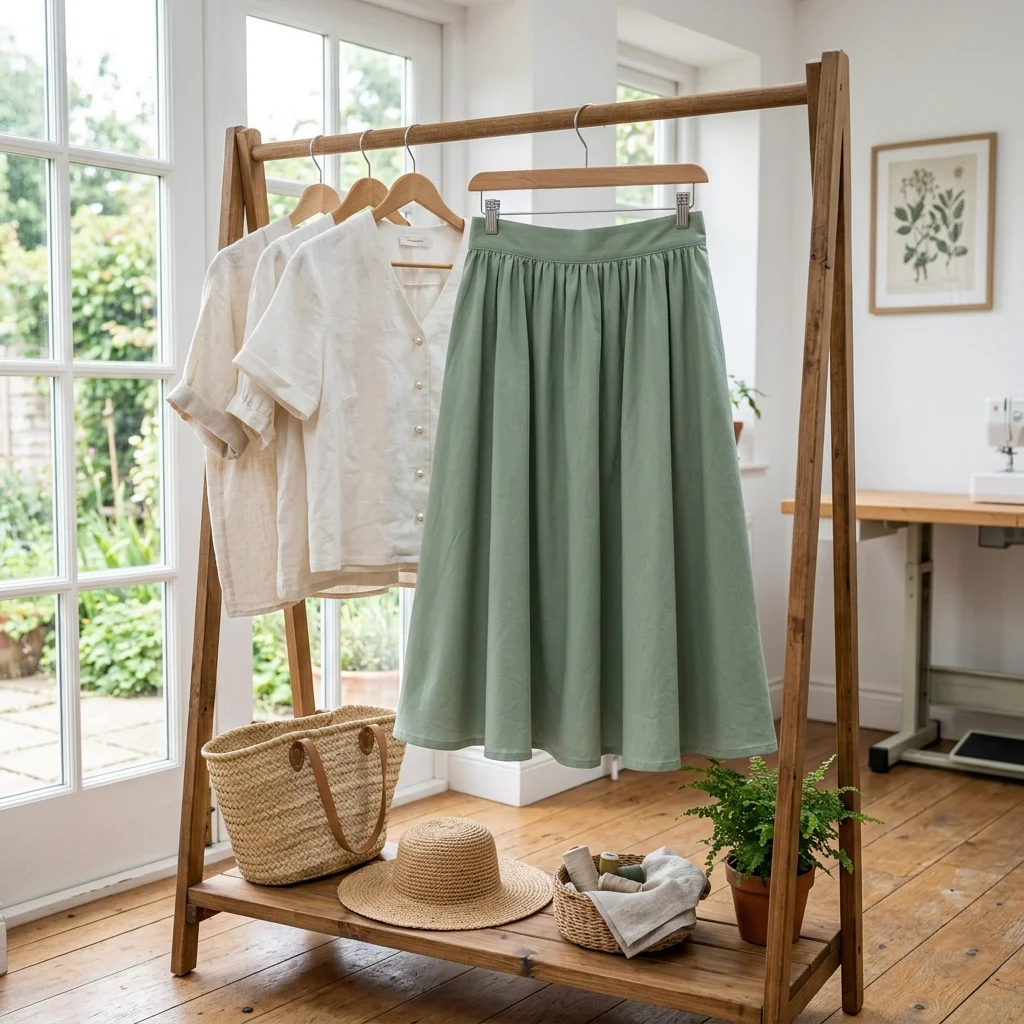
Sewing your first skirt is an exciting step because it transforms basic sewing knowledge into a wearable garment. A simple elastic-waist design removes complicated fitting while introducing techniques like gathering fabric, attaching waistbands, and creating smooth hems. The result is comfortable, stylish, and practical enough for everyday wear. Completing your first clothing project often changes how you view sewing, replacing uncertainty with genuine excitement about making more garments from scratch.
Working on wearable pieces also teaches patience and careful preparation. Accurate measuring, pressing, and checking seam alignment become increasingly important when the finished item will be worn regularly. In my experience, simple skirts provide the perfect balance between challenge and success for newer sewists. Choosing lightweight cotton, linen blends, or soft rayon fabrics allows the skirt to drape beautifully while keeping construction approachable. Every completed garment adds confidence that naturally carries into more advanced clothing projects.
Baby Blanket
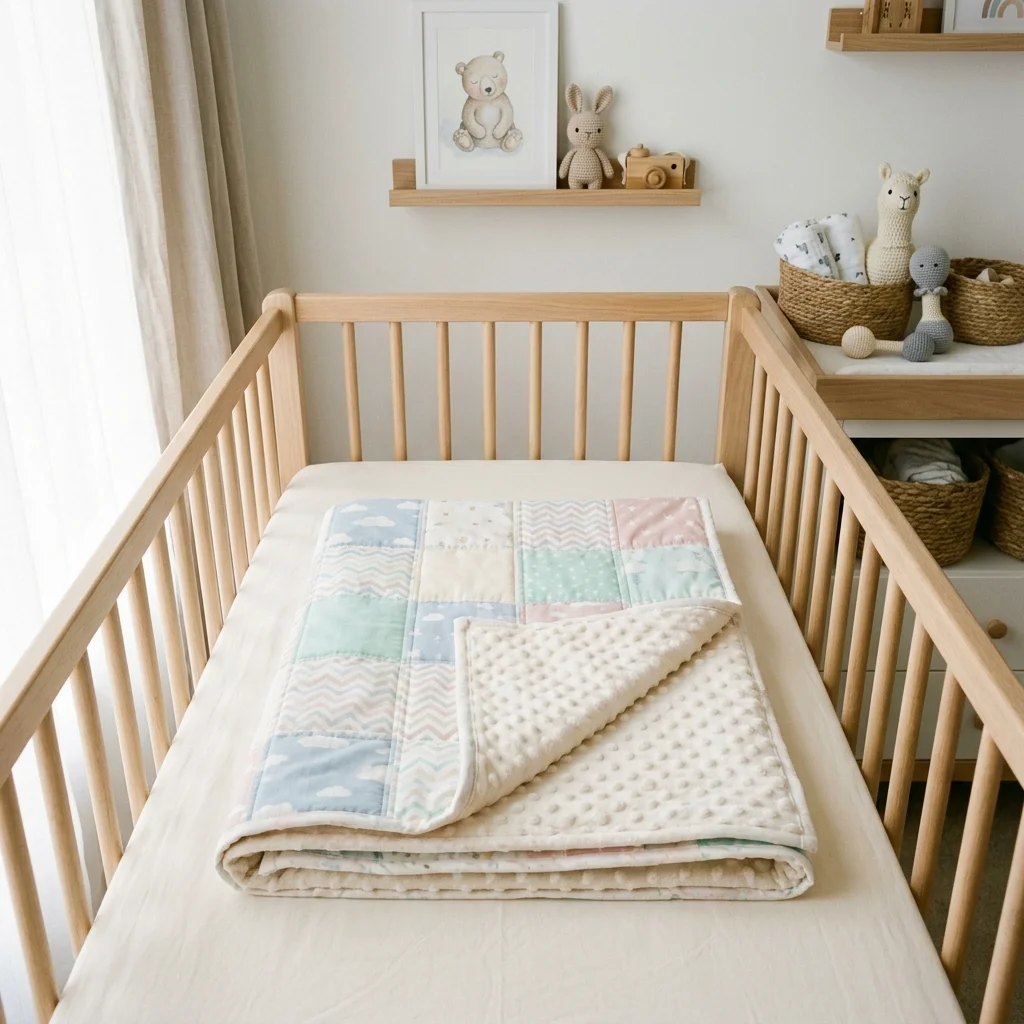
A handmade baby blanket is one of the most meaningful beginner projects because it combines simple construction with lasting sentimental value. Straight seams and clean edge finishing remain the primary focus, allowing you to strengthen essential techniques without complicated pattern pieces. The completed blanket becomes a thoughtful keepsake for family members or close friends, making the sewing experience even more rewarding. Choosing soft, washable fabrics ensures the finished blanket remains comfortable, durable, and practical for everyday use.
Although the construction is straightforward, attention to detail makes a noticeable difference in the finished result. Carefully matching corners, smoothing fabric layers, and pressing before topstitching all contribute to a cleaner appearance. I’ve seen how projects like this help beginners slow down and appreciate quality craftsmanship rather than rushing to finish. By practicing these habits consistently, you’ll build skills that improve every future sewing project, from accessories and home décor to garments and gifts.
Market Produce Bag
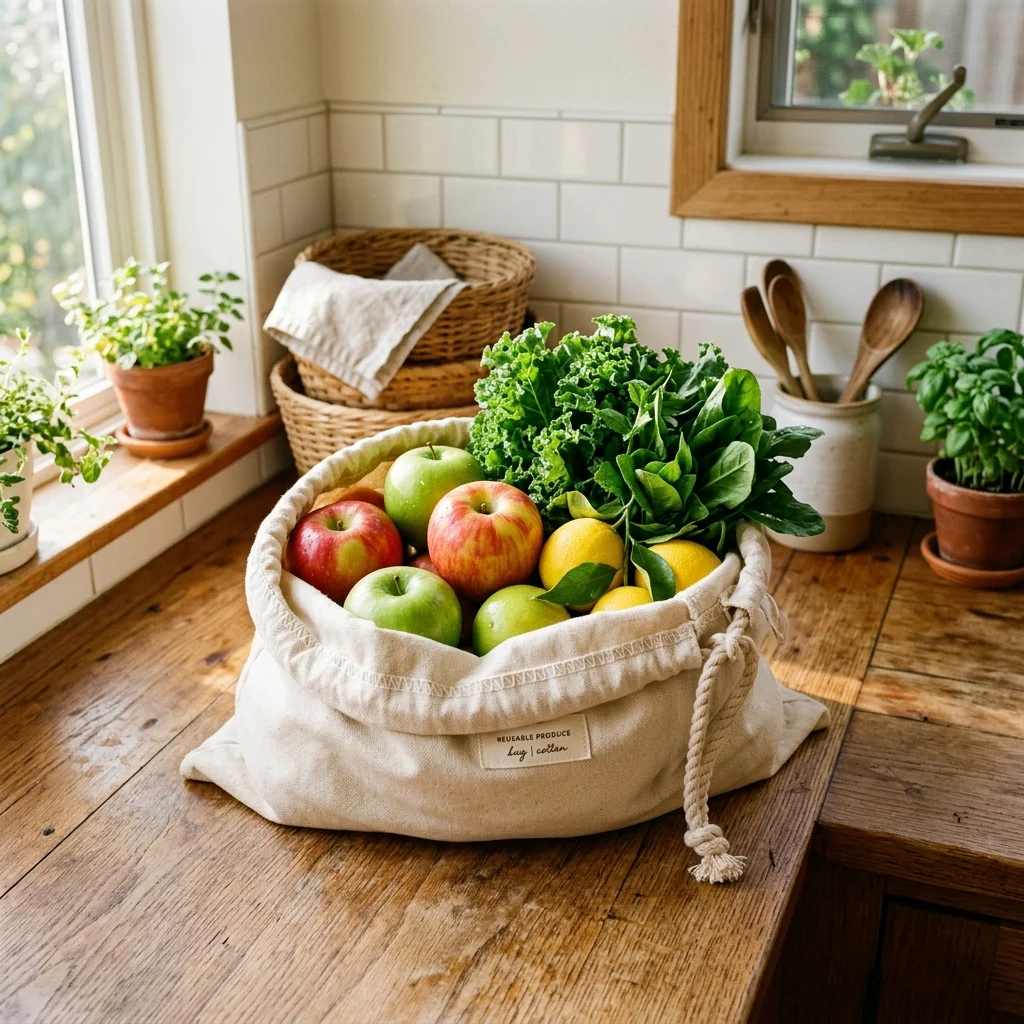
Replacing disposable plastic bags with handmade produce bags is a satisfying way to practice sewing while creating something genuinely useful. The simple rectangular construction helps improve accuracy, and sewing the drawstring casing reinforces techniques you’ve already learned in smaller projects. Because these bags are used regularly, every shopping trip becomes a reminder of the skills you’ve developed. Their lightweight design also makes them quick to complete, allowing beginners to gain experience without feeling overwhelmed by complicated construction.
One of the greatest advantages is how easily the design can be customized for different purposes. Larger versions work well for bread or vegetables, while smaller sizes organize snacks, toiletries, or travel essentials. I’ve noticed that repeating projects like these naturally improves consistency because every bag offers another opportunity to refine stitching and finishing techniques. Over time, you’ll become faster, more accurate, and increasingly confident while creating practical handmade items that support a sustainable lifestyle.
Laptop Sleeve
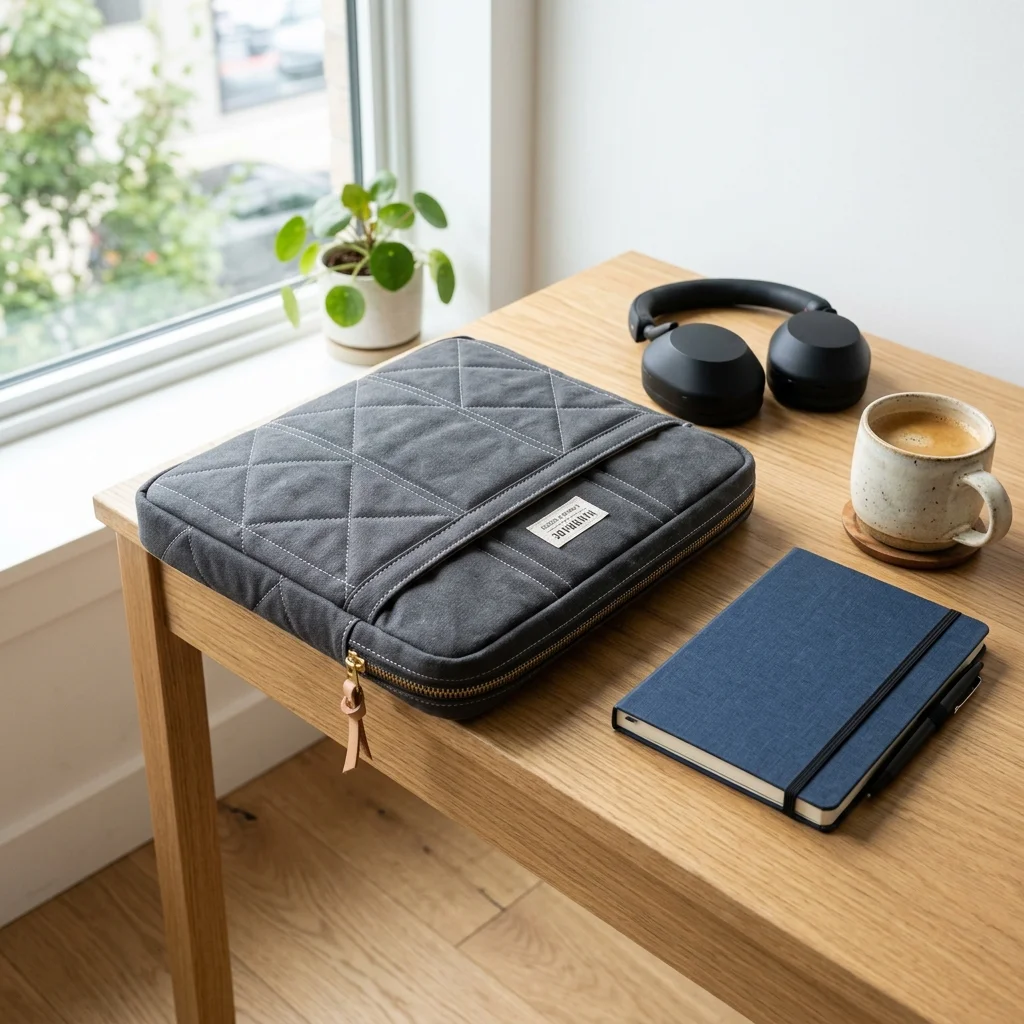
Creating a laptop sleeve feels especially rewarding because the finished project protects something you use every day. You’ll combine accurate measuring, careful seam alignment, and simple padding techniques while producing a polished accessory with genuine everyday value. The rectangular construction keeps the sewing process approachable, yet the finished sleeve looks impressive enough to inspire confidence. Completing a project like this demonstrates how far your sewing abilities have progressed since your very first beginner exercises.
Precision becomes more important here because the sleeve should fit comfortably without being too loose or too tight. Taking time to measure carefully and press every seam produces noticeably better results. I’ve found that beginners often surprise themselves with how professional this project looks after following each step patiently. Once you’ve mastered the basic version, adding exterior pockets, decorative quilting, or magnetic closures becomes an enjoyable way to continue developing practical sewing skills through creative experimentation.
Basic Pajama Shorts
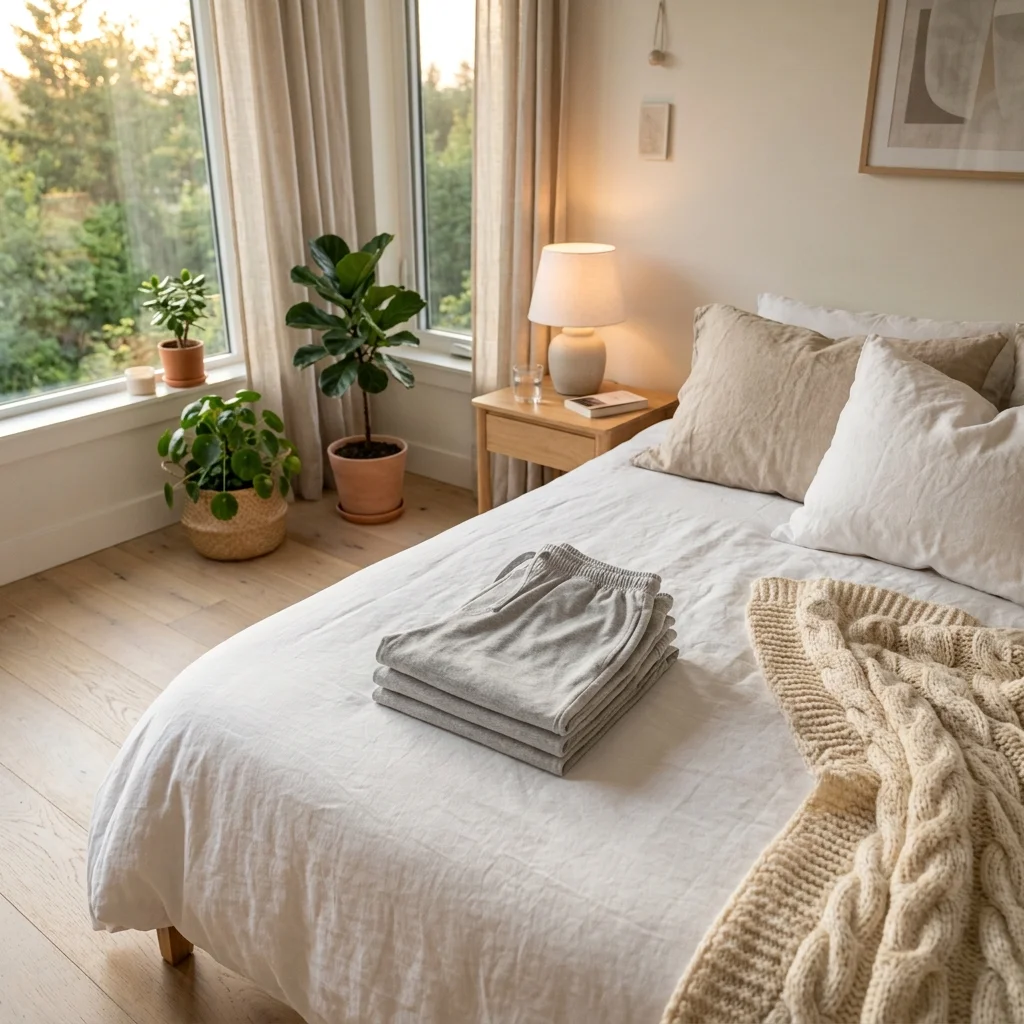
Making your own pajama shorts is an exciting achievement because it combines many of the techniques you’ve practiced throughout earlier projects. You’ll work with pattern pieces, sew curved seams, insert an elastic waistband, and finish comfortable hems while creating clothing you’ll actually enjoy wearing. Completing this project shows how steadily your skills have developed from simple accessories to practical garments. It’s a rewarding way to see real progress through consistent practice rather than complicated techniques.
By the time you finish these shorts, you’ll have gained experience with many of the foundational skills needed for future sewing success. Whether your next goal is dresses, shirts, bags, or home décor, the confidence you’ve built through these projects will make every new challenge feel more approachable. I’ve seen countless beginners discover that regular practice matters far more than perfection. Starting with basic sewing projects for beginners to build real skills creates a strong foundation that supports years of enjoyable, creative sewing.
Conclusion
Learning to sew doesn’t happen overnight, but every completed project brings you one step closer to becoming a confident maker. These basic sewing projects for beginners to build real skills were chosen to help you practice essential techniques while creating beautiful, functional items you’ll genuinely enjoy using. From simple accessories to practical home décor and wearable pieces, each project builds naturally on the last, making progress feel achievable and rewarding.
Remember, every experienced sewist once started with their very first straight seam. I’ve seen how consistent practice with small projects can lead to remarkable improvement over time. Save these ideas to Pinterest, choose one project to start today, and share your handmade creations with friends and family. Your sewing skills will grow with every stitch, and the confidence you build now will open the door to even more exciting creative projects in the future.
Read More:16 Beginner Friendly Sewing Projects Easy and Fun Ideas