

15 Flowy Beach Dress Outfits Women That Turn Heads Now
Introduction
Selecting aesthetic outfits for women with red hair relies on balancing skin undertones with complementary shades to create a cohesive look. Choosing the right aesthetic outfits for women with red hair involves understanding how specific hues enhance vibrant locks while ensuring comfort in coastal climates.
This guide covers essential color theory for redheads to help you select flattering beach attire. You will learn how to style beach dresses using high-performance fabrics like linen and viscose that provide breathability and durability. We also explore practical tips for maintaining garment quality against sun exposure and saltwater. By prioritizing these elements, you can curate a wardrobe that transitions perfectly from the sand to evening dining.
Styling Aesthetic Outfits for Women with Red Hair at the Beach
Curating summer outfits for red hair requires a strategic approach that balances personal skin undertones with the vibrant contrast of your locks. When building a coastal wardrobe, color theory for redheads serves as a foundational tool. Common guidance suggests that shades sitting opposite your hair color on the color wheel, such as greens, teals, and blues, create a natural visual harmony. However, refining this selection depends on your specific skin tone. For those with cool undertones, jewel tones like emerald and navy provide a sophisticated, flattering finish. If your skin has warm undertones, earthy hues like olive, mustard, and deep gold often best accentuate your features.
Selecting Resilient Beach Fabrics
Beyond color, the practical performance of your clothing is vital when navigating sand, salt, and sun. Because exposure to direct sunlight causes color fading in natural dyes faster than in synthetic reactive dyes, choosing high-quality, colorfast materials ensures your aesthetic looks fresh throughout the season. When planning your beach attire, consider these material characteristics:
| Material | Primary Benefit |
|---|---|
| Linen | High breathability and durability, derived from the flax plant. |
| Viscose | A semi-synthetic fiber often chosen for its soft, flowy drape. |
| Synthetics | Polyester and nylon generally dry faster than cotton in high humidity. |
Common guidance indicates that saltwater exposure can degrade elastic fibers like spandex in swimwear and beach dresses over time. To maintain the longevity of your pieces, rinse them with fresh water after each beach visit to remove salt residue.
Functional Fashion and Sun Protection
When styling flowy dresses, such as a maxi dress that reaches the ankles or floor, prioritize both movement and utility. Because these garments offer more coverage, they are excellent candidates for sun-protective styling. Ultraviolet Protection Factor (UPF) ratings indicate how much UV radiation a fabric allows to reach the skin, offering a concrete way to choose pieces that provide an extra layer of defense during long beach days.
A common mistake is prioritizing style over the reality of the coastal environment. If you plan on transitioning your outfit from the sand to a sunset dinner, opt for versatile layers. A lightweight linen shirt or a viscose cover-up can protect your skin from direct sun while maintaining an effortless, aesthetic look. By integrating these fabric insights with a color palette tailored to your complexion, you can build a summer wardrobe that is both visually stunning and physically resilient against the elements.
Best Colors for Redheads

Selecting the best clothing colors for red hair involves more than simple preference. It requires an understanding of how specific hues interact with your complexion. Common guidance suggests using the color wheel to identify complementary shades, as colors positioned opposite red, such as greens, teals, and blues, typically create a balanced and striking look. When curating aesthetic outfits for women with red hair, these foundational principles help narrow down the vast array of available options.
Applying Color Analysis to Your Wardrobe
Effective color analysis starts by identifying your skin undertone. If you have cool-toned skin, you likely look best in jewel tones like emerald and navy. These colors provide a crisp, clean contrast that highlights the cool undertones in your complexion without overpowering the vibrancy of your hair. Conversely, warm-toned skin usually harmonizes best with earthy tones. Shades like olive, mustard, and deep gold bring out a natural glow and create a cohesive, radiant appearance.
Fabric Durability and Performance
When selecting summer outfits for red hair, consider the environment as much as the color. If you are styling flowy dresses for a beach trip, the fabric choice significantly impacts both your comfort and the longevity of the garment. Linen, a bast fiber derived from the flax plant, is prized for its high breathability and durability, making it an excellent choice for hot weather. Viscose is another common choice, often used for its soft, flowy drape that moves beautifully in a sea breeze.
Practicality also matters when spending time outdoors. If you are concerned about sun exposure, look for garments labeled with an Ultraviolet Protection Factor (UPF) rating, which indicates how much UV radiation a fabric allows to reach the skin. Keep in mind that while natural fibers are breathable, synthetic fabrics like polyester and nylon generally dry faster than cotton in high humidity environments. However, be cautious with swimwear and beach dresses containing spandex, as saltwater exposure can degrade elastic fibers over time.
| Feature | Consideration |
|---|---|
| Color Retention | Direct sunlight causes color fading in natural dyes faster than in synthetic reactive dyes. |
| Fabric Choice | Linen and viscose are popular for flowy silhouettes, but check UPF ratings for sun protection. |
| Maintenance | Rinse items containing spandex after beach use to prevent saltwater degradation. |
Mastering color theory for redheads is a process of trial and error. By understanding how your skin undertone interacts with specific color families, you can move away from guesswork. Whether you are choosing a maxi dress for a dinner or a casual outfit for the sand, prioritizing both color harmony and fabric performance ensures your wardrobe remains as functional as it is stylish.
Beach Fabrics for Redheads

Choosing the right textiles for the coast involves balancing thermal comfort with the practical demands of sun and sand. When you are styling flowy dresses, the material dictates both your comfort in the heat and how well the garment holds up to beach elements.
Linen is a bast fiber derived from the flax plant that is known for high breathability and durability. Its natural structure allows for excellent airflow, which is essential for staying cool during long days by the water. Because it is a robust fiber, linen withstands the wear of beach outings well, though it remains prone to wrinkling when packed.
Viscose is a common choice for achieving a soft, flowy drape that moves gracefully with the breeze. As a semi synthetic fiber made from regenerated cellulose, it is often used to mimic the feel of silk or cotton while offering a more fluid silhouette. This makes it a popular selection for those who want a lightweight, elegant look that does not feel heavy against the skin in humid conditions.
Understanding how different fibers manage moisture can help you decide which pieces to pack for your next trip. Consider these factors when evaluating your wardrobe options:
- Synthetic fabrics like polyester and nylon generally dry faster than natural fibers like cotton in high humidity environments.
- Ultraviolet Protection Factor ratings indicate how much UV radiation a fabric allows to reach the skin.
- Exposure to direct sunlight causes color fading in natural dyes faster than in synthetic reactive dyes, which is important for keeping vibrant shades looking fresh.
- Saltwater exposure can degrade elastic fibers like spandex in beach dresses over time, so rinsing garments after use is common guidance.
- Natural fibers like cotton often take longer to dry but provide a classic, breathable feel that many prefer for casual beach wear.
When selecting pieces to complement your look, remember that color choices for red hair often center on finding balance with your skin tone. Cool toned skin with red hair often pairs best with jewel tones like emerald and navy. Conversely, warm toned skin with red hair often pairs best with earthy tones like olive, mustard, and deep gold. Many also look to the color wheel for guidance, as shades of green, teal, and blue are often considered complementary to red hair. Prioritizing these fabric characteristics and color palettes ensures your outfits remain functional and beautiful throughout your time at the shore.
Sun-Safe Aesthetic Accessories
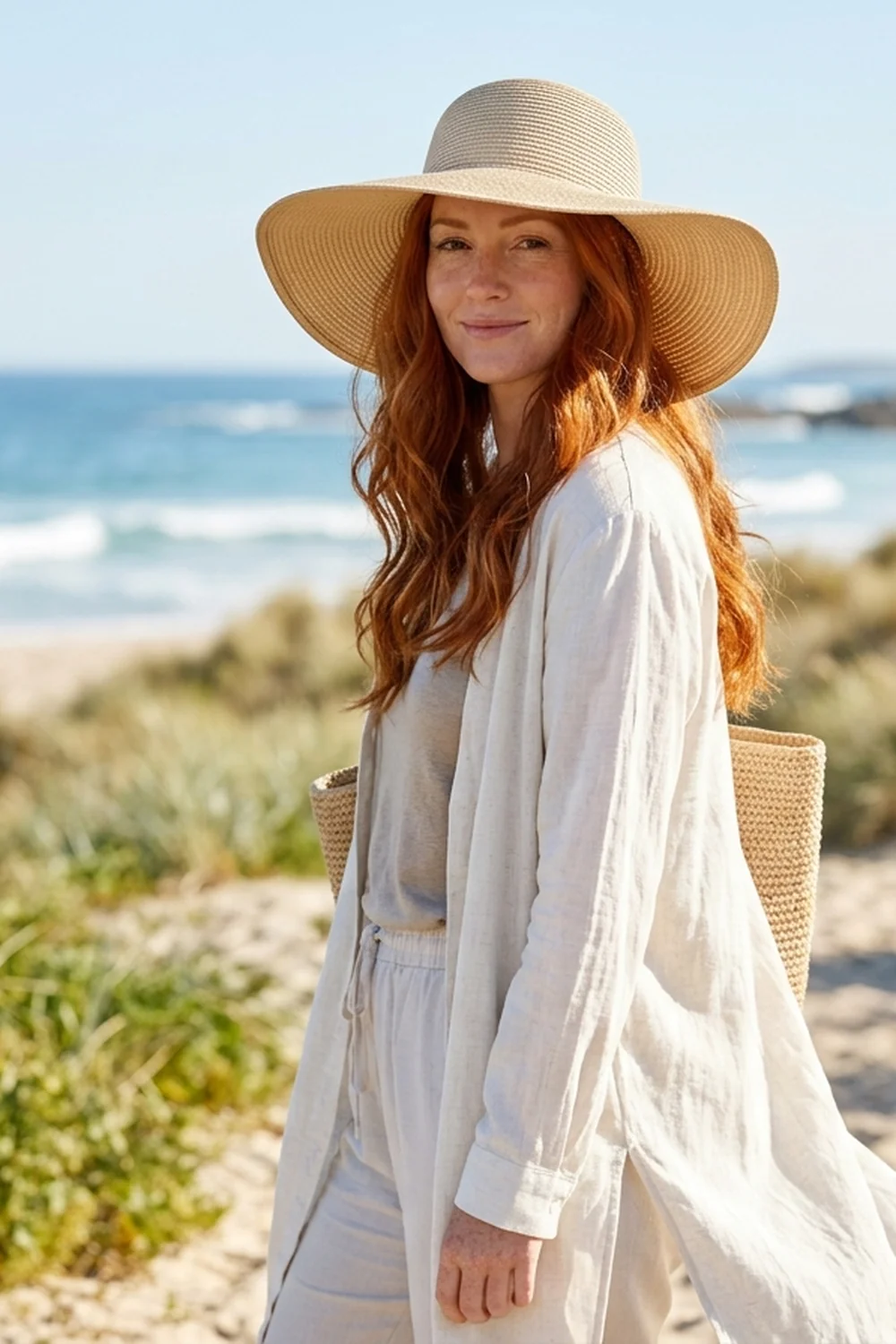
Selecting sun-safe beach attire requires understanding Ultraviolet Protection Factor (UPF) ratings, which indicate how much UV radiation a fabric allows to reach the skin, as verified by the University of Arizona Skin Cancer Institute. Prioritizing these ratings is a vital health consideration that works alongside your aesthetic choices. When you dress for the coast, the right fabric serves as your primary defense against sun exposure while maintaining your personal style.
Selecting Fabrics for Coastal Comfort
Fabric density and fiber type play significant roles in how well a garment protects you. Denser weaves naturally block more light, reducing the amount of radiation that penetrates the material. Linen, a bast fiber derived from the flax plant, is known for high breathability and durability. Synthetic fabrics like polyester and nylon generally dry faster than natural fibers like cotton in high humidity environments, which helps maintain comfort during long beach days. Viscose is often used for its soft, flowy drape, though it may offer different protective properties compared to tightly woven synthetics.
Choosing Colors for Aesthetic Outfits for Women with Red Hair
When selecting aesthetic outfits for women with red hair, your wardrobe choices can highlight your complexion through careful coordination. Common guidance suggests that colors appearing opposite on the color wheel, such as shades of green, teal, and blue, often provide a complementary effect. Your specific skin tone also influences these choices. Cool toned skin with red hair often pairs best with jewel tones like emerald and navy, while warm toned skin with red hair often pairs best with earthy tones like olive, mustard, and deep gold. Understanding these nuances helps you select beach dresses that feel both intentional and flattering.
Maintaining Your Beach Wardrobe
Beyond the weave, the longevity of your garment matters. Exposure to direct sunlight causes color fading in natural dyes faster than in synthetic reactive dyes, meaning your vibrant beachwear may lose its saturation over time. Additionally, common guidance suggests that saltwater exposure can degrade elastic fibers like spandex in swimwear and beach dresses. To keep your favorite maxi dress, which is typically defined as reaching the ankles or floor, in top condition, rinse it with fresh water after beach use and avoid prolonged sun exposure when not in use.
| Consideration | Practical Tip |
|---|---|
| UV Protection | Look for explicit UPF labels on garments. |
| Drying Speed | Opt for synthetic blends in high humidity. |
| Color Vibrancy | Prefer synthetic reactive dyes for sun resistance. |
By balancing functional fabric choices with a thoughtful approach to color, you can curate a summer wardrobe that supports both your skin health and your signature look.
Outfit Color Palettes

Refining your wardrobe through color analysis helps ensure your clothing highlights your natural features. When curating fashion-forward looks for women with red hair, the goal is to create harmony between your hair tone and your skin undertones. Cool toned skin with red hair often pairs best with jewel tones like emerald and navy. Conversely, those with warm toned skin with red hair often find that earthy tones like olive, mustard, and deep gold provide a more balanced look. When exploring how to coordinate shades for redheads, common guidance suggests that complementary colors sit opposite on the color wheel, which typically includes shades of green, teal, and blue.
Material Selection for Coastal Travel
Beyond color selection, understanding the durability of your summer outfits for red hair is essential for coastal travel. Exposure to direct sunlight causes color fading in natural dyes faster than in synthetic reactive dyes, so storing garments out of direct light when not in use helps maintain their vibrancy. When considering how to style beach dresses, material choice plays a vital role in both comfort and longevity. Linen, a bast fiber derived from the flax plant, is prized for its high breathability and durability in humid climates. Viscose is a semi synthetic fiber made from regenerated cellulose that is commonly used for its soft, flowy drape in beachwear.
| Feature | Natural Dyes | Synthetic Reactive Dyes |
|---|---|---|
| Sunlight Resistance | Lower | Higher |
| Color Retention | Fades faster | More stable |
Practical Care and Sun Protection
Practical maintenance is necessary to combat the harsh beach environment. Saltwater exposure can degrade elastic fibers like spandex in swimwear and beach dresses over time, so rinsing garments in freshwater after each use is a recommended practice. When selecting pieces for sun-heavy environments, consider the Ultraviolet Protection Factor (UPF) rating, which indicates how much UV radiation a fabric allows to reach the skin. Synthetic fabrics like polyester and nylon generally dry faster than natural fibers like cotton in high humidity environments.
When selecting breezy garments for a beach setting, consider the hemline. A maxi dress length is typically defined as reaching the ankles or floor, which can offer more coverage against the sun while maintaining a relaxed aesthetic. To prevent wrinkling when packing these pieces, roll your garments tightly rather than folding them, which helps preserve the fabric structure of natural fibers like linen. By balancing these material properties with your personal color palette, you can build a versatile and resilient wardrobe that transitions effortlessly from the sand to evening dining.
Styling Beach Dresses for Redheads

Styling beach dresses for red hair involves balancing skin undertones with complementary shades while ensuring the garment is versatile enough to move from the shore to dinner. When curating fashion choices for red hair, consider that a maxi dress length is typically defined as reaching the ankles or floor, providing an elegant silhouette that covers more skin from the sun.
To successfully curate your look for coastal travel, follow these guidelines for fabric selection and maintenance:
- Cool toned skin with red hair often pairs best with jewel tones like emerald and navy, while warm toned skin with red hair often pairs best with earthy tones like olive, mustard, and deep gold.
- Linen is a bast fiber derived from the flax plant known for high breathability and durability, making it an excellent choice for keeping cool in humid coastal environments.
- Viscose is a semi synthetic fiber made from regenerated cellulose, often used for its soft, flowy drape, which creates a polished aesthetic when putting together lightweight garments.
- Synthetic fabrics like polyester and nylon generally dry faster than natural fibers like cotton in high humidity environments.
- To minimize wrinkling while packing, roll your dresses tightly rather than folding them, and hang them in a steamy bathroom immediately upon arrival to help release creases.
- Ultraviolet Protection Factor (UPF) ratings indicate how much UV radiation a fabric allows to reach the skin, which is a vital consideration for long days spent outdoors.
- Saltwater exposure can degrade elastic fibers like spandex in swimwear and beach dresses over time, so rinse garments thoroughly with fresh water after each use.
Transitioning your outfit from sand to sunset dining is simple when you focus on accessories and layering. A breezy maxi dress can look casual with flat sandals and a straw hat during the day, but you can elevate the look by adding a structured belt to define your waist and swapping into metallic wedges for the evening. If you are concerned about fabric longevity, keep in mind that exposure to direct sunlight causes color fading in natural dyes faster than in synthetic reactive dyes. Choosing high quality synthetic blends or properly treated natural fibers will help your favorite pieces maintain their vibrancy through many seasons of travel.
Styling Mistakes for Redheads
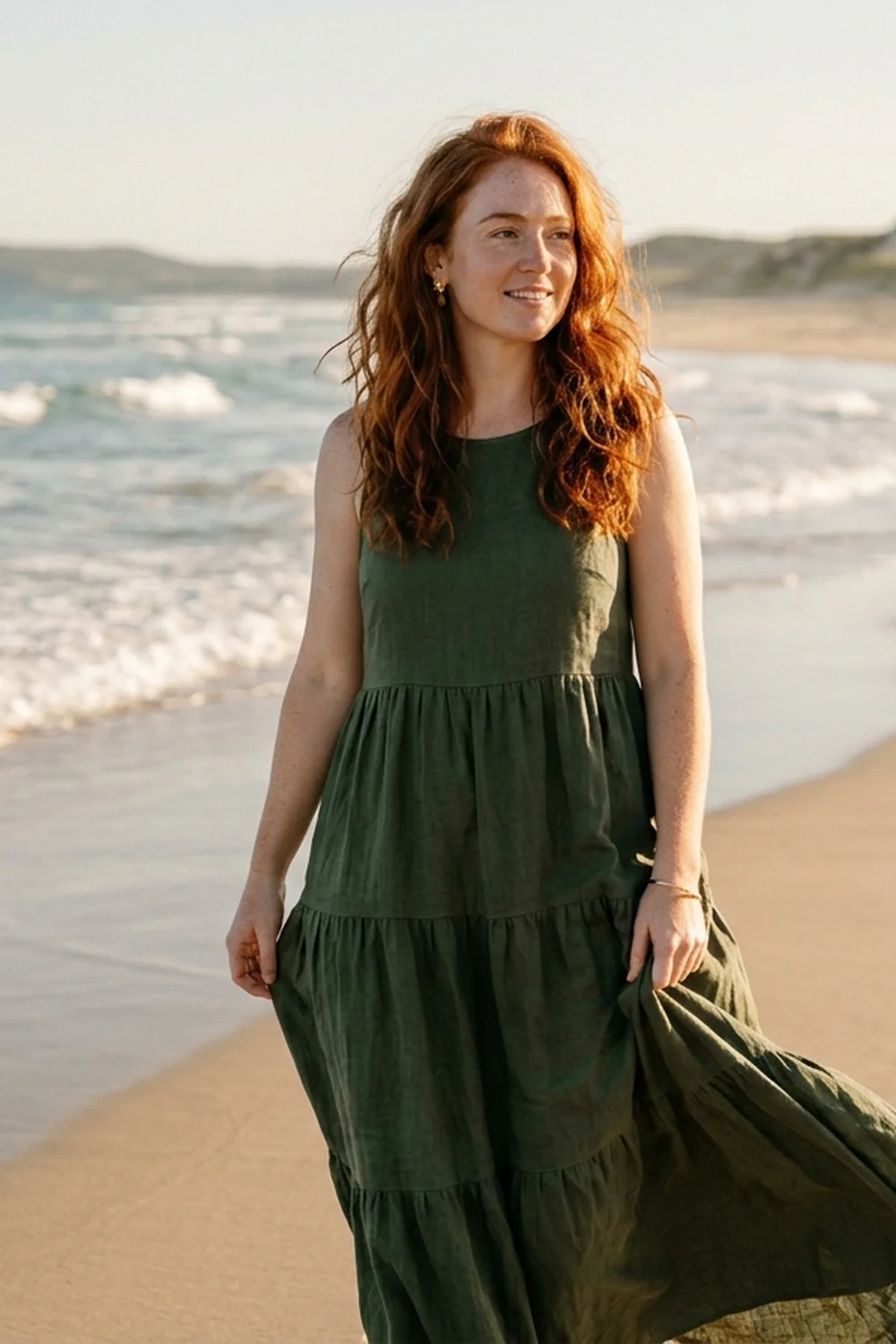
Creating polished looks for red-haired women requires balancing the intensity of your hair color with your natural skin undertones. A common error is choosing shades that compete with your hair rather than complementing it, which can result in a washed-out appearance. By using the principles of color coordination, you can curate a wardrobe that enhances your features rather than clashing with them.
Mastering Color Harmony
When selecting your color palette, consider common guidance based on the color wheel. Shades that sit opposite your hair color, such as greens, teals, and blues, typically provide a balanced look. If you have cool toned skin, jewel tones like emerald and navy are verified choices that highlight your complexion. Conversely, if you have warm toned skin, earthy tones such as olive, mustard, and deep gold are verified to harmonize well with your red hair.
Fabric Selection for Coastal Environments
Learning how to style beach dresses involves more than aesthetics. Humidity management is a critical factor for comfort. While linen, a bast fiber derived from the flax plant, is prized for its high breathability and durability, it remains damp in humid climates. If your goal is quick drying, prioritize synthetic fabrics like polyester and nylon, which are verified to dry faster than natural fibers in high humidity. For those who prefer a soft, flowy drape, viscose is a common choice, though it is a semi-synthetic fiber that may not offer the same performance as specialized moisture-wicking synthetics.
Protecting Your Wardrobe at the Beach
Beach vacations present unique challenges for fabric care. Exposure to direct sunlight causes color fading in natural dyes faster than in synthetic reactive dyes, meaning vibrant pieces may lose their luster over time. Furthermore, Ultraviolet Protection Factor (UPF) ratings, which indicate how much UV radiation a fabric allows to reach the skin, should be a primary consideration for sun protection. To ensure the longevity of your seasonal vacation wear, follow these maintenance practices:
| Factor | Best Practice |
|---|---|
| Saltwater | Rinse garments thoroughly to prevent salt crystals from degrading elastic fibers like spandex. |
| Sand | Shake out garments to prevent abrasive damage to delicate threads and weaves. |
| Moisture | Avoid leaving wet clothing in piles to prevent mold and the breakdown of fabric integrity. |
When choosing a maxi dress, which is typically defined as reaching the ankles or floor, always check the care labels to ensure the material can withstand the specific environment of your destination. By selecting the right colors and fabrics, you can enjoy a polished, comfortable, and durable look throughout your vacation.
FAQ
What colors look best on red hair?
Common guidance suggests that complementary colors for red hair sit opposite on the color wheel, typically including shades of green, teal, and blue. Cool toned skin with red hair often pairs best with jewel tones like emerald and navy, while warm toned skin with red hair often pairs best with earthy tones like olive, mustard, and deep gold.
How do I style a beach dress?
You can elevate your personal style when choosing fashion for redheads by selecting pieces that balance the vibrant tones of your hair with the relaxed atmosphere of the coast. Consider a maxi dress, which is typically defined as reaching the ankles or floor, to create a graceful silhouette that moves well in sea breezes.
What materials are best for hot weather?
Linen is a bast fiber derived from the flax plant known for high breathability and durability, making it an excellent choice for beach environments. Additionally, it is common practice to use viscose, a semi synthetic fiber made from regenerated cellulose, because it provides a soft, flowy drape that stays comfortable in the heat.
Do synthetic fabrics dry faster than natural fibers?
Synthetic fabrics like polyester and nylon generally dry faster than natural fibers like cotton in high humidity environments. This makes synthetic blends a practical choice for beachwear when you need your clothing to recover quickly after time spent near the water.
How does sunlight affect my clothing?
Exposure to direct sunlight causes color fading in natural dyes faster than in synthetic reactive dyes. To keep your looks vibrant throughout a long vacation, consider the longevity of the fabric dyes and be aware that saltwater exposure can degrade elastic fibers like spandex in beach dresses over time. Additionally, remember that Ultraviolet Protection Factor ratings indicate how much UV radiation a fabric allows to reach the skin.
Conclusion
Selecting the right beach attire involves balancing your personal skin tone with functional fabric choices that endure coastal elements. By identifying whether your complexion leans toward cool jewel tones or warm earthy shades, you can confidently curate an aesthetic look that highlights your natural vibrancy. Before your next trip, assess your current wardrobe for breathable fibers like linen, which is derived from the flax plant, or soft viscose to ensure comfort under the sun. Finally, prioritize pieces that offer the right balance of style and durability to keep your vacation look effortless from the sand to the shore.
You might also like: 19 Floral Beach Dress Outfits Women Trending Now Style