15 Sewing Machine Projects at Home for Total Beginners
Introduction
Ready to start sewing but worried that you need advanced skills first? These sewing machine projects you can make at home without experience are designed to help total beginners create useful, attractive pieces without feeling overwhelmed. From simple fabric accessories and storage solutions to practical kitchen and home projects, each idea introduces manageable techniques you can build on.
You do not need a complicated pattern collection or an expensive setup to begin. A basic sewing machine, suitable fabric, thread, scissors, and a little patience are enough for many of these projects. I’ve found that starting with smaller pieces makes it easier to understand stitching, seam allowances, pressing, and fabric control. As your confidence grows, you can move toward larger and more detailed creations. Whether you want to refresh your home, organize everyday items, or simply enjoy a rewarding creative hobby, these beginner-friendly ideas give you plenty of inspiration to start stitching.
Simple Scrunchies
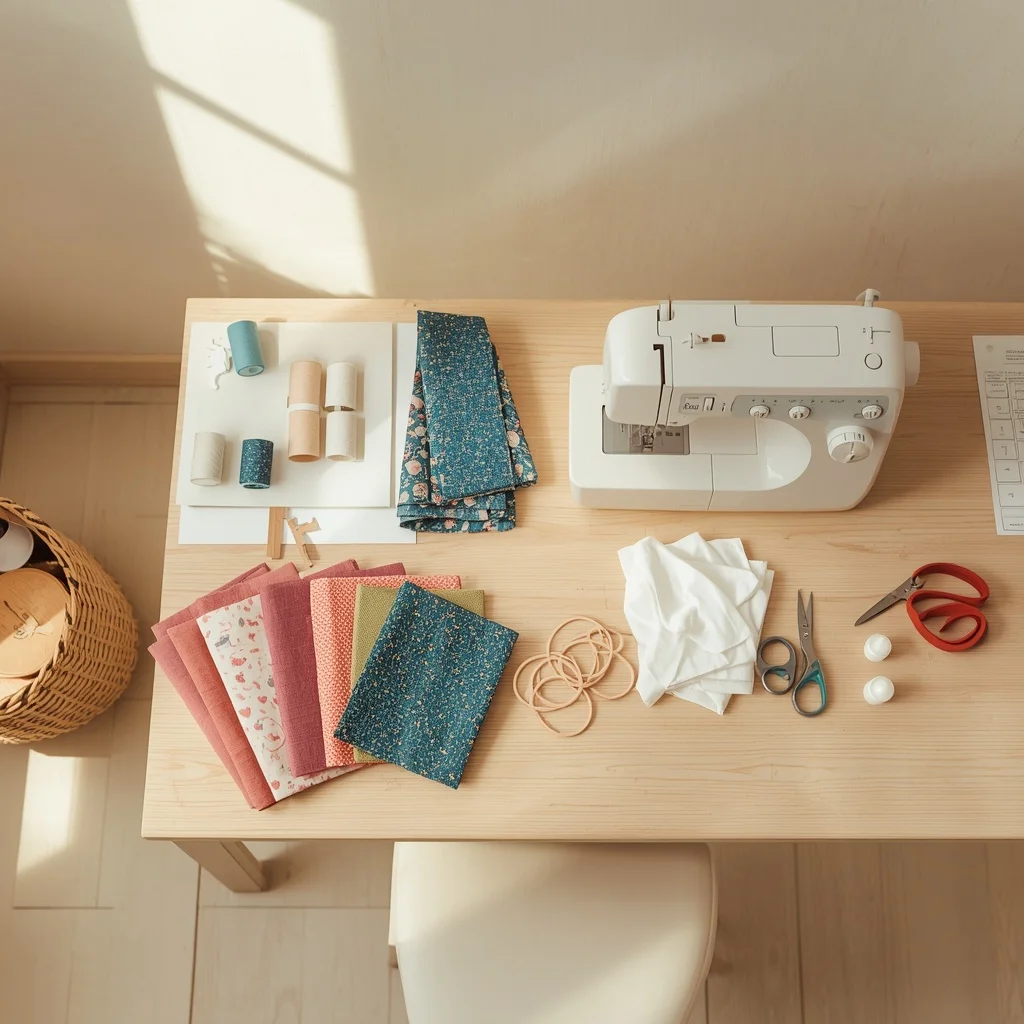
Bright fabric scrunchies make an ideal first project because they use straight seams and simple shapes. Choose cotton in soft florals, checks, or solid colors, then pair each print with matching elastic. The finished pieces add a handmade touch to everyday outfits without requiring advanced techniques. I’ve noticed beginners gain confidence quickly when a project has a clear start and finish. Keep fabric pieces small and manageable, and practice guiding the material evenly beneath the presser foot. Once your stitching looks consistent, you can experiment with different widths, textures, and color combinations.
Start with a few cheerful fabrics and turn them into useful accessories you can wear or gift. The narrow seam makes this project approachable, while the repeated process helps you become comfortable controlling fabric with a machine. It also teaches important basics such as backstitching, seam allowance, and handling elastic. For a polished result, press the fabric before sewing and avoid pulling it through the machine. A tidy seam makes the scrunchie look professionally finished. In my experience, making several at once is especially satisfying because each new piece feels faster and more confident.
Envelope Pillow
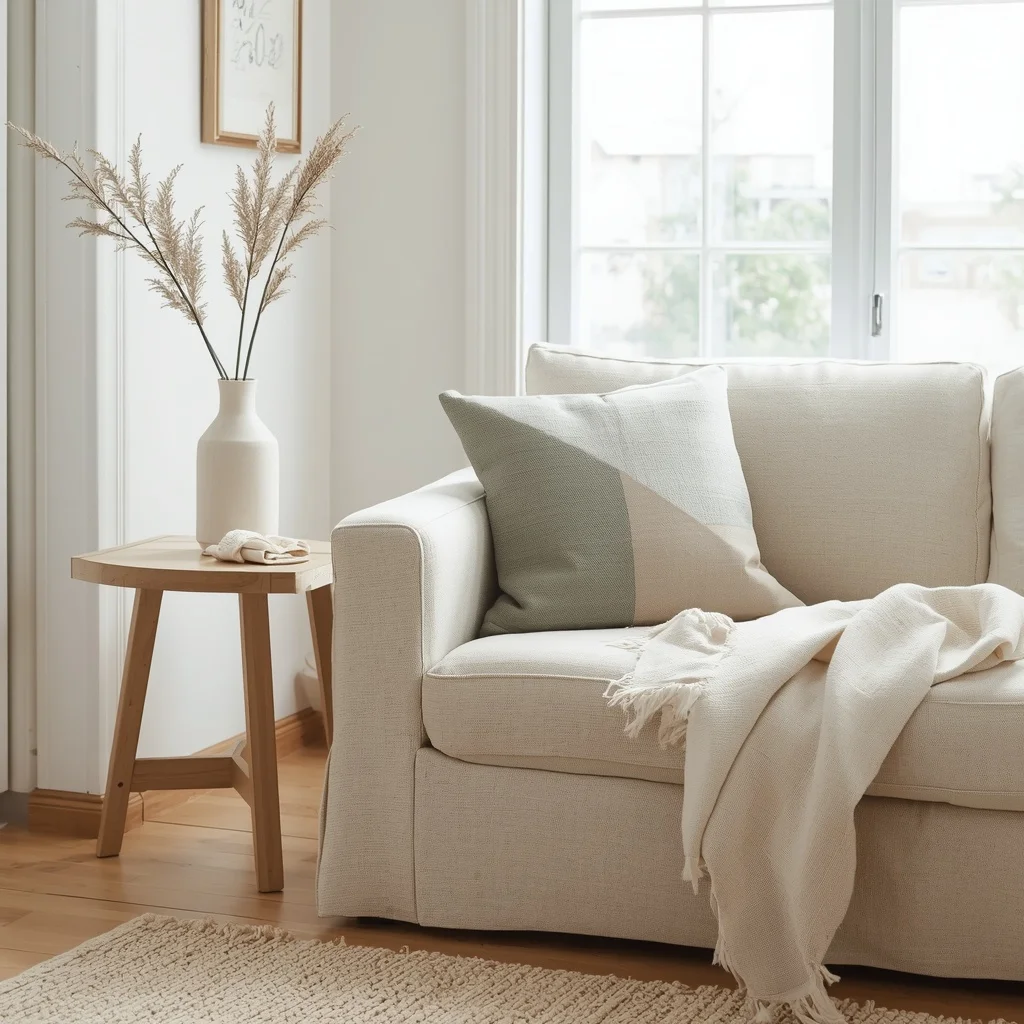
Few beginner projects offer such a visible home transformation as a fresh pillow cover. An envelope style keeps construction straightforward because you can focus on measuring, pressing, and sewing clean seams instead of installing hardware. Choose medium-weight cotton or linen for a crisp shape that still feels comfortable. I’ve found that careful pressing between sewing steps makes an enormous difference in the final appearance. A well-measured cover should fit snugly without looking strained. Make one for your sofa first, then coordinate another with a chair, reading corner, or bedroom bench for a cohesive look.
Ready for a quick room refresh? A handmade pillow cover can change the character of a space using only a small amount of fabric. Try mixing a solid base with a subtle pattern, or repeat one color already present in your room. The removable envelope design is also practical for washing and switching covers whenever your decor changes. Beginners can use this project to practice straight stitching, seam finishing, and accurate cutting while creating something genuinely useful. Once you understand the measurements, you can easily scale the pattern for different cushion sizes and build a coordinated collection.
Fabric Coasters
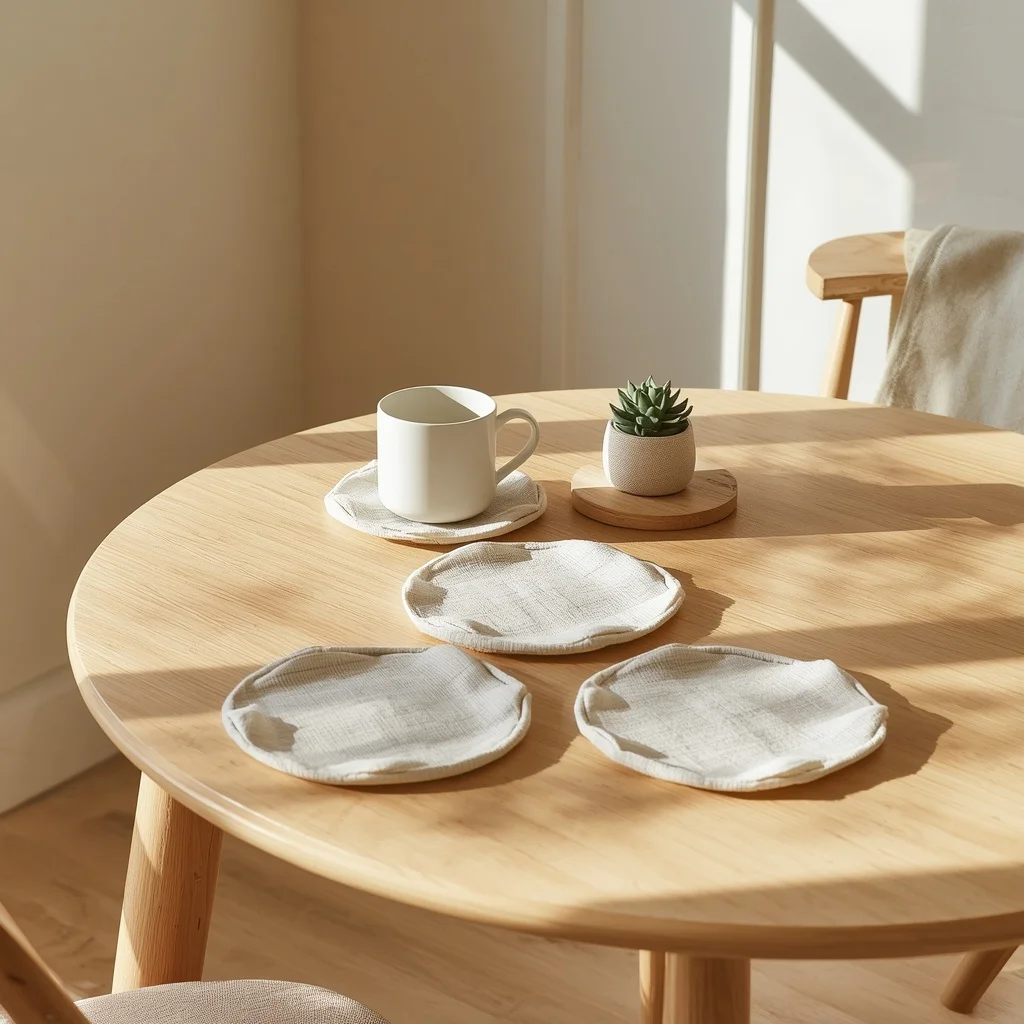
Small projects can teach big sewing lessons, and fabric coasters are a perfect example. Their compact size lets you practice accurate cutting, layered construction, corner turning, and topstitching without committing to a large project. Use two cotton squares with a thin layer of batting between them for extra body and absorbency. Rounded corners can make the finished set look softer and more polished. I’ve seen beginners enjoy this project because mistakes are easier to spot and fix on a small scale. Once one coaster is complete, repeating the steps becomes simple and reassuring.
Give your coffee table a handmade upgrade with coordinated coasters that combine function and personality. Choose fabrics that echo your room’s existing palette so the finished set feels intentional rather than random. You can make every coaster identical for a clean look or mix several prints for a playful arrangement. The project also provides useful practice with seam allowances and pressing, skills that transfer directly to larger sewing projects. For durability, reinforce the stitching around the edges and wash the finished pieces according to the fabric instructions. A small handmade set can make everyday moments feel surprisingly special.
Fabric Storage Basket
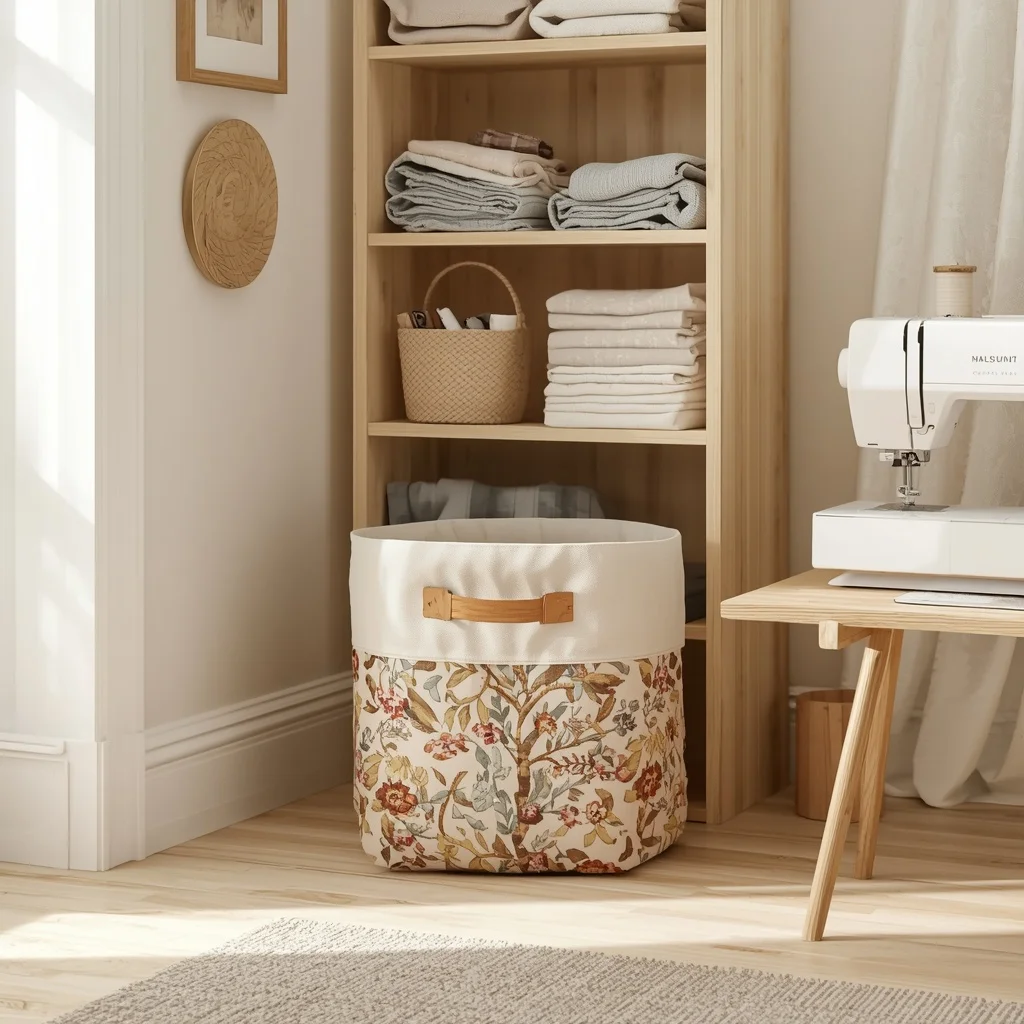
Turn leftover fabric into a practical basket that keeps small sewing supplies neatly organized and easy to reach. This project is beginner-friendly because the pieces are simple rectangles, while the finished shape introduces useful skills such as layering, clipping, and stitching around corners. Choose sturdy cotton or canvas for better structure, and add interfacing if your fabric feels too soft. In my experience, pressing each panel before assembly makes the basket noticeably neater. Use it for thread, clips, ribbons, toiletries, or desk supplies, then make another in a coordinating print.
A handmade fabric basket can bring instant order to a crowded craft corner without making the room feel overly practical. Place one beside your sewing machine for thread and bobbins, or use a larger version to collect fabric scraps between projects. Neutral fabrics create a calm storage solution, while colorful prints add personality to shelves and open cubbies. The construction gives beginners valuable practice with seams, corners, and structured layers. Keep the first basket modest in size so the fabric remains easy to control. Once comfortable, adjust the dimensions to create matching organizers throughout your home.
Table Runner
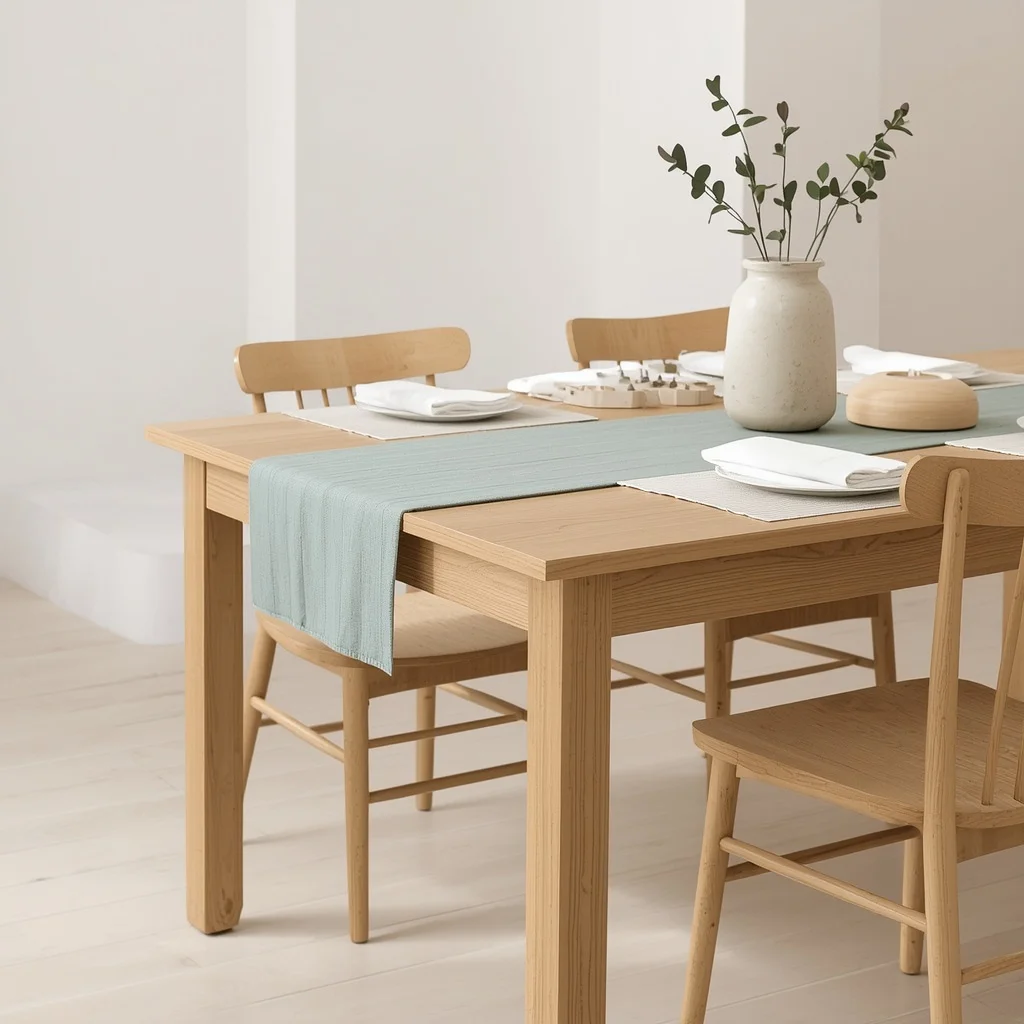
Give your table a softer, more polished look with a handmade table runner that instantly defines the dining area. Beginners can start with a long rectangle, making this project mainly about accurate measuring, straight stitching, and clean pressing. Select cotton or linen in a shade that complements your dishes, chairs, or existing textiles. A simple stripe can create a tailored appearance, while a small floral print feels more relaxed. I’ve found that pressing the hem before sewing helps maintain an even edge. Start with a narrow runner if you want an easier first attempt.
A simple runner can make an everyday table feel thoughtfully styled without adding complicated sewing techniques. Use it beneath a centerpiece, across a console, or along a breakfast table to introduce texture and color. Coordinating napkins can later turn the project into a complete handmade dining set. For beginners, the biggest advantage is repetition: long, straight seams help you practice keeping fabric aligned while building confidence with your machine. Choose washable material if the runner will be used frequently. Once finished, pair it with simple ceramics, greenery, and woven accents for an inviting arrangement.
Zippered Pouch
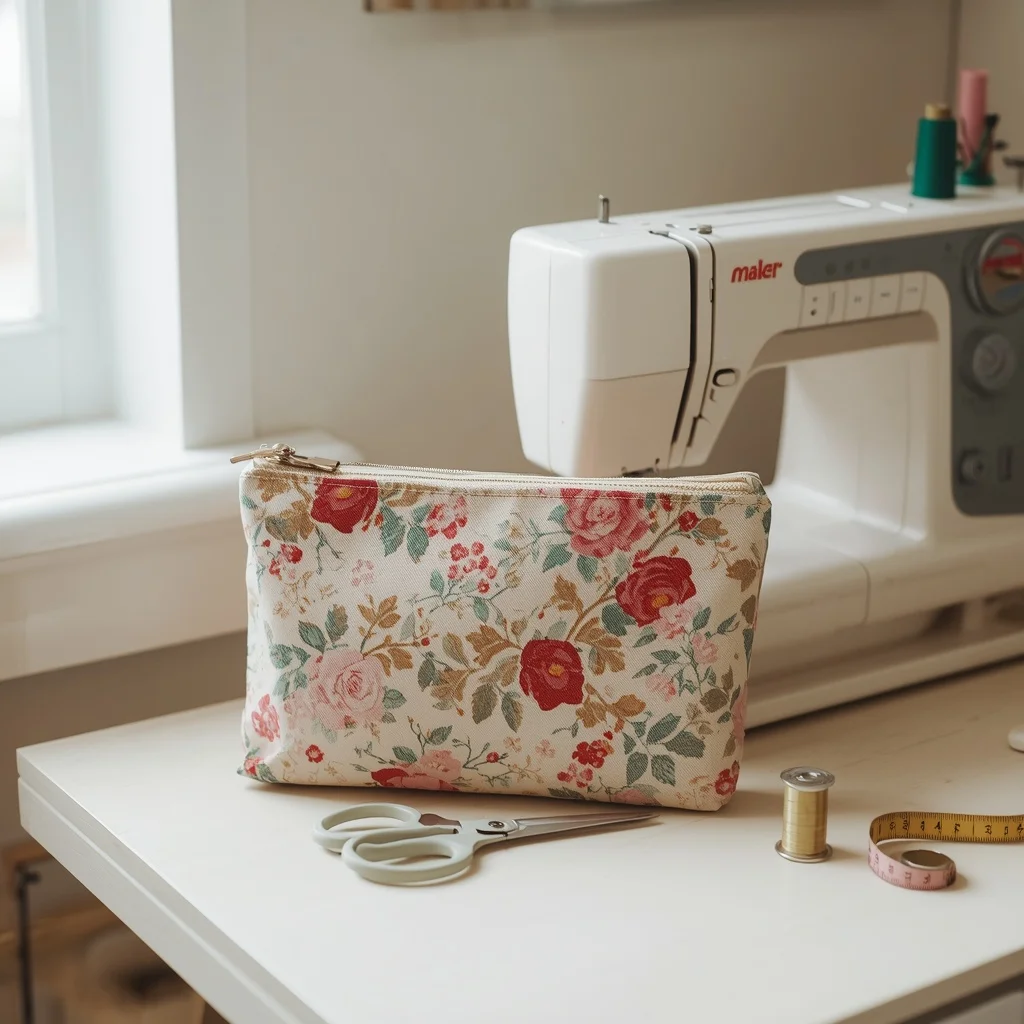
Create a useful zippered pouch while learning one of the sewing skills that often feels intimidating at first. Start with a small rectangular design and use medium-weight cotton so the fabric stays stable during stitching. A zipper foot can make installation easier, but take your time and pin or clip the layers carefully. I’ve noticed that beginners have better results when they avoid rushing near the zipper teeth. The pouch can hold makeup, charging cables, pens, or sewing notions. Choose a contrasting zipper for a playful detail or a matching one for a polished finish.
A compact pouch is one of those handmade projects that quickly becomes part of everyday life. Keep one inside a handbag for small essentials, place another in a desk drawer, or make a set for organizing travel items. The project teaches zipper handling, accurate seam allowances, and controlled stitching while remaining small enough to manage comfortably. Add a simple fabric lining for a cleaner interior and extra durability. Beginners can begin with a basic rectangular shape before trying boxed corners or wrist straps. With practice, the same construction can become the foundation for larger bags and cases.
Reusable Bowl Covers
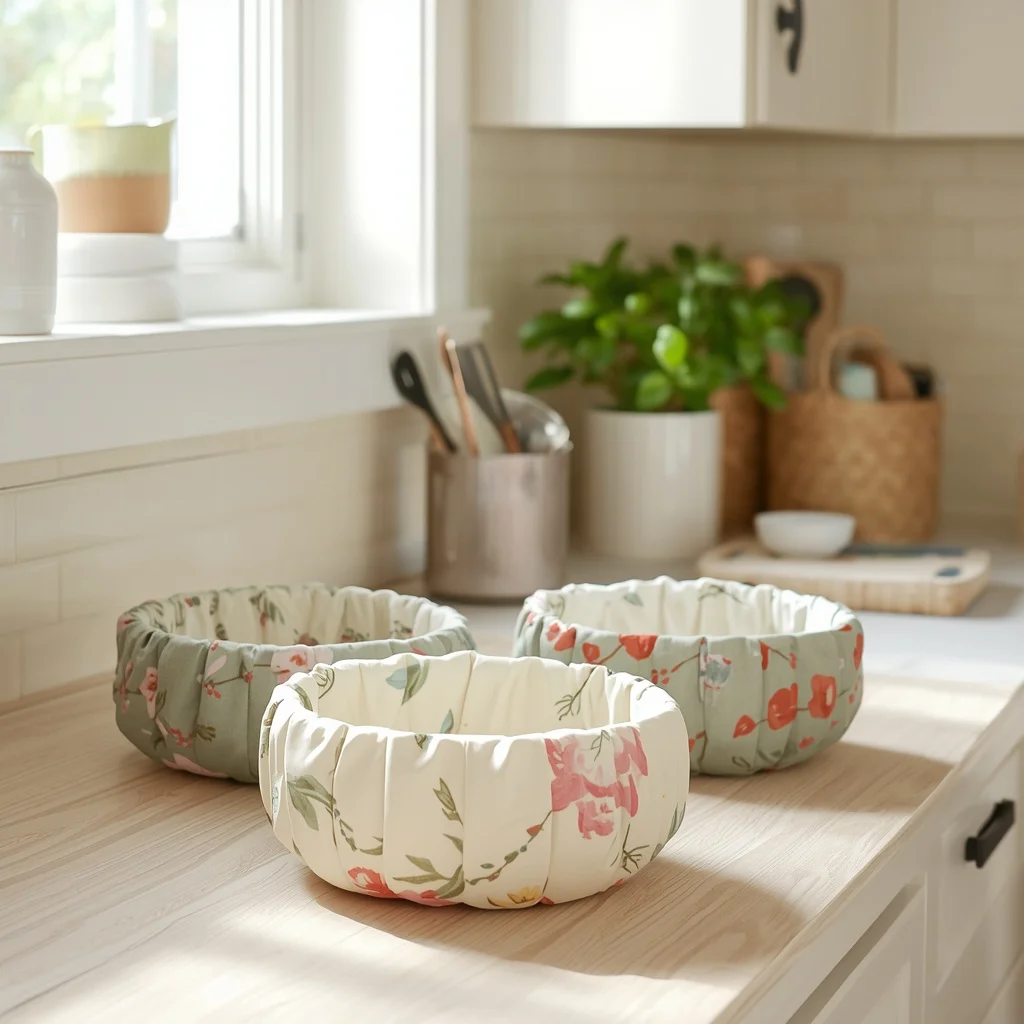
Make your kitchen a little more practical with reusable bowl covers that replace disposable wraps for many everyday situations. Their simple construction helps beginners practice curved edges, gathering, and elastic insertion without requiring complicated pattern pieces. Choose lightweight cotton that is easy to manipulate, then measure carefully around the bowls you use most often. I’ve found that making one smaller cover first helps you understand the fit before moving to larger sizes. Floral, gingham, or neutral fabrics can also turn an ordinary kitchen essential into something attractive enough to leave on display.
These covers are especially useful when you regularly prepare food ahead of time or need a quick way to protect leftovers. Make several sizes so they can fit small prep bowls, medium serving dishes, and larger mixing bowls. The elastic edge keeps the cover secure while allowing it to be removed easily when needed. Choose washable fabric and follow its care instructions to keep the covers fresh between uses. For a coordinated kitchen, repeat one color from your towels or table linens. This project combines practical function with simple sewing skills you can reuse in future projects.
Simple Tote Bag
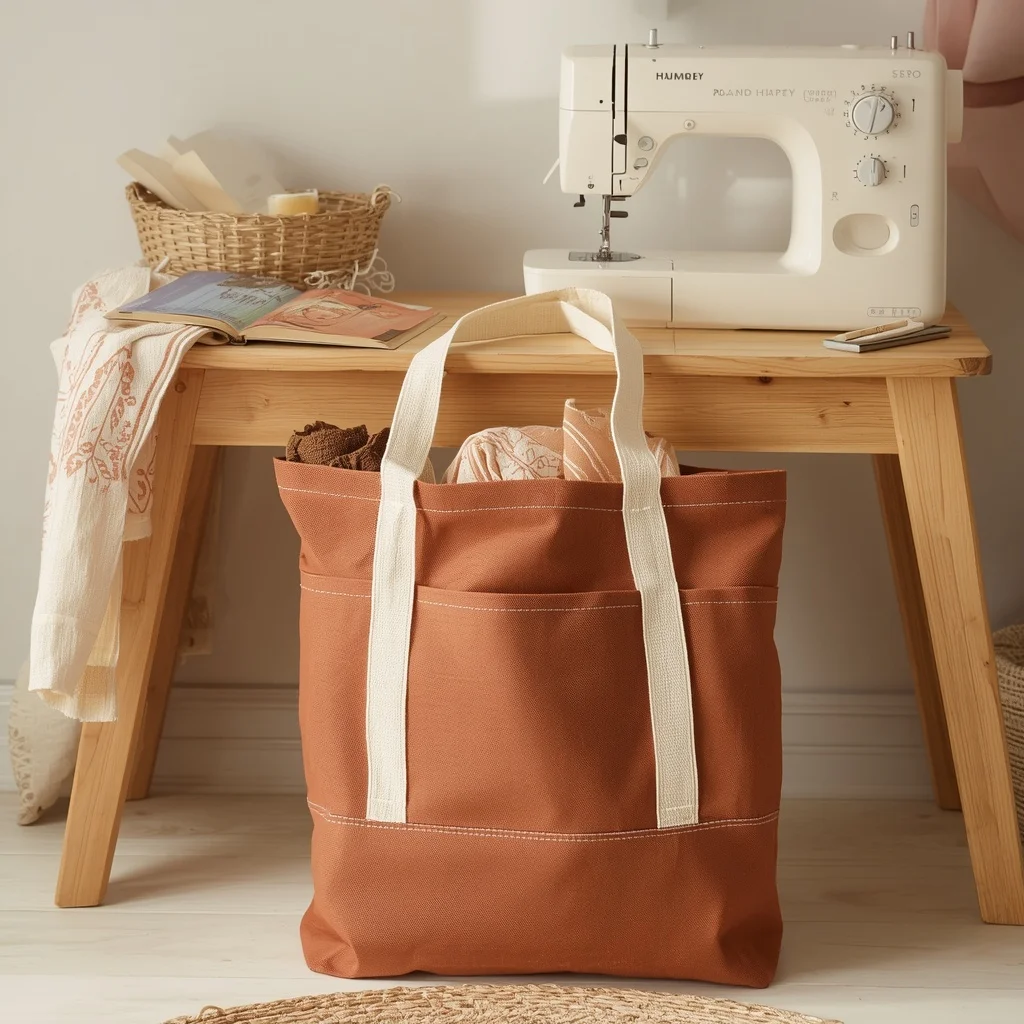
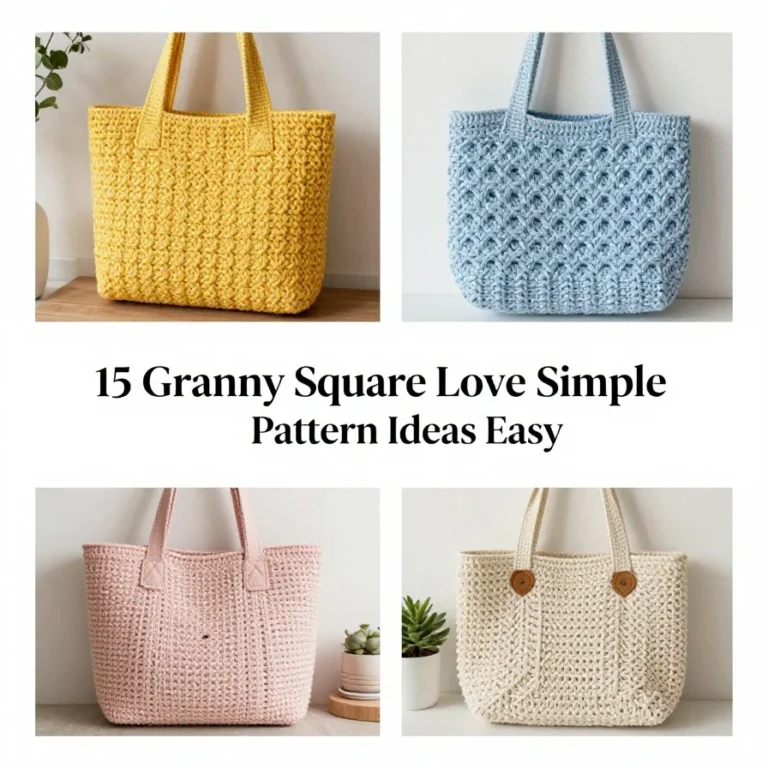
A simple tote bag gives beginners the satisfaction of creating something they can carry outside the house. Keep the first version uncomplicated with a rectangular body and sturdy cotton or canvas fabric. Straight seams make the construction approachable, while the handles introduce useful reinforcement techniques. Choose a solid color for a minimalist appearance or use a bold print for something more expressive. I’ve seen beginners become much more comfortable with their machines after making a tote because the project provides plenty of practice with long seams. Take your time around corners and reinforce high-stress areas.
A handmade tote can become a dependable everyday bag for books, groceries, craft supplies, or quick errands. Its roomy shape makes it forgiving when you are still learning accurate cutting and stitching. Once the basic version feels comfortable, add an interior pocket for keys or smaller items. You can also experiment with different handle lengths and fabrics to change the bag’s purpose. For a polished finish, press the seams as you work and reinforce the handle attachment points. Making two or three coordinated totes is another easy way to practice while creating useful gifts.
Fabric Headband
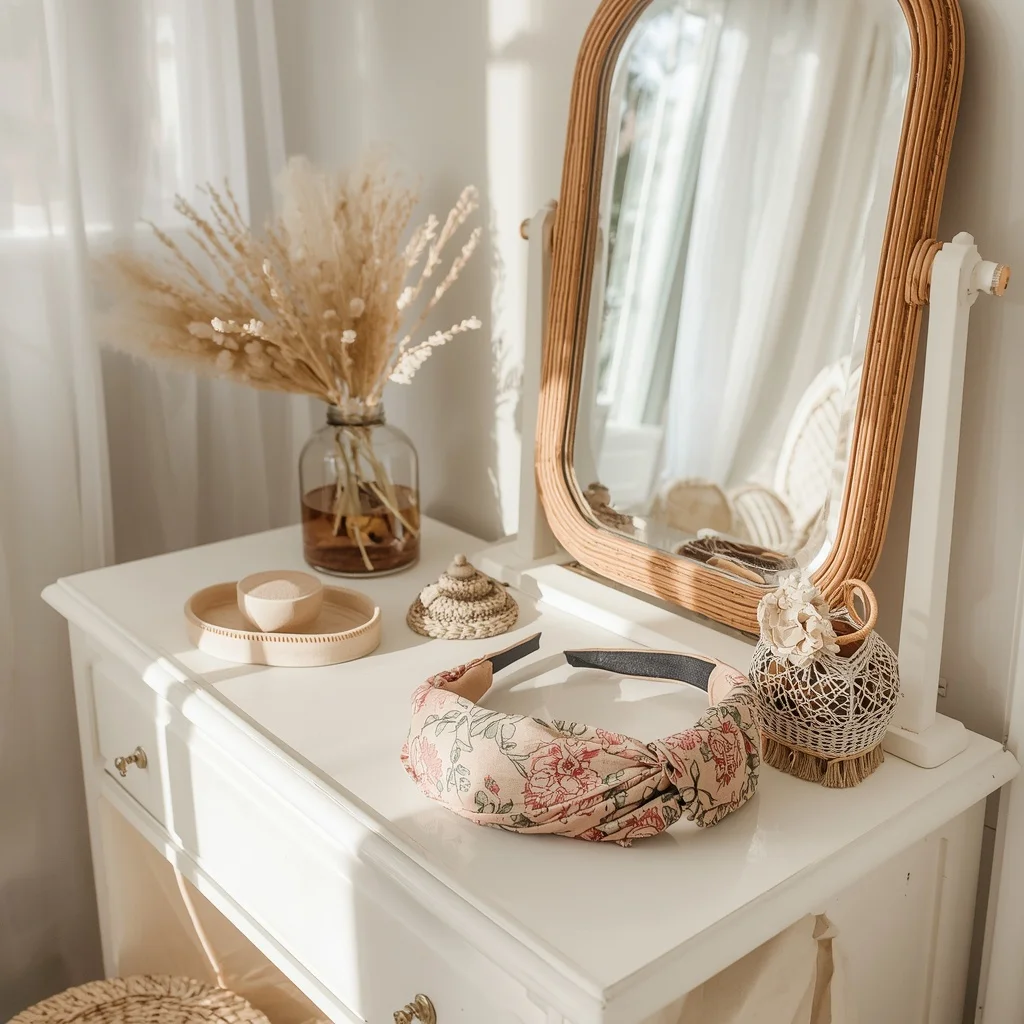
Add a handmade accessory to your wardrobe with a comfortable fabric headband that can be completed using simple machine stitching. Soft cotton works especially well because it is easy to sew and comfortable against the hair. A narrow design is a good starting point, while a slightly wider version can create a more noticeable style. Choose two coordinating fabrics if you want a reversible piece. In my experience, beginners often enjoy accessories because the projects are small enough to finish quickly while still looking polished. Take accurate measurements so the finished band feels secure without becoming uncomfortable.
A fabric headband can also be a smart way to use attractive scraps that are too small for larger sewing projects. Floral prints, subtle checks, and textured solids can all create different moods without changing the basic construction. Use the finished accessory for everyday outfits, relaxed weekends, or keeping hair away from your face while working. Pay attention to the elastic length and test the fit before permanently closing the seam. Once you understand the construction, experiment with gathered sections, simple bows, or contrasting fabrics to create personalized versions for different outfits.
Pin Cushion
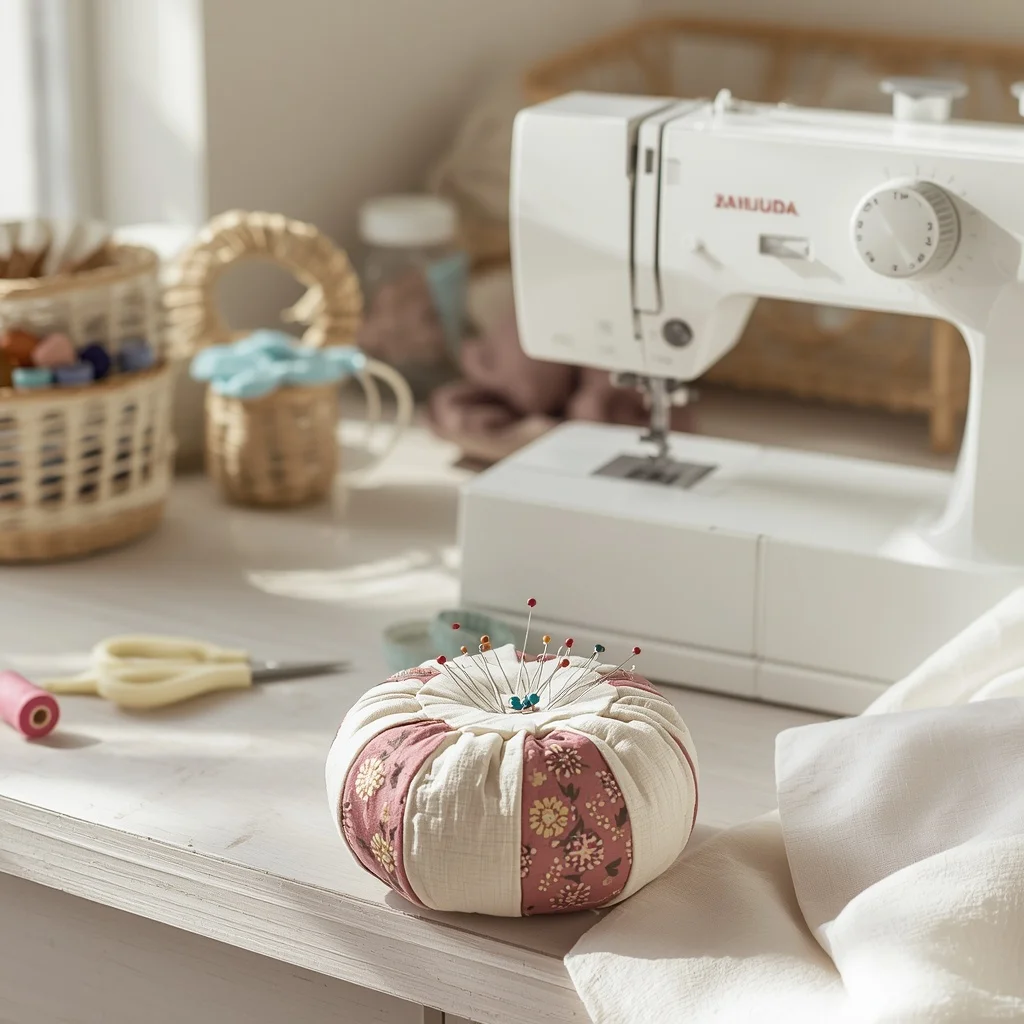
A handmade pincushion is tiny, but it teaches several useful sewing fundamentals while solving a real workspace problem. Small fabric pieces make this an excellent scrap project, and the simple shape allows beginners to concentrate on neat stitching rather than complicated construction. Choose tightly woven cotton and fill the cushion firmly enough to hold pins securely. A decorative button can cover the center and add a finished touch. I’ve found that projects this small are useful for practicing controlled sewing because every stitch is easy to see. Keep the finished cushion beside your machine for quick access.
A well-designed pincushion can make your sewing area feel more organized while keeping frequently used pins in one convenient place. Try a classic round shape first, then experiment with squares, flowers, or miniature cushion designs once you feel comfortable. Coordinating fabrics can make the accessory look intentional rather than purely functional. Use firm stuffing so pins stay upright without disappearing into the cushion. You can even make several versions from leftover material and place them around different work areas. The project is quick enough for beginners to complete in one sitting and useful enough to keep using.
Simple Apron
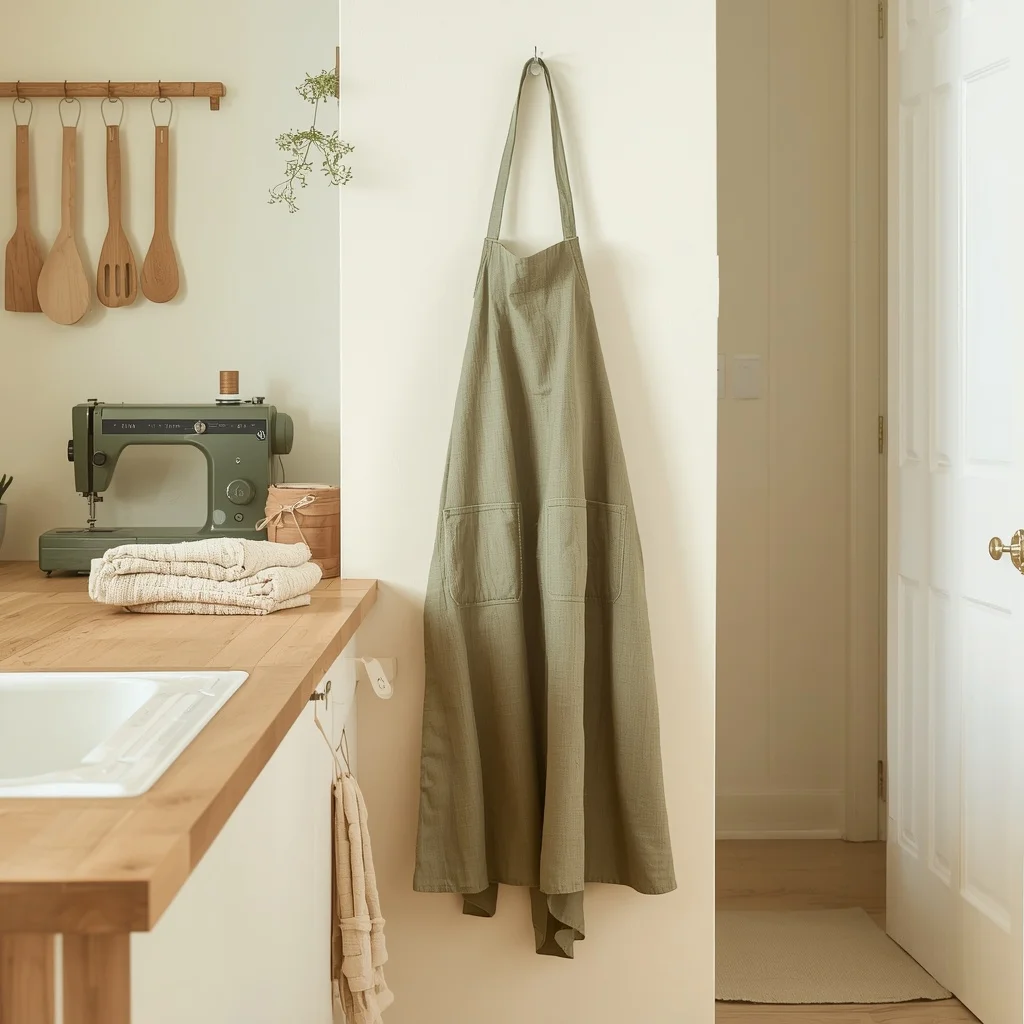
A simple apron is a rewarding beginner project because it combines useful construction techniques with something you can wear immediately. Start with a straightforward body shape and avoid complicated curves or multiple panels until you are comfortable with the machine. Medium-weight cotton is easy to handle and provides enough structure for everyday kitchen use. Pay special attention to the ties because they receive frequent pulling during wear. I’ve noticed that pressing hems before stitching helps beginners maintain cleaner edges around larger pieces. Add a roomy front pocket to make the finished apron even more practical.
Bring a handmade touch to cooking, baking, crafting, or gardening with an apron designed around your everyday routines. A neutral fabric creates a timeless appearance, while stripes, checks, and small floral prints can add personality. The large surface also gives you plenty of practice keeping fabric aligned during longer seams. Once the basic apron is finished, you can personalize it with contrasting pockets, simple topstitching, or fabric ties. Washable cotton makes maintenance easy and keeps the project practical. Make one for yourself first, then use the same construction to create thoughtful handmade gifts.
Fabric Bookmarks
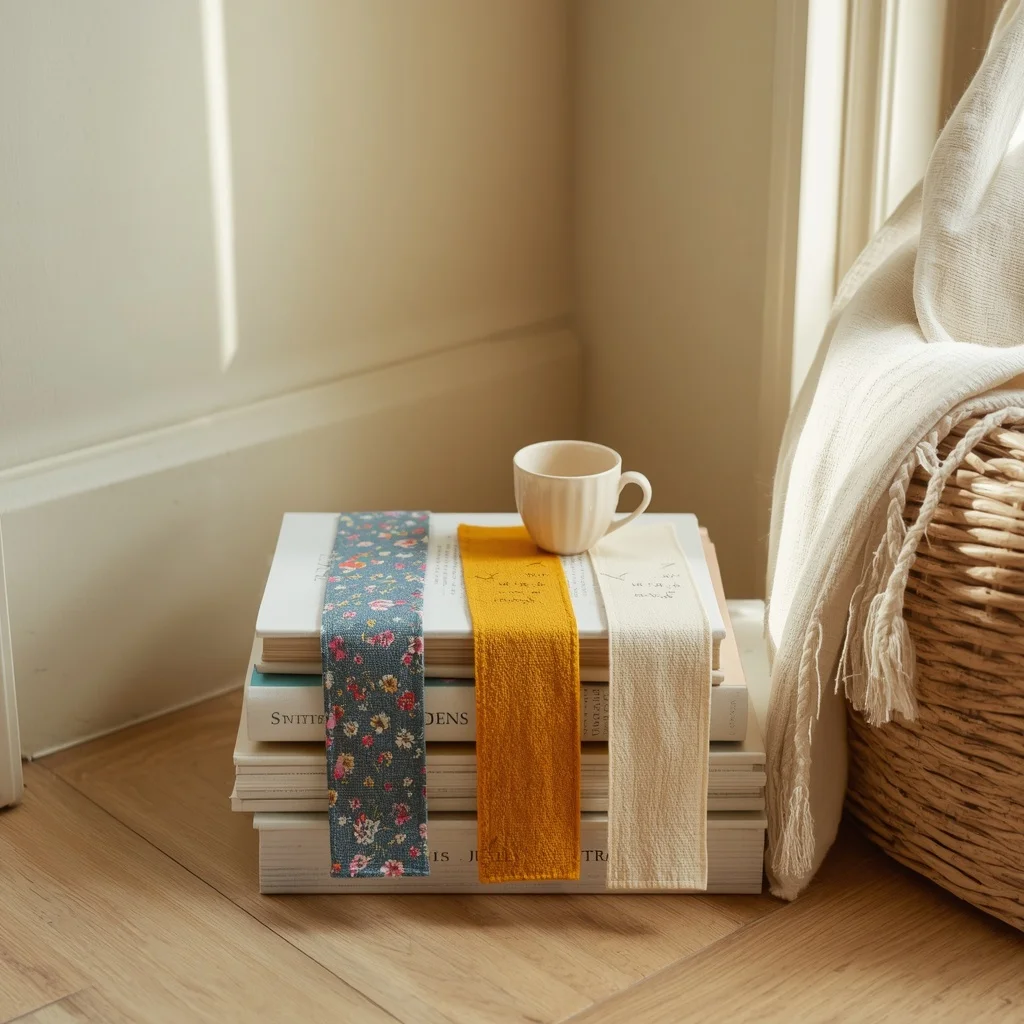
Turn small fabric remnants into colorful bookmarks that make reading feel a little more personal. Their narrow shape requires only a small amount of material, making them an excellent way to use scraps left from larger projects. Beginners can practice straight seams, turning corners, pressing, and edge stitching without dealing with bulky fabric. Add lightweight interfacing if your chosen cotton feels too floppy. In my experience, making several bookmarks together is an easy way to reinforce consistent seam control. Choose coordinating prints or mix different colors for a cheerful collection that can also become simple handmade gifts.
A fabric bookmark is useful, attractive, and quick enough to finish when you have only a short amount of sewing time. Make one for your favorite book, keep another in a planner, or create a small set for friends and family. Contrasting fabrics can make each side look different, while a simple topstitched border gives the bookmark a crisp finish. Because the pieces are so small, accuracy matters more than speed. Take your time measuring and pressing each strip. Once you understand the basic construction, you can add ribbons, decorative stitching, or small fabric tabs.
Drawstring Bag
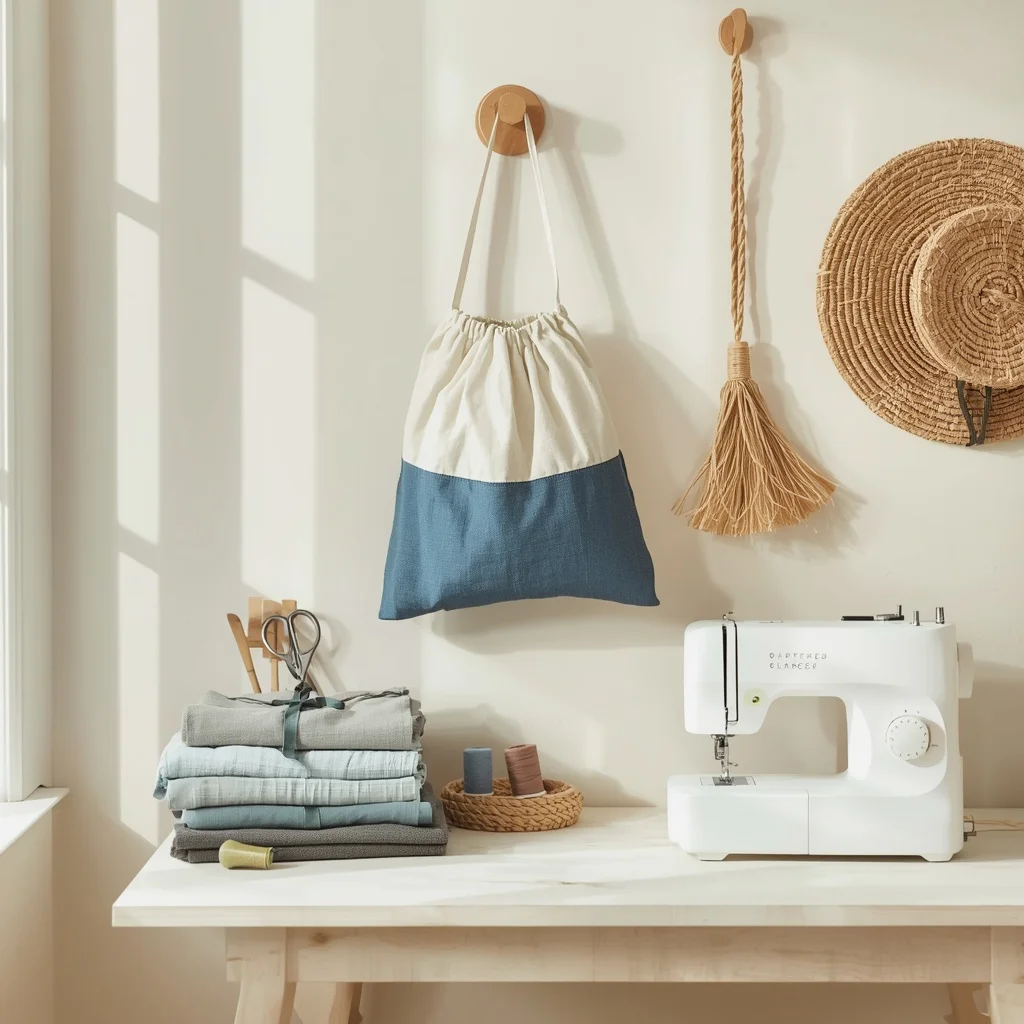
A simple drawstring bag is a practical way to practice several machine-sewing basics without tackling a complicated pattern. The construction usually relies on rectangles, straight seams, and a folded casing for the cord. Cotton fabric works especially well because it stays manageable under the presser foot. Start with a small size for storing jewelry, craft supplies, or small toys before making a larger version. I’ve found that leaving enough room around the casing makes threading the cord much easier. Keep your first design simple, then introduce contrasting panels once the basic construction feels comfortable.
These little bags can bring order to drawers, shelves, travel cases, and craft spaces while giving you another useful project for your growing sewing skills. Choose a print that matches your existing storage containers or use a bright fabric to make the bag easy to spot. A sturdy cord and reinforced seams will help the finished piece handle regular use. You can also create different sizes from the same basic design, making a coordinated storage collection. Once you are confident, experiment with boxed corners, lining, or decorative stitching to give each bag a more finished appearance.
Fabric Napkins
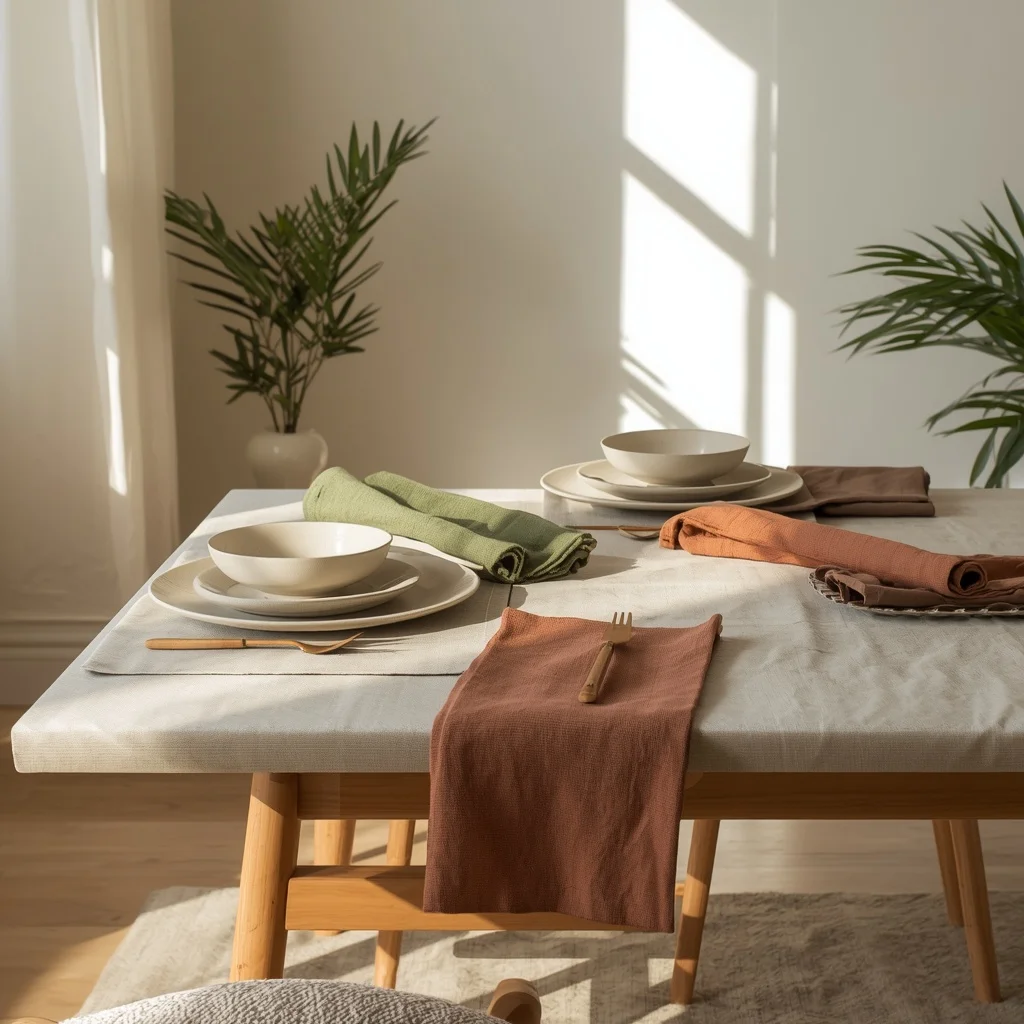
Fabric napkins are an excellent beginner project because their construction is simple, repetitive, and genuinely useful. Start with cotton or linen squares and practice creating clean, narrow hems around every edge. The project teaches you how to maintain consistent seam allowances while guiding fabric smoothly through the machine. Choose a fabric that coordinates with your existing dishes or table linens for a more intentional result. I’ve noticed that pressing each folded edge before sewing makes narrow hems much easier to control. Begin with one napkin, check the finished measurements, and then repeat the process for a complete set.
A coordinated group of handmade napkins can make an everyday dining area feel more polished without requiring a complicated sewing pattern. Soft neutrals create a relaxed, modern appearance, while muted colors or small prints bring personality to the table. Because the napkins are washable, they can become part of your regular routine rather than occasional decoration. Keep the first set simple and focus on even edges and tidy corners. Once comfortable, experiment with contrasting borders or subtle decorative stitching. Making four or six matching pieces also gives you valuable repetition, helping your machine control improve naturally.
Basic Pencil Case
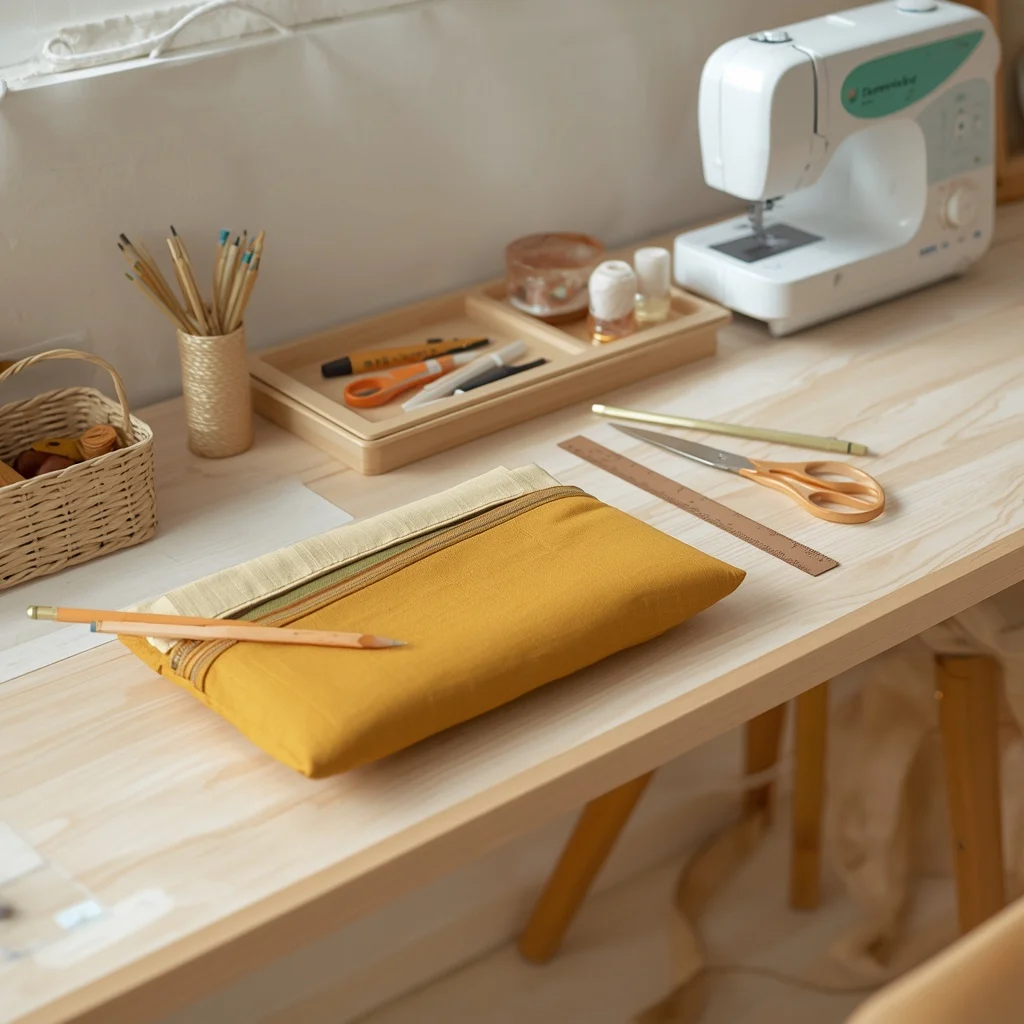
A basic pencil case makes a satisfying final project because it combines several beginner skills into one compact, useful item. Start with a rectangular design using sturdy cotton or lightweight canvas, then add a simple lining if you want a cleaner interior. The zipper provides useful practice with controlled stitching and careful fabric placement. Choose a bright print for a cheerful school accessory or neutral fabric for a more grown-up desk organizer. I’ve found that clipping the layers instead of over-pinning can make bulky sections easier to manage. Work slowly around the zipper for the neatest finish.
A handmade pencil case can organize pens, pencils, markers, sewing tools, or small electronic accessories, making it useful far beyond a classroom. Once you understand the basic construction, you can adjust the dimensions to create different organizers for your desk or travel bag. Add a small fabric tab at the end for an extra design detail, or combine two coordinating fabrics for contrast. The project also reinforces skills you have already practiced in earlier ideas, including measuring, pressing, straight seams, and neat finishing. It is a practical way to see how much your confidence has grown.
Conclusion
Starting with simple projects can make learning to sew feel much less intimidating. These ideas show how a basic sewing machine can help you create useful accessories, practical organizers, kitchen essentials, and attractive home pieces from everyday fabrics. The best sewing machine projects you can make at home without experience are the ones that let you practice one skill at a time while still giving you something useful to enjoy.
Choose one project that genuinely interests you, gather your supplies, and start with patience rather than perfection. Save this collection on Pinterest for your next creative session, try an idea that inspires you, and share it with someone who wants to learn sewing too. Small stitches can lead to surprisingly big creative confidence.
Read More:16 Fabric Scrap Sewing Projects You’ll Actually Use Daily