18 Sewing Hacks And Alterations That Save Clothes Fast
Introduction
The average piece of clothing is discarded after only seven uses, but you can double its lifespan by learning 18 Sewing Hacks and Alterations That Save Clothes Fast. Instead of tossing a shirt with a loose button or frayed hem, simple DIY clothing repairs keep your favorite items in rotation for years. These techniques help you practice sustainable fashion without the high cost of a professional tailor.
You don’t need a professional studio to get started. A basic kit costing under $15 should include a sharp pair of fabric scissors, a seam ripper, and sturdy needle and thread. If you prefer avoiding a sewing machine, keep fabric glue and hemming tape on hand for quick clothing fixes. Whether you are using iron-on patches to hide snags or safety pins to adjust a waist, these easy sewing alterations for beginners ensure your wardrobe stays functional and stylish with minimal effort.
Fixing Loose Buttons
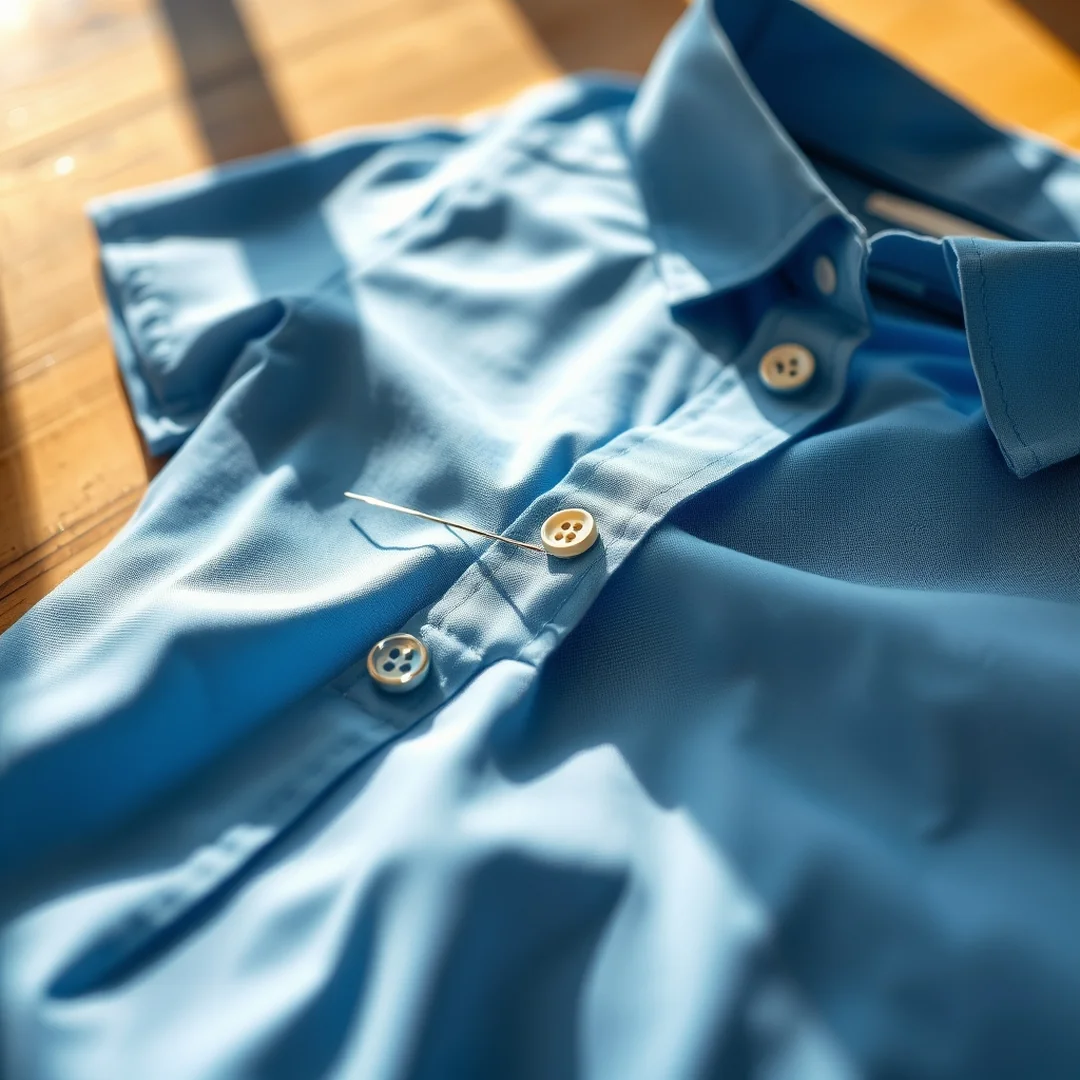
You reach for your favorite shirt only to find a button dangling by a single fiber. Instead of tossing the garment aside, use these 18 Sewing Hacks and Alterations That Save Clothes Fast to secure it permanently. Start by using a double thread for added strength. Cut a piece of thread about 24 inches long and knot the ends together. This creates a thicker foundation that withstands daily tugging much better than a single strand ever could.
To prevent the button from pulling on the fabric, you should create a thread shank. Place a toothpick or a thick needle between the button and the fabric while you stitch through the holes. Wrap the thread around the base of the button five times before tying it off. This creates a tiny gap that allows the button to sit perfectly on top of the buttonhole placket.
Hemming With Tape
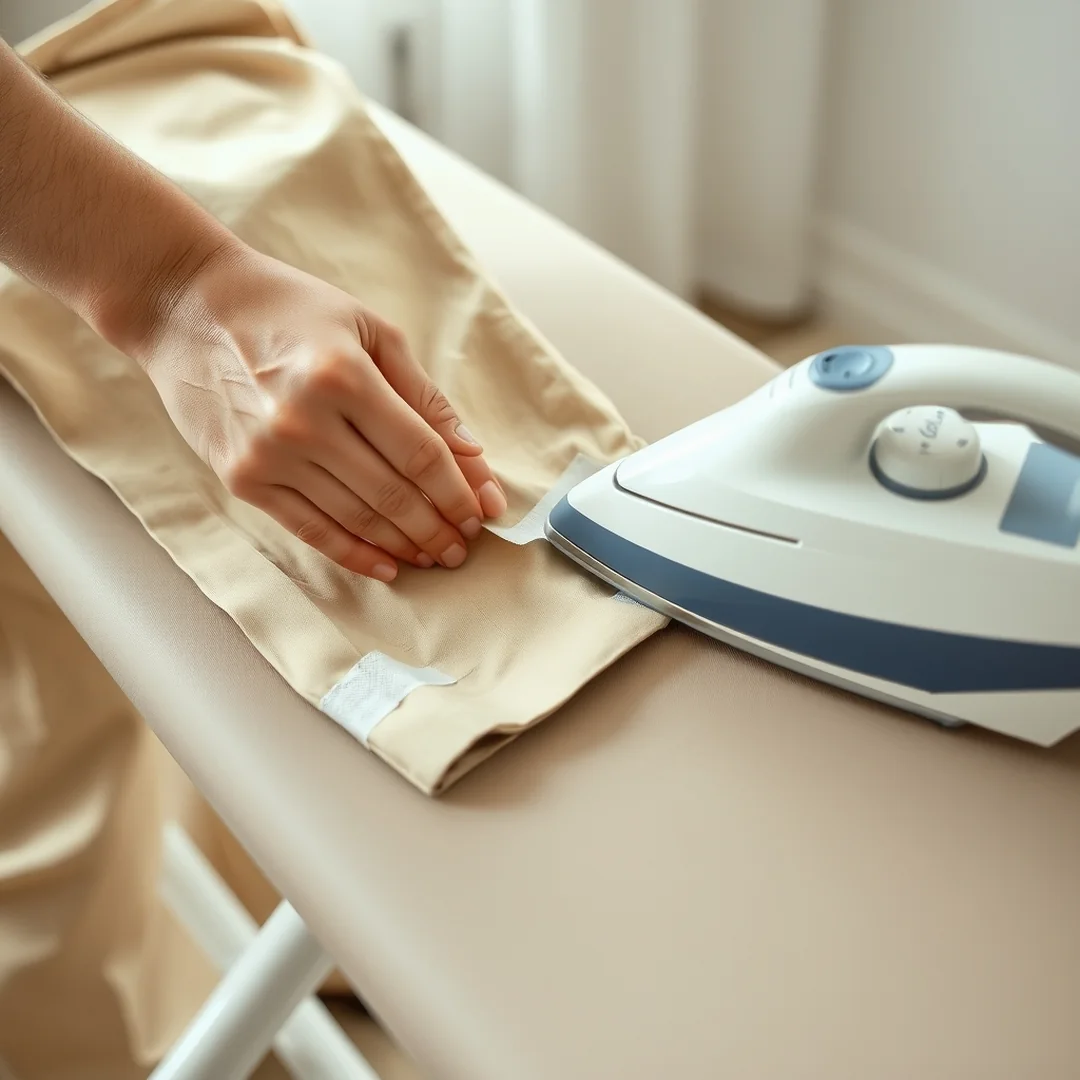
Do you need to fix a sagging pant leg without using a sewing machine? Using iron-on hemming tape is one of the most effective ways to master 18 Sewing Hacks and Alterations That Save Clothes Fast when you are in a rush.
Start by cleaning the inside edge of your fabric with a seam ripper to remove the old, bulky stitches. Fold the fabric to your desired length and press it firmly with a hot iron to create a sharp crease. Place the hemming tape inside the fold, ensuring it sits about 0.5 inches from the edge of the fabric. Press the iron down on the hem for ten seconds to bond the adhesive to the material. This method provides a clean, professional finish that stays hidden on the inside of your trousers. It is a perfect solution for DIY clothing repairs that look like they came straight from a tailor.
Repairing Small Holes
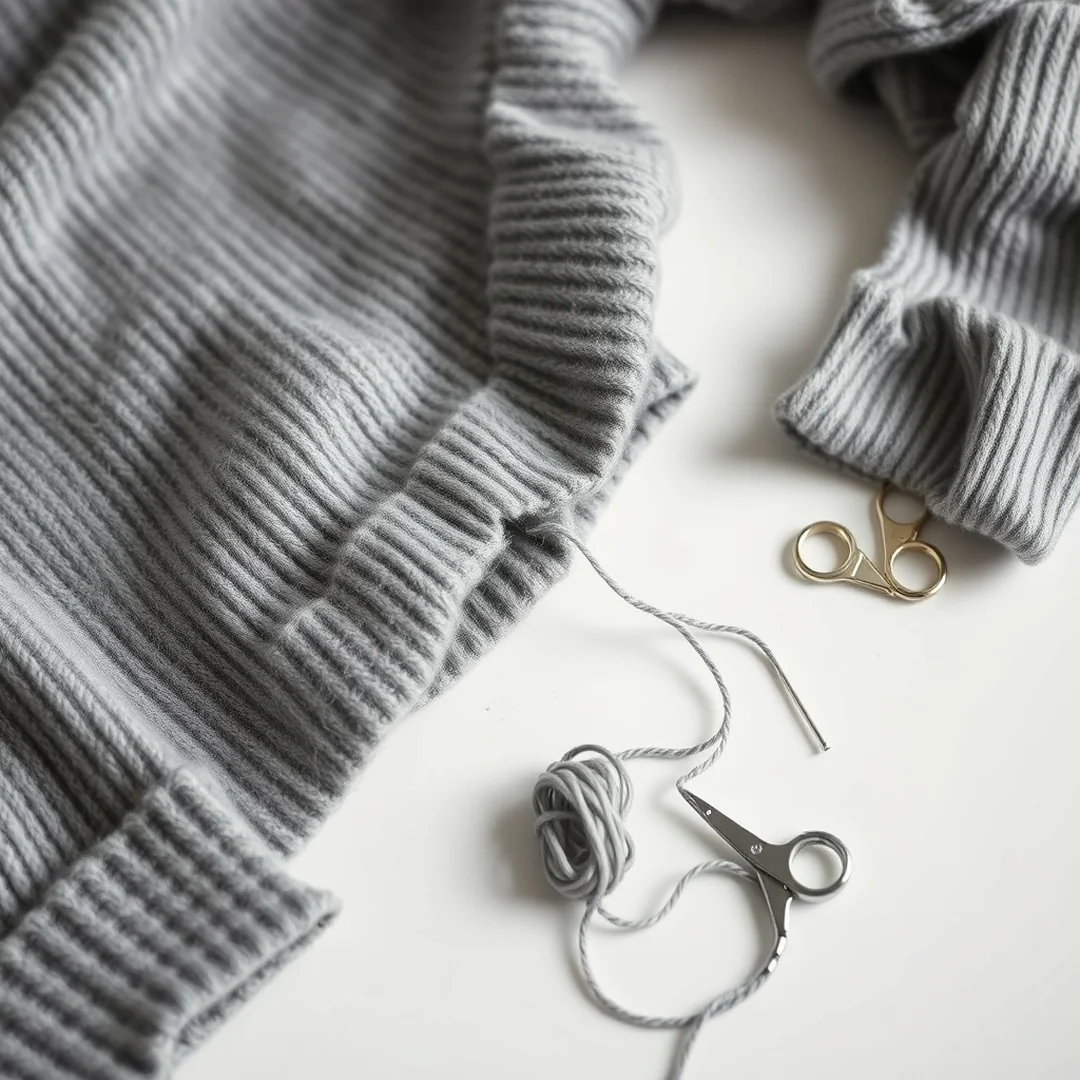
Many people believe a tiny tear means a garment belongs in the trash, but simple mending often proves that clothing is built to last much longer than we think. Incorporating 18 Sewing Hacks and Alterations That Save Clothes Fast into your routine can easily extend the life of your favorite pieces. When you find a small hole, start by using a needle and thread that matches your fabric color perfectly. This makes the repair nearly invisible to the naked eye. If you are working on a cotton shirt, pull a single strand of thread through the eye of a thin hand-sewing needle. For a standard 2-millimeter snag, use a small whip stitch to pull the edges together from the inside. Always check your local craft store for high-quality polyester thread, which usually costs around $3 per spool and provides the strength needed for DIY clothing repairs on everyday garments.
Taking In Waists
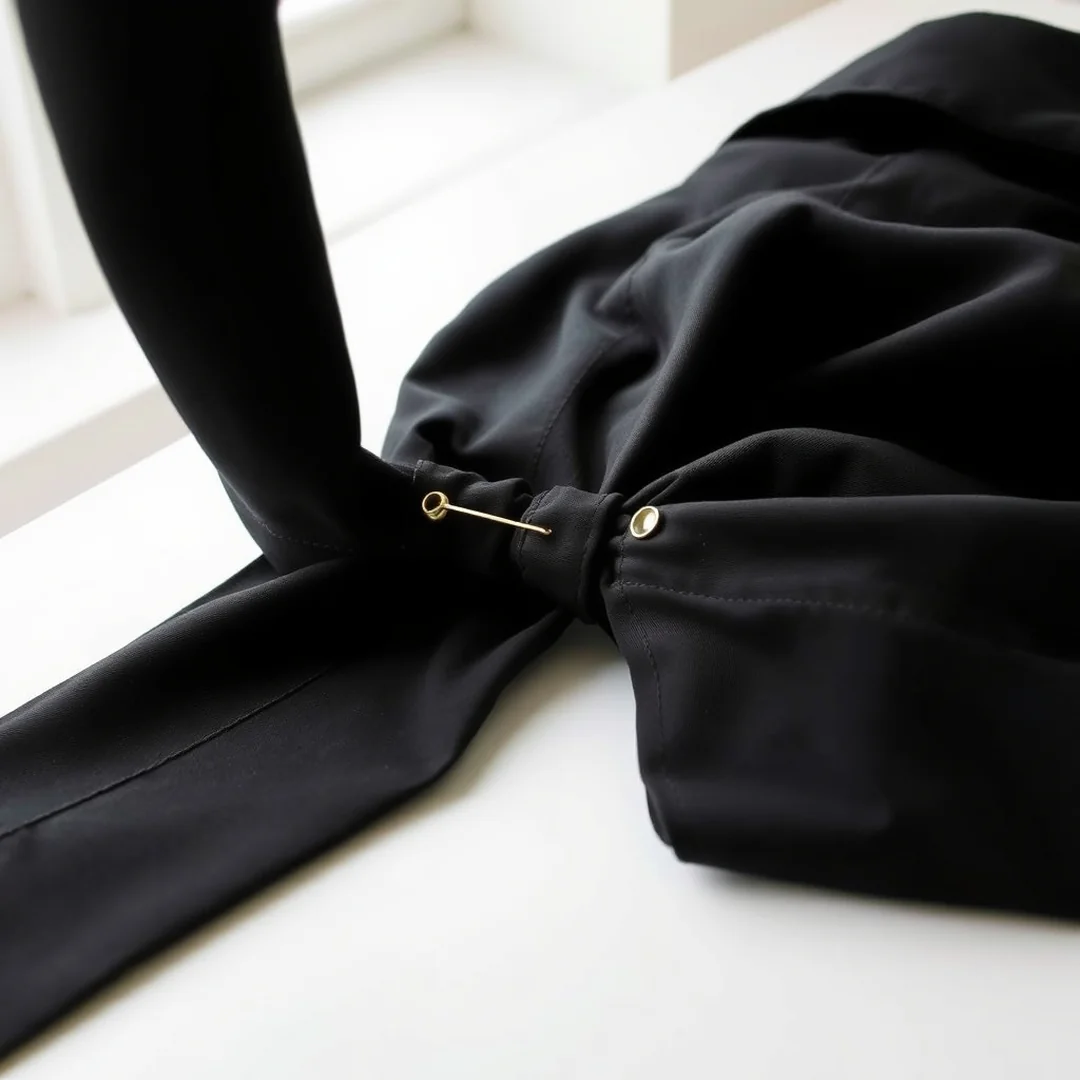
I often find that my favorite trousers lose their snug fit long before the fabric actually wears out. If you are looking for 18 Sewing Hacks and Alterations That Save Clothes Fast, using internal elastic is the most reliable way to cinch a waistband without damaging the garment. This method is perfect for anyone wanting to avoid cutting into the original material.
You simply need a 10 inch piece of 1 inch wide elastic and a safety pin. Feed the elastic through the inside of the waistband casing by making two small slits on the interior side. Once you thread it through, pull it to your desired tightness and secure the ends with a few stitches using a needle and thread. Because you avoid fabric cutting, you can easily reverse this change if you ever need the extra room again. This is one of the most effective simple garment alterations for maintaining your wardrobe.
Patching Denim Jeans
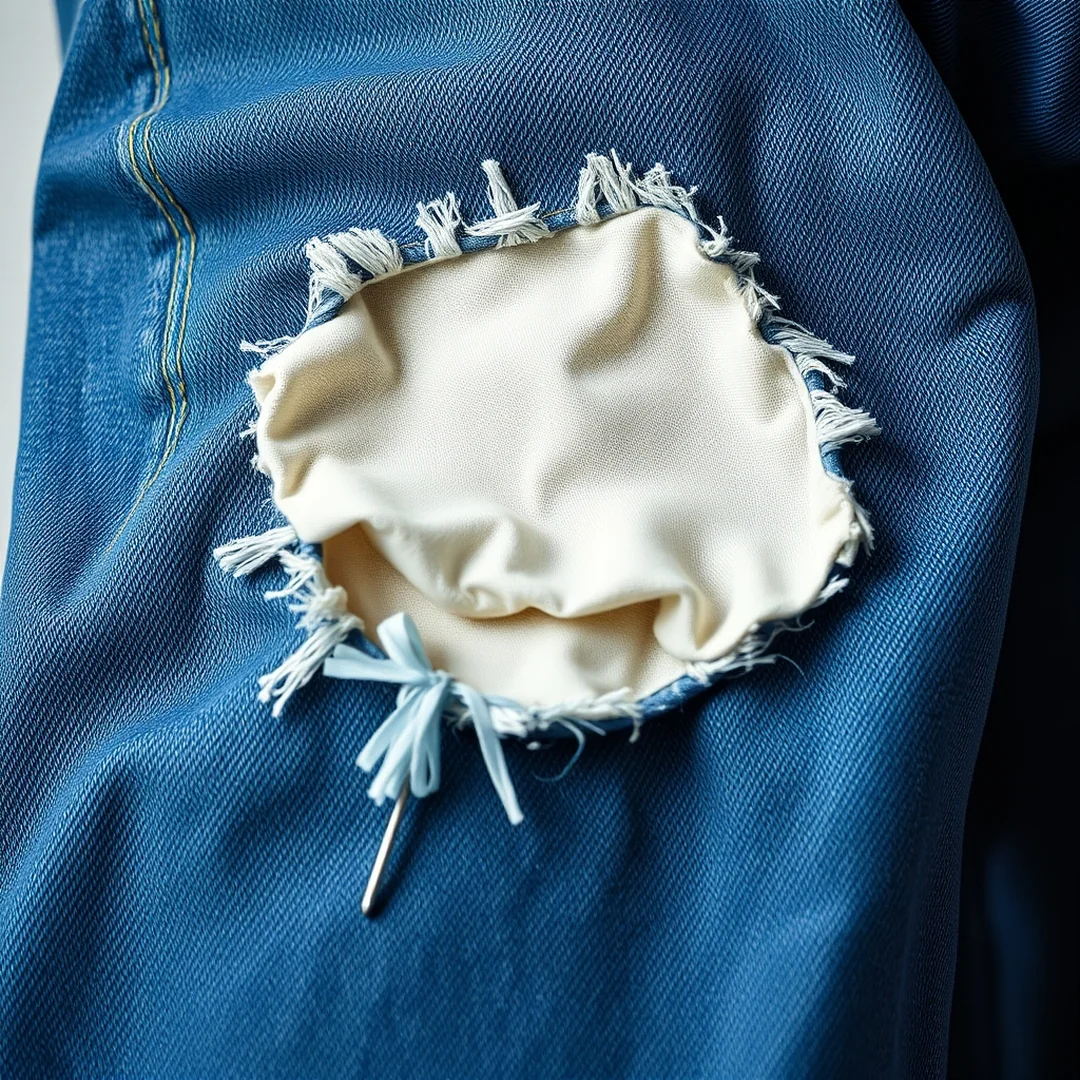
Place your patch on the inside of the tear to keep the repair discreet while adding structural support. Using iron-on patches is one of the most effective 18 Sewing Hacks and Alterations That Save Clothes Fast because it avoids complex stitching.
When selecting your material, pick a heavy cotton weight that matches the thickness of your denim jeans. Avoid thin polyester blends as they peel away after a few washes. For the best results, buy a patch that is exactly 2 inches larger than the hole on all sides. This overlap ensures the adhesive grips solid fabric rather than frayed edges.
To ensure the patch looks natural, position it so the weave of the patch fabric runs in the same direction as the denim fibers. Use a hot iron with firm pressure for 45 seconds to bond the glue. This simple DIY clothing repair stops the hole from growing further without needing a needle and thread.
Hiding Fabric Snags
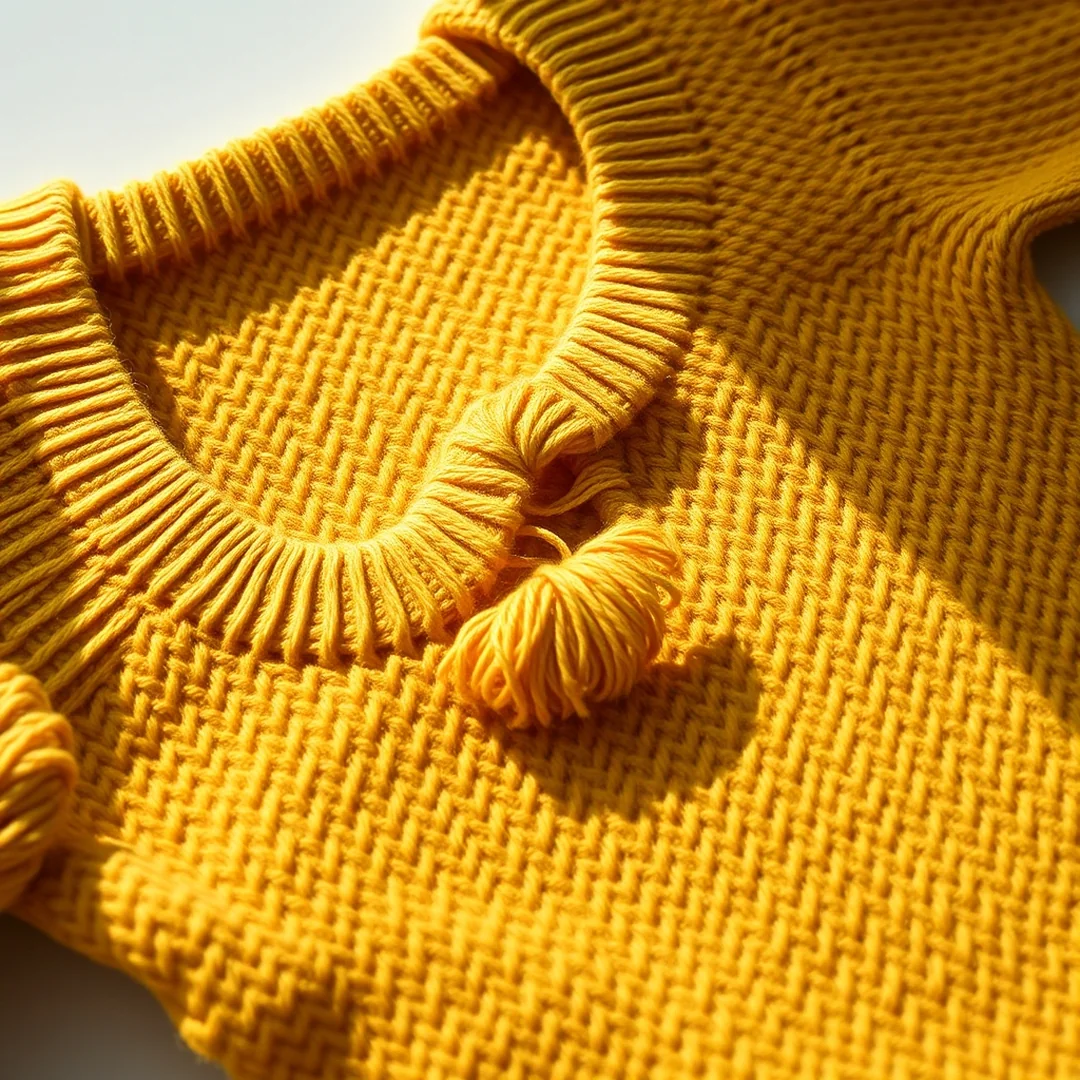
When you spot a snag on your favorite sweater during the cooler months, you don’t need a sewing machine to fix it. These quick clothing fixes are part of my 18 Sewing Hacks and Alterations That Save Clothes Fast, helping you maintain your wardrobe with minimal effort. Start by turning your garment inside out to locate the exact spot of the pull.
Use a thin needle to pull the thread through to the back of the fabric. Once the loose fiber is on the inside, tie a small knot or use a tiny drop of clear fabric glue to secure it permanently. This method prevents the loop from catching on things again while you walk. If you are dealing with a larger snag on denim jeans, you might need to use a crochet hook to catch the loop from the back. Aim to pull the thread through within 5 seconds to keep the tension even.
Replacing Broken Zippers
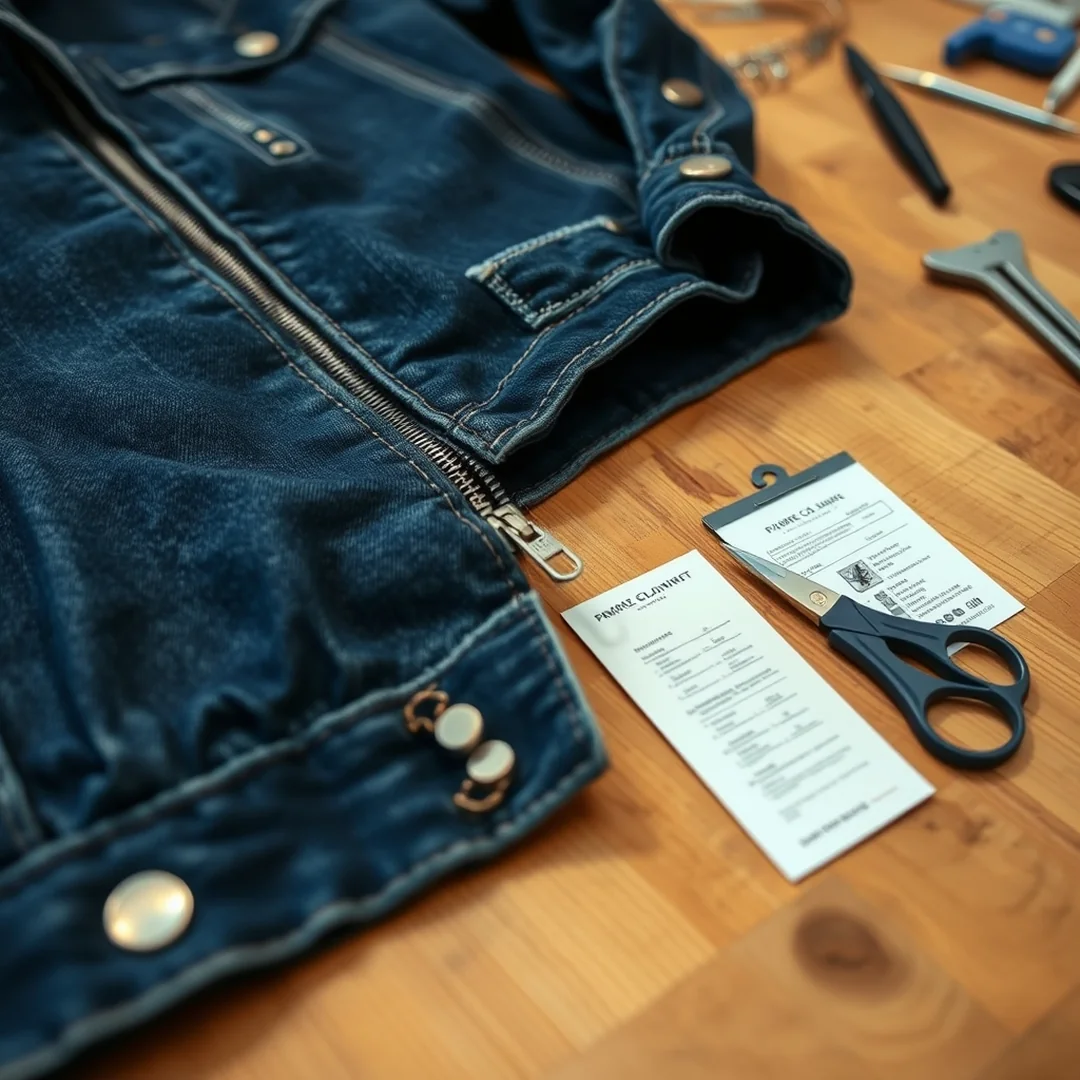
Professional tailors charge at least $25 to install a new zipper, but you can fix most issues for free at home. These 18 Sewing Hacks and Alterations That Save Clothes Fast include simple ways to revive your existing hardware. Start by identifying slider issues such as a loose grip or misaligned teeth. Often, the metal slider simply stretches out over time and stops biting into the track.
Use a pair of needle nose pliers to gently squeeze the back of the slider. Apply pressure slowly to tighten the gap until it grips the teeth securely again. If the slider is completely stuck or missing teeth, you will need to replace the entire unit. For this, you should buy a 7 inch nylon replacement zipper for about $3. Always test the zipper movement before you permanently stitch it into your denim jeans or jacket. This quick adjustment saves you from buying an entirely new garment.
Securing Loose Seams
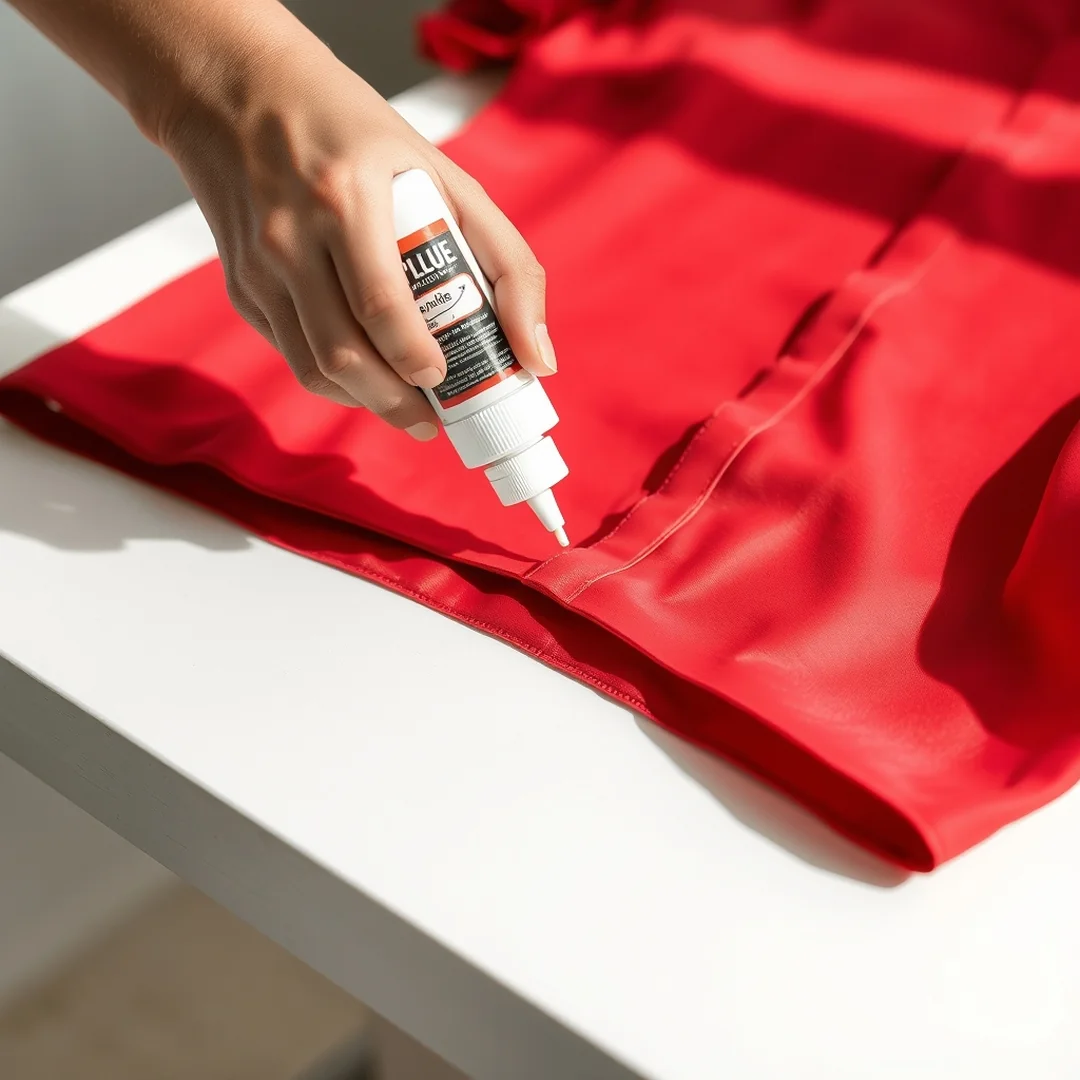
A tiny hole in a seam can grow three inches in a single day if you don’t act fast. Understanding how to manage these gaps is part of 18 Sewing Hacks and Alterations That Save Clothes Fast because it prevents total garment failure. If you are avoiding your sewing machine, a small bottle of fabric glue works wonders for temporary repairs. Apply a thin line of glue inside the seam allowance and press the fabric together with a heavy book for 10 minutes to bond the fibers.
When dealing with high stress areas like the inner thighs of denim jeans, simple stitching often fails. You should reinforce these spots by adding a patch of iron-on interfacing to the back of the seam before you re-stitch. This extra layer distributes tension across a wider surface area. These quick clothing fixes ensure your favorite items stay in your wardrobe for years instead of ending up in the trash.
Updating Dated Sleeves
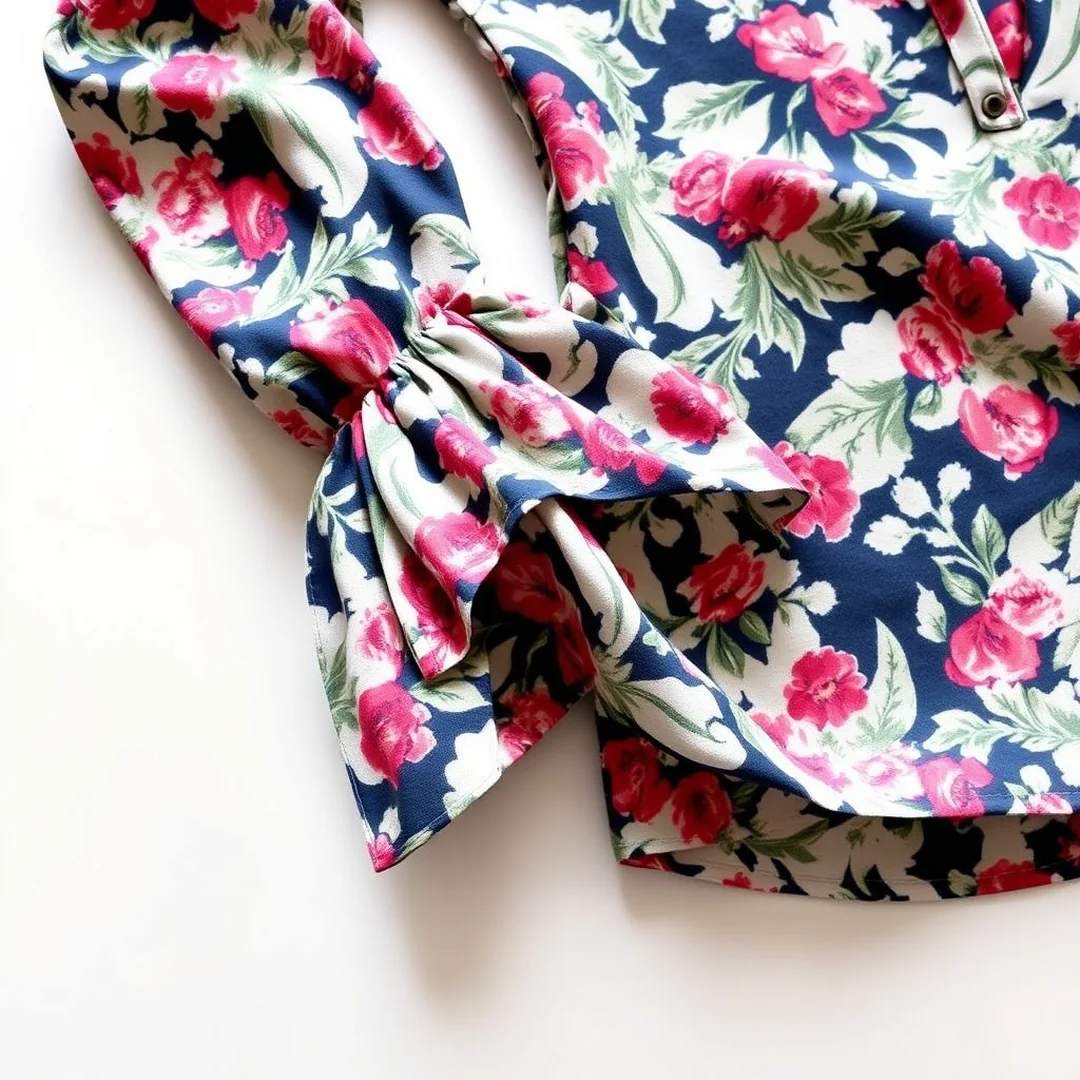
You probably have a shirt in your closet with puffy or bell-shaped sleeves that feel stuck in the wrong decade. Using 18 Sewing Hacks and Alterations That Save Clothes Fast, you can easily turn those outdated pieces into modern staples. Start by turning the garment inside out and folding the excess fabric toward the armhole to find your desired fit. Use tailor chalk to mark a straight line where you want the new seam to sit. If you prefer a temporary change, simply roll the cuffs upward twice and secure them with small safety pins hidden on the inside of the sleeve. For a permanent fix without a sewing machine, apply hemming tape along the fold and press it with a hot iron for 10 seconds. This simple adjustment creates a clean, tailored silhouette that makes your older clothing feel fresh and current.
Removing Fabric Pilling
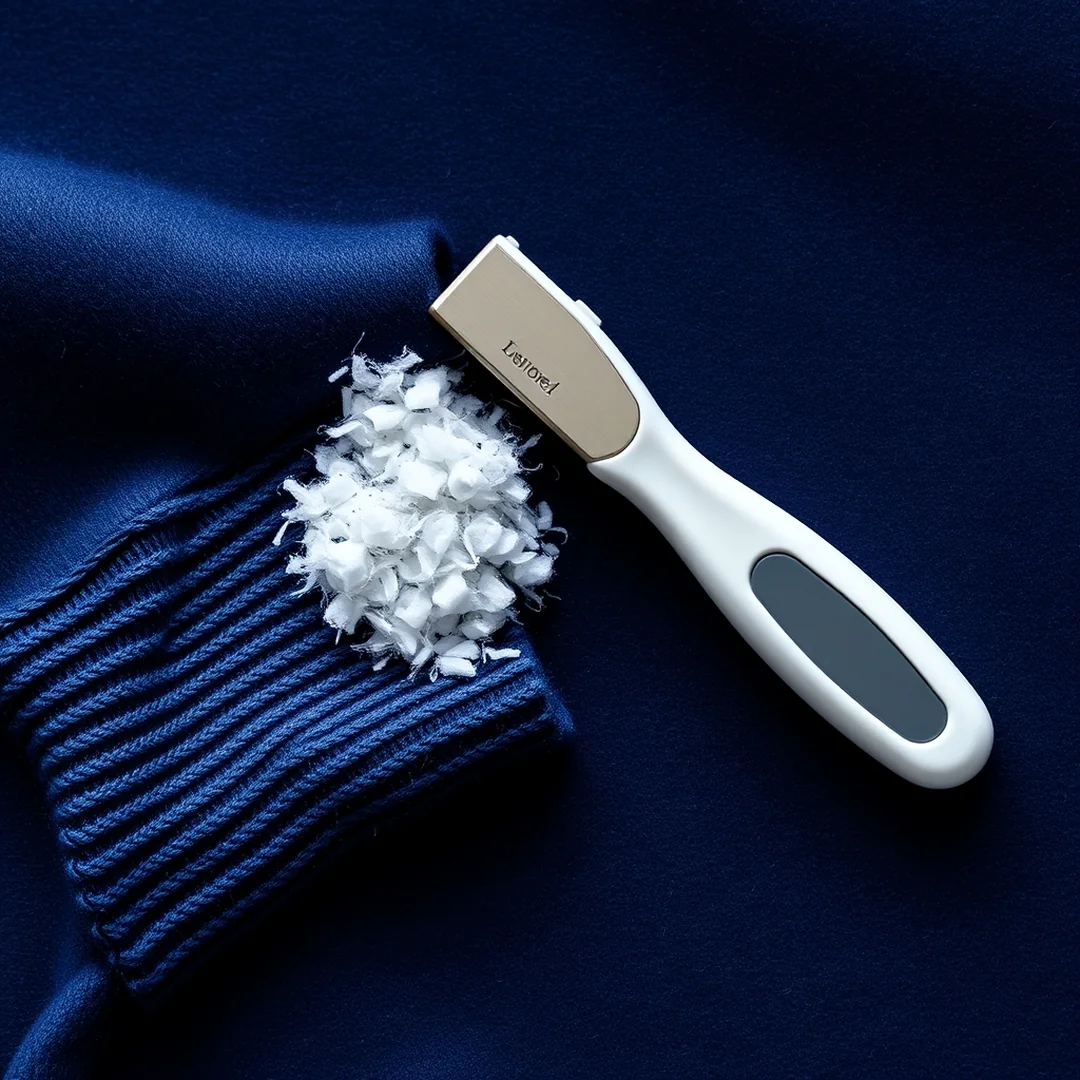
Do you have fuzzy, matted bits on your favorite sweater that make it look old? Using a manual fabric shaver is the fastest way to restore a smooth texture without needing a sewing machine. These small, battery-operated tools cost around $12 and gently slice off surface fibers. Gently glide the device over the fabric in circular motions to avoid snagging the yarn. This simple trick is part of my 18 Sewing Hacks and Alterations That Save Clothes Fast because it instantly refreshes your wardrobe.
To prevent future surface wear, wash your garments inside out using a mesh laundry bag. This reduces the friction that causes pilling during the spin cycle. I have found that avoiding the dryer for high-friction items like fleece or wool blends keeps them looking new much longer. By practicing better textile maintenance, you stop the damage before it starts. Consistent care keeps your clothes feeling soft and wearable for years.
Tightening Stretched Cuffs
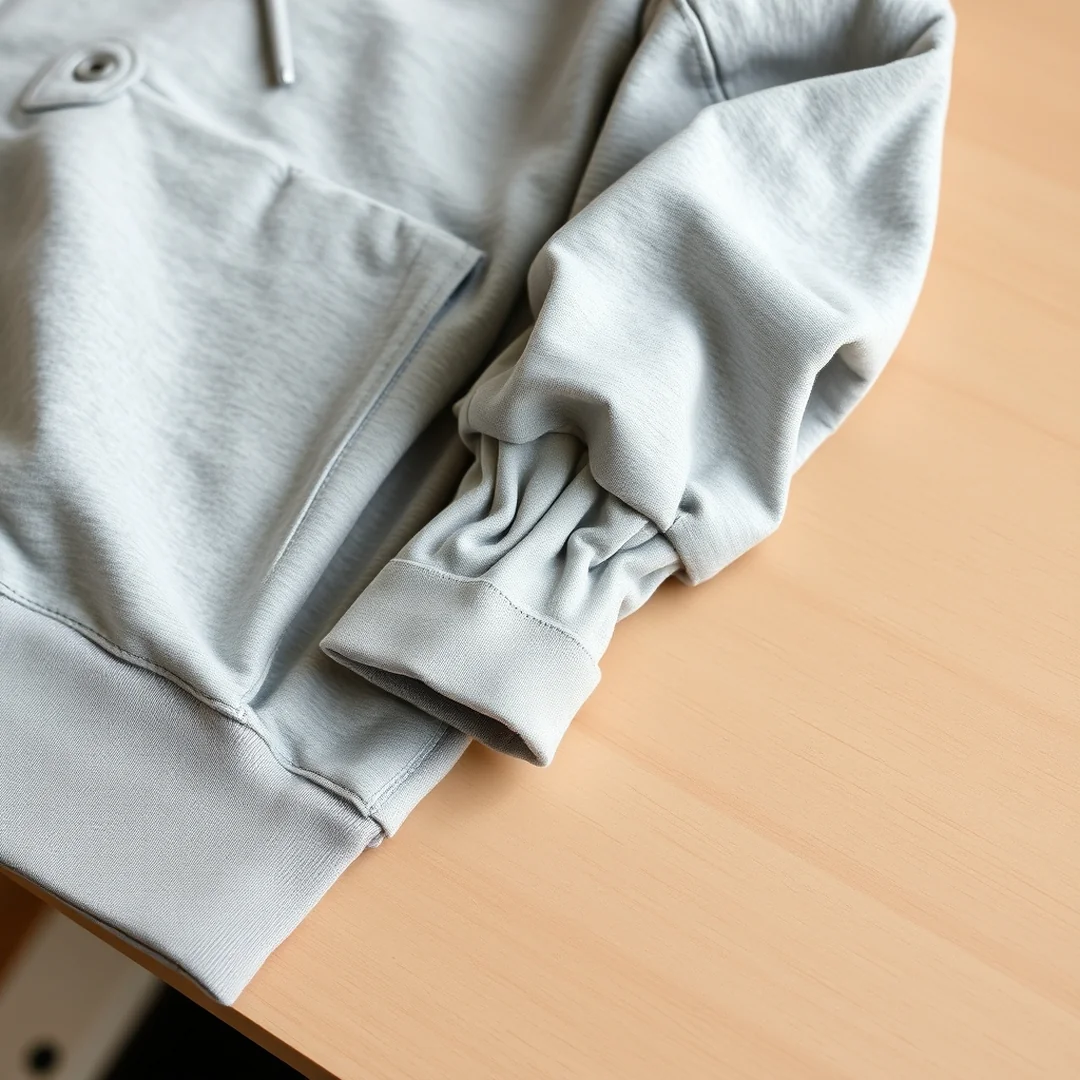
You might think a stretched cuff requires a full sleeve replacement, but simple DIY clothing repairs can restore that snug fit in minutes. One of the most effective entries in my list of 18 Sewing Hacks and Alterations That Save Clothes Fast involves threading narrow elastic through the existing hem channel. Start by using a seam ripper to open a tiny gap in the inside seam of the cuff, just wide enough to push your elastic through.
Use a safety pin to guide a 1/4 inch wide elastic strip around the circumference of the wrist. Pull the elastic until it feels secure against your skin, then overlap the ends by half an inch and stitch them together firmly with a needle and thread. Once the elastic is set, closing the seam cleanly is easy with a small ladder stitch. This hidden closure keeps your mend invisible, making this one of those perfect quick clothing fixes that keeps your favorite sweaters looking brand new.
Adding Decorative Patches
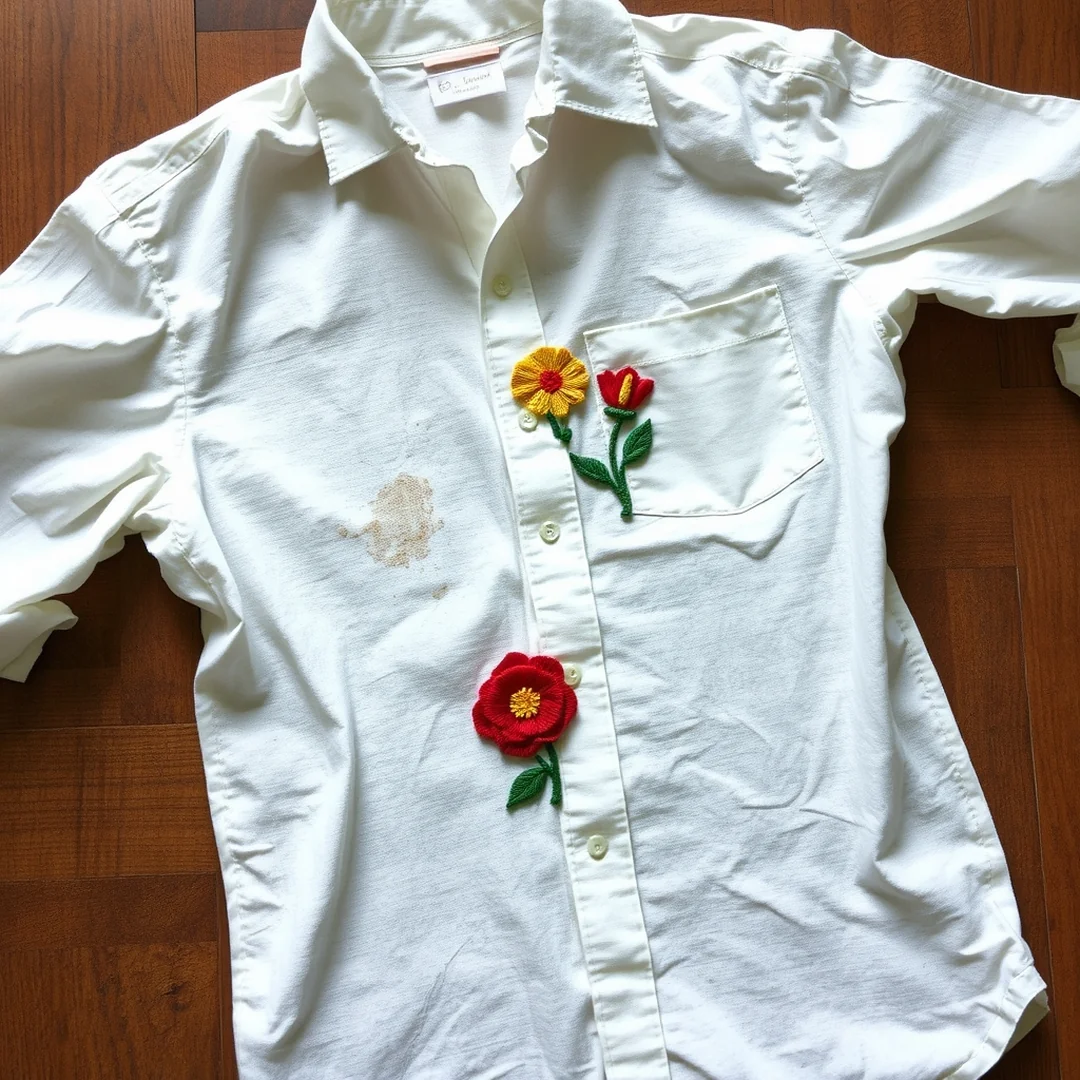
I often find that a small, stubborn stain on a favorite shirt feels like a tragedy, but it is actually a chance to get creative. Using decorative patches is one of the most effective ways to include 18 Sewing Hacks and Alterations That Save Clothes Fast in your routine. Instead of tossing a stained garment, you can place a patch directly over the spot to hide the blemish entirely.
I suggest picking iron-on patches that match the vibe of your clothing for a clean look. You can find these for about $5 at most craft stores. Simply lay the patch over the stain and use a hot iron to bond it to the fabric. Beyond just fixing accidents, this is a fun way to try restyling old clothes hacks to give your outfit a fresh, custom aesthetic. It turns a damaged piece into a unique, intentional design choice.
Shortening Long Skirts
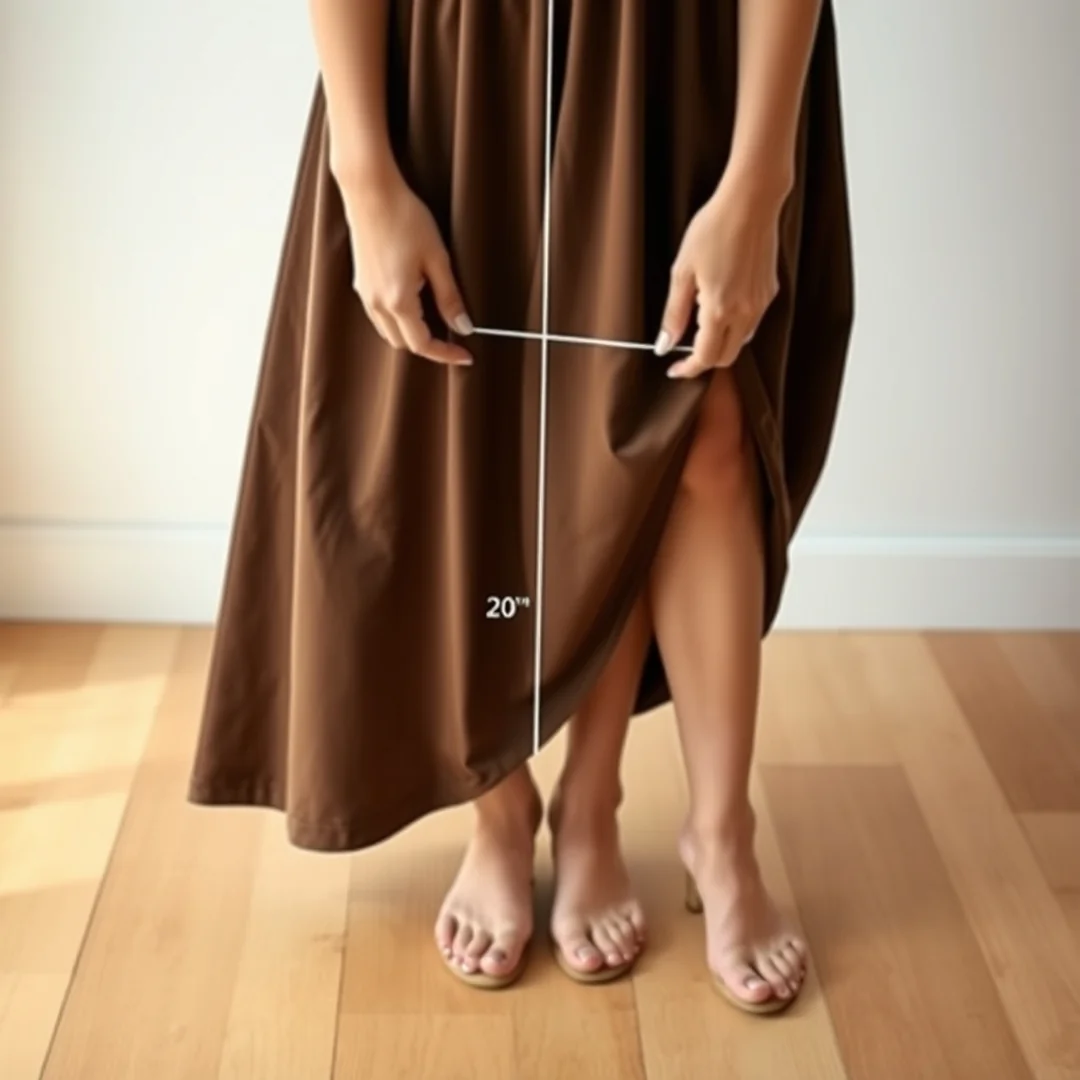
You can achieve a professional finish on long skirts by using a simple marking technique before you commit to any permanent stitches. Start by putting on the skirt and wearing the shoes you plan to pair with it. Ask a friend to mark your desired length with tailor chalk at 2 inch intervals around the entire circumference. This ensures your hem remains perfectly straight once you take the garment off.
If you need one of the 18 Sewing Hacks and Alterations That Save Clothes Fast, use temporary safety pins to hold the folded fabric in place. This allows you to check the drape and length in a mirror before you touch your fabric scissors. I find that pinning the hem every 4 inches provides enough stability to walk around and test the movement. If you want a quick fix without a needle and thread, you can use hemming tape to secure the fold permanently with just a hot iron.
Fixing Dropped Hems
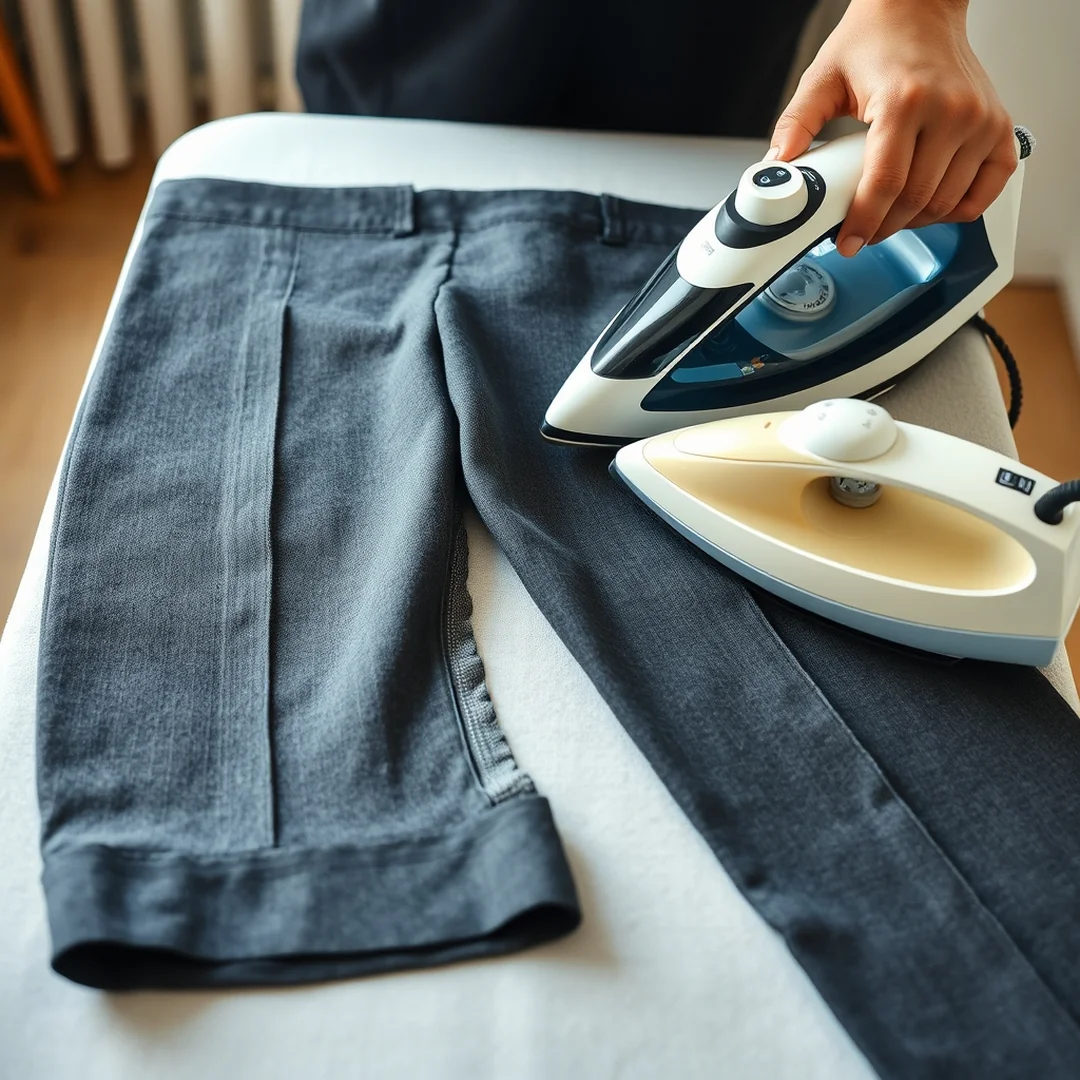
Transitioning your wardrobe for the new season often reveals a fallen hem on your favorite trousers. Using one of my 18 Sewing Hacks and Alterations That Save Clothes Fast, you can secure that loose fabric in minutes using just a needle and thread. First, locate the original fold line by pressing the fabric flat with a hot iron. If the crease is faint, use tailor chalk to mark the exact fold point so your fixing hems at home process stays precise. Once aligned, use a blind stitch to keep the repair hidden from the outside. If you prefer not to sew, hemming tape provides a strong bond that holds through several wash cycles. Simply cut a strip to the length of the opening, place it between the layers, and press for 15 seconds. This quick method keeps your garments looking crisp and professional without requiring a trip to the tailor.
Adjusting Shirt Width
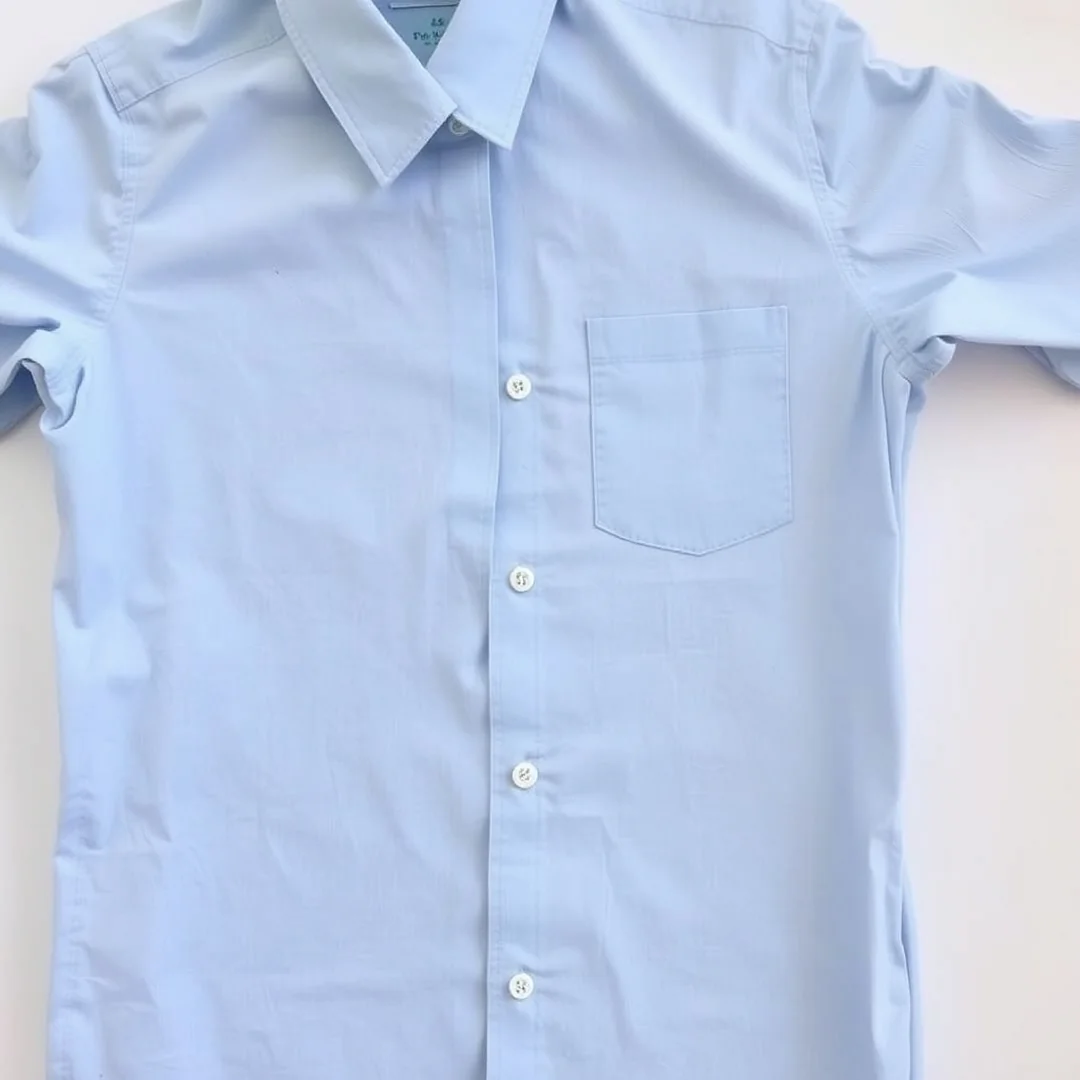
Taking a shirt to a professional tailor can cost upwards of $20, but you can achieve a custom fit at home for pennies. Using simple side darts is one of the most effective methods found in my list of 18 Sewing Hacks and Alterations That Save Clothes Fast. Start by turning your shirt inside out and putting it on to mark the excess fabric. Use tailor chalk markers to draw a line where you want the new seam to sit. I prefer using these chalk tools because the marks brush off easily once you finish your stitching. Pin the fabric along your chalk lines and sew a straight stitch starting from the armpit area, tapering down toward the waist. This technique helps you avoid the bulky look of traditional tailoring. If you are new to easy sewing alterations for beginners, try sewing a test line with a contrasting thread first to ensure the fit is perfect before finalizing the seam.
Repairing Pocket Linings
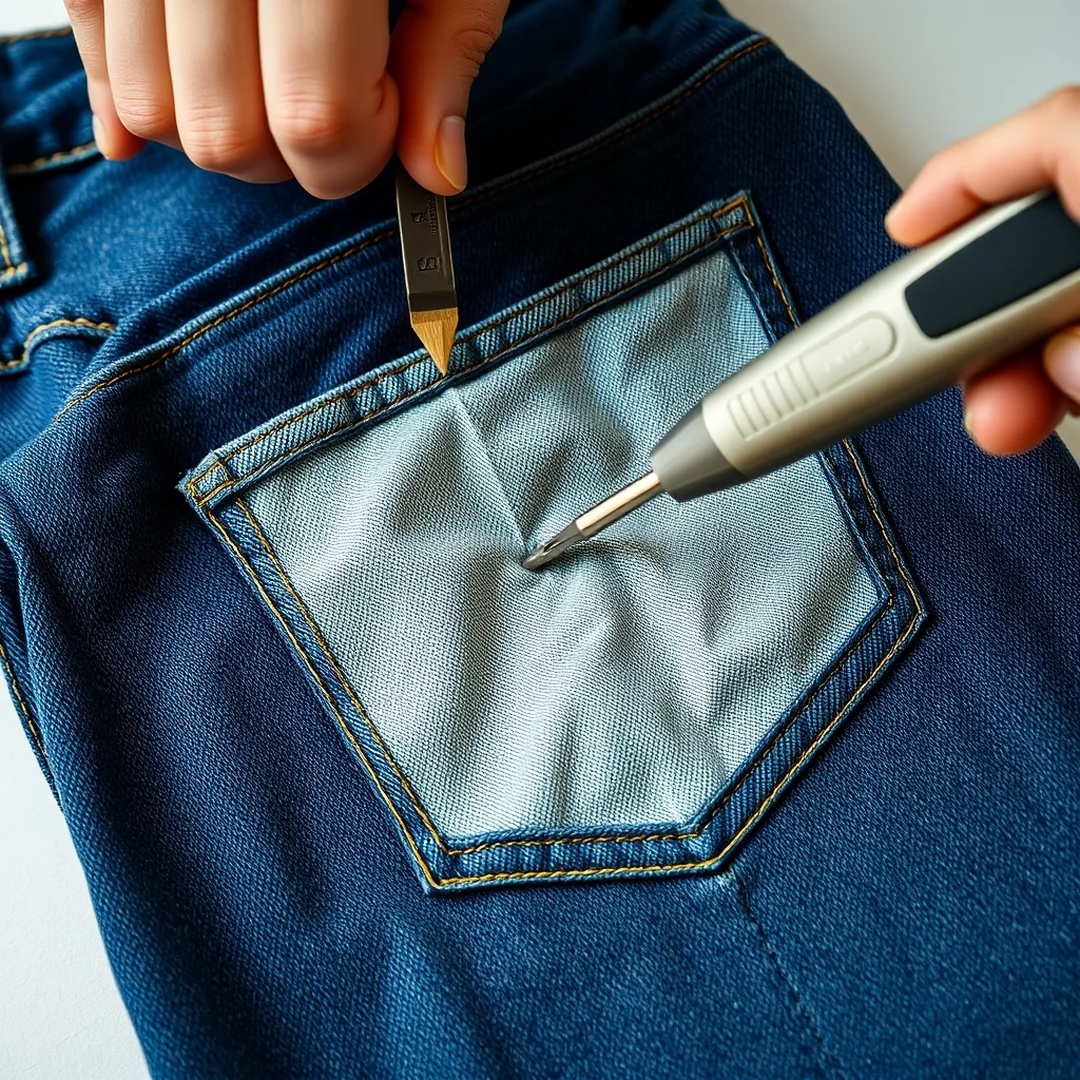
About 70 percent of pocket holes happen because the thin lining fabric pulls away from the heavier outer shell. Using one of the 18 Sewing Hacks and Alterations That Save Clothes Fast, you can fix this without taking the garment apart. First, use a seam ripper to open the side seam of your pants or jacket just enough to reach the pocket bag from the inside. This creates a small window to pull the damaged lining out for easier access.
Once you reach the tear, sew the hole shut using a sturdy polyester thread. Always reinforce pocket corners by stitching back and forth over the stress points three times to prevent future ripping. If you lack a sewing machine, a simple backstitch by hand works perfectly on small gaps. Use a 0.5 inch seam allowance to ensure the repair stays flat when you turn the pocket right side out again.
Restoring Faded Fabric Colors
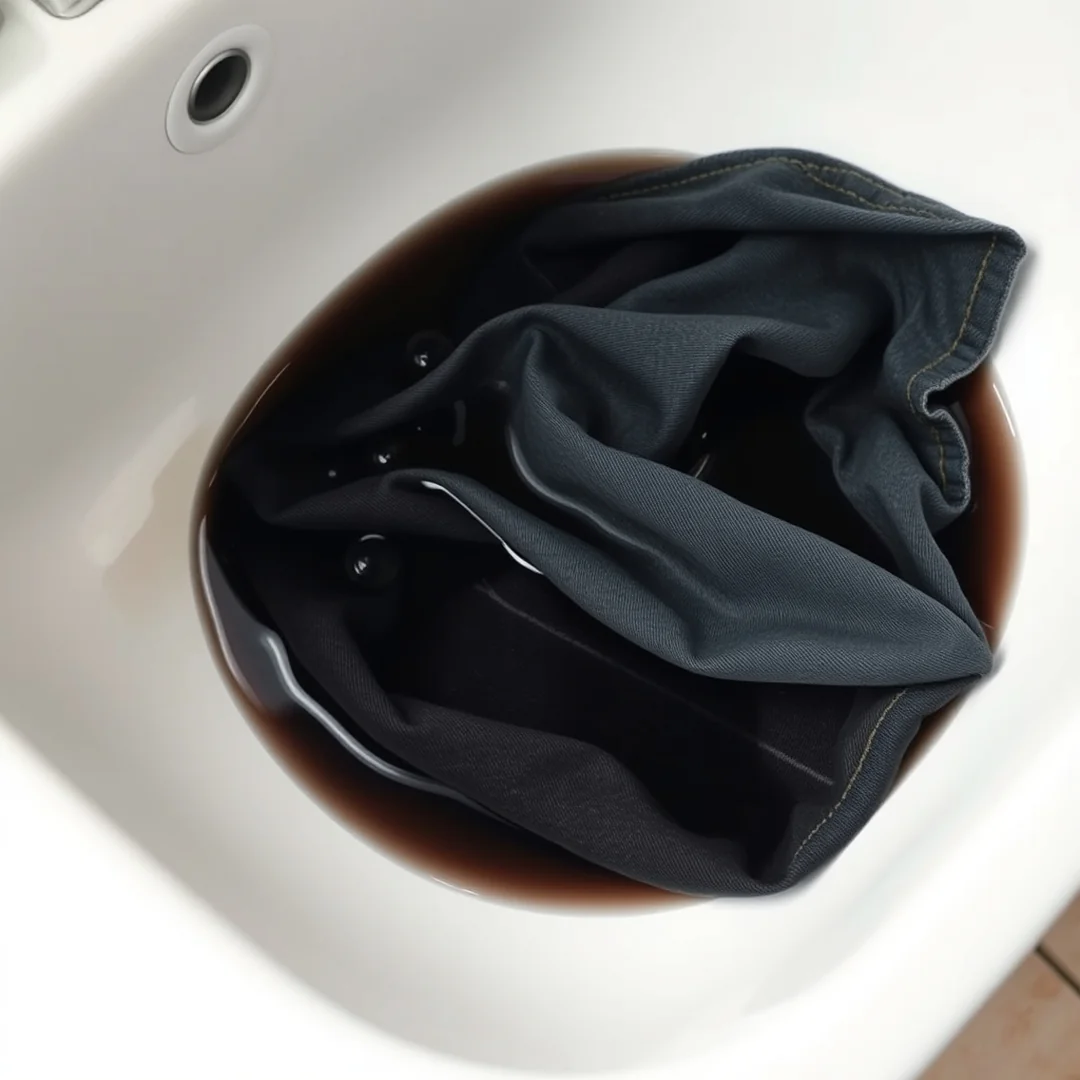
You pull your favorite black jeans from the wash and notice they look more like a tired charcoal gray. Before you toss them out, remember that 18 Sewing Hacks and Alterations That Save Clothes Fast often involve simple textile maintenance to refresh your wardrobe. If you are prioritizing emergency repairs to keep your clothes in rotation, start by using a dedicated fabric dye to mask fading.
I find that using a bottle of liquid dye, which costs about $6, brings worn cotton back to life in under an hour. While this is not a traditional repair like using a needle and thread, it is a vital part of DIY clothing repairs that prevents you from needing a full replacement. Once the color is revived, check your hems and seams for wear. If you spot loose threads, trim them with fabric scissors to keep the garment looking sharp. Simple color restoration is the quickest way to extend the lifespan of your favorite pieces.
Converting Old Jeans Shorts
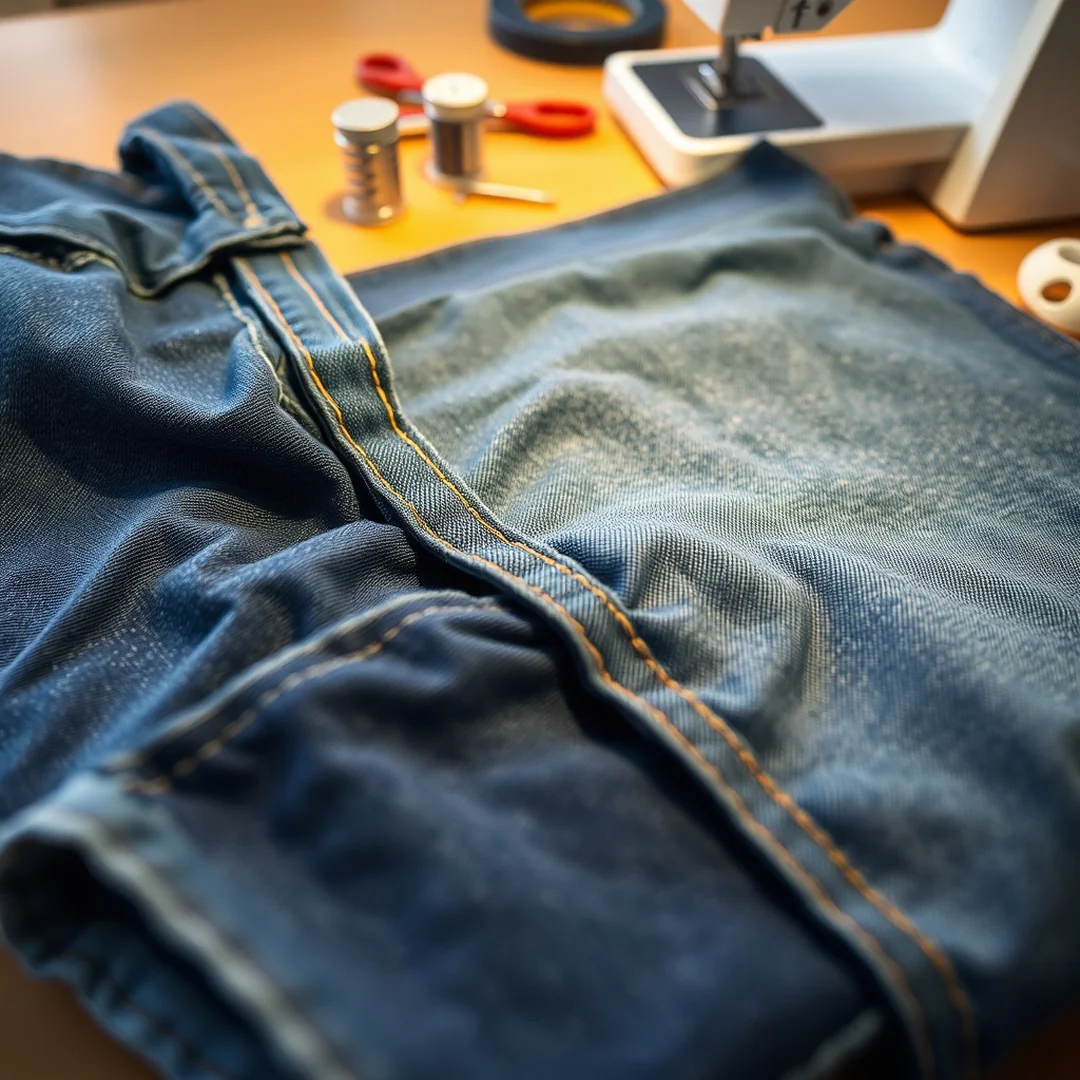
Do you want to turn those worn out denim jeans into perfect summer shorts? Using the right needle sizes is the first step to success. For thick denim, grab a size 100/16 needle because it punches through heavy layers without breaking or skipping stitches. This is a classic example of 18 Sewing Hacks and Alterations That Save Clothes Fast that professional tailors use to keep seams looking clean and factory made.
Always prioritize matching thread to your fabric weight to ensure your DIY clothing repairs hold up over time. Use a heavy duty polyester thread for the main seams so your new shorts don’t fall apart after one wash. If your machine struggles with the thickness, try hand cranking the wheel for the extra bulky spots. A spool of high quality thread usually costs around $4 and makes a huge difference in the final look of your simple garment alterations.
For another perspective, this detailed piece on Easy Sewing Hacks And Tricks To Repair old Clothes | Art & C is worth a read.
FAQ
When should I visit a tailor?
Many people assume every repair needs a professional, but simple adjustments are often easy to handle yourself. You should visit a tailor for complex jobs like restructuring garment shoulders or working with expensive, delicate materials like silk or leather. For standard denim jeans or basic cotton shirts, these 18 Sewing Hacks and Alterations That Save Clothes Fast will usually suffice.
Can I fix hems without a machine?
You definitely don’t need a heavy machine to fix a fallen hem. Using hemming tape is the fastest way to achieve a crisp edge. Simply place the adhesive strip between the fabric layers and press firmly with a hot iron for about 10 seconds to create a permanent bond.
Are no-sew fixes durable?
No-sew options are surprisingly strong if you use the right supplies. Fabric glue and iron-on patches can easily withstand normal washing cycles when applied correctly to clean, dry fabric. These methods offer a great alternative for beginners who lack a needle and thread or basic stitching experience.
How do I take in a waist?
You can often tighten a loose waistband by using elastic bands or a simple fold-and-stitch method inside the garment. If you don’t want to sew, use a safety pin on the inside to cinch the excess fabric until it fits snugly against your body. This quick adjustment keeps your clothes looking tailored without requiring you to cut any fabric.
How do I hide a small snag?
Small holes are best hidden using iron-on patches applied to the inside of the shirt. If the snag is visible, use a needle to gently pull the loose thread toward the back of the fabric to smooth the surface instantly.
You might also like: 17 Cute Crochet Ideas For Beginners Easy Fun Creative Projects
Key Takeaways
I have noticed that keeping clothes in rotation for years feels much more rewarding than constantly buying new pieces. Using these 18 Sewing Hacks and Alterations That Save Clothes Fast gives you the skills to stop tossing garments over minor issues.
- Maintaining wardrobe longevity is easy when you keep a basic kit with a needle and thread nearby to stop small snags from becoming large holes.
- Building DIY confidence happens quickly once you master just 5 basic stitches that handle almost any loose hem or missing button.
- Simple garment alterations like using hemming tape allow you to adjust pant lengths in under 10 minutes without needing a sewing machine.
- Quick clothing fixes are possible even if you are a total beginner by relying on fabric glue for emergency repairs on denim jeans.
- Smart upcycling turns dated items into fresh outfits using nothing more than a sharp pair of fabric scissors and creative vision.
Save this post to your Pinterest board for quick access to these repair tricks.