18 Creative Upcycle Garden Ideas On A Budget
Introduction
You can transform your outdoor space using 18 Creative Upcycle Garden Ideas on a Budget that breathe new life into forgotten household items. These 18 Creative Upcycle Garden Ideas on a Budget prove that you do not need a large investment to create a beautiful, functional sanctuary.
This article covers practical methods for repurposing common objects into unique planters, vertical displays, and art pieces. You will learn how to source materials responsibly, ensure your repurposed containers provide adequate drainage for healthy plant growth, and maintain structural integrity for projects exposed to the elements. We also address key safety considerations, such as using non-toxic finishes and ensuring that taller structures like folding step ladders remain stable to prevent tipping during windy weather. Whether you are looking for simple container gardening ideas or ways to build larger garden features, these techniques help you build an eco-friendly and personalized landscape.
Starting Your Upcycling Journey
Transforming your outdoor space begins with shifting how you view discarded household objects. Instead of seeing waste, look for structural potential in items that can serve as functional garden elements. Embracing 18 creative upcycle garden ideas on a budget allows you to curate a landscape that feels personal and unique, often achieving an aesthetic that mass-produced store items simply cannot replicate.
The primary benefit of this approach is the combination of environmental stewardship and cost savings. By utilizing repurposed household items for plants or structural decor, you prevent usable materials from filling landfills while simultaneously reducing your gardening expenses. Whether you are building DIY garden decor on a budget using old kitchenware or constructing vertical displays from salvaged timber, you are essentially curating a space that evolves with your creativity.
When selecting materials, prioritize both durability and plant health. If you are creating containers from metal or plastic, always ensure you add adequate drainage holes to prevent root rot. For projects involving wood, consider the long-term exposure to moisture; sealing materials with non-toxic, weather-resistant finishes can extend the life of your thrifty garden projects significantly. As you experiment with recycled materials for garden art, focus on these practical steps:
- Assess structural integrity: Ensure that any item meant to hold weight or soil is stable and free from structural decay.
- Prioritize safety: According to the Oregon Occupational Safety and Health Administration, you should store folding step ladders or stools in a secure location when not in use to stop them from blowing over in the wind.
- Check material safety: Avoid using containers that previously held toxic chemicals or heavy metals, as these can leach into the soil and affect plant health.
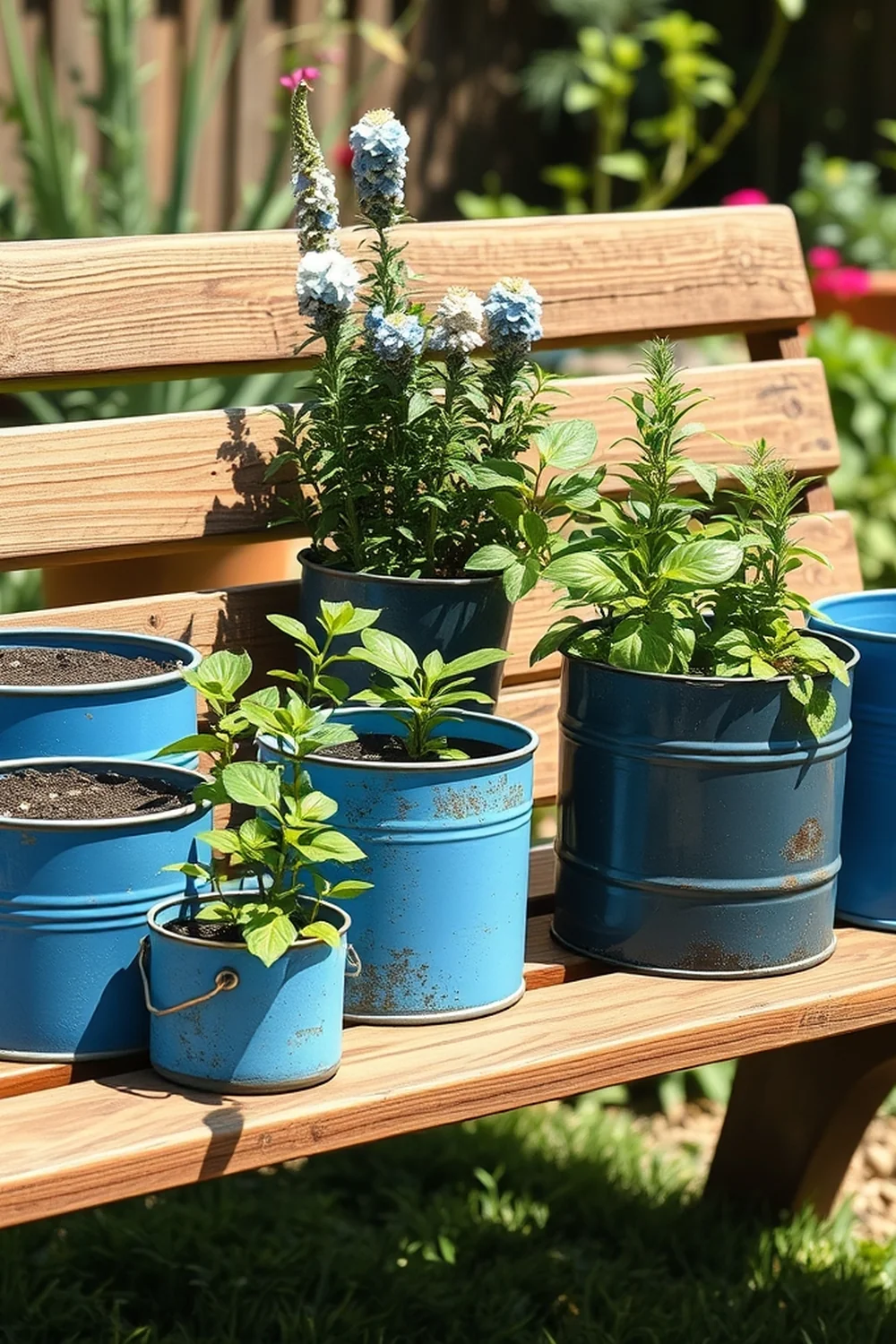
- Match container to plant: Consider the soil volume requirements for your chosen flora. Larger items like old galvanized steel tubs are excellent for perennials, while smaller vessels work best for succulents or shallow-rooted annuals.
A common mistake is failing to account for how elements react to the elements. Wood left directly on damp soil will rot faster, and metal objects may rust if not properly treated. By taking the time to prepare your materials and placing them mindfully, you ensure your garden remains a beautiful, functional retreat throughout the seasons.
Safety Tips for Upcycling
Prioritize safety by selecting materials that will not harm your plants or the local ecosystem. When you customize thrifted items with color, always choose non-toxic paints and sealants. These products prevent harmful chemicals from leaching into your potting soil, which is especially vital if you plan to grow edible plants. Checking the ingredient labels for water-based or food-safe options keeps your garden environment healthy and sustainable.
Before you turn old furniture or household objects into vertical displays, evaluate their structural integrity. A piece that looks charming might be weakened by rot, rust, or loose joints. Test the weight capacity of any frame or shelf before you load it with damp soil and heavy pots. Reinforce weak points with screws or brackets to ensure your display remains stable once it is in place.
If you use folding step ladders or stools to showcase your container gardening ideas, handle them with care. According to the Occupational Safety and Health Administration, you should store these items in a secure location when they are not in use to keep them from blowing over or tipping during windy weather. Keeping these items stored properly protects your garden art and prevents accidental damage during unexpected weather shifts.
- Inspect all repurposed containers for sharp edges or rusted metal that could cause injury during maintenance.
- Ensure your vertical supports are anchored to a solid base to prevent them from toppling over under the weight of wet plants.
- Cover raw wood edges with a protective, non-toxic finish to extend the lifespan of your materials and prevent splintering.
Repurposed Container Gardening Basics
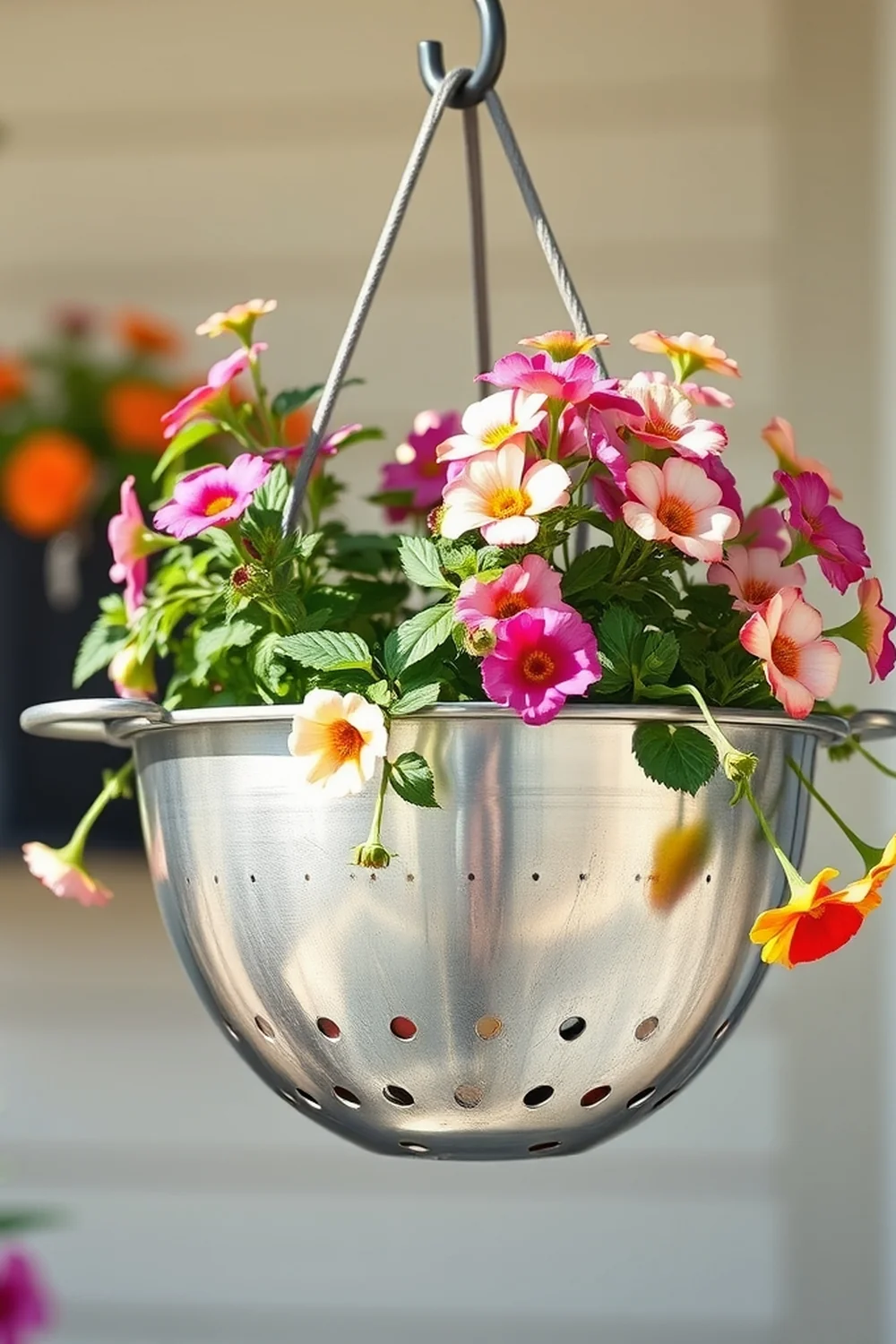
Every repurposed vessel requires adequate drainage holes to ensure long-term plant health. Without an exit point for excess water, roots can quickly sit in stagnant moisture, which often leads to rot and fungal issues. When using items like colanders, you often have built-in drainage, but solid containers like old drawers or metal tins require you to drill several openings across the bottom before adding any soil.
Matching the volume of your container to the needs of the plant is vital for successful container gardening. Shallow vessels like colanders work beautifully for succulents or shallow-rooted annuals, while deeper items like old wooden drawers provide enough space for larger perennials to develop strong root systems. If you choose a container that is too small, the plant will become root-bound and struggle to access the nutrients it needs to thrive.
Selecting the right material influences how long your garden display lasts outdoors. Choosing durable materials helps your thrifty garden projects withstand the elements over several seasons:
- Galvanized steel is an excellent choice for durability, as it resists rust and provides a modern look that complements various plant textures.
- Terra cotta offers natural breathability, which helps regulate moisture levels within the soil, although it can be prone to cracking in freezing temperatures.
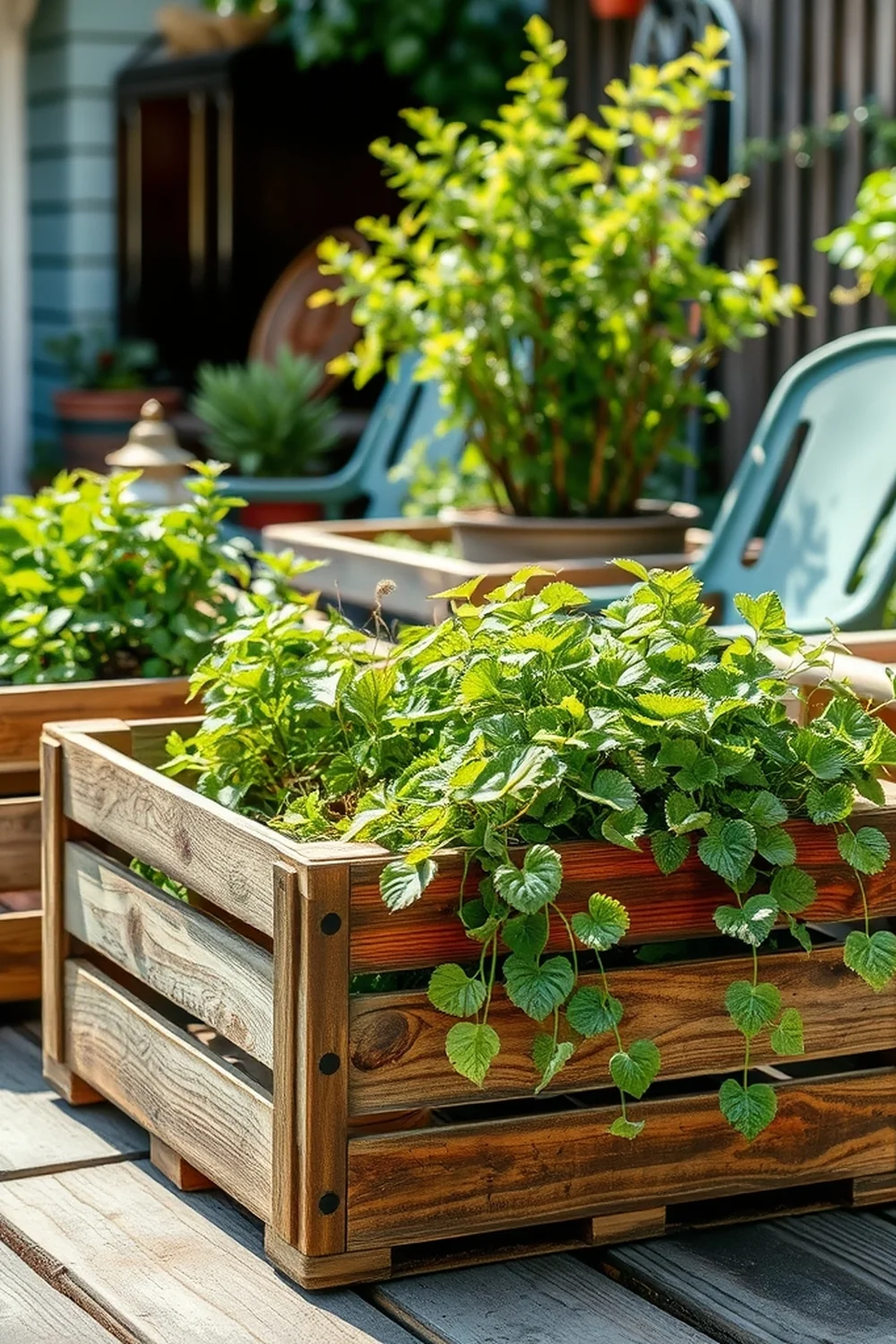
- Wood adds rustic charm but requires a protective sealant to prevent the container from rotting when in constant contact with damp potting mix.
Always consider the physical stability of your setup when using items like folding step ladders or stools as stands. According to the Oregon Occupational Safety and Health Division, you should store folding step ladders or stools securely when they are not in use to avoid the risk of them toppling over during windy weather. Keeping your display secure protects both your plants and your garden environment.
Creative Upcycling Project Ideas
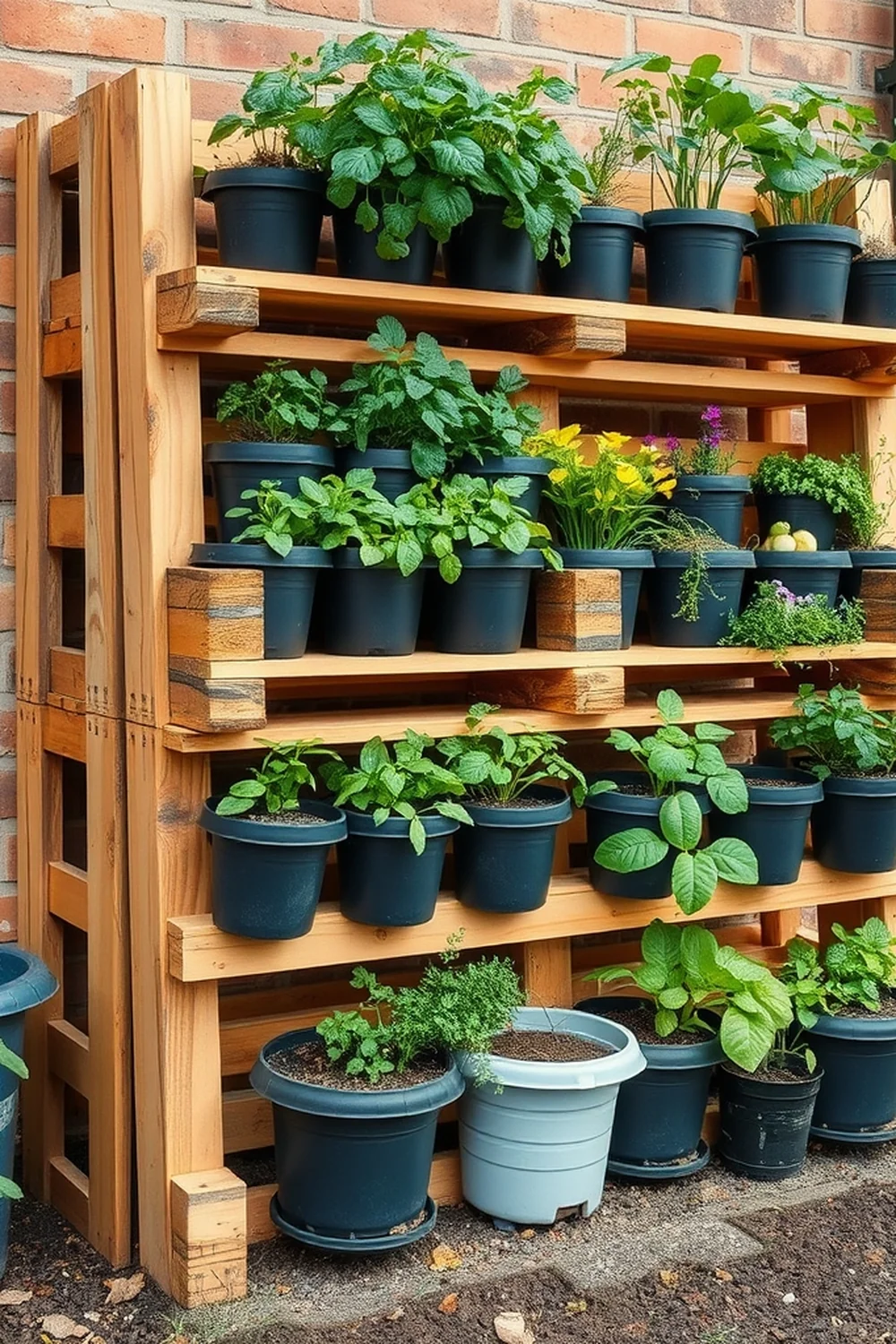
Transforming everyday objects into functional garden features is an accessible way to personalize your outdoor space while keeping costs low. You can achieve unique DIY garden decor on a budget by focusing on structural integrity and ensuring your chosen materials are safe for plants and wildlife.
- Create a sculptural tomato cage bottle tree by stacking colorful glass bottles onto the wire frame to catch the light.
- Adhere copper pennies to an old bowling ball using waterproof adhesive to craft a shimmering piece of recycled materials for garden art.
- Build a hummingbird feeder station by attaching a small, nectar-filled glass bottle to a painted wooden stake or a repurposed metal stand.
- Convert a vintage wooden chair into a whimsical plant stand by removing the seat and dropping a container of succulents into the frame.
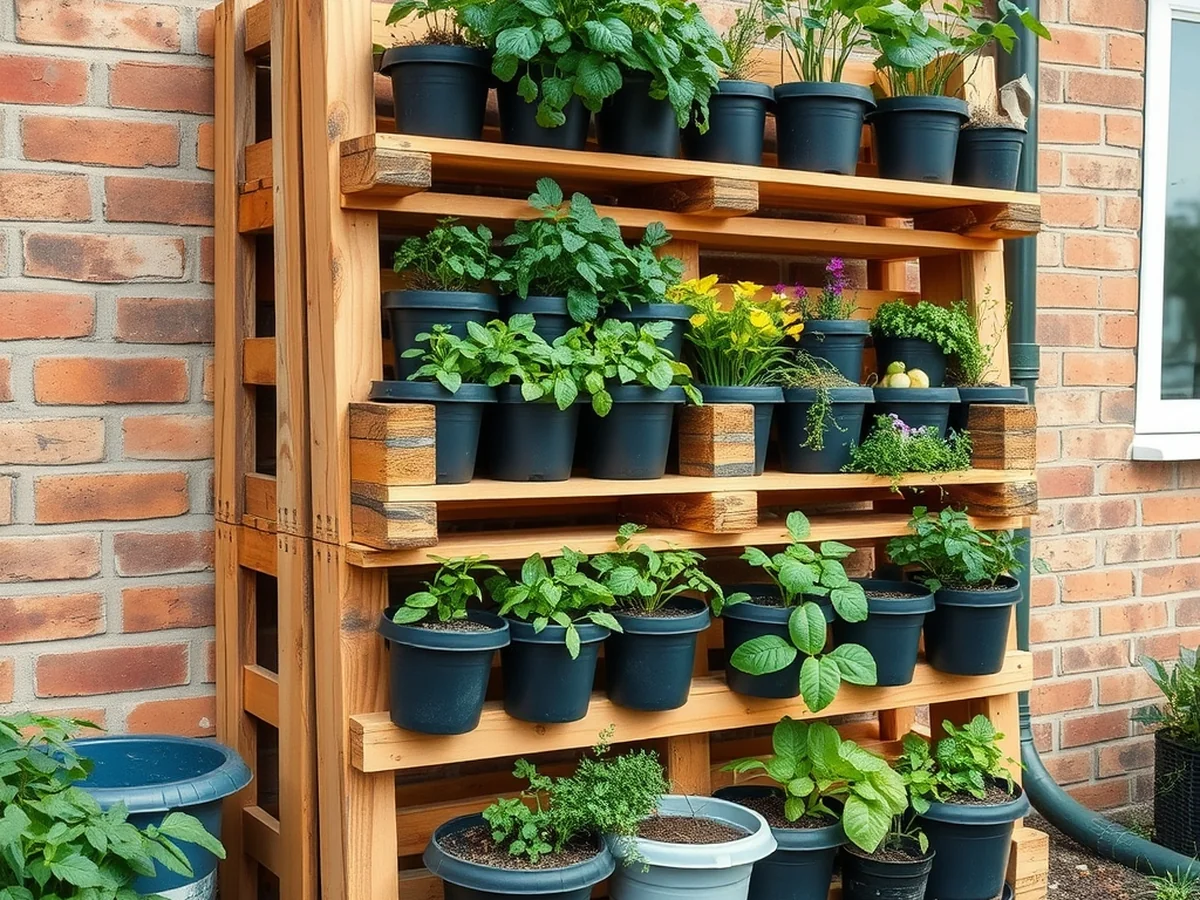
- Turn a reclaimed shipping pallet into a vertical garden by stapling landscape fabric to the back and filling the slats with potting soil for herbs.
- Utilize a retired step stool as a tiered display for creative container gardening ideas, but keep in mind that folding step ladders or stools must be placed in a secure location when not in use to prevent them from tipping over during windy weather.
When repurposing large appliances or furniture, start by removing any non-essential components like internal wiring or plastic liners. Ensure your piece has adequate drainage holes drilled into the bottom to prevent water from pooling and causing root rot. If you choose to paint your repurposed item, select a durable, non-toxic outdoor finish to protect the surface from the elements. Before installing vertical elements like reclaimed pallets or wall-mounted storage, verify that the wall or fence can support the weight of wet soil and plants. Always check that the structural integrity of your project remains sound after exposure to rain and wind.
Finding Free Garden Supplies
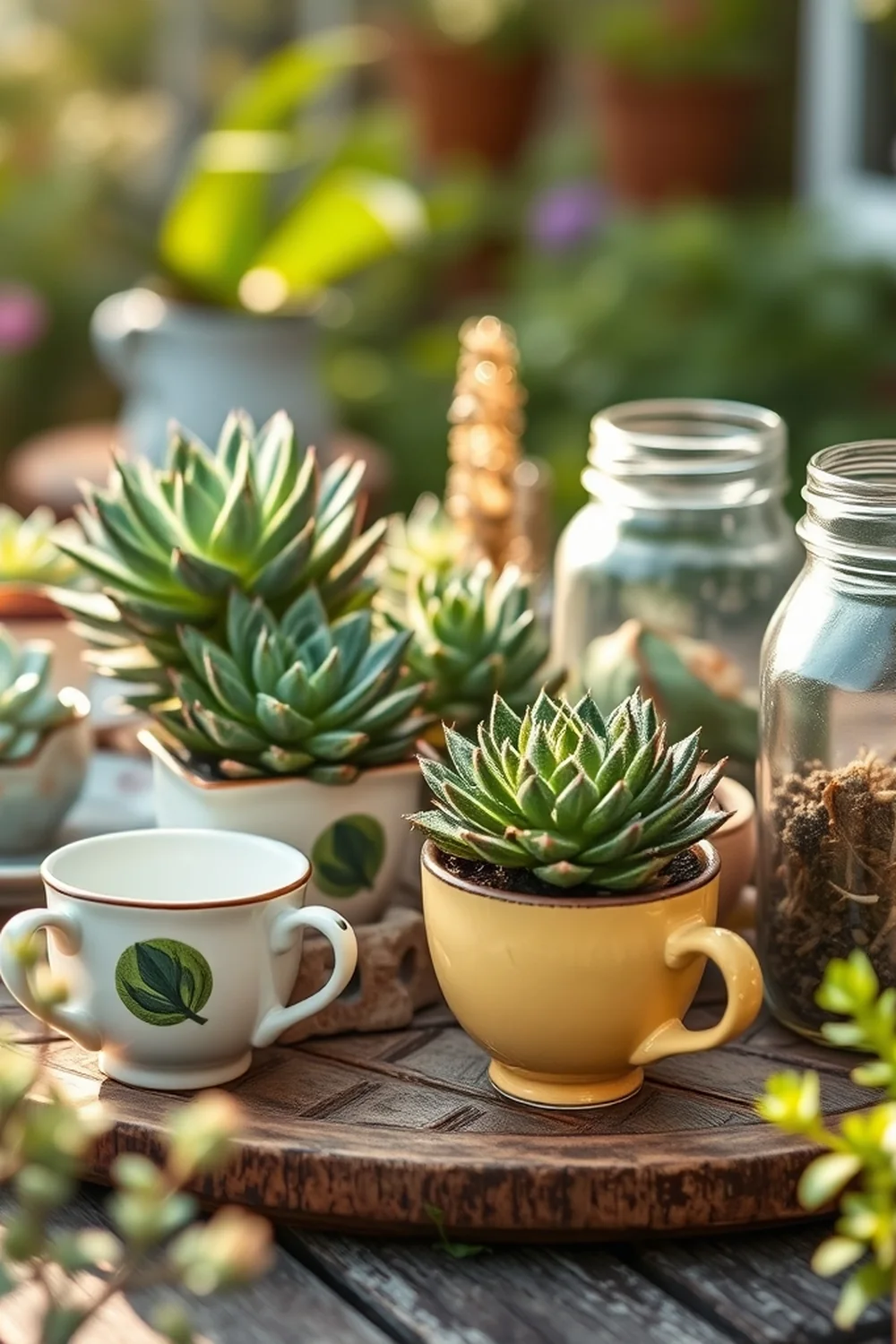
You can source affordable materials for your next project by checking local garage sales, thrift stores, and online marketplaces. Many people list items for free or at a deep discount when they are clearing out their homes or sheds. Keep an eye out for potential planters or art pieces at these locations, as a quick coat of paint or some minor repair can turn someone else’s clutter into a unique feature for your outdoor space.
Adopting a scavenger mindset helps you see the hidden potential in everyday objects. Look for items that can hold soil, such as old colanders, sturdy crates, or worn-out kitchen canisters, which make excellent repurposed household items for plants. Before you commit to a specific object, verify it has enough space for roots and consider how you will add drainage holes. Proper drainage is essential for plant health, as it prevents water from pooling at the base and causing root rot.
Selecting durable materials is crucial for ensuring your thrifty garden projects survive the seasons. Natural materials like terra cotta might crack in freezing temperatures, while thin plastics can become brittle under constant sun exposure. When using metal items, check for signs of rust that could weaken the structure over time. If you choose to incorporate a folding step ladder or stool to display your pots, keep them stored away when not in use to prevent them from tipping over during windy weather.
- Check local community groups for free pallets or leftover building materials.
- Inspect thrift store glassware for cracks before using them as containers.
- Prioritize non-porous containers for moisture-loving plants to keep the soil damp longer.
- Always wash used containers thoroughly to remove any chemical residue before planting.
Avoiding Common Upcycling Pitfalls
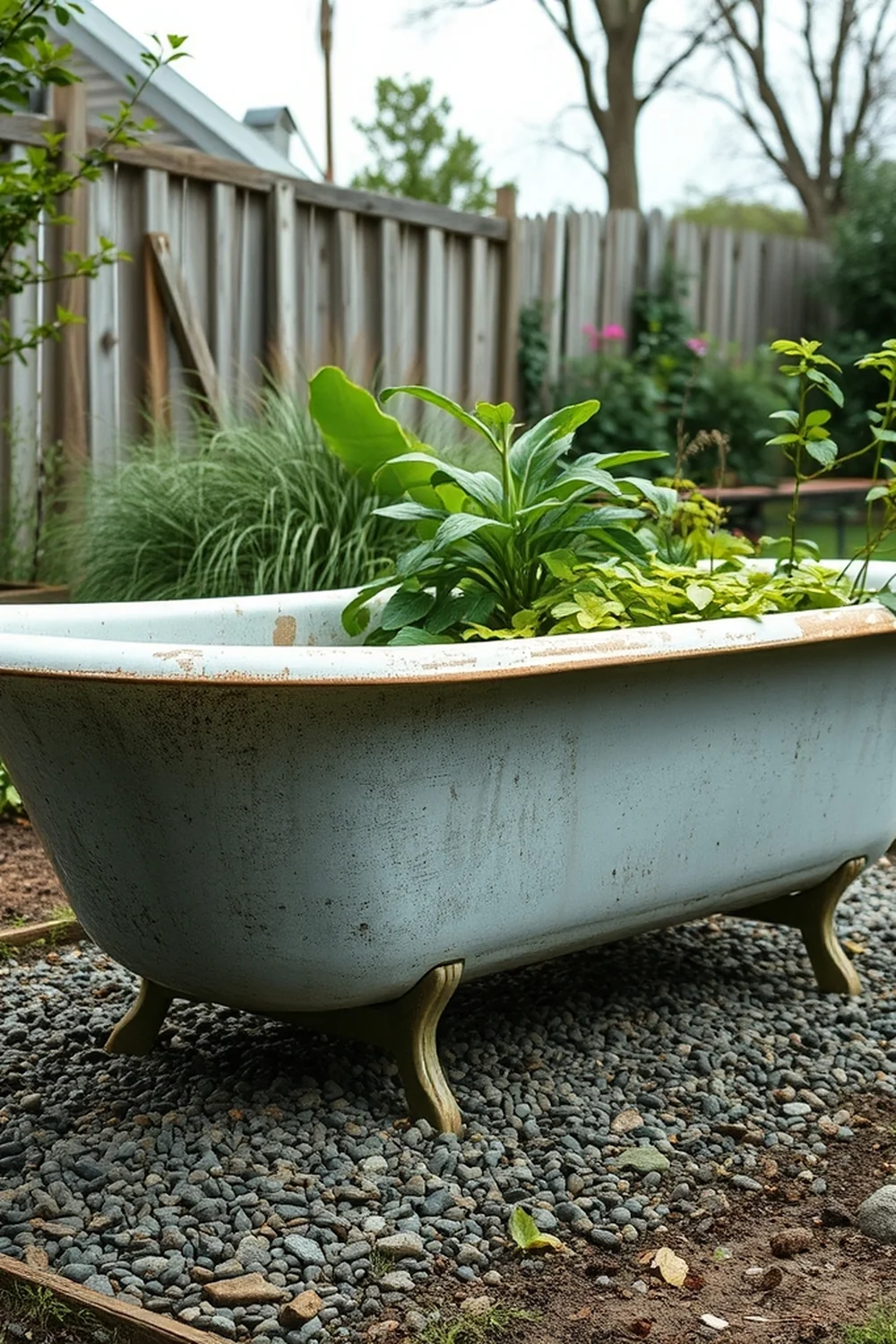
Successfully incorporating repurposed household items for plants requires careful attention to structural integrity and material durability. By planning for environmental exposure and physical weight, you can ensure your garden projects remain safe and functional throughout the seasons.
- Always drill adequate drainage holes into the base of any repurposed container to prevent water accumulation that leads to root rot.
- Avoid using materials like untreated cardboard or thin paper products that degrade too quickly when exposed to moisture and soil.
- Assess the weight distribution of vertical projects thoroughly to prevent a total collapse under the combined load of damp soil and mature plants.
- Place folding step ladders or stools out of the way when they are not in use to prevent tipping in windy conditions.
- Choose weather-resistant finishes or naturally durable materials to ensure your creative container gardening ideas do not break down or leach chemicals into the garden soil.
When selecting containers, consider the long-term impact of moisture on your chosen materials. Metal objects may rust and wood can rot if not treated with non-toxic, weather-safe sealants. If you use vertical structures, always anchor them firmly to the ground or a wall to withstand heavy winds and the increased weight of wet potting mix. Taking these precautions protects both your plants and the surrounding garden space from accidental damage.
When to Hire Landscapers
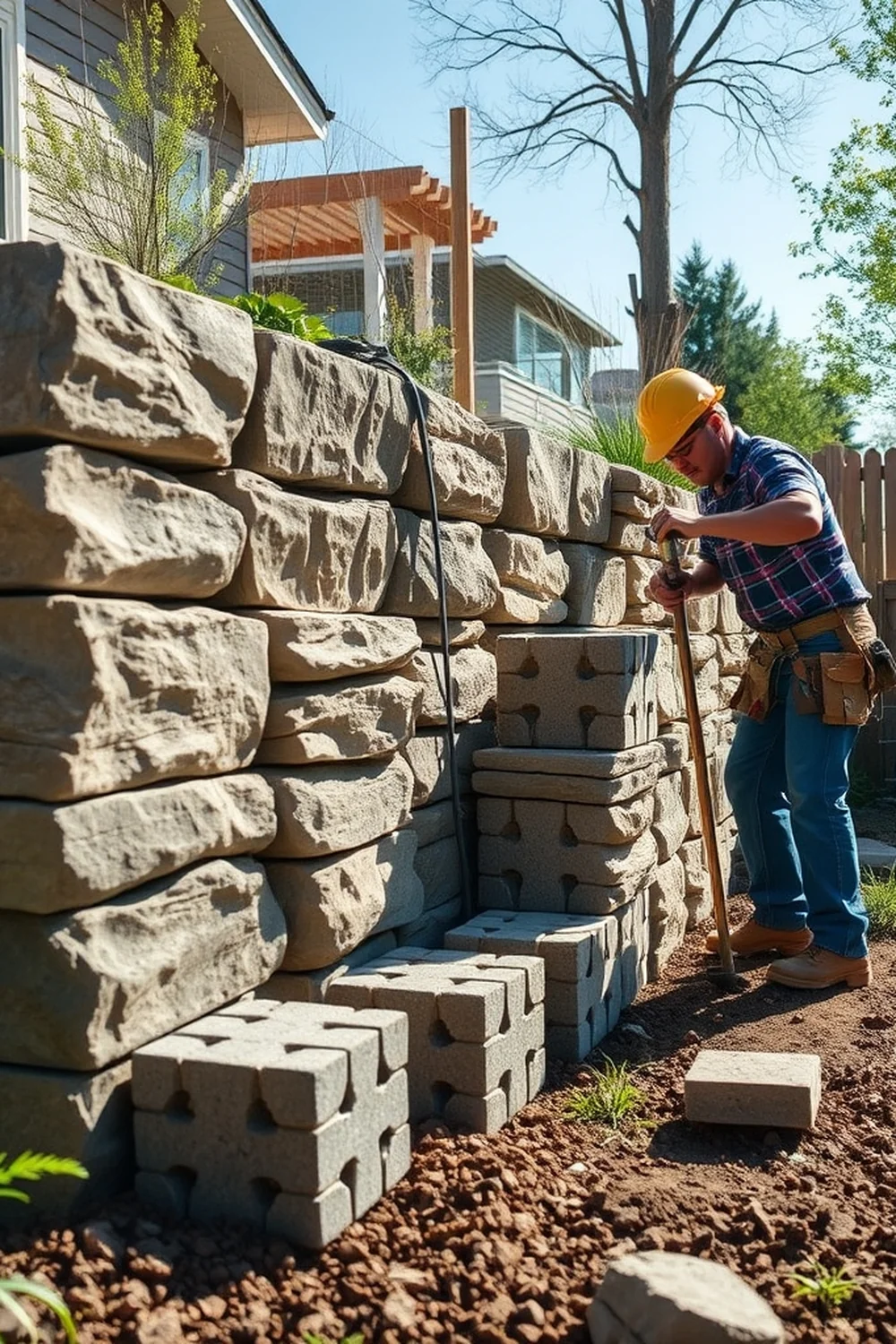
You should consult a professional landscaper or contractor whenever a project involves significant structural modifications, heavy masonry, or permanent changes to your property layout. While many budget-friendly garden projects are perfect for a weekend DIY effort, tasks that impact the stability of your soil, existing walls, or plumbing require expert knowledge to remain safe and functional.
Distinguishing between simple decor and complex installations is vital for your peace of mind. Painting old pots, arranging common household objects for plants, or building a small wooden planter box are generally safe DIY tasks. However, if you plan to build retaining walls, install large stone features, or modify permanent garden pathways, you need an expert. These installations must meet specific building codes and load-bearing requirements that DIY enthusiasts often overlook.
Safety remains a priority even for minor modifications. For instance, folding step ladders or stools used for vertical gardening displays must be stored securely when not in use, as Oregon OSHA notes that leaving them out can lead to tipping in windy conditions. If you are unsure about the weight capacity of a support structure or whether a DIY installation could become unstable over time, it is always safer to bring in a professional for an inspection.
When selecting plants for your new garden spaces, consider reaching out to educational resources like the University of Minnesota Extension. They provide reliable horticultural advice regarding plant compatibility and environmental needs. Proper plant selection ensures your greenery thrives in its new container or bed without competing for resources or failing due to poor soil volume. Consulting these academic extensions helps you avoid common pitfalls, ensuring your garden remains a healthy and vibrant space throughout the seasons.
FAQ
What are some creative ways to use old household items in a garden?
You can transform items like colanders, wooden crates, or vintage tea kettles into unique planters by ensuring they have proper drainage holes. Old ladders or step stools serve as excellent vertical stands for your pots. According to the Oregon Occupational Safety and Health Administration, folding step ladders or stools should be stored away when not in use to prevent them from tipping over during windy weather.
How can I garden on a budget?
Focus on keeping costs low by sourcing materials from thrift stores, local classified ads, or items you already own. Reusing household waste for garden art or structural elements helps you save money while adding a personal touch to your outdoor space.
What are some examples of repurposed containers for plants?
Galvanized steel buckets, old boots, and even cleaned-out food tins make charming homes for succulents or small flowers. When choosing these recycled materials for garden art, ensure the containers are free of toxic residues and provide enough soil volume for the specific root system of your plant.
Do upcycled garden planters need special maintenance?
Yes, items exposed to the elements require regular upkeep to ensure they remain safe and attractive. Metal containers may need rust-resistant coatings, while wooden items often benefit from non-toxic exterior sealants to prevent rot and water damage over time.
Are there specific plants that struggle in upcycled containers?
Plants with deep root systems often struggle in shallow or small upcycled objects that lack sufficient soil depth. Always research the needs of your perennials or annuals to ensure the container size can support their growth throughout the season.
Conclusion
The best next step is to assess the items you already have on hand, such as worn-out step ladders or old containers, and determine their structural integrity before you begin. According to the Oregon Occupational Safety and Health Administration, you must place folding step ladders or stools out of the way when they are not in use to prevent tipping in windy conditions. Start with one small project to build your confidence and test your creative process. Once you have identified a suitable corner of your yard, you can begin applying these budget-friendly garden ideas to transform your outdoor space into a personalized sanctuary.
You might also like: 18 Glass Jar Decorating Ideas For Every Room