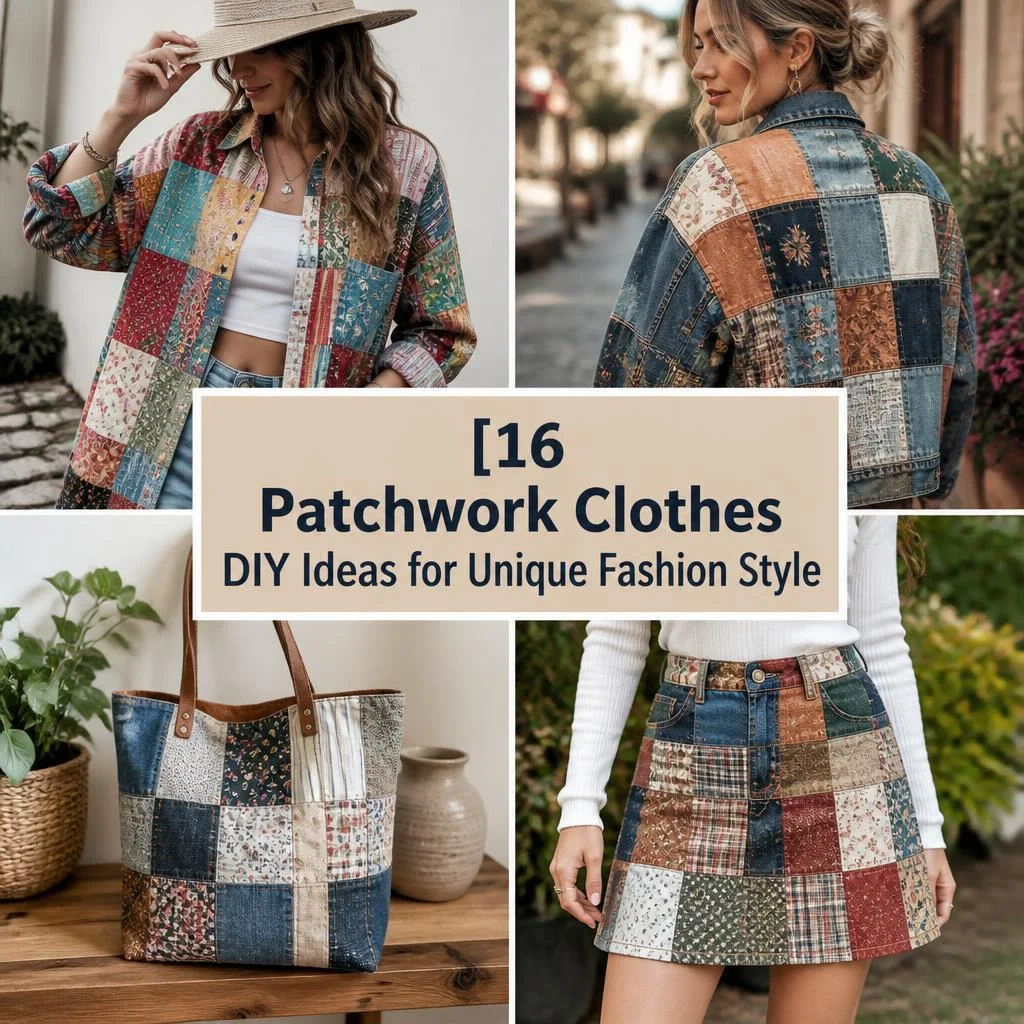
16 Patchwork Clothes DIY Ideas for Unique Fashion Style
Introduction
These patchwork clothes DIY ideas are perfect for anyone who loves creative fashion, sustainable styling, and pieces that feel genuinely personal. From denim jackets and oversized shirts to flowing dresses, utility pants, and colorful skirts, these projects show how different fabrics can turn familiar garments into expressive statement pieces.
You do not need a huge collection of materials or advanced sewing skills to begin. Start with clothes you already own and fabric leftovers that catch your eye. In my experience, the most successful designs often come from simple combinations of colors, textures, and carefully placed panels rather than complicated patterns. Whether you prefer subtle details or bold mixed-fabric designs, these ideas can help you create clothing that feels fresh, useful, and completely your own.
Patchwork Denim Jacket
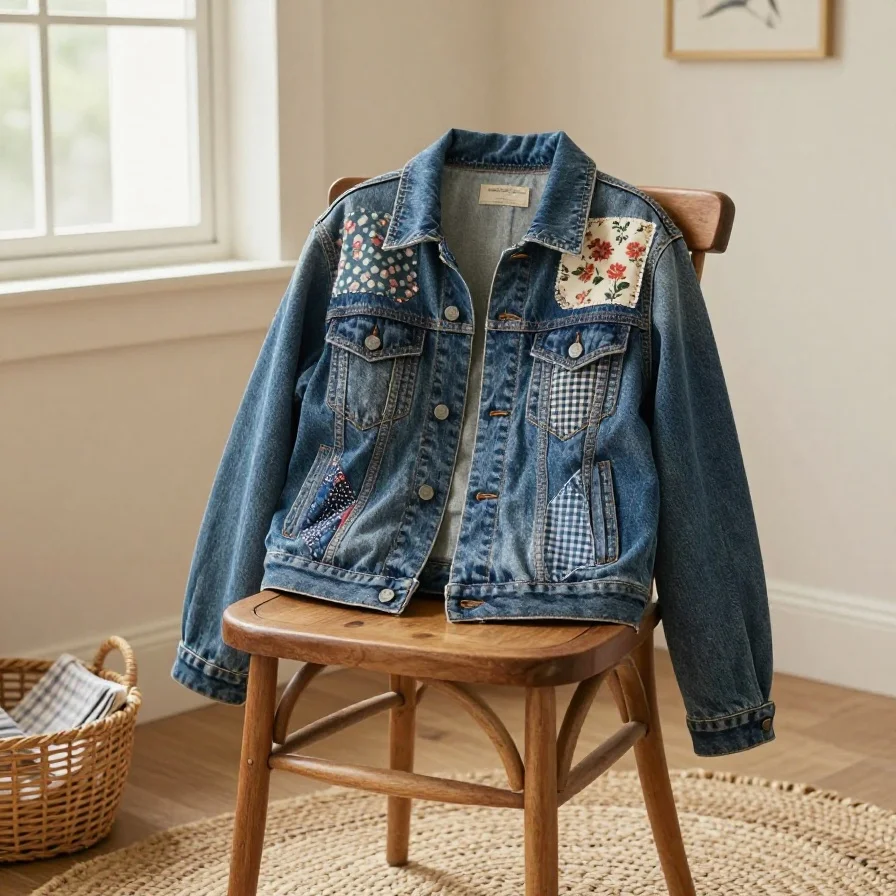
A worn denim jacket becomes something special when small fabric pieces turn its plain surface into a personal patchwork canvas. Combine faded blue denim with floral cotton, gingham, or tiny geometric scraps for contrast without making the design feel chaotic. I’ve noticed that keeping one color family dominant makes mixed fabrics look intentionally styled rather than random. Stitch pieces across pockets, sleeves, or the back panel, leaving some original denim visible. The result feels relaxed, artistic, and easy to wear with simple jeans, sneakers, or a plain dress. It is also a smart way to refresh a jacket you own.
One simple jacket can become the standout piece in an everyday wardrobe. Layering different textures gives the garment depth, while uneven fabric shapes create the handmade character that makes this style feel distinctive. For a polished finish, repeat one or two fabrics in separate areas instead of covering every section. This helps the eye move naturally across the design. The technique also works beautifully with leftover sewing materials, making it practical for upcycling. A few carefully placed patches can hide small marks or worn areas while adding personality, so the finished jacket looks thoughtfully designed rather than repaired.
Colorful Patchwork Shirt
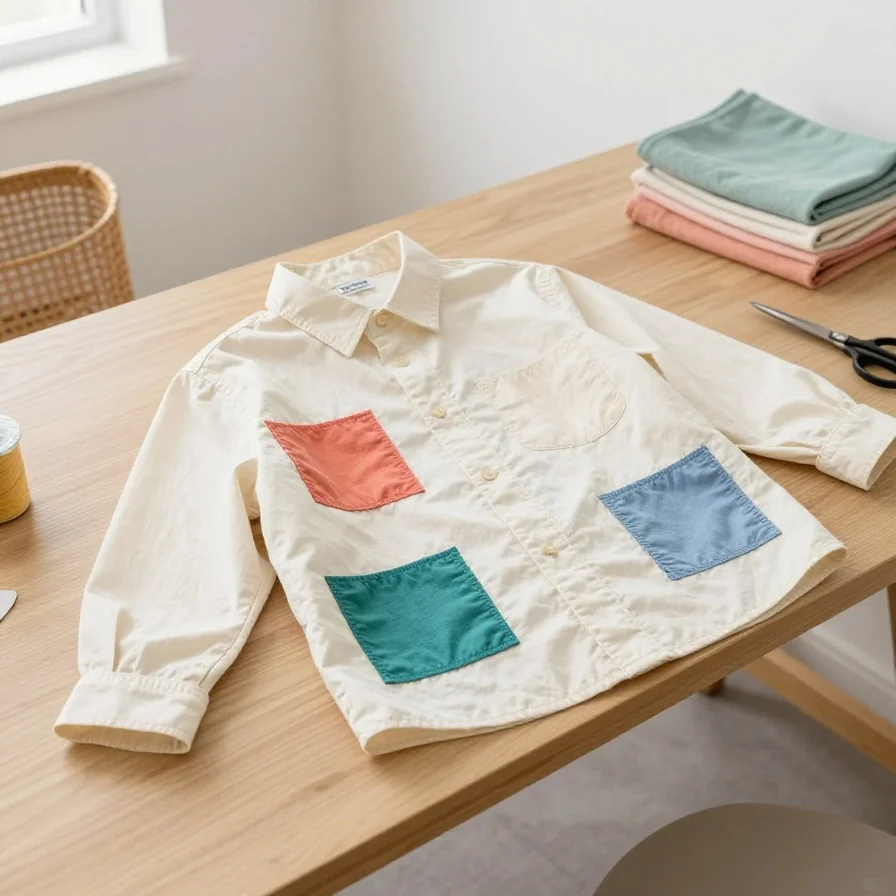
A plain cotton shirt can take on a completely new personality with a carefully arranged mix of colorful fabric squares. Choose a base shirt in white, cream, charcoal, or another quiet shade so the patterned pieces become the visual focus. Place larger scraps near the front or shoulders, then balance them with smaller accents along the sleeves or hem. I’ve seen this approach work especially well when the fabrics share one repeated color. It creates a playful composition without overwhelming the original silhouette. The finished top feels artistic, comfortable, and surprisingly versatile for casual outfits.
The beauty of a patchwork shirt is that the decoration can be as subtle or expressive as you want. Soft cotton scraps keep the garment comfortable, while contrasting prints add dimension and visual movement. Before stitching, lay the pieces across the shirt and photograph the arrangement from a distance; this simple check can reveal areas that feel too heavy or crowded. Leaving some blank fabric around the patches gives the design breathing room. The result is a wearable statement piece that pairs easily with solid trousers, skirts, or denim, making creative dressing feel effortless rather than complicated.
Mixed-Fabric Jeans
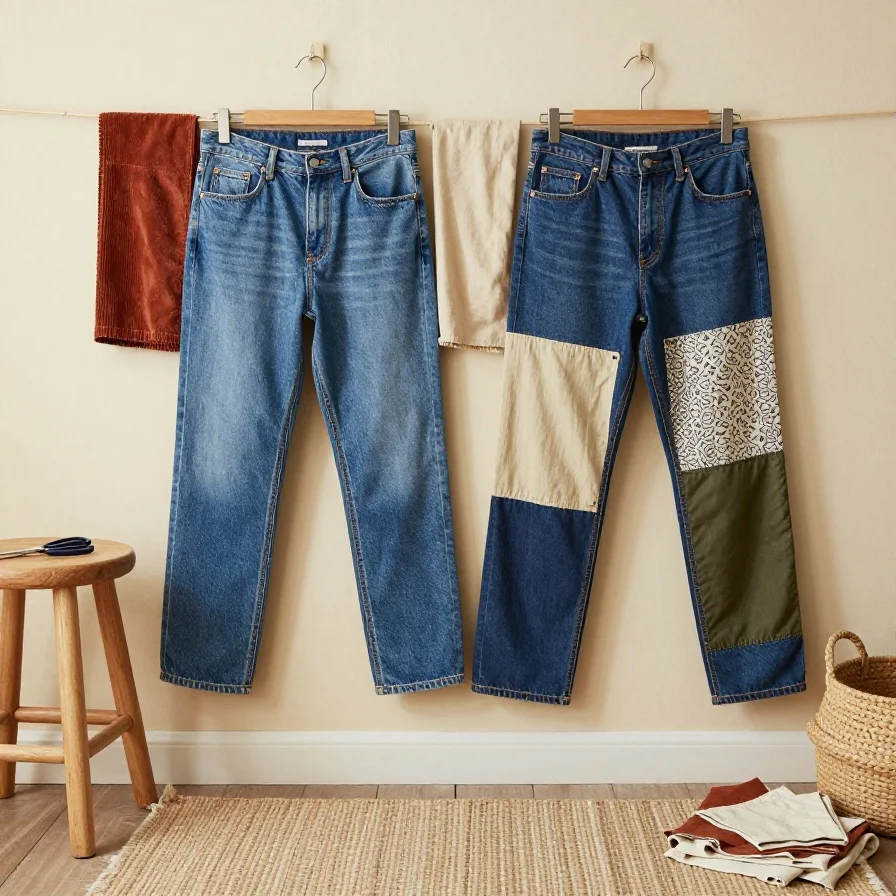
A pair of relaxed jeans can become a standout wardrobe favorite when contrasting fabric panels are added to the legs. Mix denim shades with cotton prints, corduroy, canvas, or soft woven scraps for an appealing combination of texture. Keep the patches flatter around the knees and seams where frequent movement can create extra stress. A balanced arrangement along one leg can look modern, while repeating shapes on both sides creates a more coordinated finish. This idea is especially useful for worn jeans because decorative panels can cover faded sections and turn everyday imperfections into intentional design details.
Turning ordinary jeans into a custom piece does not require covering every inch of denim. A few thoughtfully positioned panels can create stronger visual impact than a crowded arrangement. Try placing one larger patch near the thigh and smaller pieces lower on the leg for an easy vertical rhythm. If you prefer symmetry, mirror similar colors rather than identical fabrics on each side. I’ve noticed that mixing rough denim with softer printed cotton makes the texture feel richer. The finished pair works well with a simple tee, oversized sweater, or neutral jacket, letting the handmade details remain the focus.
Patchwork Skirt Hem
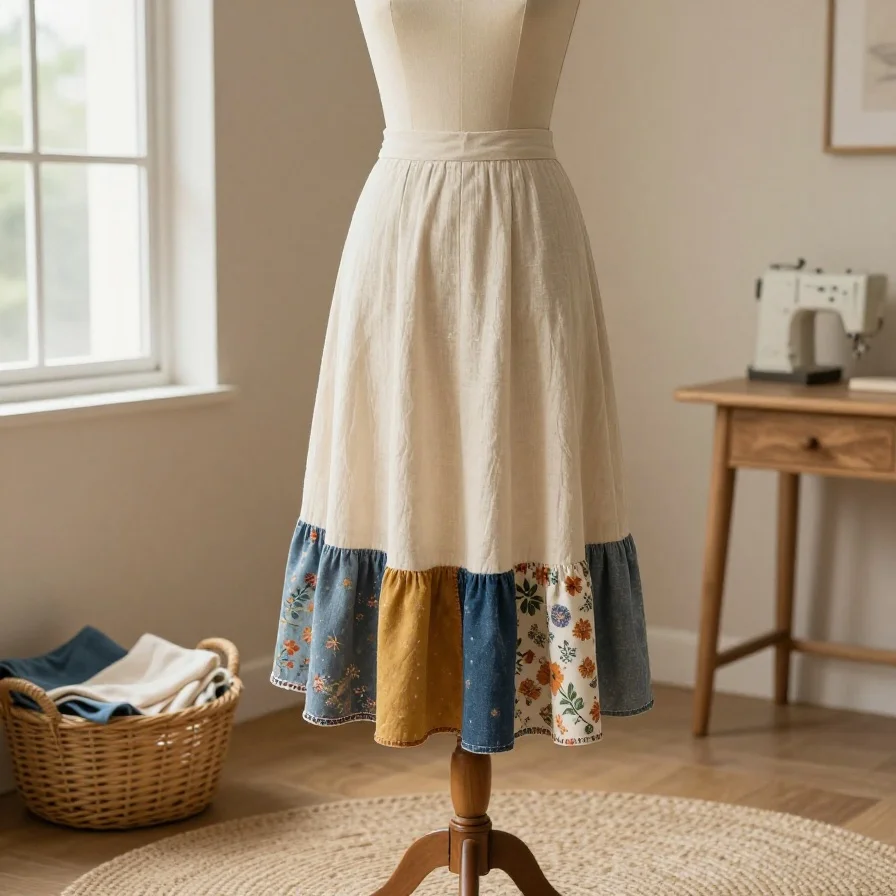
A simple skirt can become a striking handmade piece when fabric scraps are arranged into colorful fabric panels around the hem. Mix floral cotton, small checks, denim, or textured linen while keeping the upper portion relatively calm. This placement draws attention downward and gives movement to the silhouette. I’ve noticed alternating narrow and wider sections creates a more interesting rhythm than using identical strips. Choose lightweight materials whenever possible so the skirt remains comfortable. The finished design pairs beautifully with a tucked-in plain top and simple shoes, allowing the patchwork details to remain the visual highlight.
A patchwork hem also offers an easy way to refresh a skirt that feels too plain or slightly dated. Before sewing, pin each fabric piece temporarily and check the arrangement while hanging naturally. This prevents awkward color clusters and keeps the result balanced. Repeating one fabric near the front and back can quietly connect the whole design. For everyday wear, secure the edges carefully and avoid bulky layers near the waistband. The transformation is practical as well as decorative because leftover materials gain a purpose, while an ordinary skirt becomes a distinctive piece that feels thoughtfully handmade.
Fabric Scrap Tote
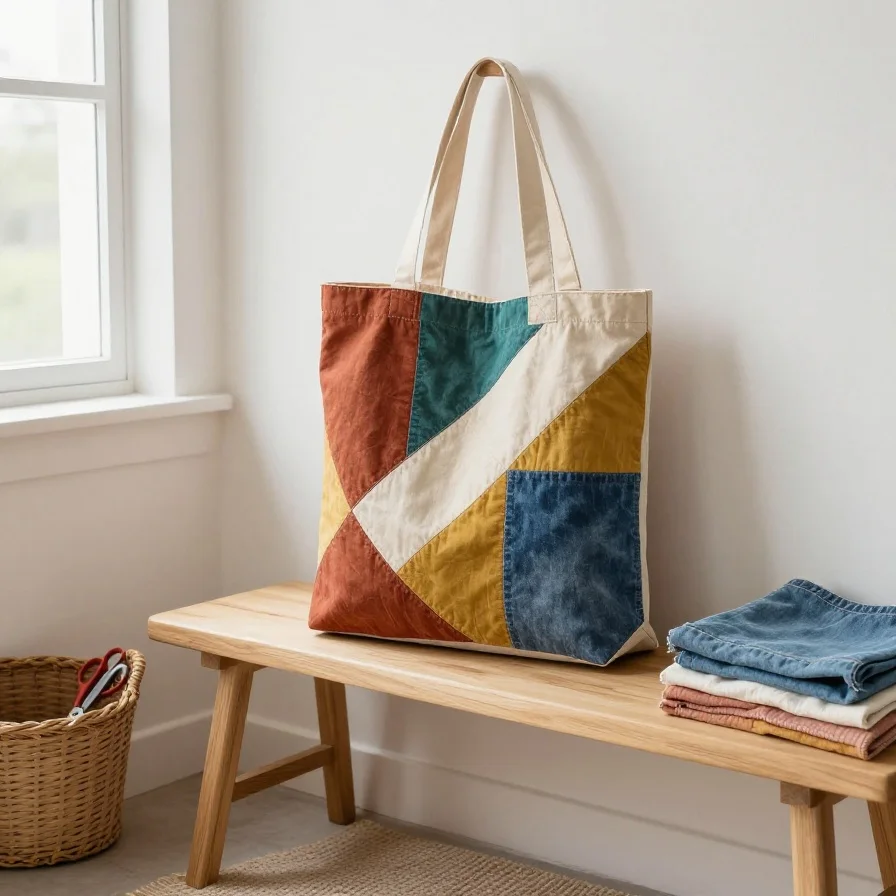
A soft tote becomes much more memorable when its surface combines different fabrics, colors, and patterns in a simple geometric arrangement. Start with sturdy cotton or canvas as the foundation, then add denim, printed cotton, corduroy, or woven scraps for contrast. Larger pieces create a cleaner appearance, while tiny accents can add playful detail. I’ve found that keeping the handles and lining in solid colors helps the outside design stay visually organized. The finished bag can carry books, craft supplies, groceries, or daily essentials while adding a handmade touch to an otherwise simple outfit.
A patchwork tote is one of the easiest projects for using fabric leftovers because small pieces can become useful instead of sitting unused in a drawer. Arrange the fabrics on a flat surface before stitching, then photograph your favorite layout so you can reproduce it accurately. Reinforce the base and handle attachments because these areas receive the most stress during regular use. Mixing smooth cotton with slightly textured materials adds tactile interest without requiring complicated construction. The final bag feels practical, personal, and easy to style, especially when paired with neutral clothing that lets the colorful fabric arrangement stand out.
Patchwork Cropped Jacket
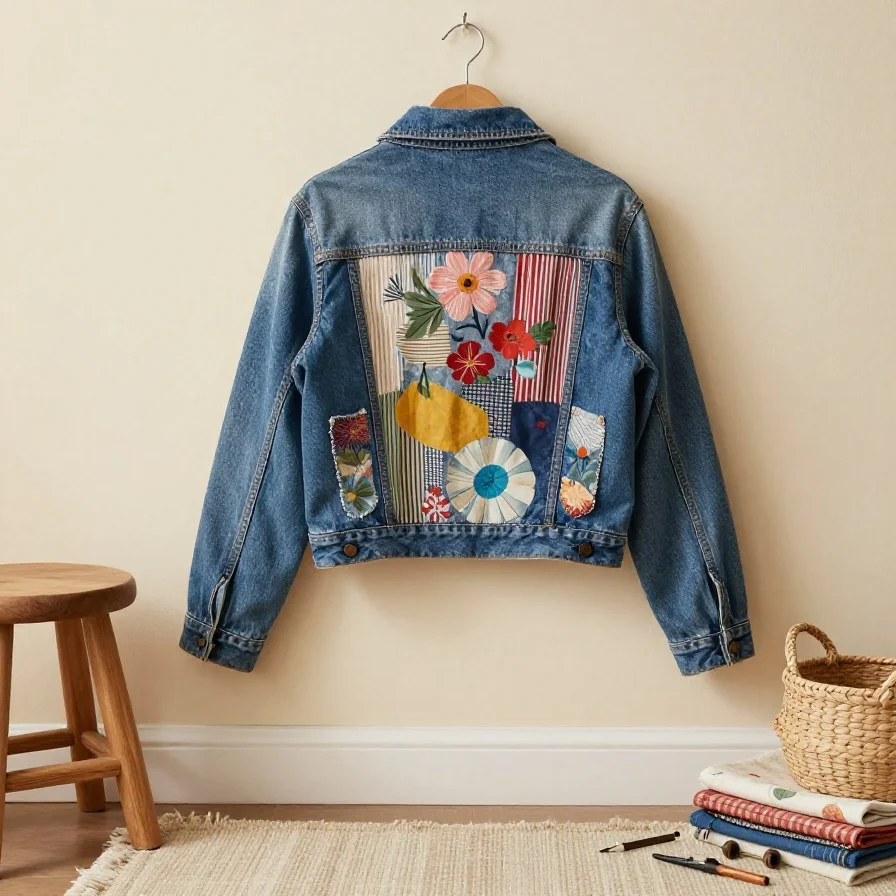
A cropped jacket gains instant character when contrasting fabric pieces are placed across the back, cuffs, or pocket areas. Choose a structured base in denim, twill, or cotton, then introduce smaller scraps in floral, striped, checked, or abstract prints. Keep the largest visual element on the back for a strong focal point, while smaller details can frame the sleeves. Soft daylight makes the different textures especially noticeable and gives the finished garment a relaxed studio-made feel. This approach works well for casual layers because the jacket remains familiar in shape while the surface becomes completely individual.
A few carefully placed panels can make a jacket feel designed rather than simply decorated. Lay the fabric pieces across the garment and step back several times before sewing; distance often reveals whether the composition feels balanced. For a cohesive finish, repeat one accent color in at least two separate locations. Avoid putting thick fabrics directly over areas that fold frequently, since extra bulk can affect comfort. The result is an easy statement layer that can transform jeans and a plain shirt into a complete outfit. It also gives older outerwear a fresh purpose without changing its useful structure.
Patchwork Oversized Shirt
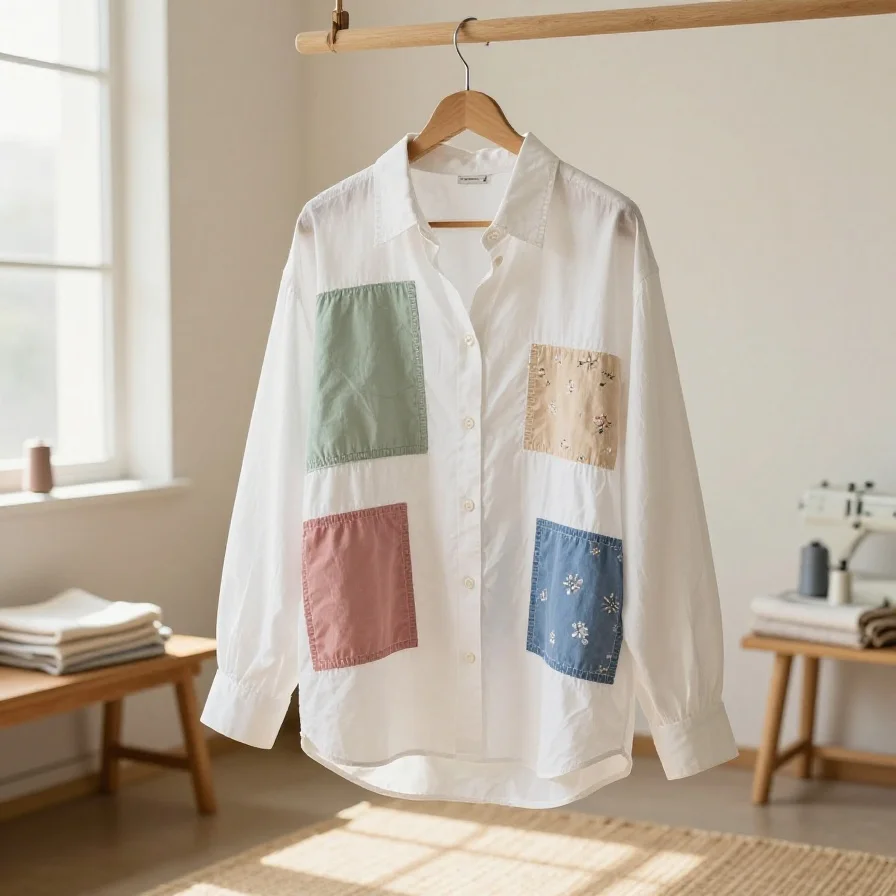
An oversized shirt gives you plenty of surface area for experimenting with mixed fabrics without making the design feel cramped. Start with a light cotton base and add larger panels across the back, sleeves, or chest pocket. Soft colors such as sage, dusty pink, beige, and faded blue create a relaxed look, while one stronger print can provide contrast. I’ve noticed that oversized silhouettes work especially well because the loose shape lets patchwork details remain visible without competing with the body’s natural lines. The result feels comfortable, creative, and easy to style throughout changing seasons.
The loose shape also makes this idea practical for anyone who wants a statement garment without complicated tailoring. Try arranging the largest pieces on the back, where they can create a clear focal area, then use smaller scraps on the cuffs or pocket. Keeping the original collar and button placket simple helps the handmade details look intentional. For everyday outfits, pair the shirt with straight-leg jeans or solid trousers so the colors have room to stand out. A few carefully selected fabrics can transform an ordinary oversized shirt into something that feels relaxed, modern, and completely personal.
Patchwork Utility Pants
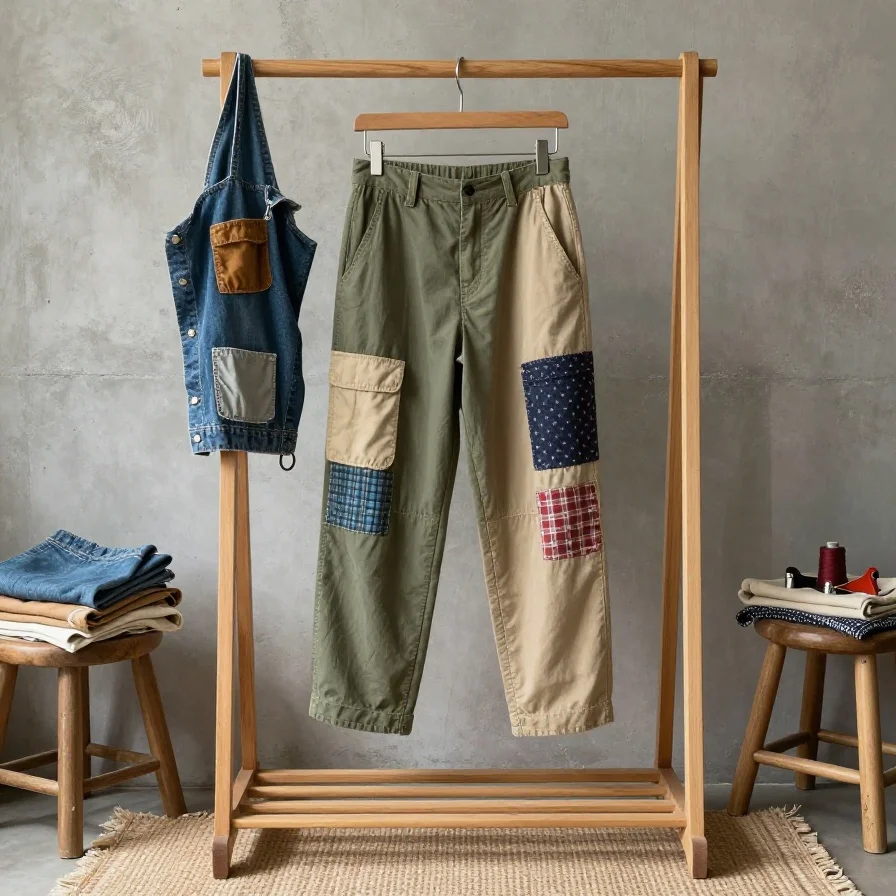
Utility pants already have a strong practical character, so fabric panels can enhance their rugged appearance without making them feel overly decorative. Combine olive, beige, brown, faded denim, and printed cotton for an earthy palette that works naturally with the garment’s original structure. Place patches around pockets, knees, or lower legs, but keep important openings clear. Stronger fabrics such as canvas and denim can handle areas that experience regular friction. This combination creates useful texture and visual contrast while maintaining the relaxed shape that makes utility trousers comfortable for everyday outfits and casual outdoor activities.
The most successful designs balance decoration with function. Before attaching anything, check that each patch will not interfere with sitting, bending, pocket access, or movement. A slightly irregular arrangement can look more authentic than perfectly matched pieces, especially when the colors share a muted palette. Reinforcing edges is particularly helpful around knees and pocket corners because these areas receive frequent wear. Pair the finished trousers with a plain sweatshirt, fitted tee, or simple jacket to keep the outfit balanced. The result feels sturdy and expressive while giving an older pair of pants a useful second life.
Patchwork Maxi Dress
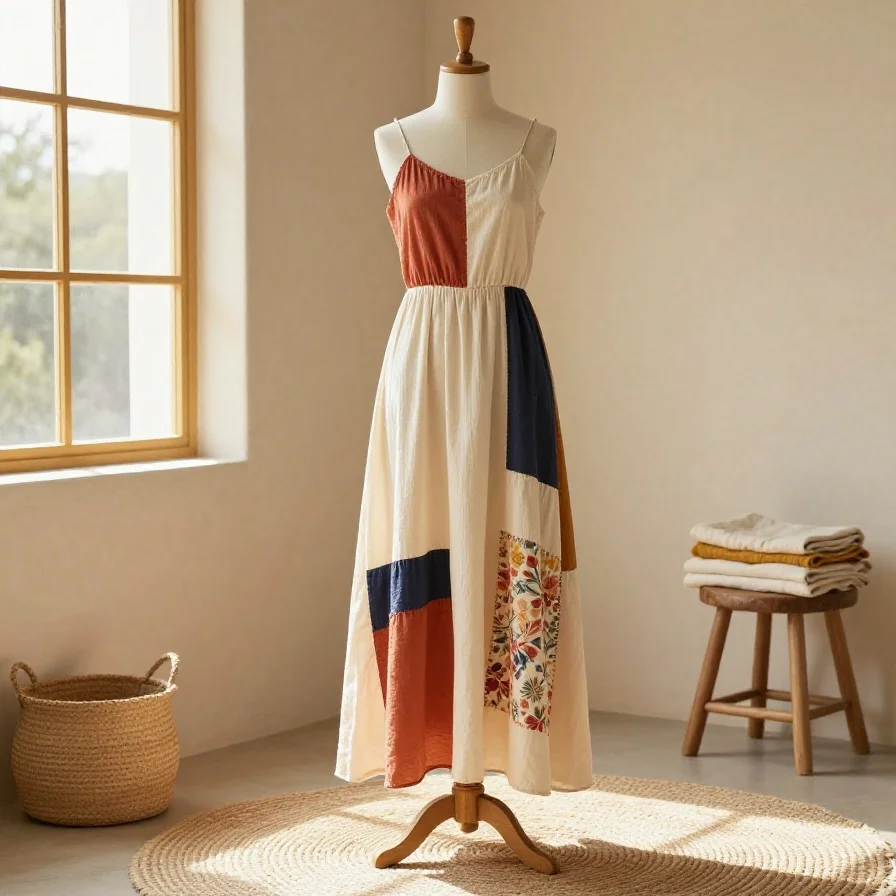
A flowing maxi dress can become an eye-catching handmade piece when carefully selected fabric panels are incorporated into the bodice or skirt. Lightweight cotton, linen, and soft woven materials work especially well because they preserve the dress’s movement. Try combining terracotta, navy, mustard, beige, and floral prints for a warm artistic palette. I’ve seen designs look especially polished when the same accent color appears in several separate panels. Instead of covering the entire dress, leave portions of the original fabric visible. This creates contrast and allows the patchwork details to feel like intentional design features.
A maxi silhouette gives mixed fabrics plenty of room to create visual movement as the wearer walks. Larger panels can define the lower skirt, while smaller pieces around the bodice provide subtle detail without overwhelming the shape. Before stitching, test the fabric weights together because heavier scraps can pull against lightweight material and change the drape. Soft seams are also important when the dress sits close to the body. Style the finished piece with simple sandals or understated accessories so the fabric composition remains the focus. The result is expressive, comfortable, and ideal for anyone who enjoys distinctive handmade fashion.
Patchwork Hoodie Panels
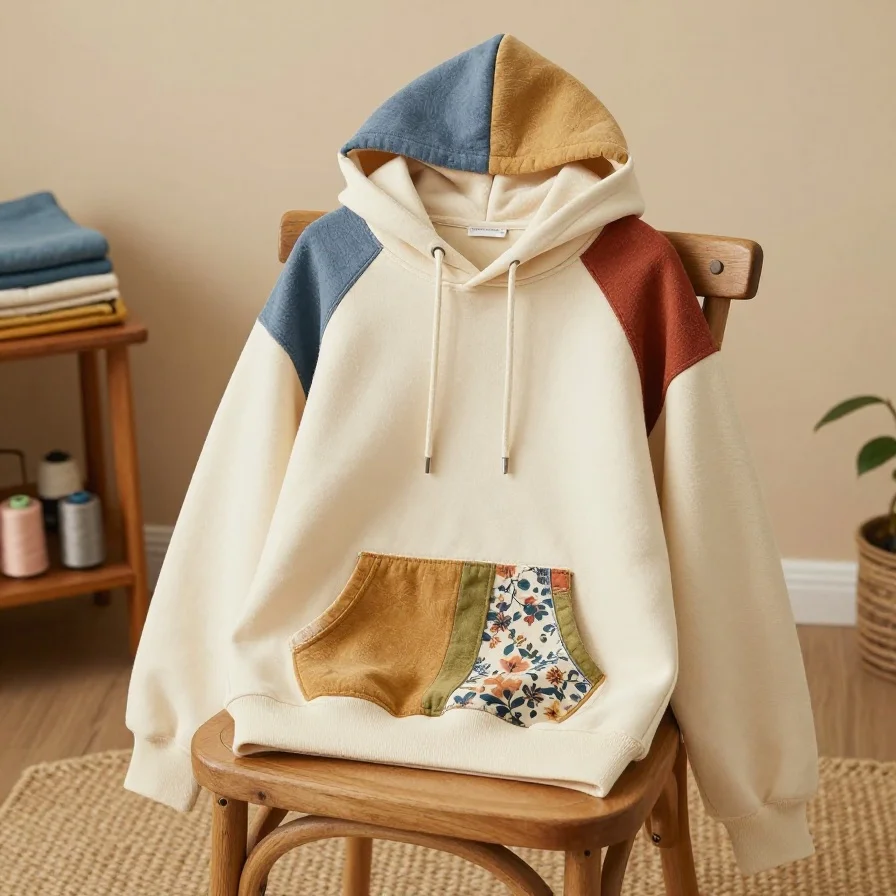
A comfortable hoodie becomes far more distinctive when small fabric panels are added to familiar areas such as the pocket, sleeves, or shoulders. Choose scraps with similar weights so the garment stays soft and flexible. Muted blue, rust, mustard, olive, and floral prints can create a relaxed palette without making the design feel too busy. The front pocket is an especially useful starting point because it provides a natural visual anchor. A few coordinated pieces can turn an ordinary sweatshirt into a creative everyday layer while keeping its original comfort, warmth, and easygoing shape.
The key is to decorate without making the hoodie difficult to wear. Avoid thick materials around the hood and areas that fold repeatedly, since unnecessary bulk can affect comfort. Instead, use lightweight cotton scraps and place stronger fabrics on flatter sections. I’ve noticed repeating one color across the sleeves and body makes separate patches feel connected. Keep the ribbed cuffs and waistband mostly untouched to preserve the hoodie’s clean structure. Once finished, pair it with plain joggers, denim, or neutral trousers. The contrast between casual construction and artistic fabric details gives the outfit a relaxed but carefully considered appearance.
Patchwork Denim Skirt
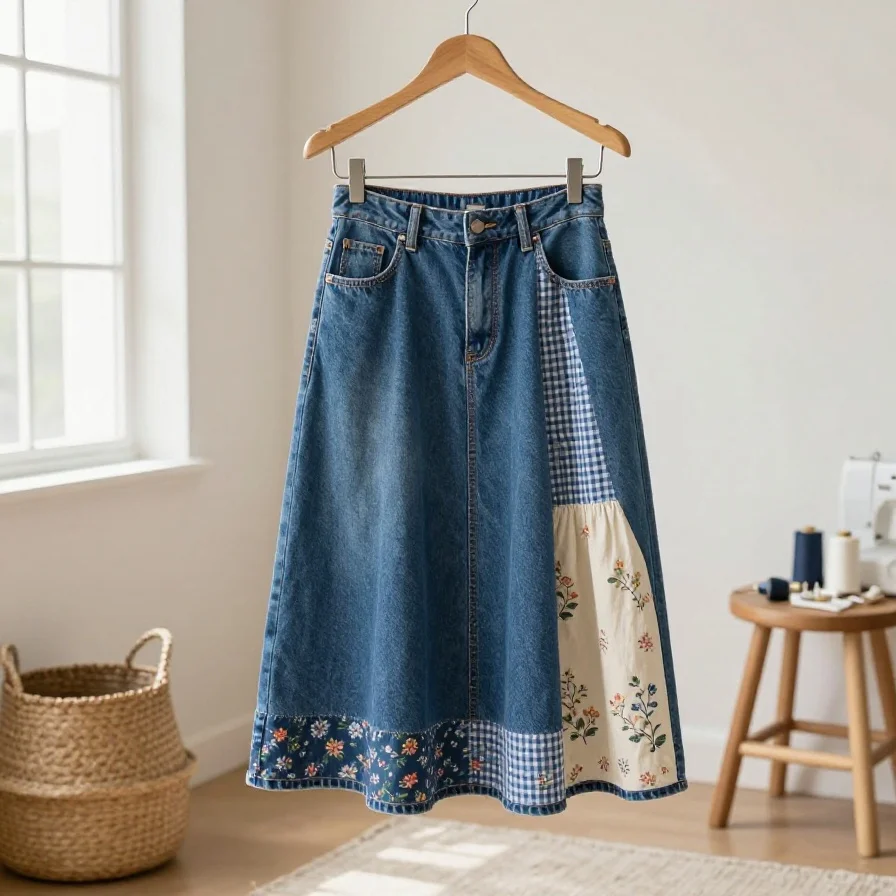
A denim skirt offers a naturally sturdy base for combining fabric scraps, especially when different shades of blue are mixed with small printed accents. Add floral cotton, gingham, or cream fabric between denim sections to soften the overall appearance. Vertical panels can visually lengthen the skirt, while a decorated hem creates a more playful finish. Keeping the waistband simple helps maintain a clean silhouette. This approach works particularly well for older denim skirts because faded areas can become part of the design instead of something to hide. The finished garment feels familiar, wearable, and noticeably more individual.
A successful skirt design usually depends more on placement than on the number of fabrics used. Arrange the pieces while the skirt is hanging so you can see how colors interact with the full silhouette. If several prints are competing, use denim between them as a visual pause. Reinforce areas that receive regular movement, particularly around the hem and side seams. The result can be styled with a tucked-in blouse, simple tee, or lightweight sweater depending on the season. With thoughtful fabric choices, a basic denim staple becomes a distinctive piece that still feels easy to wear.
Patchwork Vest Layers
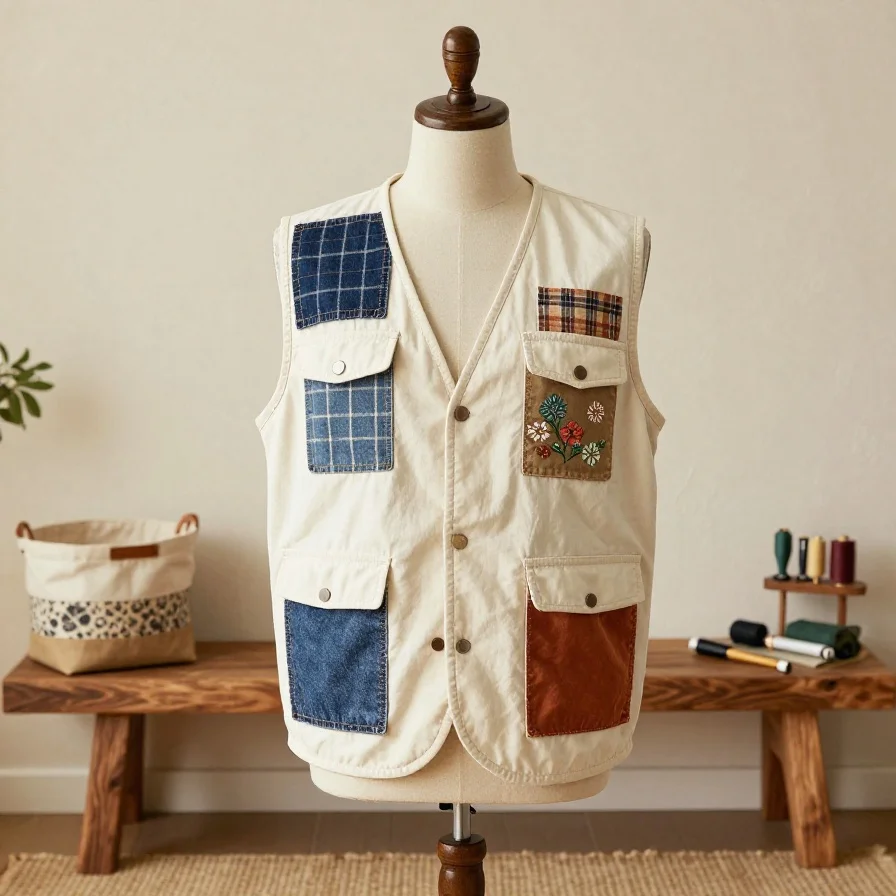
A sleeveless vest provides an excellent canvas for combining several fabrics because its simple shape leaves the decorative surface clearly visible. Try mixing denim, plaid, canvas, and floral cotton in earthy shades such as navy, beige, rust, and muted green. The back panel can carry the strongest pattern, while smaller pieces around the front pockets create balance. I’ve found that vests are especially forgiving projects because the garment’s structured shape makes fabric placement easier to judge. The finished layer adds texture over basic outfits and can make a plain shirt or dress feel much more thoughtfully styled.
Practicality matters when decorating a vest because pockets and closures should remain easy to use. Leave those areas mostly clear or frame them with smaller fabric pieces instead of covering the openings. Mixing sturdy and soft materials creates an interesting tactile contrast, but avoid combining fabrics with dramatically different thicknesses in one seam. A neutral base also gives colorful scraps more breathing room. Wear the completed vest over a white shirt, knit top, or simple dress for an effortless layered look. It is a versatile project that adds personality while remaining useful across casual wardrobes and changing seasons.
Patchwork Cardigan
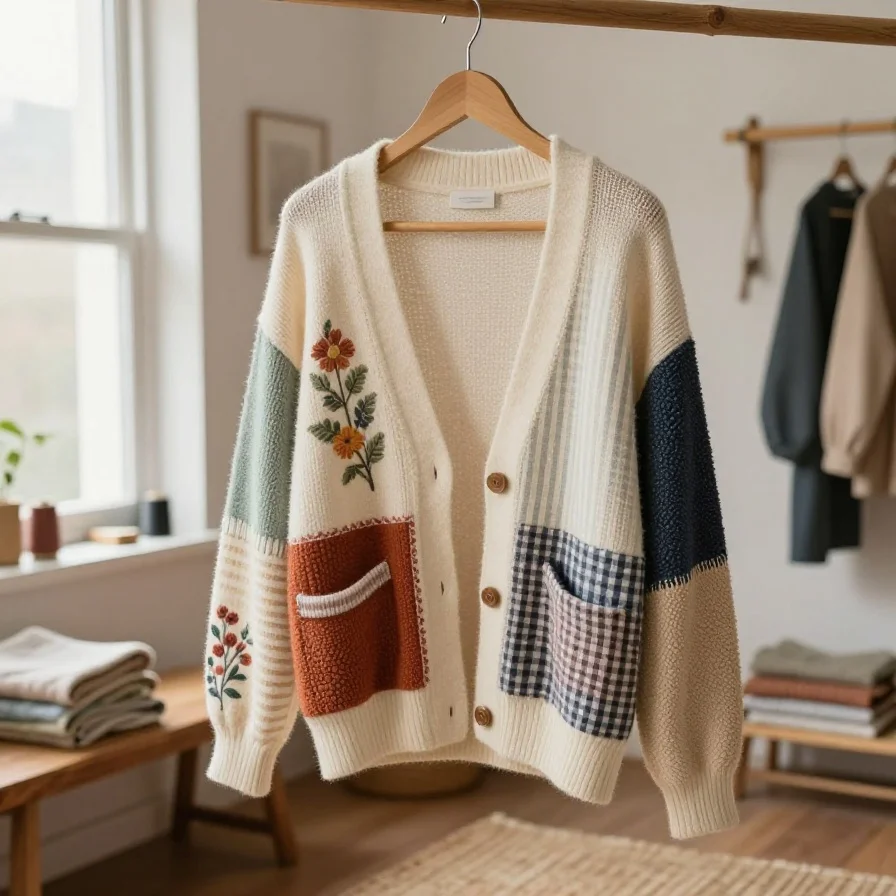
A simple cardigan can become a charming statement layer when small fabric pieces are added across its surface. Soft cotton, lightweight linen, gingham, and floral scraps work beautifully with knitted or woven bases because they introduce pattern without making the garment feel excessively heavy. Focus on smaller areas such as pockets, cuffs, or the lower front for an understated finish. Repeating one shade throughout different prints helps everything feel connected. This approach works especially well when you want a creative wardrobe update that still feels comfortable enough for relaxed mornings, casual outings, and everyday layering.
The cardigan’s naturally soft silhouette makes careful fabric selection particularly important. Avoid thick denim or heavy canvas if they make the garment stiff or difficult to button. Instead, use lightweight scraps and secure their edges neatly so the finished piece remains comfortable against the body. Try placing fabrics symmetrically near the pockets while allowing the back to stay mostly plain. This creates a subtle focal point without overwhelming the garment. Style the finished cardigan with solid trousers or a simple skirt, letting the handmade details provide the color and texture that turn an ordinary layer into something memorable.
Patchwork Jumpsuit
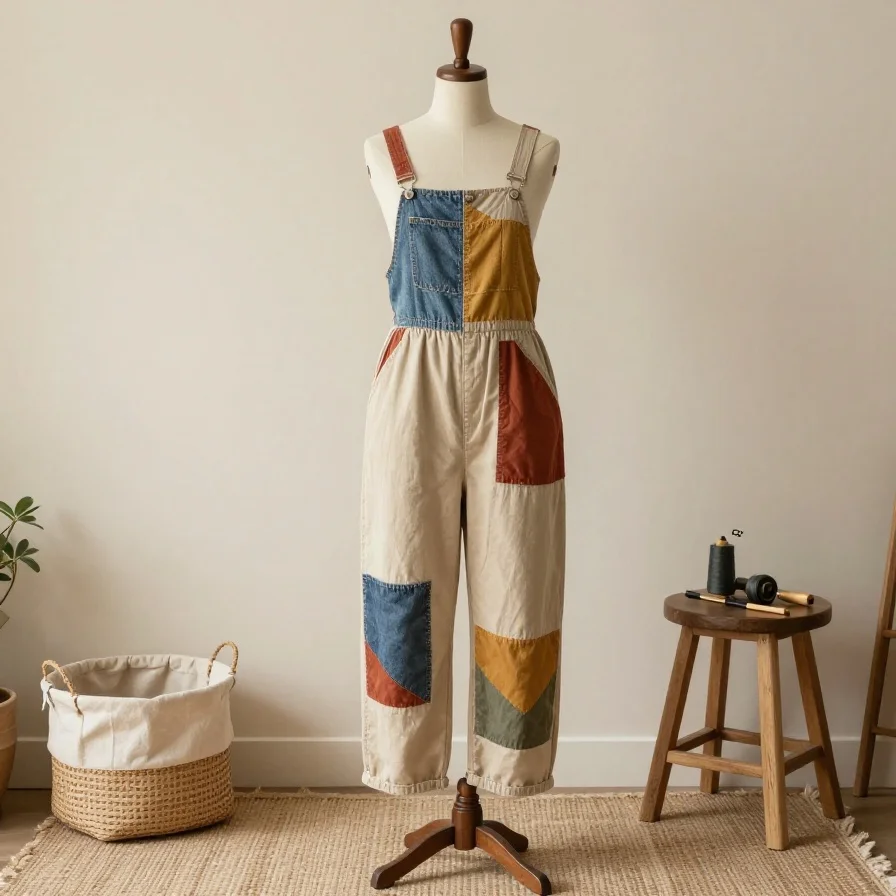
A relaxed jumpsuit becomes a striking one-piece outfit when contrasting fabric panels are thoughtfully placed across its practical silhouette. Start with a neutral base such as beige, cream, charcoal, or olive, then introduce denim, geometric cotton, canvas, or small patterned scraps. Keep the strongest designs on smaller sections so the finished garment remains visually balanced. Larger panels can define the chest or lower legs, while repeated colors connect separate areas. The result combines the usefulness of a comfortable one-piece with the visual interest of handmade textile design, making it especially appealing for creative casual wardrobes.
Because a jumpsuit moves with the entire body, fabric placement should support comfort as well as appearance. Avoid unnecessarily thick patches around areas that bend, sit, or stretch frequently. Reinforce sections near pockets and knees, where everyday movement can create extra stress. Before sewing, try the garment on and mark areas that feel visually empty or overcrowded. This simple adjustment can improve both proportion and practicality. Pair the completed jumpsuit with simple footwear and understated accessories so the fabric details remain prominent. The finished look feels confident, relaxed, and individual without requiring an elaborate styling routine.
Patchwork Bomber Jacket
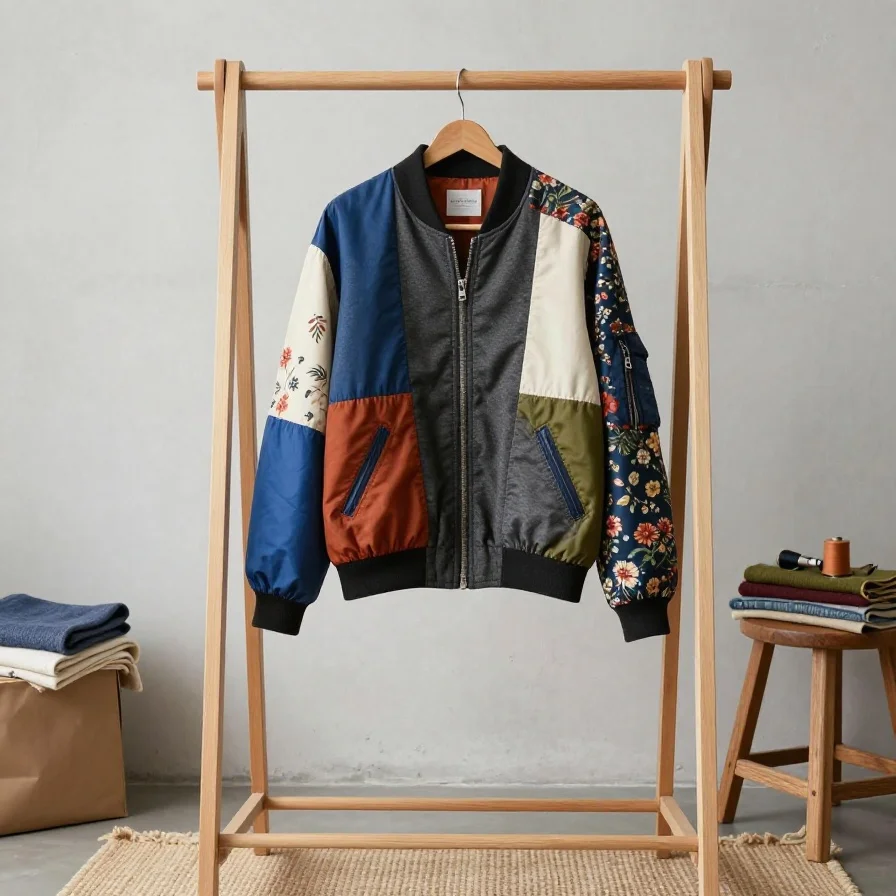
A classic bomber jacket can take on an entirely different personality when its structured surface is mixed with carefully selected fabric panels. Use a charcoal, navy, or olive base and introduce cobalt, cream, rust, or floral accents for contrast. The back is an ideal location for a larger composition, while smaller pieces on the sleeves can echo its colors. I’ve noticed that combining solid scraps with just one or two prints creates a cleaner result than using patterns everywhere. The finished jacket remains versatile but gains enough visual character to become the centerpiece of an otherwise simple outfit.
The bomber’s ribbed collar, cuffs, and waistband already provide strong horizontal lines, so leaving them mostly untouched keeps the silhouette recognizable. Focus decorative elements on flatter sections where stitching is easier and fabric can sit smoothly. Before attaching the pieces, arrange them according to size and color, then step back to check the overall balance. Repeating one accent shade in different locations helps separate panels feel connected. Once finished, wear the jacket with plain denim, trousers, or a simple dress. The contrast between its sporty shape and handcrafted surface creates a fresh, modern interpretation of casual style.
Patchwork Scarf Top
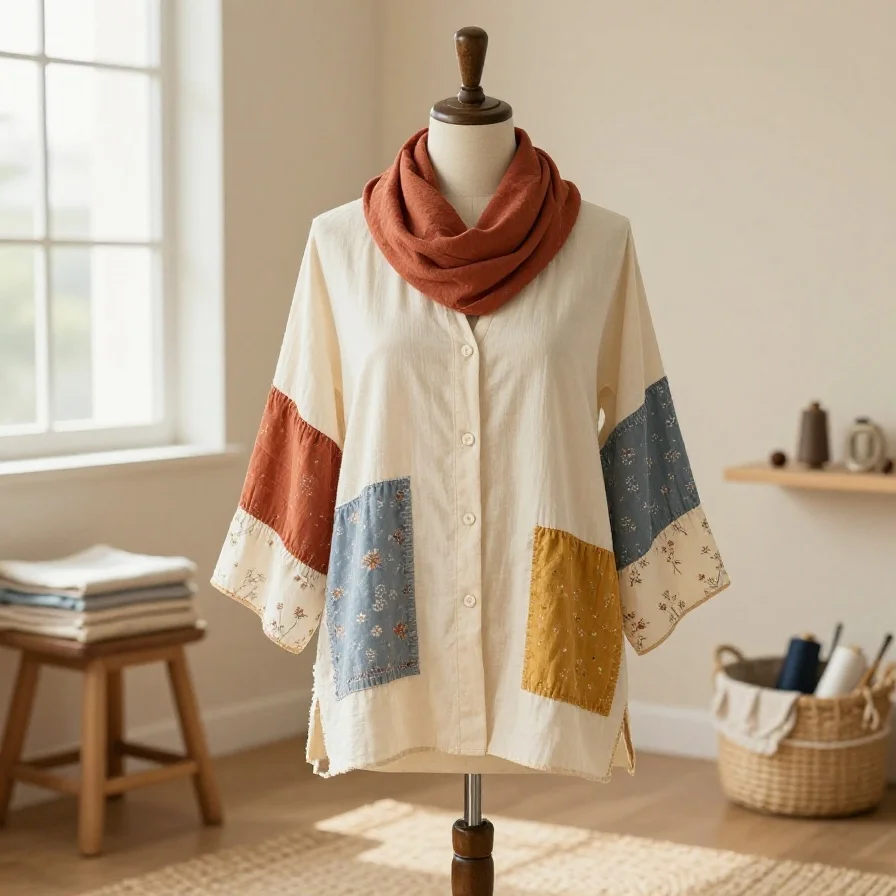
A scarf-style top offers a lighter way to experiment with mixed fabrics while keeping the finished garment soft and fluid. Choose lightweight cotton, rayon, linen blends, or similar materials that move naturally around the body. Combine solid sections with small floral or geometric prints, using a few repeated colors to connect the design. Keep the neckline relatively simple so the fabric arrangement remains the main attraction. This idea works particularly well for warm-weather wardrobes because the loose silhouette feels breathable and relaxed. The finished top can bring personality to an otherwise minimal outfit without requiring heavy layers.
Fabric weight matters even more with a flowing top because bulky pieces can change the drape and make the garment uncomfortable. Before cutting, place your selected fabrics together and check how their colors look under natural light. Smaller pieces can create an intricate effect, while wider panels produce a cleaner modern appearance. Keep seams smooth and comfortable around areas that touch the skin. Pair the completed top with solid trousers, denim, or a simple skirt to create balance. The result is an artistic wardrobe piece that feels lightweight, wearable, and distinctly handmade while making excellent use of fabric remnants.
Conclusion
Creative fashion does not have to start with a brand-new wardrobe. Sometimes, the most exciting transformation begins with an old jacket, a plain shirt, or a handful of leftover fabric. These patchwork clothes ideas offer simple ways to experiment with color, texture, shape, and personal style while giving existing garments a fresh purpose.
Save this article on Pinterest so you can return to your favorite ideas when inspiration strikes. Try one project with fabrics you already have, then build your confidence from there. Share these ideas with someone who loves DIY fashion and upcycling. I’ve seen how thoughtful fabric choices can completely transform an everyday piece, and your next favorite outfit might already be waiting in your closet.
Read More:15 Cute Crochet Bunny Ideas for Beginners and Gifts