17 Plastic Container Upcycle Ideas That Are Useful
Introduction
Finding creative ways to upcycle plastic containers at home is a practical approach to modern living that supports sustainability and waste reduction. Instead of throwing away takeout boxes and tubs, you can turn them into useful items for your living space.
Reusing food containers minimizes environmental footprint by reducing single-use plastic waste. This guide will show you how to transform everyday household items into functional planters, storage bins, and garden additions without spending extra money.
Identifying Safe Plastics for Crafts
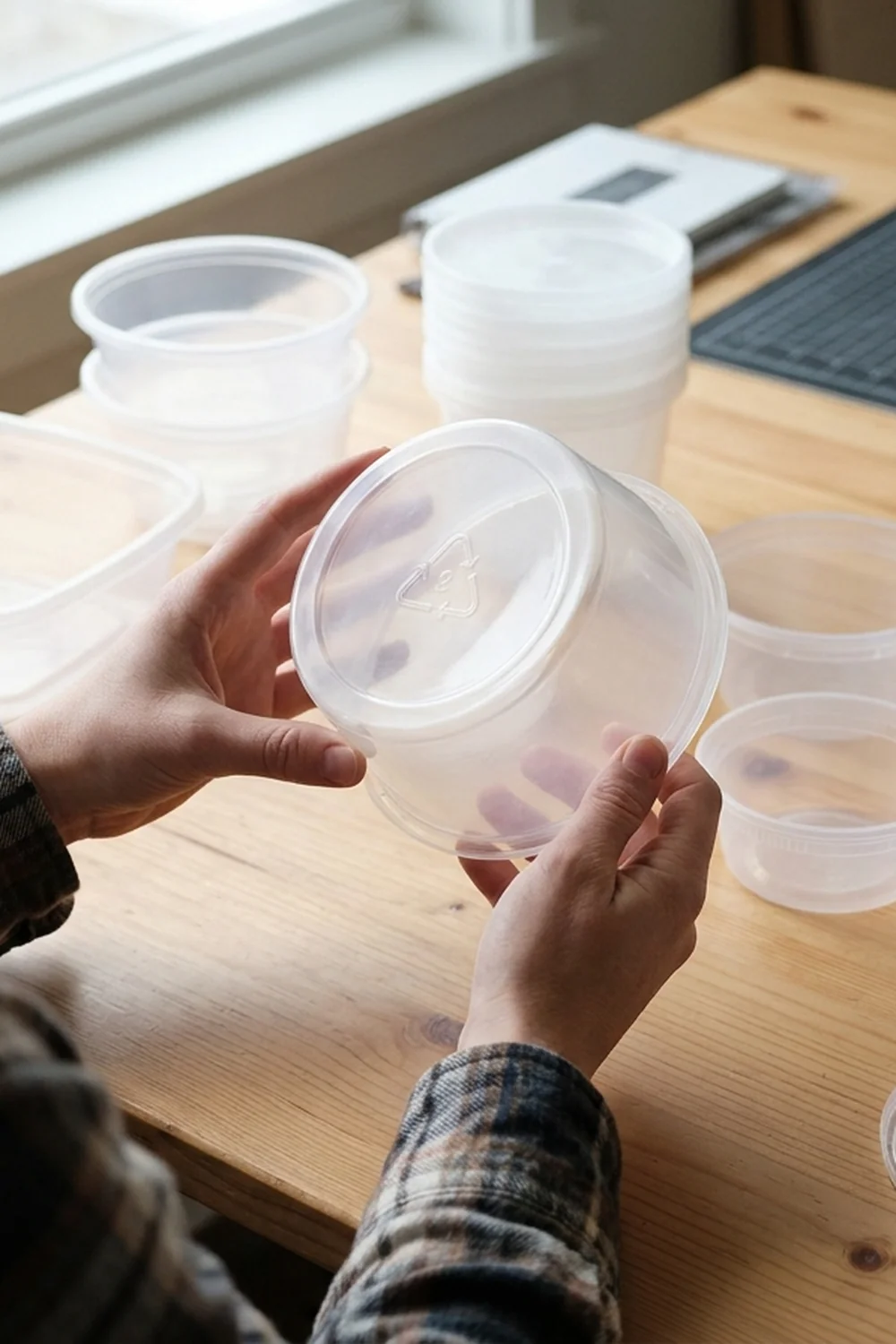
You can identify safe plastics for household projects by checking the bottom of each item for specific recycling symbols and material classifications. Knowing these details ensures your handmade items remain durable and safe for everyday use. Before starting any project, inspecting the plastic recycling symbols helps crafters select appropriate food grade plastic for specific utility tasks. Many household storage bins and kitchen containers consist of high-density polyethylene, which handles repeated handling much better than thin beverage packaging.
Polyethylene terephthalate, commonly known as PET, appears frequently in single-use bottles and clear packaging. This material works well for light-duty household projects, but it degrades under prolonged heat or direct sunlight. Prioritizing BPA-free plastics offers extra peace of mind when building DIY storage solutions that will sit inside living areas or children bedrooms. Selecting the right polymer type prevents unexpected warping and ensures your finished projects last for years.
Adopting sustainable crafting methods involves understanding material safety guidelines. Reusing food containers minimizes environmental footprint by reducing single-use plastic waste, according to research from the University of Michigan. When planning projects that involve upcycling plastic food containers for gardening, choosing containers with clear material identification ensures your repurposed items remain structurally sound throughout changing weather conditions.
Preparing Containers for Crafting
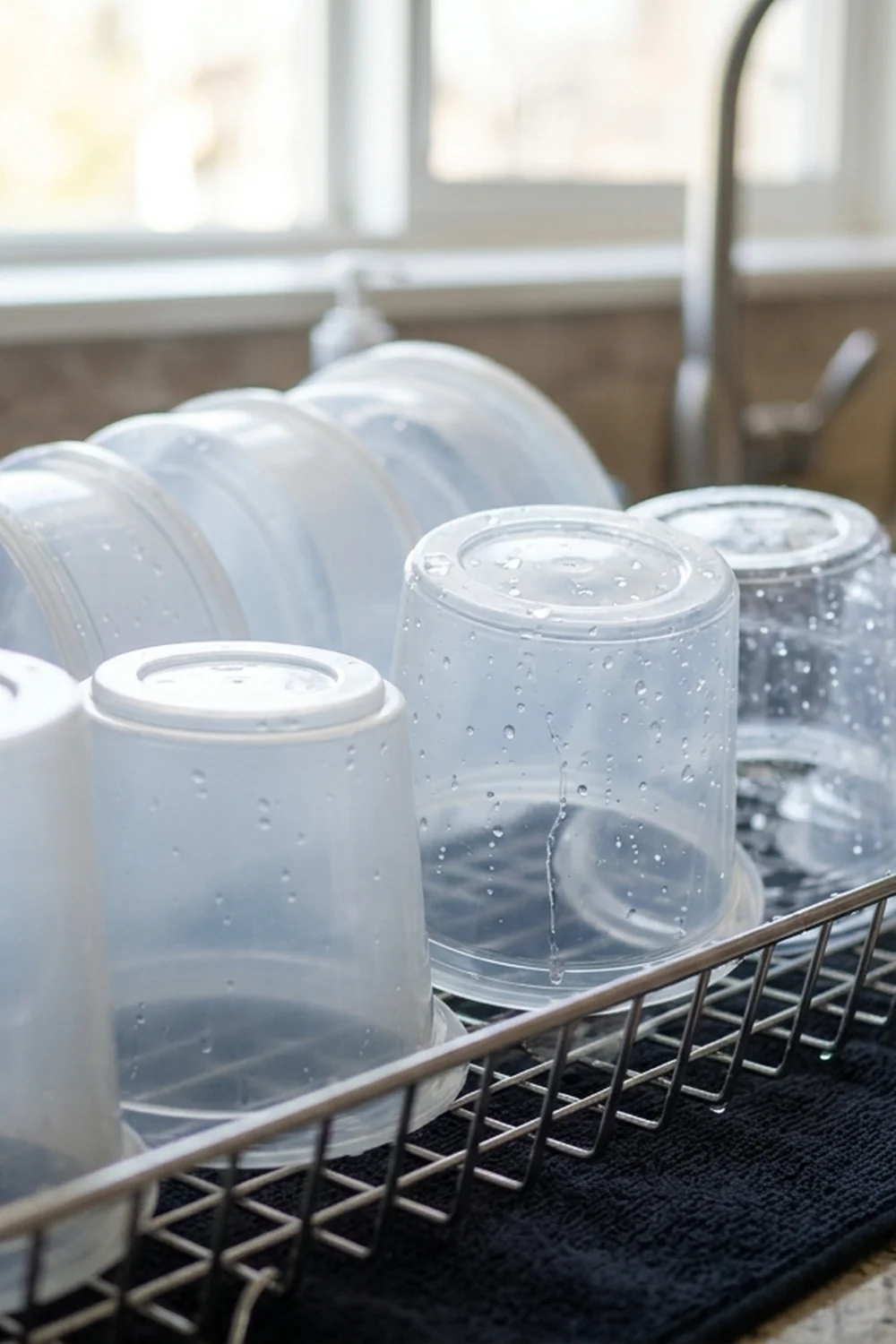
Preparing containers for crafting starts with a thorough cleaning and proper assessment to ensure safety and durability for any household project. Reusing food containers minimizes environmental footprint by reducing single-use plastic waste, according to research from the University of Michigan. Taking time to prep your supplies helps your finished projects last longer and look much cleaner while supporting overall sustainability goals.
Before exploring creative ways to upcycle plastic containers at home, you need to establish a solid foundation through careful preparation. Here are the essential steps to get your materials ready:
- Wash every container thoroughly in warm, soapy water to remove all food residue, grease, and stubborn sticky labels.
- Inspect each item to check plastic recycling symbols and determine the specific material type before starting your project.
- Sanitize the inside surfaces thoroughly if you plan to use the finished items around food or plants.
- Allow the washed pieces to air dry completely so that paints and adhesives bond correctly to the surface.
- Store your sorted bins in a dry location until you are ready to begin assembling your handmade projects.
A common mistake during the preparation phase is skipping the deep cleaning step, which often causes paints to peel or adhesives to fail. Oily residues left from food packaging prevent bonding agents from gripping the surface. Taking extra care during this initial cleaning stage guarantees that your DIY plastic container storage hacks and gardening conversions stand the test of time.
Garden Projects and Seed Starting
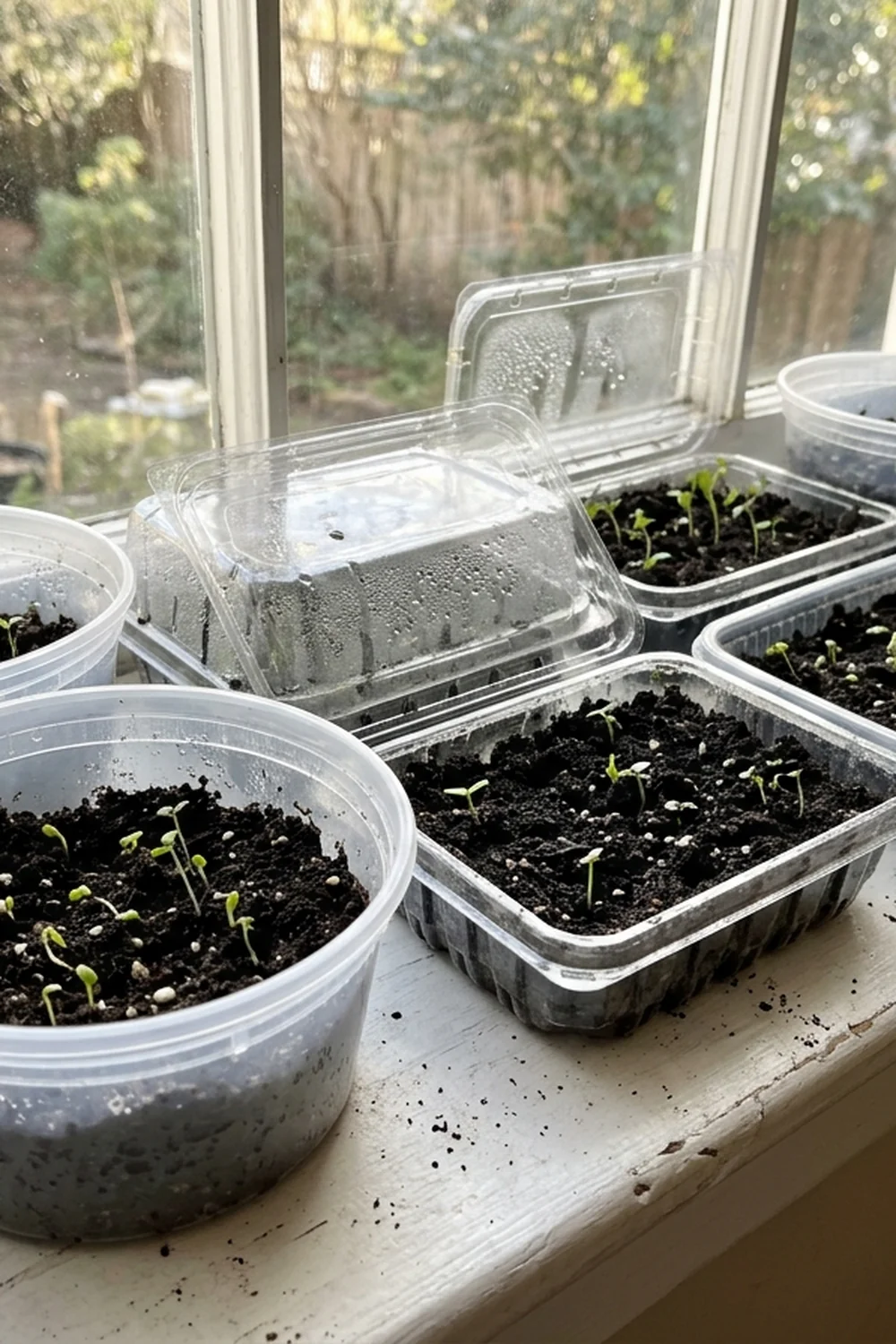
Plastic food containers can be repurposed as seed starters or planters for gardening. This practical approach gives your leftover takeout boxes and produce tubs a brand new job in the dirt. Before planting, wash the containers thoroughly and poke small drainage holes in the bottom to prevent water stagnation, which helps protect fragile roots from rot.
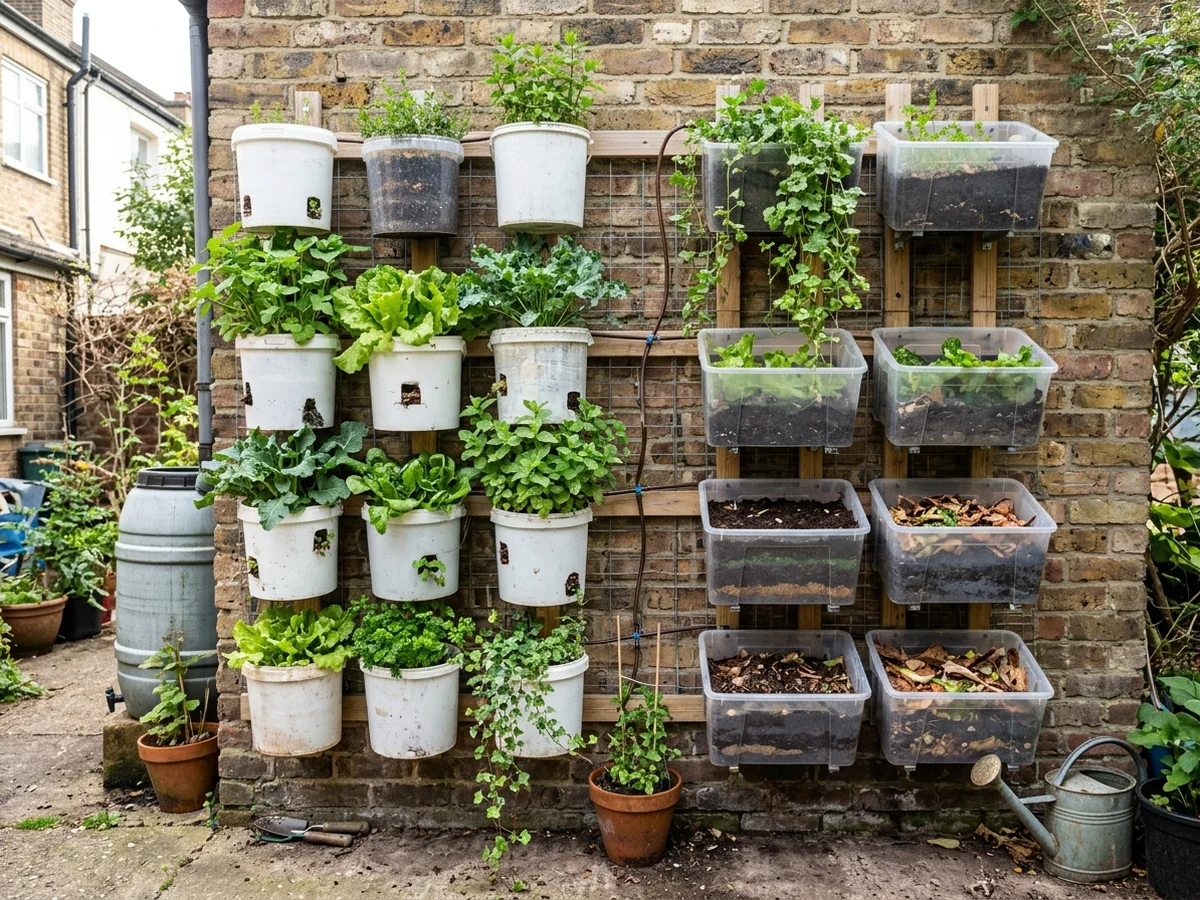
Larger plastic containers can be used for vertical gardening by hanging them on a wall. You can maximize your growing space this way, which works wonders for balconies or small patios where floor space is limited. Mounting sturdy tubs securely on a sunny wall allows you to grow herbs, leafy greens, and trailing flowers vertically.
Beyond traditional planting, bigger food containers can be converted into compost bins by adding ventilation holes. Proper airflow helps break down organic scraps efficiently right in your backyard. To set this up successfully, drill small holes around the sides and lid of a large plastic tub, layer green and brown waste inside, and turn the contents occasionally to aerate the mixture.
Embracing upcycling plastic food containers for gardening also supports broader environmental goals. Reusing food containers minimizes the environmental footprint by reducing single-use plastic waste. Incorporating these simple DIY methods into your routine combines sustainability with hands-on creativity, turning everyday household waste into thriving green spaces.
Advanced Gardening Techniques: Vertical and Composting Systems

Transitioning from simple storage to active gardening is one of the most effective ways to embrace sustainability. By upcycling plastic food containers for gardening, you directly contribute to waste reduction, minimizing your environmental footprint by keeping single-use plastics out of landfills. When selecting materials, prioritize food-grade plastics and always check the plastic recycling symbols on the bottom of containers to understand their composition, such as Polyethylene terephthalate (PET), before repurposing them for soil-based projects.
For those with limited outdoor space, vertical gardening offers a practical solution. Larger plastic containers can be used for vertical gardening by hanging them securely on a wall, a method supported by the University of California Master Gardeners. This technique maximizes square footage on fences or patios, allowing for easy access to herbs and small vegetables. To ensure success, drill small drainage holes in the bottom of each container to prevent root rot, and use heavy-duty wire or zip ties to secure them to your vertical structure.
Beyond traditional planters, plastic food containers can be repurposed as seed starters. Because these containers are lightweight and transparent, they act as miniature greenhouses, helping to retain humidity while seeds germinate. Follow these steps for best results:
- Clean thoroughly: Remove all food residue with warm, soapy water to prevent bacterial growth.
- Add drainage: Use a heated skewer or drill to create holes in the base.
- Labeling: Use a permanent marker to track planting dates and plant varieties directly on the plastic.
Advanced gardeners can also turn larger plastic vessels into functional composting systems. According to Cornell Waste Management Institute, bigger food containers can be converted into compost bins by adding ventilation holes. Proper airflow is essential for the decomposition process, as it allows oxygen to reach the organic materials, which speeds up the breakdown of kitchen scraps. A common mistake is failing to create enough holes, which can lead to odors; aim to space your ventilation holes evenly around the sides and lid of the container to ensure efficient oxygen circulation.
Smart Home and Pantry Organization Hacks
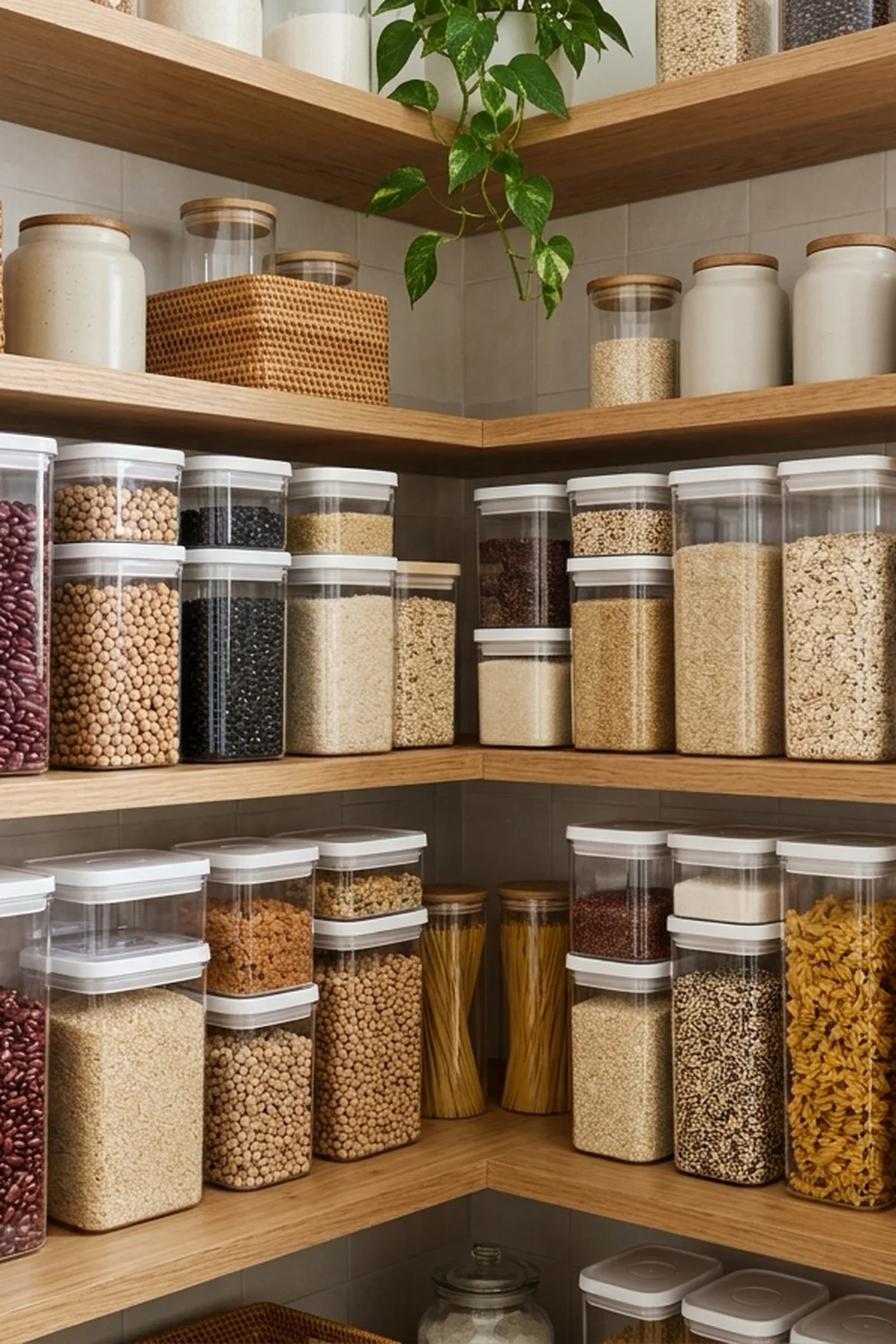
You can transform everyday plastic items into functional storage solutions that declutter your living space while minimizing your environmental footprint. Reusing food containers helps reduce single-use plastic waste, making these projects a practical step toward a more sustainable home.
When working with these materials, it is important to ensure you are using food grade plastic if you intend to store items that may come into contact with your skin or household surfaces. These DIY plastic container storage hacks allow you to customize your organization to fit specific drawer or shelf dimensions.
- It is common guidance to use empty food containers to organize small office supplies like paper clips, push pins, and rubber bands.
- You can easily stack rectangular containers in a pantry to categorize dry goods like lentils, rice, or pasta.
- Larger tubs make excellent bins for corralling loose charging cables or small electronic accessories inside a media cabinet.
- Labels applied to the exterior of these containers help maintain a tidy system, ensuring every item has a designated place.
- Clear containers are particularly useful for pantry organization because they allow you to see exactly when you are running low on specific supplies.
- Small, shallow containers are perfect for grouping loose items inside junk drawers, preventing clutter from spreading throughout the entire space.
Focusing on modular shapes makes it easier to create a cohesive look across your shelves. By grouping similar items together, you spend less time searching for what you need and more time enjoying a clean, organized home environment. Always wash and thoroughly dry containers before repurposing them to ensure your storage remains hygienic for long-term use.
Testing Upcycled Container Durability
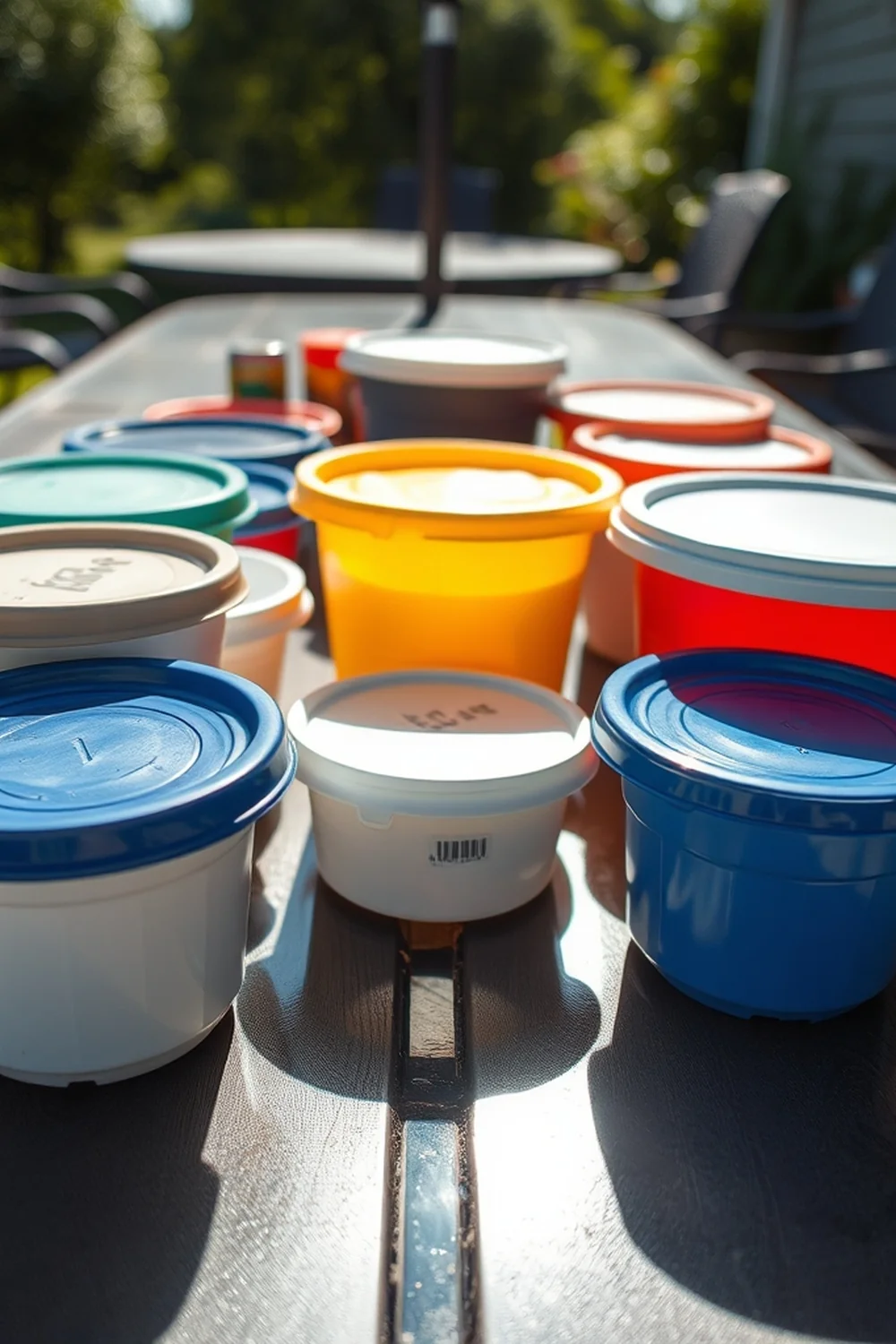
The durability of your repurposed plastic depends heavily on the original material and the intended environment for the item. While PET plastics and thicker food-grade tubs offer structural integrity for indoor use, exposure to direct sunlight and extreme temperatures can degrade thinner materials over time.
| Application | Material Suitability | Environmental Impact |
|---|---|---|
| Seed Starters | High (Flexible) | Reduces single-use waste |
| Vertical Gardening | High (Rigid) | Reduces single-use waste |
| Compost Bins | High (Thick) | Reduces single-use waste |
| Office Organization | Moderate (Thin) | Reduces single-use waste |
Plastic food containers can be repurposed as seed starters or planters for gardening. If you plan to move outdoors, larger plastic containers can be used for vertical gardening by hanging them on a wall, provided the plastic is sturdy enough to support the weight of wet soil. Always consider the safe reuse of plastic containers by ensuring they are clean and free of residue before starting your project.
When you transform bigger food containers into compost bins by adding ventilation holes, choose a container with thicker walls to prevent cracking under the pressure of organic material. For lighter tasks like office organization, common guidance suggests using smaller containers to hold items such as paper clips, push pins, or rubber bands, where long-term durability is less critical than for heavy-duty storage. Reusing food containers minimizes your environmental footprint by reducing single-use plastic waste.
Creative Gifting and Decorative Upcycling
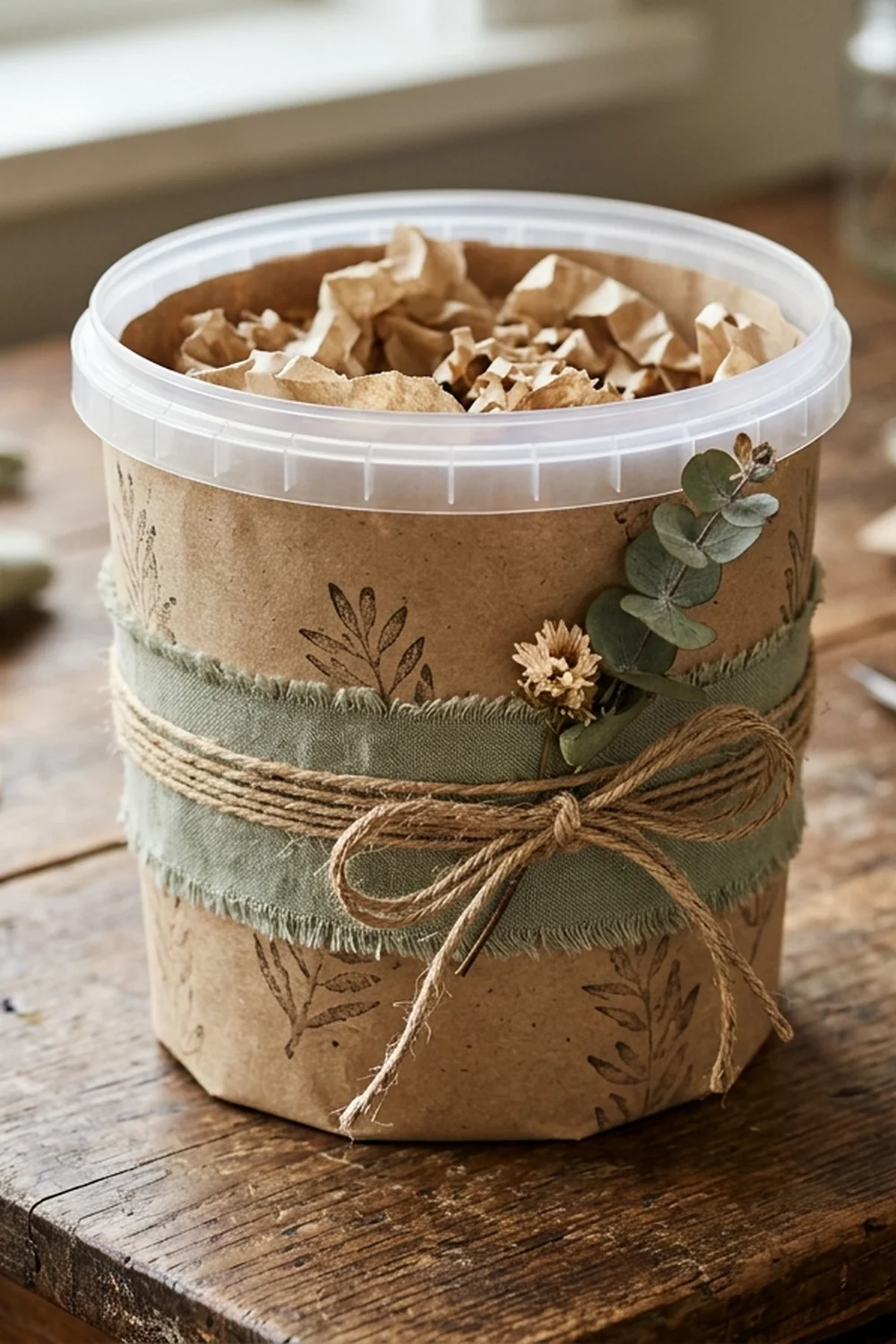
You can transform plain household tubs into personalized gift packaging or charming home decor items by applying simple craft techniques. Through the process of Upcycling, these items shift from being discarded waste into thoughtful, handmade vessels for presents or display pieces.
For a personalized touch, clean and paint the exterior of sturdy containers to create custom gift boxes. Adding ribbons, fabric scraps, or decoupage paper turns a standard food tub into a decorative holder for homemade treats or small trinkets. This approach adds a thoughtful layer to your gift-giving while ensuring the packaging itself serves a secondary purpose for the recipient.
To elevate your interior aesthetics, consider using larger plastic vessels as planters or base structures for decorative displays. You can wrap these in twine or decorate them with mosaic tiles to create unique tabletop accents. Since research from the University of Michigan confirms that reusing food containers minimizes your environmental footprint by reducing single-use plastic waste, decorating these items encourages a sustainable lifestyle while keeping your home stylish.
If you prefer functional decor, common guidance suggests using clean, transparent containers to organize small items like buttons, sewing supplies, or decorative beads. Keeping these items in see-through tubs allows you to display colorful materials as part of your room’s aesthetic. You might also choose to label them with decorative tags to maintain a neat, curated look on open shelving or craft desks.
- Use fabric scraps to cover the exterior for a soft, textured appearance.
- Apply acrylic paint or spray paint to match your specific home color palette.
- Attach decorative handles or knobs to lids for easier access and a high-end look.
- Fill clear tubs with seasonal decorations like fairy lights or pinecones for instant festive decor.
Creative Ways to Upcycle Plastic Containers at Home
Finding creative ways to upcycle plastic containers at home serves as a practical method for waste reduction. Reusing food containers minimizes environmental footprint by significantly reducing single-use plastic waste that would otherwise end up in landfills.
Gardening with Plastic Containers
Plastic food containers can be repurposed as seed starters or planters for gardening. Simply ensure the bottom has drainage holes to keep your plants healthy as they grow.
Vertical Gardening Solutions
Larger plastic containers can be used for vertical gardening by hanging them on a wall. This technique allows you to grow herbs or small flowers in limited spaces by stacking or mounting units securely.
Converting Containers into Compost Bins
Bigger food containers can be converted into compost bins by adding ventilation holes. Proper airflow is essential for the decomposition process, so drill small gaps around the sides and lid to maintain oxygen levels.
DIY Office Organization
Empty food containers are commonly used to organize small office supplies like paper clips, push pins, and rubber bands. You can label these containers or paint the exterior to create a cohesive look on your desk.
Frequently Asked Questions
What are the primary benefits of reusing food containers?
Reusing these items helps divert waste from the environment while providing cost-effective storage solutions. It extends the utility of materials like polyethylene terephthalate before they enter the recycling stream.
Are all plastic containers safe for upcycling?
It is important to check the plastic recycling symbols on the bottom of your containers to identify the material type. Generally, food grade plastic is the safest choice for DIY projects involving indoor storage or gardening.
How do you clean containers for reuse?
Wash your containers thoroughly with warm, soapy water to remove any food residue or oils. For stubborn odors, a mixture of baking soda and water often helps freshen the plastic before you begin your craft.
Can I use these containers for long-term storage?
These containers are excellent for organizing small household items in climate-controlled areas like closets or cabinets. Avoid using them for heavy items or in extreme temperature fluctuations to maintain the structural integrity of the plastic.
Conclusion
Choosing to repurpose household items supports sustainability by significantly reducing single-use plastic waste. Whether you are using plastic food containers as seed starters for gardening, converting larger tubs into ventilated compost bins, or organizing small office supplies, there are numerous practical methods to transform these materials into functional items for your living space. Before starting your next project, verify that the plastic type is appropriate for your intended use and clean the containers thoroughly. Embracing these simple habits helps minimize your environmental footprint while providing useful, budget-friendly solutions for home organization and beyond.
You might also like: 18 Glass Bottle Upcycle Ideas for Home Decor