18 Glass Bottle Upcycle Ideas for Home Decor
Introduction
You can discover numerous creative ways to upcycle glass bottles at home by transforming common household waste into functional decor or art. These projects provide practical methods to repurpose empty containers while reducing your reliance on local recycling programs, which have been discontinued in some areas due to economic factors.
This article explores a variety of DIY glass bottle decoration ideas ranging from simple painting techniques to more advanced structural projects. You will learn how to safely prep your materials, select the right adhesives for long-lasting results, and turn everything from small jars to large beverage bottles into custom pieces. Whether you want to create ambient lighting, unique storage solutions, or seasonal accents, this guide covers the essential steps to help you master these techniques. By keeping glass in your home rather than sending it to be processed back into raw material, you contribute to a more sustainable lifestyle through thoughtful crafting.
Turning Empty Bottles into Sustainable Decor
Turning everyday glass containers into bespoke home accents is a practical way to embrace a more sustainable lifestyle. Instead of viewing these items as single use waste, you can transform them into functional art pieces that add character to your space.
Many communities are currently moving away from traditional glass collection programs due to shifting economic factors. While glass can be processed and turned back into raw material for new products, this infrastructure is not universally available. Opting to reuse your bottles at home helps divert them from the waste stream while giving them a second life as unique decor.
Integrating these materials into your interior design is a rewarding process that combines utility with personal style. By choosing to repurpose rather than discard, you contribute to a circular home environment. This shift in perspective makes it easy to see the potential in common household items:
- Clear jars can become custom storage solutions for craft supplies or pantry staples.
- Coloured bottles make excellent statement vases for dried florals or branches.
- Sturdy containers can be adapted into lighting fixtures or decorative lanterns.
Finding artistic applications for glass allows you to curate a home that feels both intentional and eco conscious. With just a few simple adjustments, your collection of empties can evolve into a series of personalized accents that showcase your aesthetic. Whether you are adding a pop of color or creating a structural display, these projects prove that mindful repurposing is a cornerstone of modern, sustainable living.
Preparing Bottles for Crafting
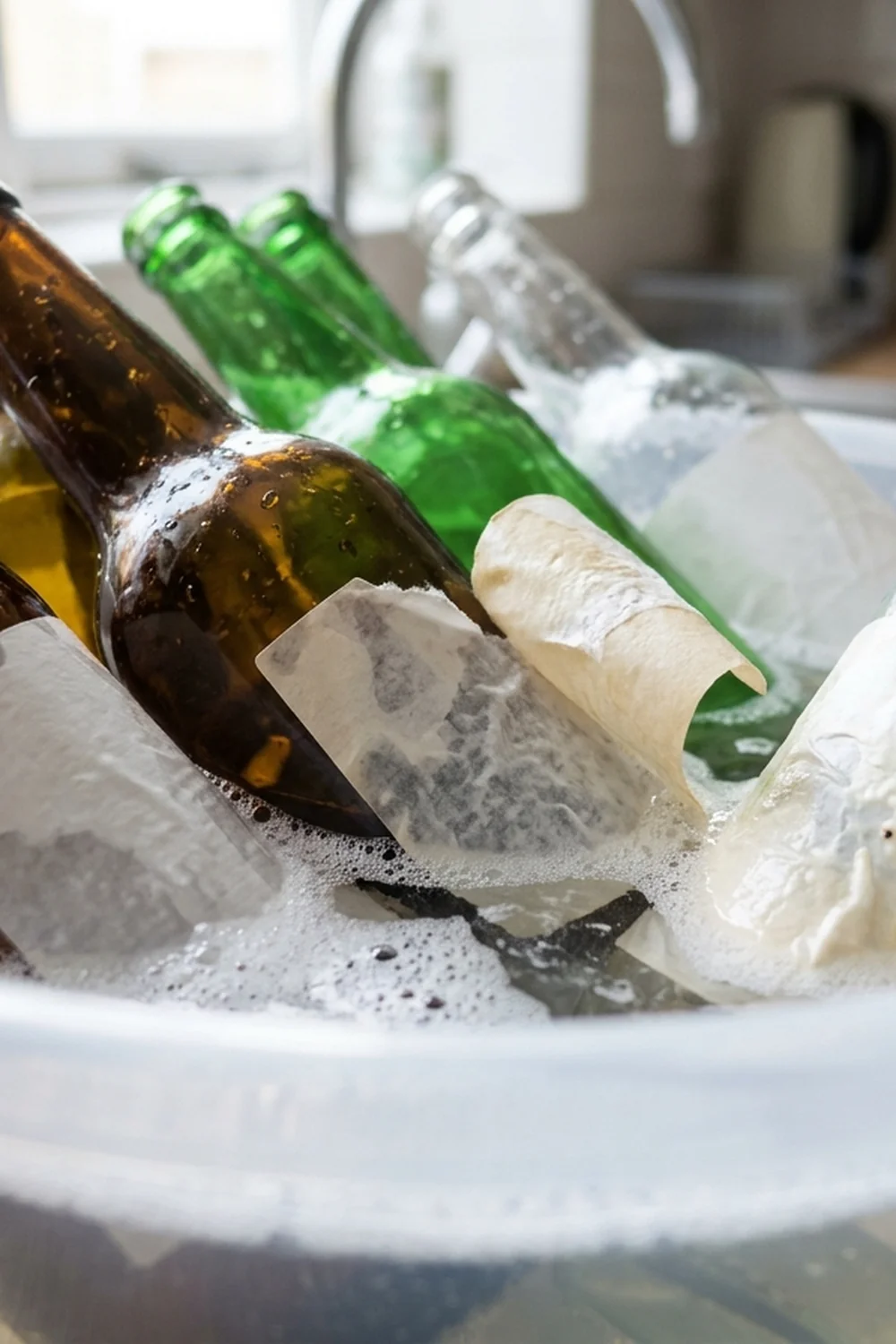
Properly prepping your glassware ensures a clean surface for paint or adhesives and makes your finished projects look professional. Follow these essential steps to remove labels, sanitize the interior, and prevent water spots before you start your design.
- Soak bottles in hot, soapy water for several hours to soften standard paper labels, then use a plastic scraper to remove the residue.
- Apply a small amount of vegetable oil or a commercial adhesive remover to stubborn sticky spots, letting it sit for ten minutes before wiping clean.
- Use a hairdryer on a low heat setting to gently warm and peel away plastic-coated labels without damaging the glass surface.
- Scrub the inside thoroughly with a long-handled bottle brush and a mixture of hot water and mild dish soap to ensure the container is truly clean.
- Sanitize your glass by running it through a high temperature cycle in the dishwasher, which is especially important if you plan to use the vessel for food storage.
- Eliminate interior water spots by rinsing the glass with a small amount of distilled white vinegar or high proof rubbing alcohol after the initial wash.
- Invert the bottles on a wire cooling rack or a clean drying mat to allow maximum airflow, ensuring the interior dries completely before you begin your transformation.
Taking the time to remove every trace of glue and mineral buildup prevents unwanted textures in your paint finish. Once the glass is pristine and moisture-free, you have the perfect blank canvas to begin your next project.
Painting and Surface Treatments
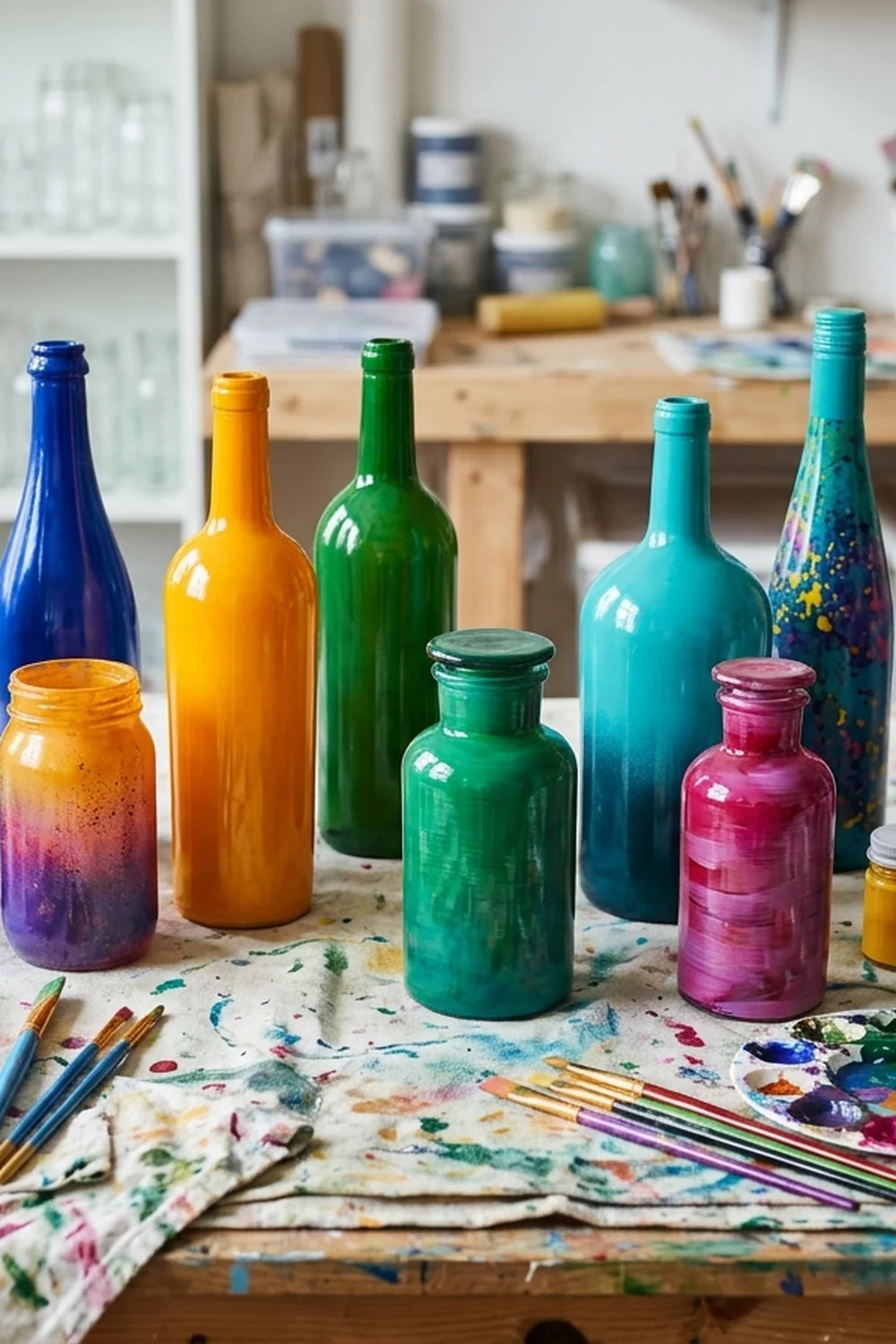
You can transform plain glass containers into polished home accents by using acrylic enamel paint, which adheres better to slick surfaces than standard craft paints. To achieve a professional finish when learning how to paint glass bottles for home decor, start by cleaning the glass thoroughly with rubbing alcohol to remove any oils or residue. Apply the paint in thin, light layers rather than one heavy coat to prevent drips and pooling. Letting each layer dry completely before adding the next helps maintain a smooth, streak-free appearance.
Glass etching cream provides a more permanent, sophisticated look by creating a frosted finish that mimics sandblasted glass. This chemical treatment works by lightly corroding the surface, so it is essential to wear gloves and follow the manufacturer’s safety instructions carefully. You can apply the cream directly to the glass surface or use stencils to create intricate patterns and monograms. Once the required time passes, rinse the bottle under running water to stop the etching process and reveal the matte design.
Achieving even coverage on glass requires patience and the right tools. If you struggle with brush strokes, consider these tips to ensure a flawless look:
- Use a high-quality foam brush or a dense sponge applicator for smoother paint distribution.
- Work in a dust-free environment to prevent debris from settling into wet paint.
- If the paint looks uneven after the first coat, light sanding with fine-grit sandpaper can smooth out bumps before you apply a final layer.
- Consider baking the bottle according to the paint label instructions, as heat curing can harden the finish and improve long-term durability.
Glass Bottle Lantern Projects
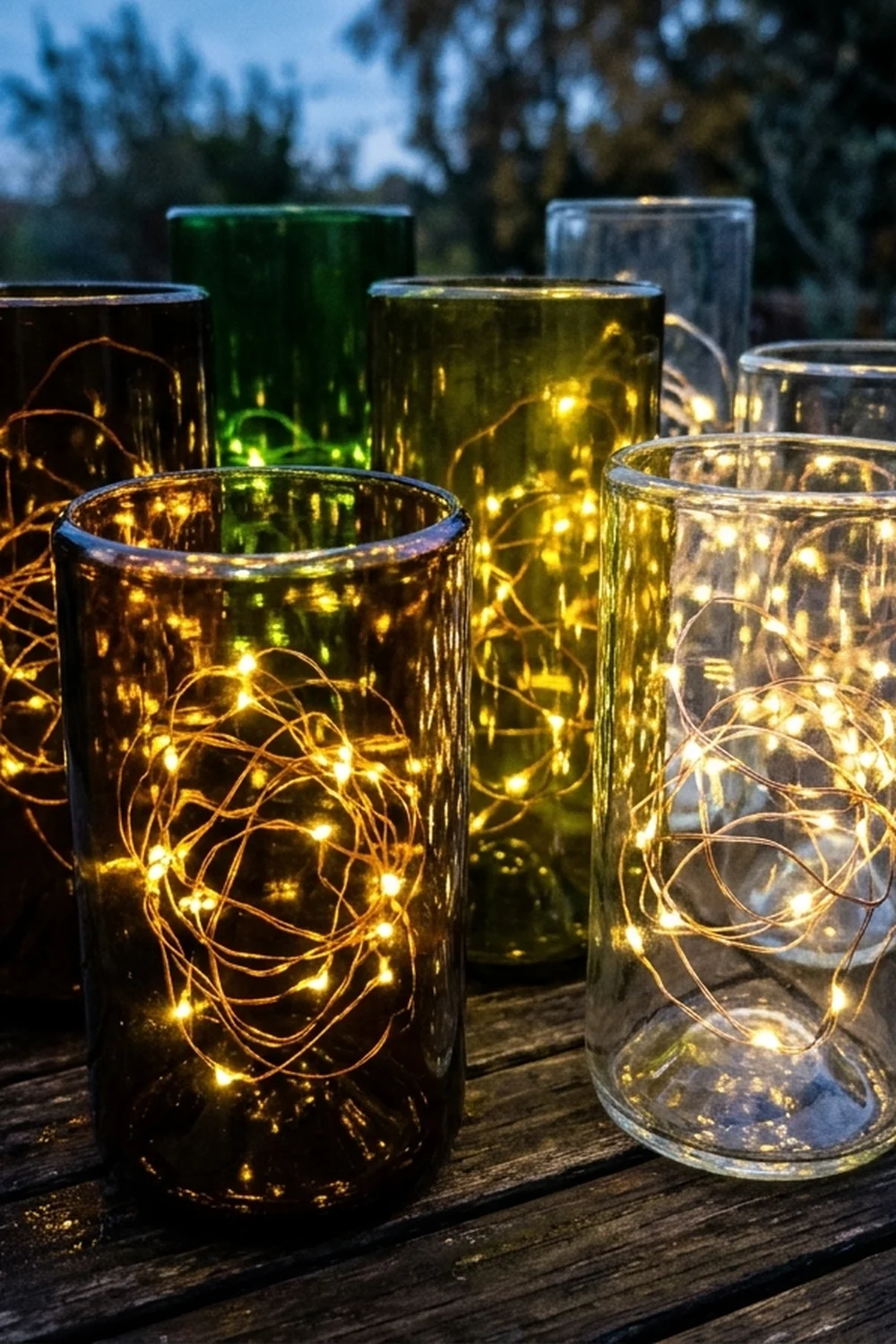
Creating custom lanterns requires safe glass cutting techniques for crafts to ensure clean edges and accident-free results. Before starting, you must wear safety goggles and protective gloves, as these are an absolute necessity when working with glass to prevent injury from shards or flying debris.
The process relies on precision and controlled temperature changes to separate the glass cleanly. Follow these steps to prepare your materials for decorative light fixtures:
- Use a handheld glass cutter to score a single, continuous line around the circumference of the bottle where you want the break to occur.
- Apply thermal shock by carefully pouring boiling water over the scored line for several seconds before immediately rotating the bottle into an ice water bath.
- Repeat the hot and cold water cycle until the glass separates cleanly along the score line.
- Smooth any sharp or uneven edges using medium-grit sandpaper or a diamond-dusted glass file to ensure the finished piece is safe to handle.
- Clean the interior thoroughly to remove any glass dust or debris before inserting your light source.
- Secure LED fairy lights inside the lantern using a small amount of silicone adhesive if you want to fix them in a specific position.
Once your lantern base is prepared, you can enhance the aesthetic by wrapping the neck with jute twine or applying glass etching cream for a frosted effect. Always work in a well-ventilated area and keep a brush nearby to sweep away stray glass particles immediately. Never attempt to force a break if the bottle does not separate after a few rounds of thermal shock, as this can cause dangerous cracking.
Functional Home Decor Ideas
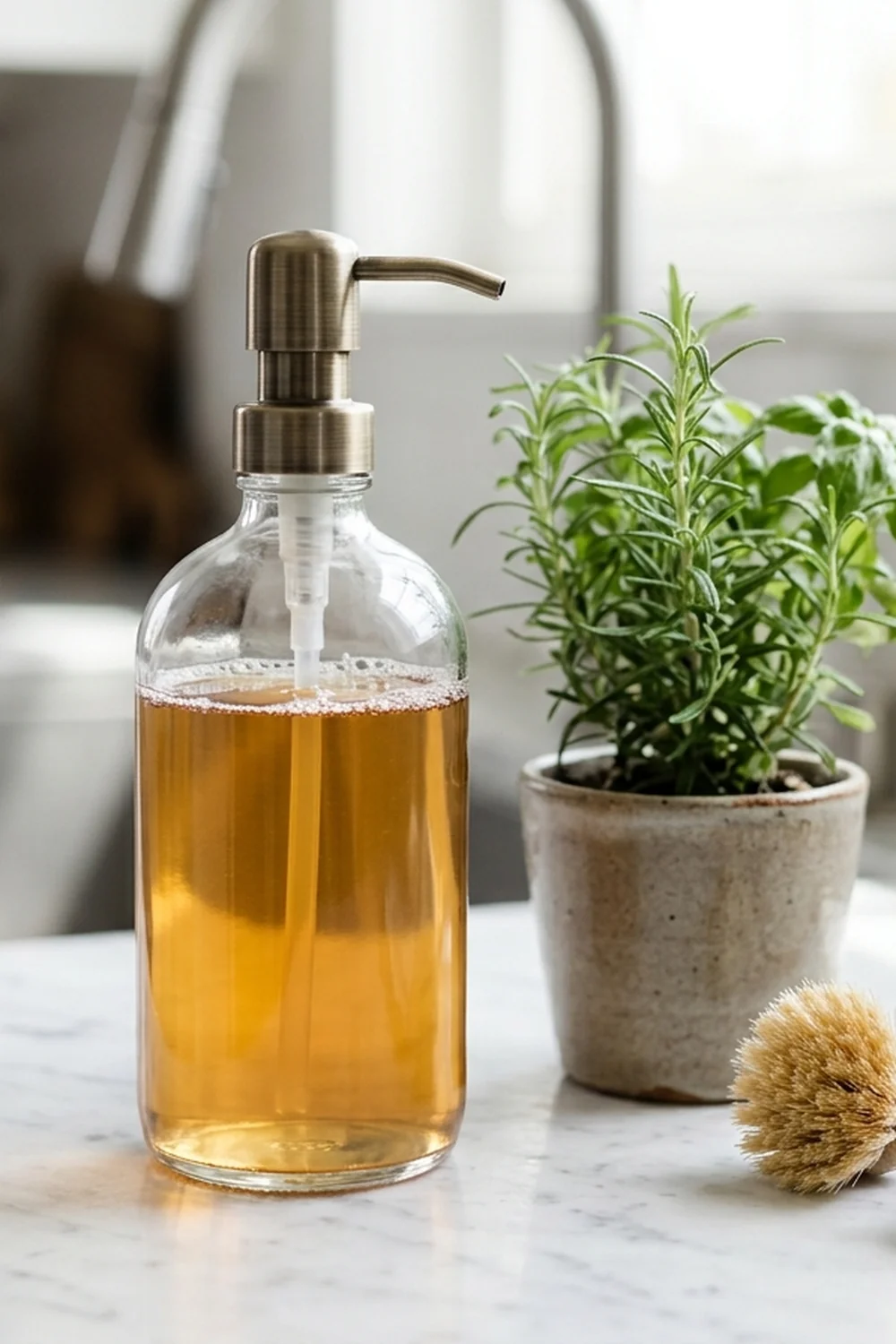
You can turn empty containers into practical additions for your kitchen and living space by adding simple hardware or lighting elements. These easy ways to repurpose glass bottles help you minimize waste while organizing your home more efficiently.
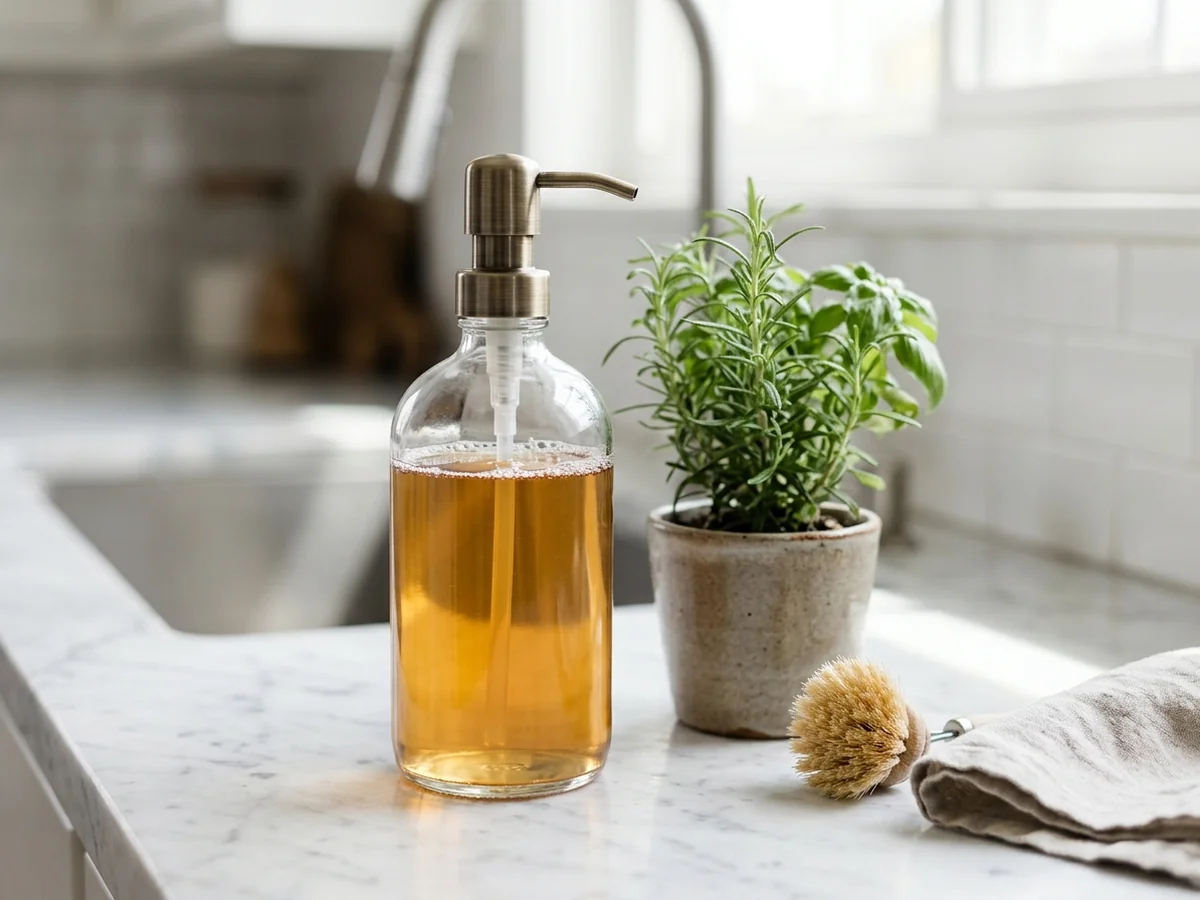
- Attach a standard soap pump to the top of a clean glass bottle to create a custom dispenser for hand soap or dish detergent.
- Convert small glass jars into a magnetic spice rack by securing metal lids to the underside of a cabinet or onto a magnetic board.
- Modify a wide-mouth glass jar into a tissue holder by cutting a slit in the lid for easy access to your tissues.
- Style long-necked bottles as elegant vases by filling them with fresh flowers or dried greenery to brighten up any room.
- Create cozy luminaries by placing LED fairy lights inside clear or tinted glass bottles to provide soft ambient lighting.
- Use heat-resistant glass containers as storage for dry goods, which helps keep your pantry organized and visible.
Since some local areas have discontinued glass recycling programs due to economic factors, finding ways to give these items a second life at home is a helpful practice. While glass can often be processed back into raw material like sand for new products, keeping bottles out of the waste stream through functional DIY projects is a great way to support sustainable living.
Decorative Bottle Vases
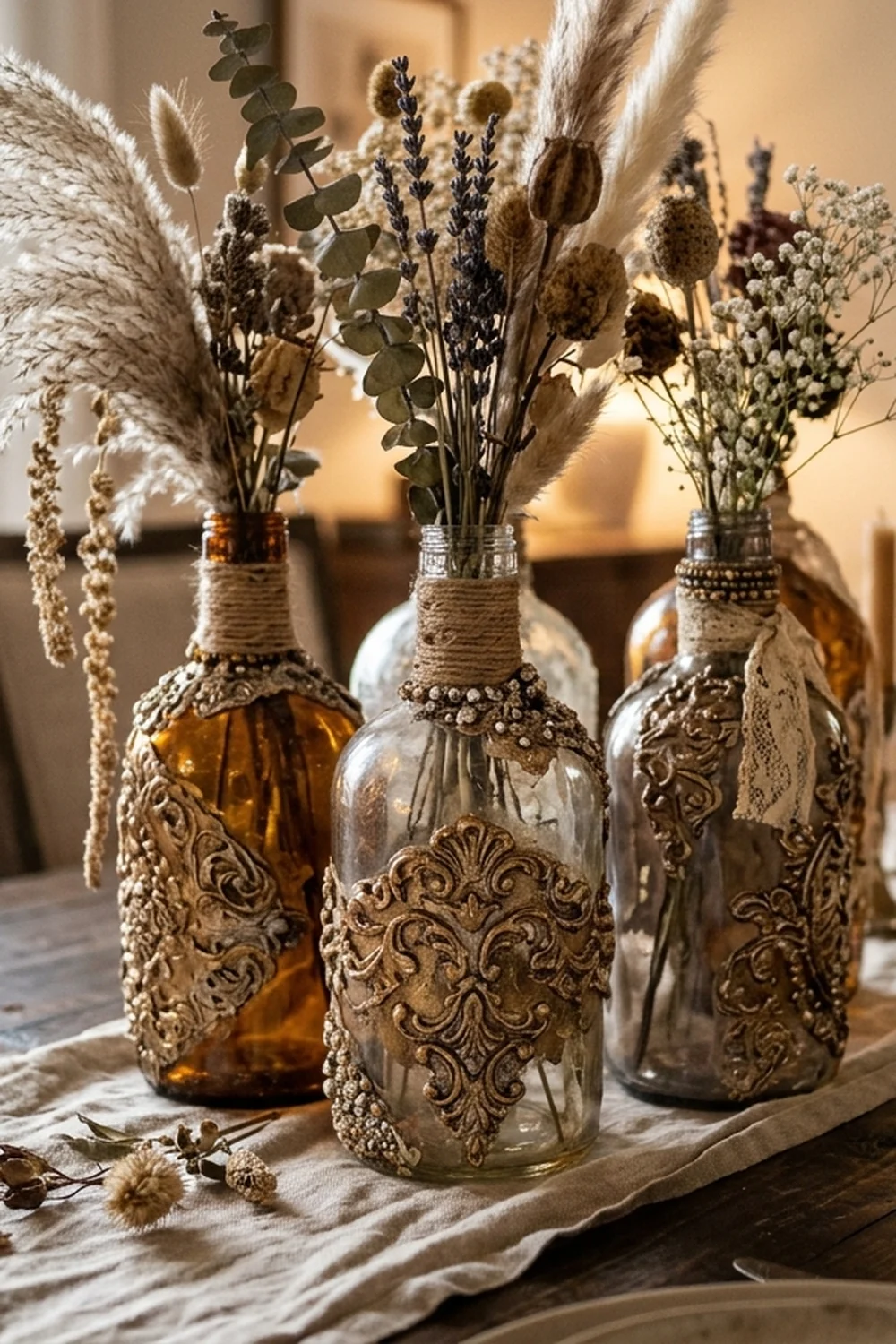
You can transform simple containers into beautiful centerpieces by using structural adhesives and tactile embellishments to add personality. Choosing the right bonding agent depends on the weight and type of your decorative additions.
| Feature | Silicone Adhesive | Epoxy Resin |
|---|---|---|
| Flexibility | High | Low |
| Setting Time | Slow | Fast |
| Best Use | Lightweight decor | Structural bonds |
For structural projects, epoxy resin creates a rigid, permanent bond that is ideal for heavy items, whereas silicone adhesive remains flexible and works well for lighter materials prone to thermal expansion. If you are attaching jute twine, lace, or ribbon to create texture, a clear-drying silicone adhesive is often easier to manage because it allows for minor adjustments while you wrap the material around the curve of the glass.
Before applying any permanent decorations, prepare the surface to ensure longevity. Glass is non-porous, so standard craft adhesives often fail unless you use a primer designed for slick surfaces or a glass-specific sealer. A light sanding with fine-grit sandpaper can also help create a mechanical tooth for your glue or paint to grip, ensuring your handiwork stays intact over time. Always clean the glass with rubbing alcohol to remove oils before starting your project.
DIY Bottle Table Lamps
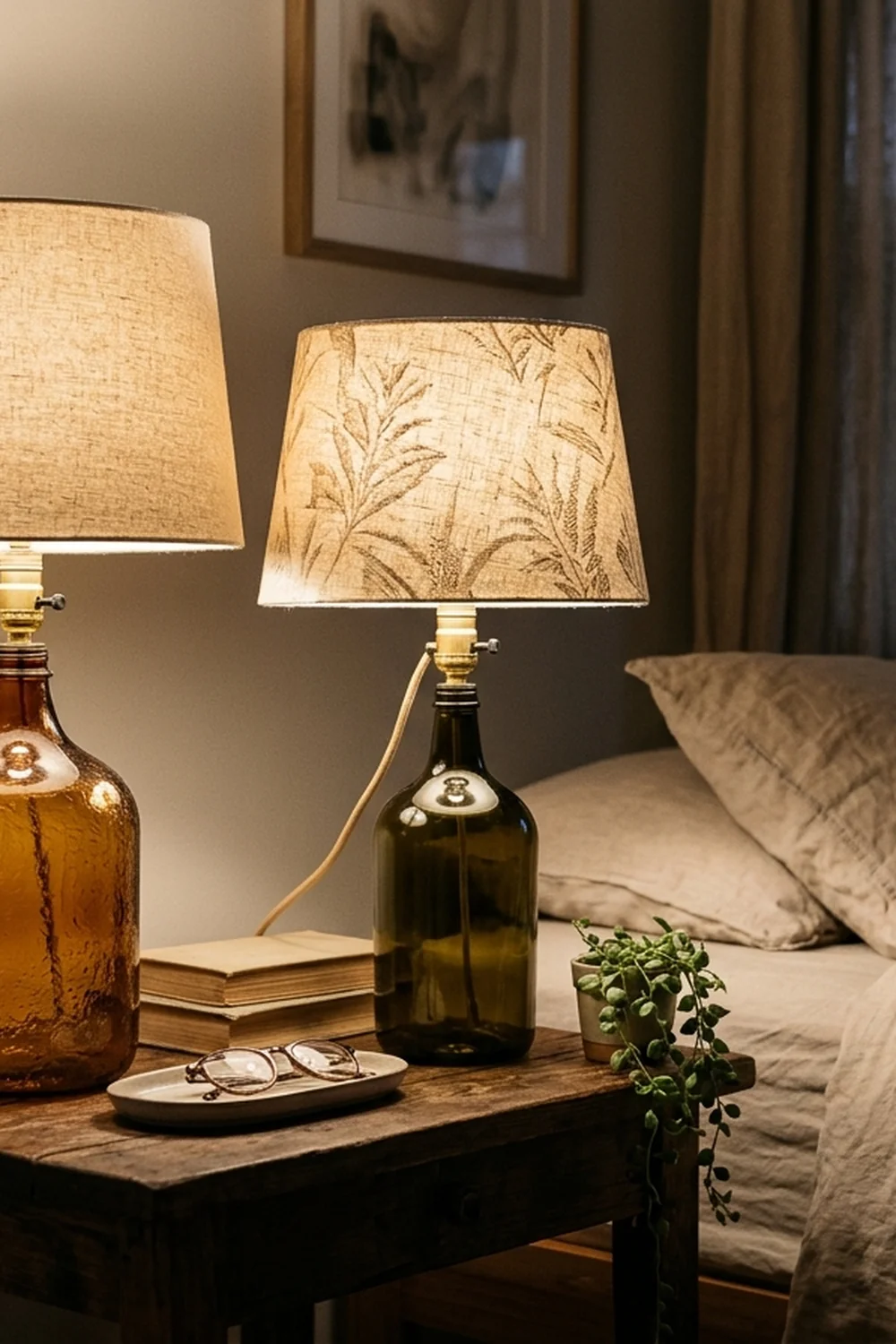
You can turn empty vessels into unique lighting fixtures by pairing them with standard lamp kits and custom shades. These projects provide a functional way to brighten your space while repurposing materials that might otherwise be discarded.
To ensure your light fixture is durable and safe, follow these essential preparation and construction guidelines:
- Always degrease the glass surface thoroughly with rubbing alcohol before applying any paint or adhesive to ensure a long-lasting bond.
- Select a bottle with sufficient glass thickness to support the weight of the lamp hardware and shade without risking cracks or breakage.
- Avoid using toxic glues or adhesives on any section of the container that might come into contact with food or beverages if you choose to repurpose it later.
- Use a specialized glass drill bit to create a clean opening for the lamp cord, maintaining a slow and steady pace to prevent the material from shattering.
- Test the stability of your base on a flat surface to ensure the finished lamp does not tip over when a shade is attached.
While some regions have discontinued glass recycling programs due to economic factors, keeping these items in use through lighting projects remains a practical way to manage waste. Because glass can be processed back into raw material for new products, finding new life for your old bottles is a responsible approach to home decor.
Bottle Succulent Planters
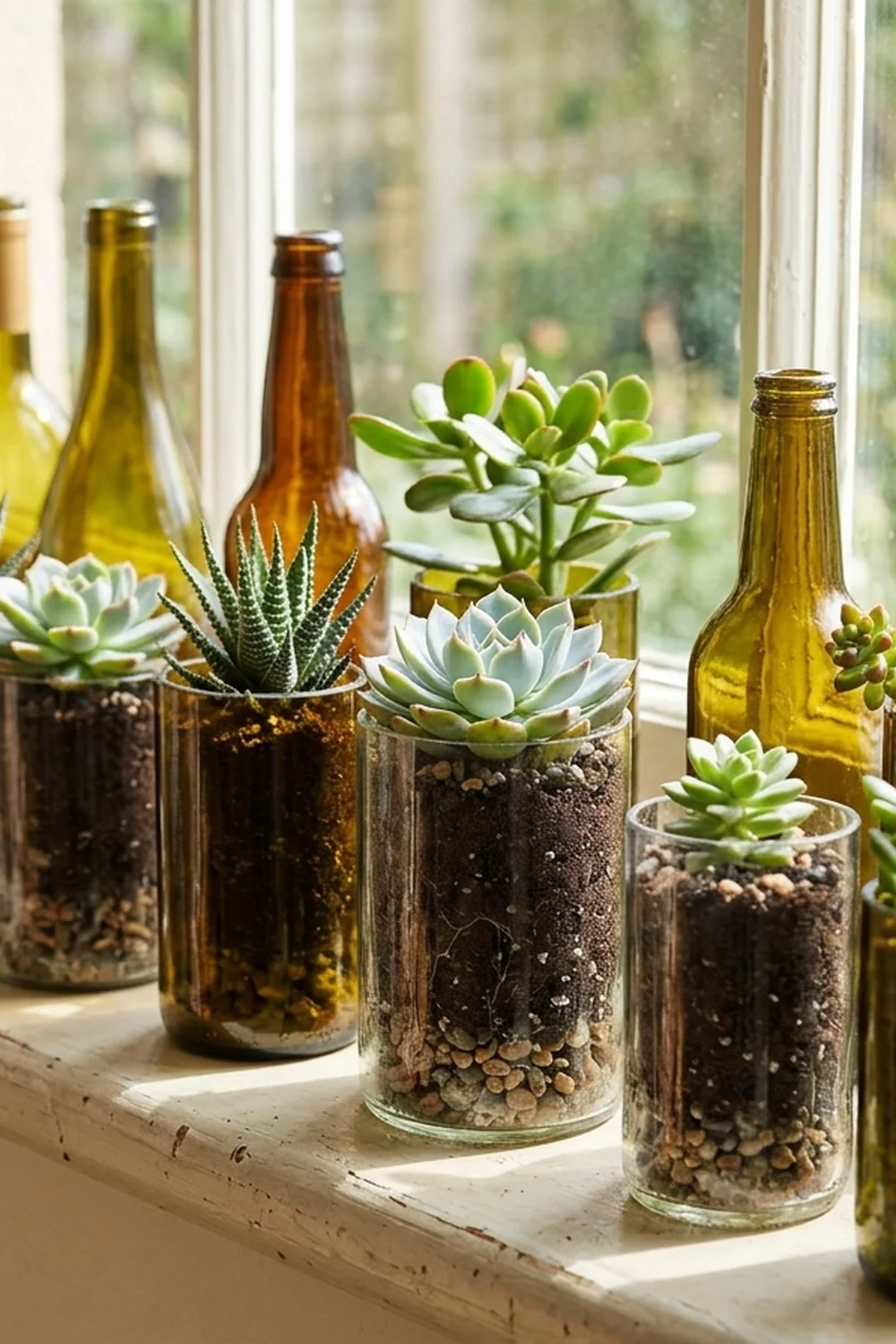
Transforming glass bottles into succulent planters requires careful handling, especially when you need to remove the top portion of the container. If you are not comfortable using glass cutters or fear the risk of jagged edges, it is best to avoid cutting the glass entirely. Projects that demand significant force or complex shaping often exceed standard home safety capabilities and increase the risk of injury.
When your vision involves drilling holes for drainage, prioritize professional help if you lack the proper diamond-tipped bits or a stable workspace. Attempting to drill through thick, tempered glass without the right equipment often leads to shattering rather than a clean opening. Bringing your containers to a local glass shop or a professional fabricator ensures the job is done safely and correctly the first time.
Adding internal lighting to a planter can elevate your decor, but you must respect the boundaries of residential electrical modifications. Never attempt to hardwire lighting fixtures into glass structures unless you are a qualified professional, as improper wiring poses a significant fire hazard. Stick to battery-operated LED fairy lights that do not require permanent alterations to the glass housing or complex circuitry.
- Always wear safety goggles when scoring or working with glass to protect against stray shards.
- Ensure your work surface is stable and clear of debris to prevent accidental breakage.
- Avoid using heavy-duty power tools on glassware unless you have specific training in masonry or glass fabrication.
- Prioritize low-heat light sources to prevent the glass from becoming too hot for delicate plant roots.
- Consult local experts if you are unsure about the structural integrity of the bottle you intend to repurpose.
FAQ
What are some creative ways to repurpose glass bottles?
You can transform empty containers into functional items like soap dispensers, decorative vases, or even custom lighting fixtures. Many hobbyists enjoy using LED fairy lights inside clear glass to create ambient lanterns for their living spaces.
How can I upcycle glass bottles safely at home?
Always prioritize safety when handling glass by wearing protective gear like safety goggles and heavy-duty gloves. If you intend to modify the shape of your container, learn proper glass cutting techniques to avoid jagged edges or accidental breakage.
What are some creative ways to decorate glass bottles?
You can apply acrylic enamel paint for a durable finish, use glass etching cream for a frosted look, or wrap them in jute twine for a rustic aesthetic. These creative ways to upcycle glass bottles at home allow you to tailor the final design to match your specific interior decor style.
Is it better to recycle glass or reuse it for crafts?
While recycling is a standard practice for managing household waste, it is important to note that glass recycling programs have been discontinued in some United States counties due to economic factors. Repurposing your glass bottles into durable home decor is a fantastic way to extend their lifecycle when local processing options are limited.
How do I prepare glass bottles for DIY projects?
Start by soaking your bottles in warm, soapy water to easily remove labels and adhesive residue. Once clean and completely dry, the surface is ready for painting, etching, or applying adhesives like epoxy resin.
Conclusion
The main decision point for your project is whether you want to prioritize functional storage or purely aesthetic displays. Once you settle on your goal, gather your materials and start experimenting with these creative ways to upcycle glass bottles at home. Because some local recycling programs have been discontinued due to economic factors, finding new uses for your glass is a practical and rewarding way to manage household waste. Whether you choose to paint, cut, or fill your containers, your next step is simply picking one design and diving into your first project.
You might also like: 18 Beginner Friendly Crafts Anyone Can Make