16 Baddie Outfit Ideas Women With Red Hair Trend Now
Introduction to the Y2K Aesthetic and the Twenty Year Cycle
The Y2K fashion revival thrives because consumers frequently rediscover early 2000s fashion trends worth rewearing to bridge the gap between historical nostalgia and modern utility. Identifying these early 2000s fashion trends worth rewearing allows individuals to curate a wardrobe that respects design history while maintaining contemporary relevance.
This resurgence operates on a standard twenty year cycle, where fashion shifts from dated to desirable as a new generation matures. Nostalgia functions as a primary mechanism here, as shoppers seek comfort in the visual language of their childhood or the aspirational styles of the past. By examining how distressed denim defined the look from 2001 to 2008 or how skinny jeans emerged in 2005, we can better understand why these specific silhouettes return to global markets. This analysis provides a framework for evaluating which vintage elements offer lasting aesthetic value in today’s diverse retail landscape.
Low-Rise Jeans Revamp
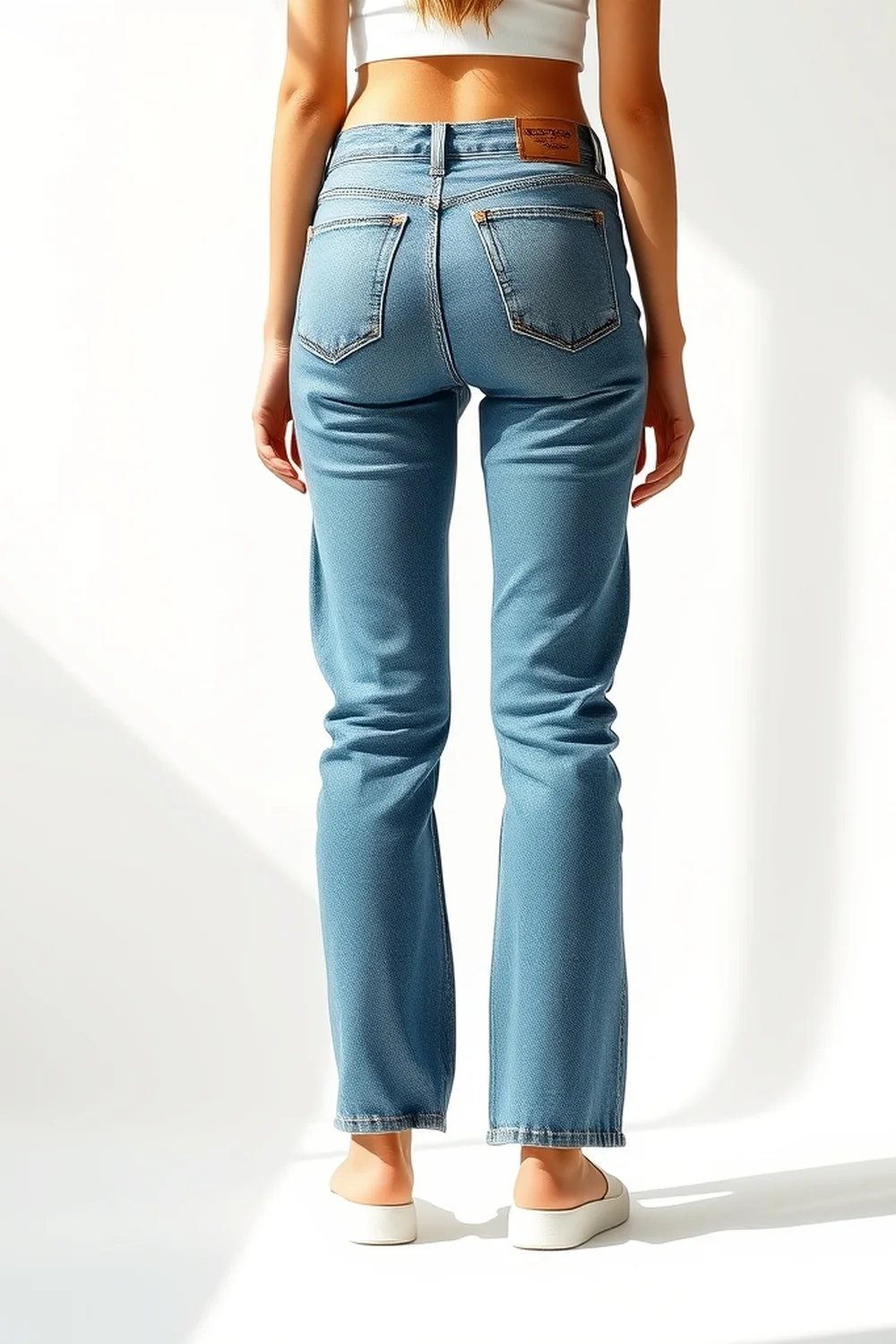
The silhouette of denim underwent a radical transformation during the first decade of the new millennium, moving away from the traditional high-waisted cuts of previous eras to a distinct focus on low-rise profiles. This decade-long evolution reshaped the industry, marking a departure from formal tailoring toward a more casual, individualized aesthetic that remains central to many early 2000s wardrobe essentials. Understanding why this shift happened requires looking at the convergence of youth culture, pop culture catalysts, and changing retail manufacturing capabilities that prioritized novelty over longevity.
The Evolution of Denim Silhouettes
The progression of denim styles during this period reflects broader shifts in production and consumer preference. According to the Fashion Institute of Technology, distressed denim maintained popularity in America from 2001 to 2008, signaling a move toward relaxed and rugged finishes that emphasized heavily textured, worn-in looks. By 2005, the fashion landscape shifted again with the introduction of skinny jeans, which transitioned into a dominant trend by 2006. These milestones highlight how quickly the market pivoted, moving from casual textures to the streamlined, body-conscious cuts that defined the mid-decade aesthetic.
| Trend | Timeframe | Key Characteristic |
|---|---|---|
| Distressed Denim | 2001 to 2008 | Intentional wear and tear |
| Skinny Jeans | 2005 to 2006 | Form-fitting silhouette |
Integrating Low-Rise Denim Today
For those exploring early 2000s fashion trends worth rewearing, integrating low-rise denim into a contemporary wardrobe requires careful consideration of proportions and fabric selection. Common mistakes include pairing extremely low cuts with overly tight tops, which can disrupt the balanced lines of an outfit. Instead, practical steps for modernizing the look involve balancing the exposed waistline with relaxed outerwear, structured blazers, or oversized knitwear. Sourcing authentic vintage pieces or durable modern reproductions ensures the denim retains enough structure to sit comfortably without stretching out prematurely.
Technology and Cultural Influence
The rapid adoption of these trends was often driven by celebrity culture and the birth of digital search behaviors. It is frequently noted in fashion marketing analysis that the intense public interest in high-profile red carpet appearances, such as the dress worn by Jennifer Lopez to the 2000 Grammy Awards, acted as a significant catalyst for how imagery was consumed and searched online. This digital shift accelerated the trend cycle, making the Y2K fashion revival a primary interest for modern consumers seeking a timeless Y2K aesthetic clothing style.
Revisiting these historical silhouettes today offers a unique opportunity to blend nostalgic elements with modern tailoring techniques. By focusing on quality construction and thoughtful pairing strategies, denim enthusiasts can successfully translate the iconic low-rise aesthetic into a wearable component of a modern closet. Mastering these modern ways to style 2000s trends allows for a sophisticated approach to how to wear 2000s trends today, ensuring that the legacy of this era remains relevant in contemporary fashion design.
Decoding Iconic Y2K Aesthetic Clothing Pieces Worth Rewearing
Reviving millennial and turn of the century garments requires examining how historical pieces perform in contemporary wardrobes. Evaluating these legacy items from an industrial design and textile perspective reveals why certain nostalgic silhouettes successfully cross over into modern closets while others remain purely historical artifacts. For those seeking early 2000s fashion trends worth rewearing, understanding the intersection of structural engineering and aesthetic appeal is essential.
Technical Considerations for Legacy Garments
Baby tees combine tubular knit construction with cropped proportions, creating a fitted silhouette that relies on high-elasticity cotton blends for structural memory. When sourcing these for a modern collection, check for reinforced shoulder seams to prevent the lightweight cotton fabric from stretching out of shape during regular wear. Similarly, cargo pants utilize heavy-duty cotton twill and reinforced pocket gussets, balancing utilitarian durability with relaxed architectural volume. Collectors should look for bar-tack stitching at high-stress pocket junctions to ensure long-term durability under heavy loads.
Platform sneakers offer another durable option, employing EVA foam midsoles and synthetic leather uppers to distribute weight evenly across a thick sole. When acquiring vintage pairs, prioritize those with rigid shank placement within the sole unit to prevent structural fatigue and ankle rolling.
The Evolution of Denim and Loungewear
The early 2000s marked a significant shift in denim engineering. Low-rise denim alters traditional waistline construction by dropping the rise significantly below the navel, requiring precise pattern drafting to maintain garment security during movement. When styling these today, look for contoured waistband shaping, which compensates for the anatomical slope of the hips and prevents gaping.
Beyond basic denim, the era saw the rise of distressed fabrics. According to the Fashion Institute of Technology, distressed denim became a popular trend in America from 2001 to 2008, showcasing how intentional fabric destruction transformed basic cotton twill into an everyday staple. Following this period of relaxed fits, the industry shifted dramatically. Skinny jeans were introduced in 2005 and became popular in 2006, shifting the silhouette entirely away from the wider trousers of the previous decade.
Velour tracksuits represent another pillar of the era, depending on plush polyester-cotton loopback fleece that provides surface sheen and thermal retention. When evaluating these, ensure specific grain line alignment during the cutting process to preserve the directional pile and rich surface luster. Historically, brands like Juicy Couture and Von Dutch established logomania as a dominant branding strategy, transforming basic loungewear and trucker hats into high-status visual symbols through embroidered crests and applique patches. While many of these items define the timeless Y2K aesthetic clothing look, modern styling often benefits from mixing these high-impact pieces with neutral, contemporary basics to balance the visual weight of the era.
Celebrity Inspired Tracksuits

Celebrity inspired tracksuits emerged as cultural markers of the decade because television influences such as Sex and the City shaped public perception and elevated casual loungewear into mainstream luxury. Viewers closely watched every episode, taking style cues from characters who mixed athletic pieces with high end accessories. Early digital media and high profile red carpet moments quickly catalyzed global style shifts by broadcasting these looks to massive audiences within seconds. Red carpet events stopped being reserved solely for formal gowns as stars began embracing relaxed athletic separates. When people searched online for these boundary pushing outfits, search engines struggled to deliver relevant results.
Common guidance notes that public fascination with the dress worn by Jennifer Lopez to the 2000 Grammy Awards acted as a major catalyst for the creation of dedicated image search tools. This cultural milestone changed how internet users interacted with fashion media forever. Velour tracksuits soon dominated celebrity wardrobes and trickled down to everyday closets across the globe. Nostalgic styles from this era remain popular today because they balance comfort with a distinct attitude, making them key early 2000s fashion trends worth rewearing.
For those looking to adopt a timeless Y2K aesthetic clothing approach, understanding the historical context of these garments helps in curating a modern wardrobe. The appeal lies in the contrast between athletic comfort and tailored structure. When planning early 2000s wardrobe essentials, incorporating these soft separates provides an accessible entry point into vintage styling. To execute modern ways to style 2000s trends today, experts recommend pairing plush separates with structured modern blazers or minimalist footwear to balance the silhouette.
Practical steps for integrating these items into a contemporary closet involve focusing on fit and fabric quality. Many shoppers seek out authentic vintage pieces or durable modern reproductions that mimic the original texture without losing shape. A common mistake is wearing matching sets with overly busy accessories from the same era, which can make the outfit look costume heavy rather than intentional. Instead, keeping surrounding pieces sleek and understated allows the iconic loungewear to remain the focal point of the outfit.
Alongside loungewear, the decade brought other defining shifts in American apparel. Distressed denim became a popular trend in America from 2001 to 2008, according to data from the Fashion Institute of Technology historical archives. Shortly after, skinny jeans were introduced in 2005 and became popular in 2006, shifting silhouettes from ultra relaxed cuts to fitted denim. Recognizing these shifts allows fashion enthusiasts to mix various elements from the era thoughtfully.
Vintage Graphic Baby Tees

Vintage graphic baby tees represent early 2000s fashion trends worth rewearing because they combine compact silhouettes with nostalgic screen-printed graphics. These cropped garments became central wardrobe items as manufacturing shifts prioritised lightweight, stretch-knit cotton fabrics that hugged the torso. When building out early 2000s wardrobe essentials, these fitted tops stand out for their versatility and connection to a distinct cultural era.
During this era, structural changes in garment manufacturing accelerated production speeds. Factories adopted computer-aided design and automated cutting tools to push out garments at unprecedented velocities. Supply chains shortened their lead times to stock retail shelves with fresh inventory weekly. This surge in consumer purchasing velocity marked the beginning of modern fast fashion economics. As styles evolved, related pieces like cargo pants, low-rise denim, and velour tracksuits gained massive traction alongside iconic branding from labels like Juicy Couture and Von Dutch.
From a technical design student perspective, rapid trend cycles create severe environmental and social consequences. Short-lived garments often rely on synthetic fiber blends and cheap chemical dyes that pollute local waterways during production. Furthermore, low manufacturing costs encourage a throwaway culture where garments end up in landfills after just a few wears. Designing or sourcing durable alternatives helps mitigate this cycle of textile waste. Understanding why these garments appeal requires looking at the broader Y2K fashion revival, which sees younger generations reinterpreting vintage items through a modern lens.
Mass-market reproductions attempt to capture this aesthetic by using petroleum-based synthetic fabrics and generic prints. These modern fast fashion items often lose their shape after a few trips through the washing machine. Authentic vintage sourcing relies on thrift stores, estate sales, and specialized archives to find genuine deadstock pieces. Selecting older garments preserves quality craftsmanship and keeps existing textiles in circulation instead of demanding new industrial output. It is worth noting historical shifts in surrounding denim trends as well, since skinny jeans were introduced in 2005 and became popular in 2006, while distressed denim became a popular trend in America from 2001 to 2008 according to fashion history records from the Fashion Institute of Technology.
When considering modern ways to style 2000s trends today, pairing a cropped baby tee with high-waisted silhouettes creates a balanced proportion that avoids the overly low-slung proportions of the past. Common mistakes include buying newly manufactured synthetic reproductions that pill quickly, or pairing too many loud statement pieces at once. Focusing on one or two key vintage items allows the distinctive graphics to stand out while maintaining a wearable, contemporary aesthetic.
Scene Kid Belt Revival
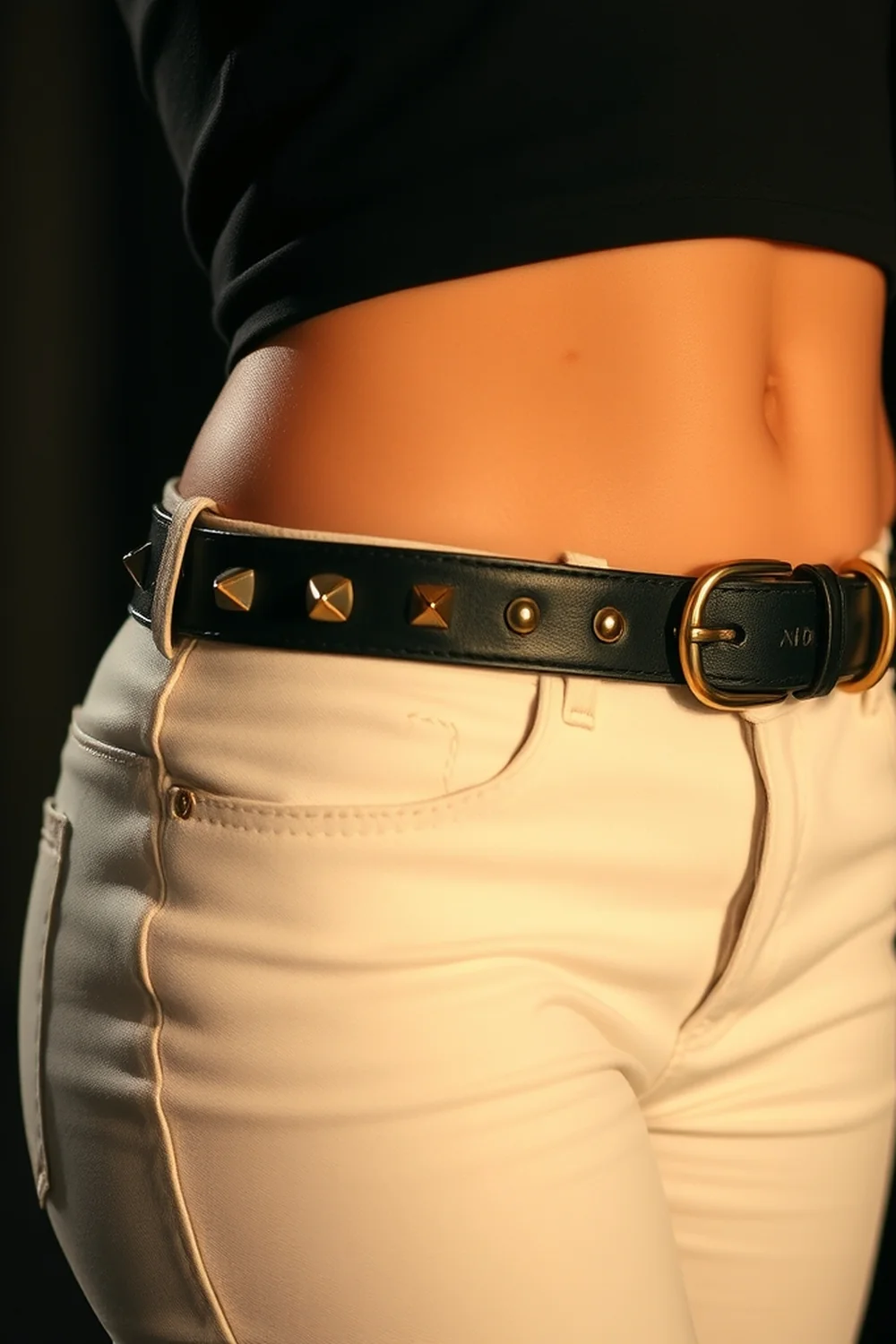
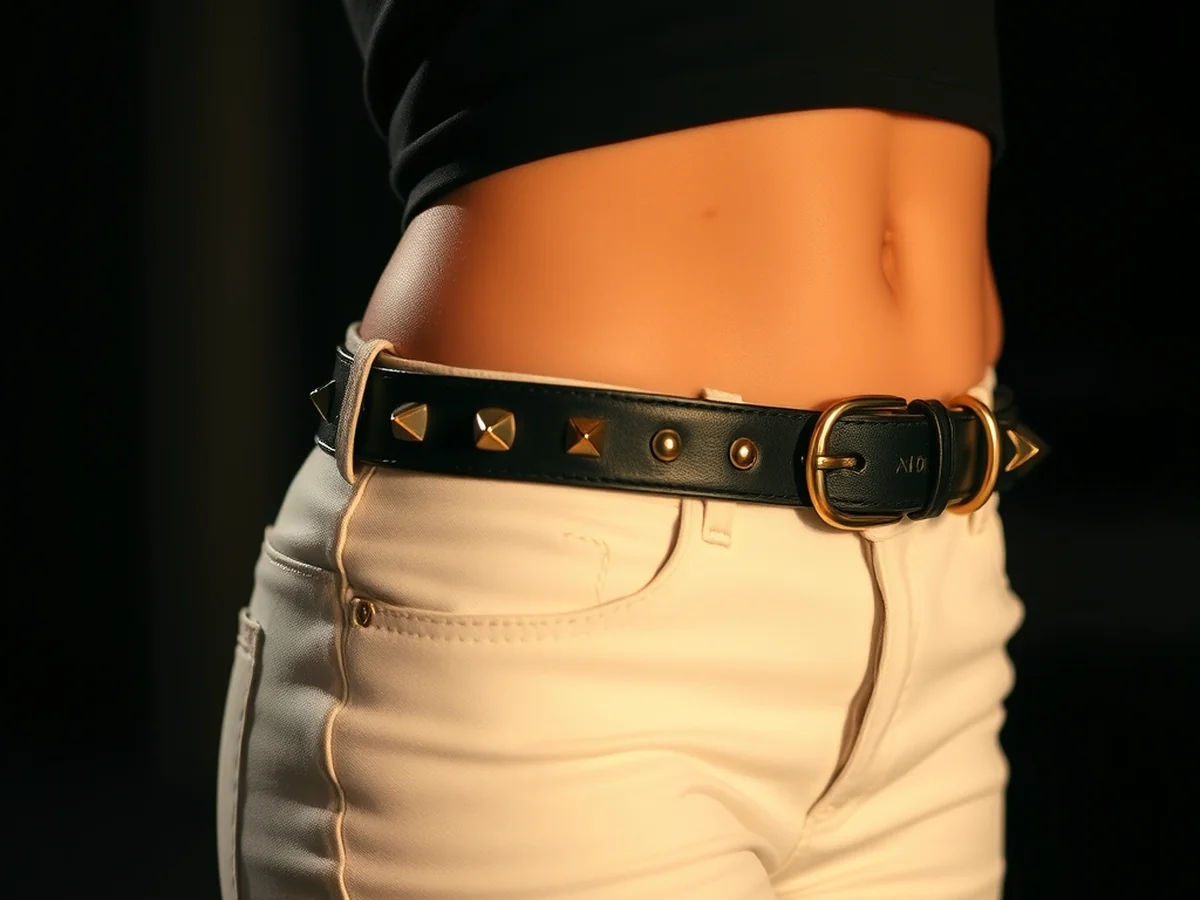
The resurgence of the studded belt stems from subcultures that operated on the fringes of mainstream fashion during the 2000s. These accessories were central to the scene kid aesthetic, a movement rooted in niche music scenes and characterized by a defiance of conventional dress codes.
Unlike the polished outfits favored by celebrities, the scene kid look relied heavily on DIY garment alterations. Individuals often customized their clothing to reflect personal taste, using items like rubber bracelets, hair extensions, and oversized belts to distinguish themselves from popular trends. This approach created a silhouette that favored visual noise and layering.
Textile choices within these underground movements prioritized durability and raw finishes. Heavy cotton, synthetic webbing for belts, and distressed denim were standard materials. According to the Fashion Institute of Technology, distressed denim became a popular trend in America from 2001 to 2008, aligning perfectly with the rugged, worn-in aesthetic favored by subcultures of the era.
The scene kid movement also utilized specific silhouettes to subvert traditional streetwear. While mainstream fashion leaned toward specific fits, these subcultures often combined tight-fitting tops with voluminous, layered accessories. The iconic studded belt served as a functional and aesthetic anchor for this look, often worn loosely over pants to maintain an unkempt appearance.
Revisiting these items today involves integrating them into contemporary wardrobes that value self-expression over mass-produced trends. The following elements define the aesthetic of that period:
- Studded leather or synthetic belts featuring multiple rows of grommets.
- Skinny jeans, which were introduced in 2005 and became popular in 2006, providing a sleek base for heavy accessories.
- Layered graphic tees that utilized bold, contrasting colors to mimic the DIY spirit of the scene.
- The use of bright, often neon, accents in hair and jewelry to balance the darker, distressed tones of the clothing.
By focusing on the DIY origins of these pieces, modern enthusiasts can adopt elements of the past without relying on fast fashion replicas. Understanding the historical context of these garments shifts the focus from simple nostalgia to an appreciation of how underground music scenes influenced broader streetwear developments. This perspective allows for a more intentional approach to building a wardrobe that honors the spirit of the original subculture.
Incorporating Millennium-Era Styles into Contemporary Outfits
Successfully integrating nostalgic pieces from past decades into a contemporary wardrobe requires a focus on proportion and material contrast. The goal is to move away from head-to-toe period recreation, which can often feel like a costume, and toward a curated aesthetic that highlights the functional appeal of early 2000s garments. By anchoring high-energy items with modern tailoring, you create an intentional look that feels relevant to current style standards.
Balancing Silhouettes and Proportions
The early 2000s were marked by extremes, from the skin-tight fits of the mid-decade to the voluminous silhouettes of the later years. Skinny jeans were introduced in 2005 and became popular in 2006. When wearing these today, balance them with oversized outerwear or chunky knitwear to prevent the outfit from feeling dated. Conversely, when opting for wide-leg cargo pants, pair them with a fitted baby tee. This juxtaposition of volume on the bottom and structure on the top is one of the most effective approaches for pairing millennium garments with present-day silhouettes.
Navigating Texture and Materiality
Texture plays a vital role in grounding nostalgic pieces. Distressed denim became a popular trend in America from 2001 to 2008, but it can often look overly casual or unrefined if styled incorrectly. To update these pieces, pair them with structured, high-quality fabrics like a wool-blend blazer or a crisp button-down shirt. This layering technique masks the inherent roughness of the denim while maintaining the vintage character of the garment.
Similarly, while velour tracksuits are iconic, wearing them as separates, such as pairing the jacket with tailored trousers or the pants with a high-end cashmere sweater, allows you to enjoy the comfort of the fabric without the full athletic aesthetic.
The Role of Minimalist Accessories
Accessories from this era, such as butterfly clips or heavy logomania, often carry a maximalist reputation. To keep your look sophisticated, use a strategy of restraint. Incorporate only one statement accessory at a time. If you choose to use a colorful hair clip for a detail, keep your clothing palette neutral and your lines clean. This allows the accessory to act as a point of interest rather than a distraction.
The widespread attention garnered by high-profile celebrity red carpet moments, such as the dress worn to the 2000 Grammy Awards, often drove the desire for bold, singular statement pieces that defined the era. By adopting the same principle of choosing one focal point, you can achieve an appealing vintage aesthetic that transitions naturally from day to evening.
Understanding the Evolution and Cultural Mechanics of Millennium Style
The aesthetic across the 2000s shifted through distinct phases, moving from futuristic optimism into casual maximalism before settling into indie sleaze and tighter silhouettes. The early years embraced metallic fabrics and exposed midriffs, while the middle years popularized distressed denim from 2001 to 2008 alongside bohemian layering. By the late portion of the decade, skinny jeans were introduced in 2005 and became popular in 2006, shifting the market toward slim cuts and rock-inspired tailoring.
Fast Fashion and Industry Shifts
Accelerating global supply chains and digital trend forecasting served as the primary industry drivers behind the fast fashion movement during this era. Retailers shortened production cycles to replicate runway looks within weeks, fundamentally changing consumer purchasing habits. This commercial acceleration made popular turn of the millennium apparel widely accessible, though it introduced complex environmental and ethical implications regarding mass manufacturing that continue to influence how modern shoppers evaluate vintage acquisitions.
The Psychology of Cultural Nostalgia
Cultural nostalgia explains why the twenty year trend cycle consistently resurrects turn of the millennium styles for new generations. Consumers who grew up seeing these looks now hold purchasing power, while younger shoppers view the period through a vintage lens. Understanding how to incorporate historical pieces into daily outfits allows individuals to honor historical references without replicating exact runway mistakes from the decade.
Practical Adaptation for Contemporary Wardrobes
When selecting popular pieces from the decade to bring back into rotation, focus on balancing historical accuracy with modern proportion. Incorporating a single statement element, such as low-rise denim or velour tracksuits, prevents an outfit from feeling like a costume. Pairing vintage items with tailored contemporary basics ensures these nostalgic garments remain wearable and grounded in current street style.
Frequently Asked Questions About Millennial Fashion History and Styling
What defined the clothing choices of the early 2000s?
The turn of the millennium favored low-rise waistlines, baby tees, and synthetic fabrics driven by pop culture icons. Velour tracksuits and cargo pants also dominated mainstream casual wear during this period.
How do modern wardrobes incorporate nostalgic Y2K pieces?
Stylists often pair vintage statement pieces with structured contemporary tailoring to keep the look balanced. Mixing one throwback item like platform sneakers with minimalist basics prevents an outfit from feeling like a costume.
Why does fast fashion accelerate the return of older styles?
Rapid manufacturing capabilities allow brands to quickly manufacture and distribute historical aesthetic revivals to mass markets. This efficient production model satisfies sudden surges in consumer demand driven by social media algorithms.
What role did red carpet events play in shaping turn of the millennium aesthetics?
High-profile award shows and televised music events broadcasted bold outfits to a global audience instantly. Common guidance notes that viral red carpet moments, such as Jennifer Lopez wearing a tropical dress to the 2000 Grammy Awards, acted as a catalyst for digital image searching and trend adoption.
Conclusion on Sustained Style Value from the Turn of the Millennium
Millennial fashion evolved from structured tailoring into experimental casualwear that permanently shifted contemporary apparel design and manufacturing cycles. Historical records from the Fashion Institute of Technology confirm that distressed denim was a popular trend from 2001 to 2008, while skinny jeans gained widespread traction starting in 2006. Choosing thoughtful textile reuse and discerning vintage curation over rapid consumption helps reduce environmental waste while honoring authentic garment construction. Selecting durable pieces from this era for a modern rotation ensures wardrobes remain both distinctive and environmentally responsible.
You might also like: 18 Birthday Outfit Ideas Women With Red Hair Glam Chic