
18 Birthday Outfit Ideas Women With Red Hair Glam Chic
Introduction
Hip hop fashion looks black women rocked shaped modern street culture through bold silhouettes and fearless accessorizing. Trailblazing artists used oversized garments, luxury branding, and distinct streetwear pieces to command attention and redefine mainstream style standards.
This article covers the historical evolution of these influential aesthetics, highlighting how pioneering female musicians transformed casual streetwear into high fashion. Readers will discover key design moments, signature accessories, and lasting cultural impacts.
Pioneering Looks by Early Female MCs

Early hip-hop culture shaped personal identity through clothing and expression by allowing individuals to communicate status, background, and creativity without saying a word. When looking at hip hop fashion looks black women rocked, pioneers in the genre utilized garments to reclaim narratives and establish distinct visual identities. This cultural movement transformed everyday streetwear into a powerful medium for self-expression, directly influencing how communities perceived style and power on stage and in neighborhoods.
The Blueprint of Early Street Style
Street aesthetics evolved as artists combined athletic wear with bold personal touches to stand out. Designers eventually took notice of these authentic choices. Nike collaborated with Michael Jordan to create Air Jordans in 1984, which permanently changed the sneaker industry. Isaac Mizrahi was inspired by his elevator operator who wore a heavy gold chain in the late 1980s, highlighting the bridge between street culture and high fashion. Such moments proved that grassroots trends held immense creative value for traditional design houses, setting the stage for broader style revolutions.
Accessories That Defined the Era
Accessories completed every signature outfit by adding an unmistakable edge to the silhouette. Kangol bucket hats were a trending accessory in 1980s hip-hop culture. Alongside them, Cazal eyeglasses were widely considered a trending accessory in the 1980s, framing the face with geometric shapes and gold detailing that signaled luxury and confidence on the block.
The Shift Toward Tailored Streetwear
As the culture matured, the silhouettes expanded into oversized proportions that favored comfort alongside bold branding. Tommy Hilfiger, Polo Ralph Lauren, Calvin Klein, Nautica, and DKNY were prominent sportswear brands in the 1990s style landscape. Artists often paired these labels with layered outerwear and heavy jewelry. Furthermore, specific styling choices defined sub-movements, such as Kwamé sparking a brief trend of polka-dot clothing in the 1990s. Exploring these historical choices offers modern fashion enthusiasts a blueprint for how to style 90s hip hop fashion today, balancing oversized fits with structured statement pieces.
Nineties Oversized Sportswear Icon Looks

Sportswear dominated the street style landscape during the final decade of the twentieth century, creating a lasting blueprint for casual attire. According to common industry consensus, Tommy Hilfiger, Polo Ralph Lauren, Calvin Klein, Nautica, and DKNY were prominent sportswear brands in the 1990s, defining an era where athletic aesthetics crossed over into everyday fashion. These labels offered relaxed cuts and bold logos that resonated deeply with urban youth culture, establishing a standard of comfort and status that influenced hip hop fashion looks black women rocked during outings, music video shoots, and everyday street style encounters.
Dominant Labels and Cultural Impact
Mainstream designer houses shared space with a powerful wave of independent Black-owned empires that permanently altered the clothing industry. Independent pioneers like Karl Kani and FUBU captured the authentic spirit of the streets, designing pieces specifically tailored for the communities that loved them. Their success proved that street culture possessed immense commercial power, shifting mainstream fashion toward voluminous silhouettes and unapologetic branding.
When exploring vintage streetwear looks for black women, these foundational labels remain central to understanding how athletic wear transitioned from athletic fields into high-status urban wardrobes. Cultural movements during this era also birthed specific creative trends, such as the common guidance that the term ghetto fabulous was coined by Sean Combs in the 1990s, which captured a lifestyle of unapologetic luxury mixed with urban edge.
Adapting Athletic Wear for Everyday Looks
Building 90s hip hop outfits for black women often involved mixing oversized track jackets, windbreakers, and graphic jerseys with structured accessories. Layering loose garments and chunky footwear grounded those voluminous silhouettes, balancing comfort with striking visual impact. Women in the culture continuously reinvented athletic pieces by styling them with fitted crop tops or bold jewelry, creating a distinct aesthetic that remains influential today.
Other memorable styling fads of the decade included the common industry tradition where the rap duo Kris Kross popularized wearing garments in reverse, demonstrating the playful and disruptive nature of street fashion.
Practical Styling and Avoiding Common Mistakes
To modernize these vintage ensembles, enthusiasts can pair an oversized athletic windbreaker with sleek, fitted bottoms and contemporary footwear, ensuring the look honors its historical roots while maintaining a balanced everyday proportion. A frequent mistake when recreating this era is drowning the silhouette in head-to-toe loose garments without any point of contrast. Maintaining balance requires pairing oversized outerwear with form-fitting pieces underneath, such as ribbed tanks or high-waisted leggings.
Sourcing authentic pieces requires patience in thrift stores or specialized vintage markets, checking garment labels for genuine 1990s manufacturing details rather than modern reproductions. This thoughtful approach allows wearers to appreciate the historical black women hip hop style evolution authentically.
Fierce Hyper-Feminine Streetwear Ensembles

Fierce hyper-feminine streetwear emerged as female artists consciously challenged strictly masculine silhouettes, shaping hip hop fashion looks black women rocked to command attention and celebrate individual power. By stepping away from oversized men’s shirts and baggy jeans, women transformed the visual landscape of music through tailored, form-fitting garments and opulent accessories that redefined street culture.
Pioneering Voices and Iconic Female Rapper Fashion Styles
Trailblazers like Salt-N-Pepa, Lil Kim, Missy Elliott, and Aaliyah shaped visual culture by bringing distinct identities to the screen and stage. Each artist used her wardrobe as a deliberate extension of her artistry. Salt-N-Pepa brought high-energy matching prints and leather coordinates, while Aaliyah paired oversized sportswear with sleek tomboy swagger. Icons like Lil Kim introduced glamorous, high-fashion luxury to the genre, leaning into unapologetic skin exposure and designer furs. Missy Elliott pushed boundaries with oversized silhouettes that challenged conventional expectations of female pop stars.
The Rise of the Ghetto Fabulous Aesthetic
The aesthetic shifted dramatically toward glamorous and unapologetic style choices that blended luxury labels with raw street attitude. Common guidance notes that Sean Combs coined the term ghetto fabulous during the 1990s to describe this high-impact look. Prominent sportswear brands such as Tommy Hilfiger, Polo Ralph Lauren, Calvin Klein, Nautica, and DKNY were common fixtures of the era, while designers like Karl Kani and FUBU helped fuel this movement by offering apparel tailored specifically for urban youth culture. This shift allowed women to embrace both rugged streetwear and high-end glamour simultaneously, creating a lasting blueprint for alternative retro street apparel.
Practical Styling Tips and Common Mistakes
Recreating vintage streetwear looks for black women requires balancing structure and luxury. When learning how to style 90s hip hop fashion, a common mistake is leaning too heavily into oversized items without any form-fitting balance. To capture the true essence of 90s hip hop outfits for black women, pair tailored crop tops or form-fitting bodysuits with relaxed cargo pants or structured outerwear. Elevate the ensemble with statement accessories like layered gold chains, inspired by early trends where designers drew cues from everyday street culture, and finish the outfit with classic footwear or durable boots.
Bold Statement Jackets and Polka Dots
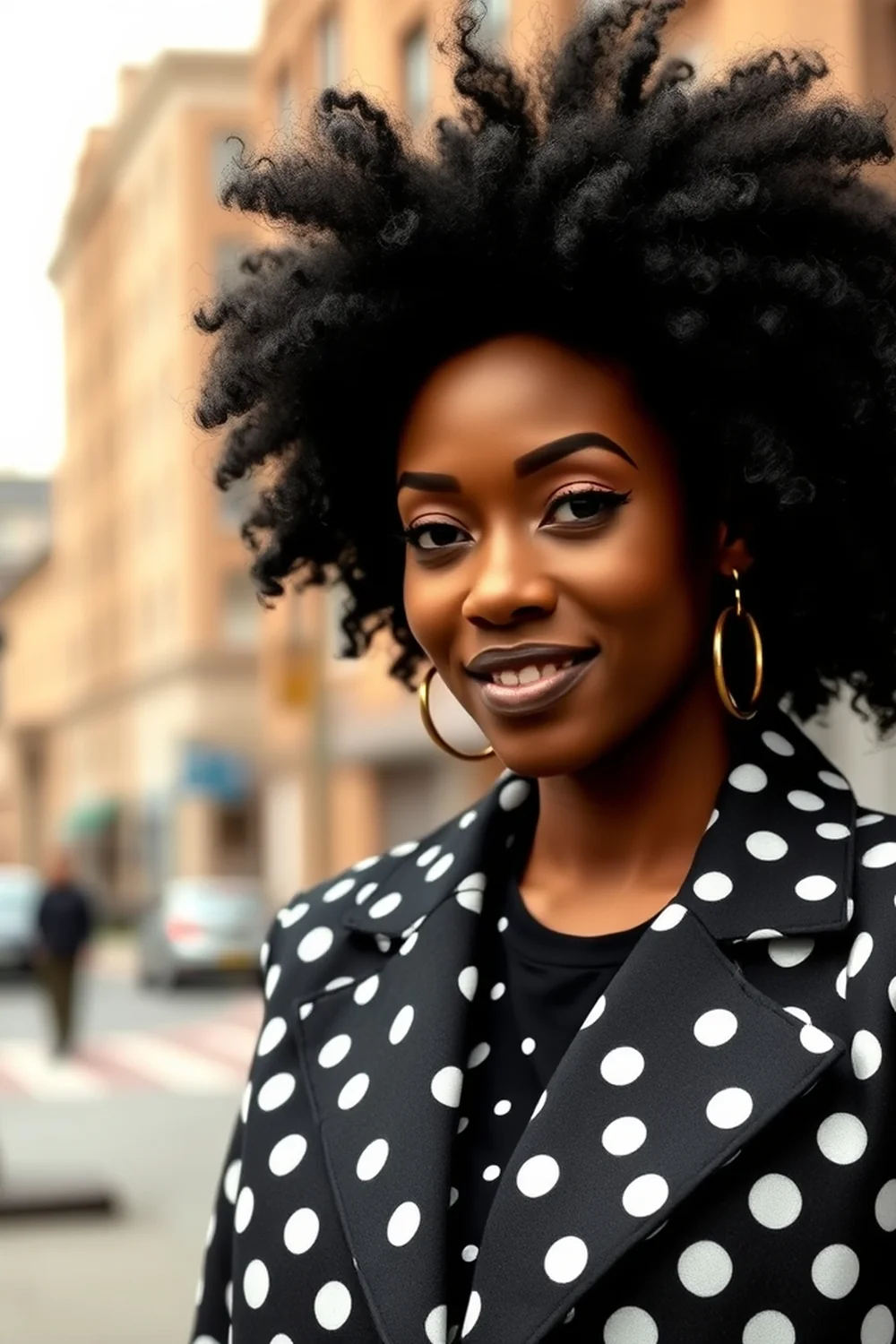
The visual language of hip hop has always relied on high-contrast patterns and oversized outerwear to command attention. Throughout the 1990s, artists and designers pushed the boundaries of traditional street style by integrating bold graphics and unconventional silhouettes. Kwamé famously sparked a brief trend of polka-dot clothing in the 1990s, proving that graphic prints could transcend their conventional associations to become a staple of hip hop aesthetics. This era was defined by a willingness to experiment, where statement jackets and vibrant patterns functioned as a visual extension of the music itself.
Fads That Captured the Culture
Cultural trends in this space often originated from the imaginative styling seen in music videos and live performances. When exploring 90s hip hop outfits for black women, understanding these historical fads provides essential context for modern interpretations. These movements were not merely fleeting interests but were foundational shifts in how personal style was curated and displayed.
- The Eight-Ball Jacket: Often associated with designer Michael Hoban in 1990, this garment became a hallmark of urban streetwear, representing the era’s affinity for oversized, logo-heavy, and narrative-driven clothing.
- Experimental Silhouettes: The trend of wearing clothes backwards, popularized by Kris Kross in the 1990s, serves as a primary example of how youth culture challenged standard conventions of dress.
- Iconic Accessories: Kangol bucket hats were a trending accessory in 1980s hip-hop culture, serving as a clean, structured counterpart to the baggy sportswear that dominated the decade.
- Broadening Influences: Beyond clothing, accessories like Cazal eyeglasses were widely considered a trending staple, often paired with gold chains that transitioned from street fashion to the high-fashion runways, such as when Isaac Mizrahi was inspired by his elevator operator who wore a heavy gold chain in the late 1980s.
Footwear Revolutions and Sportswear Roots
The evolution of personal style within the black women hip hop style evolution was deeply intertwined with the rise of professional sportswear. In 1984, Nike collaborated with Michael Jordan to create Air Jordans, a milestone that effectively transformed footwear into the centerpiece of personal style. This shift elevated the sneaker from functional gear to a status symbol and a core component of how women styled their daily apparel.
As the decade progressed, specific labels became synonymous with the street aesthetic. Prominent sportswear brands such as Tommy Hilfiger, Polo Ralph Lauren, Calvin Klein, Nautica, and DKNY were widely worn, often styled in oversized fits that contrasted with the more tailored, high-fashion silhouettes appearing on runways. Successfully modernizing these classic, heavy-weight garments for current wardrobes involves balancing these classic, heavy-weight fabrics with modern tailoring, ensuring the spirit of the original bold statement remains intact while adapting to contemporary proportions.
Styling Vintage Hip Hop Pieces

Mastering how to style 90s hip hop fashion requires a thoughtful approach to sourcing authentic garments and balancing oversized proportions with contemporary silhouettes. When exploring classic retro streetwear ensembles, understanding the weight of the fabrics, the history of the labels, and the structural balance of the outfit transforms a simple throwback costume into an intentional, modern ensemble.
Finding Authentic Vintage Pieces and Evaluating Quality
Sourcing genuine items takes patience across flea markets, specialized vintage boutiques, and private archival collections. Common guidance suggests looking closely at prominent sportswear brands from the 1990s, such as Tommy Hilfiger, Polo Ralph Lauren, Calvin Klein, Nautica, and DKNY, which are frequently found buried among generic thrift items. Specialized boutiques curate these pieces by era, saving hours of sorting through racks, while archival collectors offer high-grade statement items for enthusiasts seeking rare finds.
A common mistake when hunting for vintage items is ignoring structural integrity. Before purchasing, inspect seams, logos, and hardware closely to verify age and manufacturing details. Heavy cotton jerseys, thick fleece, and stiff nylon should show authentic wear without structural decay. Iconic accessories also play a major role in completing these looks. Historical records show that Kangol bucket hats were a trending accessory in 1980s hip hop culture, while Cazal eyeglasses were commonly considered essential statements during the same era.
Modernizing Classic Silhouettes and Avoiding Common Mistakes
Balancing archival streetwear with current daily wear relies on mixing oversized outerwear with structured, tailored basics. Pairing a bulky windbreaker or heavyweight jersey with slim trousers creates a sharp contrast that flatters the body while honoring the roots of historical street style throughout the decades. Because heavy denim, stiff nylon, and thick fleece naturally dictate a boxy silhouette, anchoring them with fitted layers keeps the overall shape intentional and balanced.
One major mistake to avoid when assembling oversized throwback apparel is letting excessive volume overwhelm the entire frame. Wearing oversized pieces from head to toe can obscure the body completely unless broken up by structured elements. Footwear choice anchors the entire outfit, whether pulling on classic leather boots like Timberland or iconic sneakers inspired by major historical sportswear collaborations. By blending historical reverence with smart tailoring, vintage pieces become versatile staples for modern wardrobes.
East and West Coast Outfits

Regional rap culture produced a clear stylistic split between the polished luxury of the East Coast and the relaxed aesthetics of the West Coast. This divide shaped how artists and fans built their everyday wardrobes, creating distinct visual languages for the hip hop fashion looks that women across the country championed.
East Coast Tailoring and Glamour
Eastern urban centers favoured structured outerwear and sturdy footwear. Artists and enthusiasts often paired rugged work boots with oversized furs, heavy gold jewelry, and sleek tailoring to project power and sophistication. This region embraced a high-end approach to street style that mirrored luxury films. Tommy Hilfiger, Polo Ralph Lauren, Calvin Klein, Nautica, and DKNY were prominent sportswear brands in the 1990s that commonly helped define this structured look.
West Coast Casual and Athletic Edge
Western aesthetics favored comfortable denim, flannels, and casual sportswear for a breezy, functional vibe. Fans and musicians gravitated toward oversized t-shirts, athletic jerseys, and slouchy trousers that allowed for easy movement. This laid-back approach prioritized comfort and neighborhood pride above all else.
Styling Regional Aesthetics Today
When assembling vintage-inspired pieces for these classic ensembles, balancing regional cues requires attention to fabric and silhouette. A common mistake is mixing too many competing luxury textures at once, which can overwhelm the natural frame. To apply these looks practically, select one statement piece, such as a structured leather jacket for an Eastern vibe or a relaxed flannel for a Western feel, and anchor it with classic denim or simple footwear.
The table below contrasts the main wardrobe elements of these two distinct regional scenes.
| Region | Primary Footwear | Core Outerwear | Typical Fabrics |
|---|---|---|---|
| East Coast | Work boots | Leather jackets | Fur and silk |
| West Coast | Low-top sneakers | Flannel shirts | Denim and cotton |
Tracing the black women hip hop style evolution reveals how these regional boundaries frequently overlapped as artists toured and shared screens. Performers borrowed elements from both coasts to craft distinct visual identities that broke traditional fashion rules.
Frequently Asked Questions About Hip Hop Fashion
What defines hip hop fashion?
Hip hop fashion centres on oversized silhouettes, athletic wear, and bold accessories rooted in urban street culture. Performers and fans alike embraced oversized denim, graphic tees, and statement outerwear to project confidence and comfort. Iconic elements like Nike Air Jordans, which resulted from a 1984 collaboration between the brand and Michael Jordan, became essential staples of this aesthetic.
How did women in hip hop use fashion to express identity?
Black women in hip hop used clothing to challenge traditional gender norms and assert their cultural power. Artists like Salt-N-Pepa and Lil Kim balanced hyper-feminine glamour with streetwear elements, proving that strength and style go hand in hand. Their influence helped shift the narrative of how female performers presented themselves on stage and in media.
What was the impact of 90s hip hop on general culture?
The aesthetic of 90s hip hop reshaped mainstream global fashion by bringing streetwear directly into high-end retail spaces. It is widely considered that Tommy Hilfiger, Polo Ralph Lauren, Calvin Klein, Nautica, and DKNY were prominent sportswear brands during this decade that gained massive popularity through this cultural shift. Trends such as the polka-dot clothing popularized by Kwamé and the fad of wearing clothes backwards, famously established by Kris Kross, further demonstrated the genre’s influence on the broader public.
Which brands defined early hip hop aesthetics?
Early hip hop style was shaped by a mix of luxury labels and pioneering streetwear brands created by Black designers. Kangol bucket hats were a trending accessory in 1980s hip hop culture, while labels like Karl Kani and FUBU soon emerged to define the next decade. Other style markers were often born from unexpected places, such as the heavy gold chains that inspired designer Isaac Mizrahi after he saw his elevator operator wearing one in the late 1980s. Accessories like Cazal eyeglasses were also commonly regarded as a trending staple of that era.
How can you style vintage streetwear today?
You can style vintage streetwear by pairing oversized items with fitted pieces to create a balanced silhouette. Mixing retro track jackets with modern footwear offers a fresh way to channel the various hip hop fashion looks that Black women have championed throughout the history of the genre. Incorporating elements like an eight-ball jacket, which became a common wardrobe choice after designer Michael Hoban created the style in 1990, can also add an authentic touch to your outfit.
Conclusion: The Enduring Legacy of Black Women in Street Style
Major stylistic eras from oversized silhouettes to bold luxury branding prove that Black women continually shape modern streetwear through sheer creativity. Anyone can experiment with vintage pieces to celebrate the rich history behind the iconic hip hop styles that Black women pioneered over the decades. Mixing authentic thrifted items with contemporary basics lets you honor these cultural innovators while keeping your daily wardrobe fresh and personal.
You might also like: 15 Slime Recipes Without Activator To Try