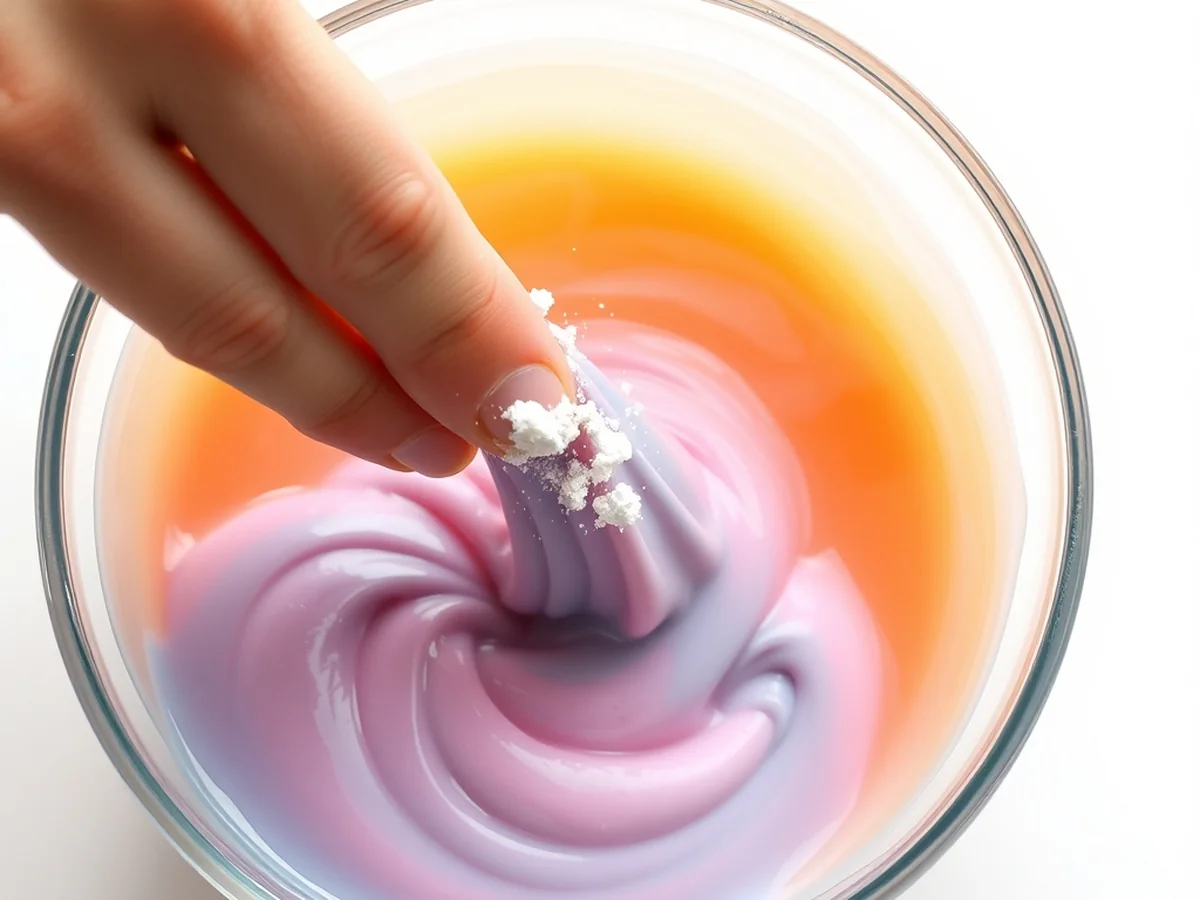
15 Slime Recipes Without Activator To Try
Introduction
You can create engaging sensory play materials at home by following these 15 Slime Recipes Without Activator to Try. These projects offer simple, household-friendly methods to explore the properties of a non-Newtonian fluid without relying on traditional chemical activators.
This guide provides a comprehensive collection of recipes that avoid borax, as the National Pesticide Information Center confirms that borax can cause eye irritation and poses risks if ingested. You will discover diverse ways to make slime using accessible pantry staples such as cornstarch, shampoo, and baking soda. Whether you are looking for easy slime without activator or specific diy slime for kids without activator, these instructions help you achieve the right consistency safely. We also include troubleshooting advice for adjusting textures and tips for keeping your creations in good condition for longer play. Each recipe is designed to be straightforward and fun, making them perfect for your next creative project.
Understanding Slime Science and Safety
Slime is classified as a non-Newtonian compound, meaning it flows like a liquid yet holds its shape like a solid depending on the pressure applied. This unique physical behavior makes it a fascinating subject for sensory play, but prioritizing borax safety remains essential for parents and caregivers. The National Pesticide Information Center states that borax poses risks to the eyes and may be hazardous if ingested. Because of these health risks, many families now look for alternative ways to create this popular sensory material using safer household supplies.
Prioritizing Safety in Sensory Play
When selecting ingredients for DIY slime for kids without activator, keep these safety factors in mind:
- Supervise children at all times during the mixing process.
- Avoid using ingredients that may cause skin irritation if a child has known sensitivities to fragrances or dyes found in common household products.
- Ensure all homemade compounds are kept away from the mouth and eyes to prevent accidental ingestion or irritation.
- Consider the surface where the play occurs, as some ingredients can stain or leave residue on furniture or fabrics.
Troubleshooting and Texture Adjustments
If your mixture feels too runny during the creation process, you can often fix the texture with simple adjustments. Adding a pinch of baking soda can firm up slime that is too thin, providing a better consistency without the need for harsh chemicals. While some people use a common mixture of 1/2 teaspoon of baking soda and 3 tablespoons of multi-purpose contact lens solution as a typical practice to create an activator, exploring methods that exclude these substances entirely allows for even more creative and accessible crafting. For those seeking alternatives to traditional chemical activators, testing slime recipes using cornstarch or experimenting with shampoo-based bases can offer different tactile experiences.
When working with these materials, avoid the common mistake of adding too much activator at once. Start with small amounts and incorporate the ingredients slowly to achieve the desired texture. If the mixture becomes too stiff, adding a tiny amount of warm water or lotion can often soften the material. Always clean surfaces thoroughly after play to maintain a safe environment for future projects.
How Slime Ingredients Work
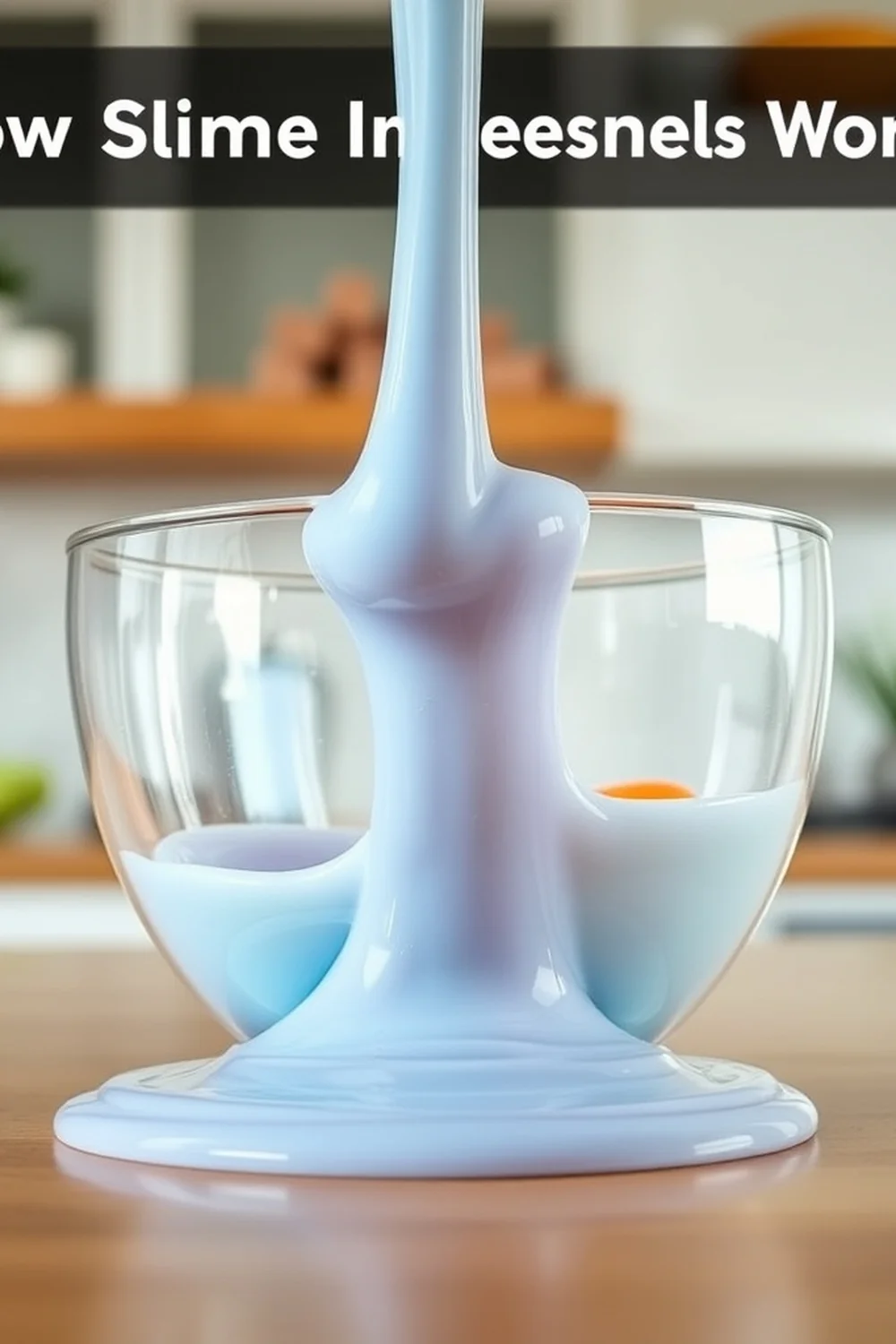
At its core, slime is classified as a non-Newtonian compound. This means its viscosity changes depending on the force applied to it. When you squeeze or strike the material, it reacts like a solid, yet it flows like a liquid when left undisturbed. Understanding this physical behavior is the first step toward mastering diy slime for kids without activator.
The Role of Chemical Cross-linking
Traditional slime relies on polyvinyl acetate glue, which contains long polymer chains. When a chemical agent like borax is added, it triggers a process called cross-linking. The borate ions connect these long chains together, transforming a runny liquid into a cohesive, rubbery network. While effective, this chemical process requires caution. According to the National Pesticide Information Center, borax can cause irritation to the eyes and may be hazardous if ingested, which leads many parents to explore alternatives.
Physical Thickening Methods
When you look for slime recipes using cornstarch or shampoo, you are moving away from chemical cross-linking and toward physical thickening. These methods do not create a permanent molecular bond. Instead, they rely on the suspension of particles or the slow evaporation of moisture to reach a semi-solid state. Because these ingredients lack the internal structure of glue-based slime, the resulting texture is often softer, less elastic, and more prone to drying out over time.
Troubleshooting and Adjustment
If your homemade creation feels too runny, do not discard it immediately. Adding a pinch of baking soda can firm up slime that is too thin by altering the pH and density of the mixture. For those using glue as a base, common guidance suggests a mixture of 1/2 teaspoon of baking soda and 3 tablespoons of multi-purpose contact lens solution as an activator. This combination provides a milder interaction than pure borax, making it a frequent choice for home projects. However, keep in mind that results vary based on the brand of glue and the specific additives in your contact solution.
| Consistency Issue | Adjustment Method |
|---|---|
| Too runny or sticky | Add a pinch of baking soda |
| Too stiff or brittle | Knead in a small amount of lotion |
| Lacks stretch | Check the ratio of glue to activator |
When experimenting with easy slime without activator, remember that simple household ingredients like cornstarch or shampoo will never mimic the exact rubbery properties of glue-based recipes. For the best results, focus on gradual adjustments rather than adding large quantities of ingredients at once.
Safe Slime Making Tips
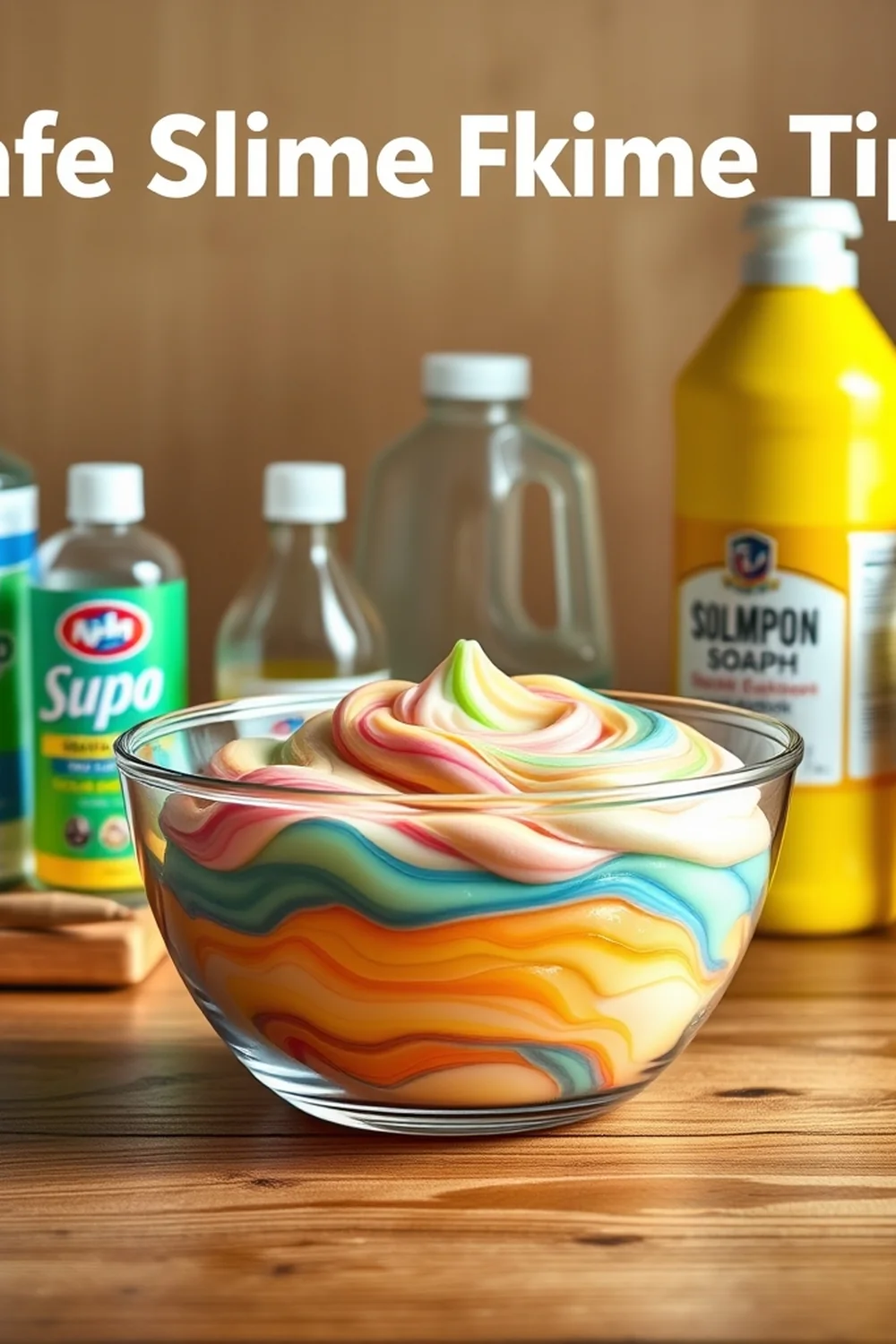
Always supervise children throughout the mixing process to ensure ingredients are handled correctly and kept away from sensitive areas like the eyes or mouth. While many household items seem harmless, mixing them requires careful attention to prevent accidents or irritation.
Avoid using borax in your projects. According to the National Pesticide Information Center, borax is a substance that may result in eye irritation and potentially cause harm if it is ingested. Because slime is classified as a non-Newtonian compound, children may be tempted to handle it frequently, making safety precautions essential.
Be mindful of potential allergens when selecting materials for your slime recipes using cornstarch or other common pantry items. Many household products, such as scented shampoos, laundry detergents, or soaps, contain fragrances, preservatives, and surfactants that can trigger skin reactions or contact dermatitis in some individuals. If you or your child have sensitive skin, perform a small patch test before full-scale mixing to identify any adverse reactions to specific brands.
- Check product labels for known allergens like fragrances or harsh chemical additives.
- Ensure children wash their hands thoroughly after playing with any homemade compounds.
- Keep all mixing bowls and utensils used for crafts separate from kitchenware used for food preparation.
- Store finished projects in airtight containers to prevent mold growth or accidental ingestion by pets.
If you find that your mixture is too runny, you can typically firm up the consistency by adding a pinch of baking soda. This is a standard method used in various creative projects. As a common practice, some also use a combination of 1/2 teaspoon of baking soda and 3 tablespoons of multi-purpose contact lens solution to create an activator. Always introduce new ingredients slowly to maintain control over the final texture and ensure the process remains a controlled, enjoyable activity for everyone involved.
15 Slime Recipes to Try

Creating homemade slime without traditional activators allows you to explore the science of non-Newtonian compounds using everyday household items. Unlike traditional mixtures that rely on polyvinyl acetate glue and borax, these methods use the physical properties of common substances like cornstarch, shampoo, and soap to achieve similar tactile results. Because borax can cause eye irritation and may present health risks if ingested, many parents look for these household alternatives to ensure a safer craft experience.
Understanding the Science and Safety
Slime is classified as a non-Newtonian compound, meaning its viscosity changes depending on the stress or force applied to it. While borax based activators are common, they pose specific health risks. If you prefer using a more traditional activator, a common guidance is to mix 1/2 teaspoon of baking soda with 3 tablespoons of multi-purpose contact lens solution. However, for those seeking to avoid these ingredients entirely, the following recipes rely on creating a structural matrix through thickeners like cornstarch or guar gum.
| Base Ingredient | Texture Result | Best Use |
|---|---|---|
| Thick Shampoo | Gel-like and stretchy | Short term play |
| Cornstarch | Dough-like and moldable | Sensory molding |
| Hair Gel | Clear and firm | Detailed shapes |
Common Recipes and Adjustments
When experimenting with these mixtures, the ratio of liquid to powder is essential. Start with small amounts and adjust gradually. If your mixture is too runny, remember that adding a pinch of baking soda can firm up slime that is too liquid. Keep in mind that these recipes do not last as long as polymer based slimes. Store your creations in an airtight container to prevent drying, and always monitor children during play to avoid contact with sensitive areas like eyes.
Here are 15 simple ways to experiment:
- Thick shampoo mixed with cornstarch for a dough consistency.
- Dish soap blended with cornstarch for a pliable, stretchy feel.
- Body wash combined with a pinch of salt for a thick, gel-like texture.
- Hair gel mixed with a tiny amount of baking soda for a clear shape.
- Liquid hand soap mixed with cornstarch and a drop of oil for fluffiness.
- Cornstarch combined with water and food coloring for a basic non-Newtonian fluid.
- Shampoo mixed with a small amount of cornstarch and glitter.
- Conditioner blended with cornstarch for a soft, silky texture.
- Toothpaste mixed with a small amount of cornstarch.
- Shampoo combined with a dash of baking soda.
- Liquid soap mixed with a thick hair gel.
- Cornstarch combined with a small amount of lotion.
- Shampoo mixed with a pinch of cornstarch and baby powder.
- Dish soap combined with a small amount of guar gum.
- Cornstarch mixed with water and a drop of vegetable oil.
Troubleshooting Your Slime
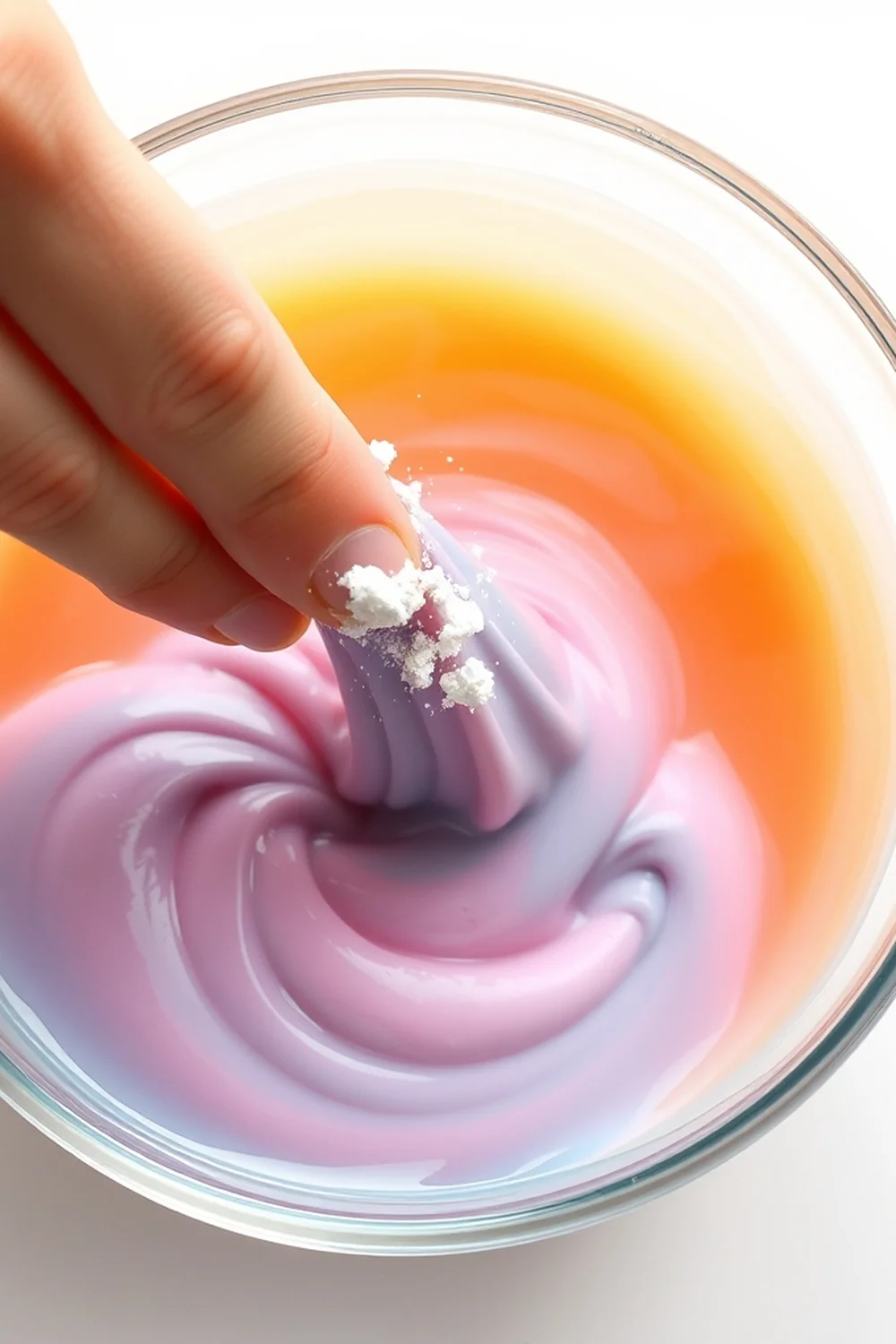
Working with slime requires patience, as the material is classified as a non-Newtonian compound. This means its viscosity changes based on applied stress or temperature. When your mixture does not behave as expected, understanding the chemistry behind the ingredients helps you correct the consistency without starting over.
Adjusting Consistency and Texture
If your creation feels too runny or liquid, it likely needs a stabilizing agent. Adding a pinch of baking soda is a reliable method to firm up loose mixtures, as this ingredient helps cross-link the polymers in your base to provide structure. Conversely, if your mixture becomes too stiff, you can often restore elasticity by kneading in a tiny amount of warm water or the specific thickening base used in your recipe. Avoid adding too much at once, as a little goes a long way in altering the final feel of the project.
Safety and Chemical Awareness
While exploring 15 Slime Recipes Without Activator to Try, it is vital to remain aware of ingredient safety. According to the National Pesticide Information Center, borax is a substance that can cause eye irritation and poses a risk of harm if it is ingested. If you choose to use common household contact lens solution as an activator, it is typical practice to combine 1/2 teaspoon of baking soda with 3 tablespoons of the solution to achieve the desired result. Always supervise children during the mixing process to ensure ingredients are handled correctly and never ingested.
Storage and Hygiene
Proper storage is essential to prevent your slime from drying out or losing its unique texture. Always store your finished creation in an airtight container, such as a plastic tub with a tight-fitting lid or a sealable bag. Keep the container in a cool, dark place away from direct sunlight to maintain the pliability of the mixture for as long as possible.
You must know when to discard your project to maintain safety. Throw away the material immediately if you notice visible mold growth, dark spots, or a significant, unpleasant change in odor. Furthermore, if the substance becomes crusty, separates into layers, or loses its ability to hold a shape, it has likely degraded beyond repair. If the material becomes contaminated with dust, hair, or debris, it is safer to dispose of it and start a fresh batch rather than attempting to clean it.
Ingredient Ratios and Tips
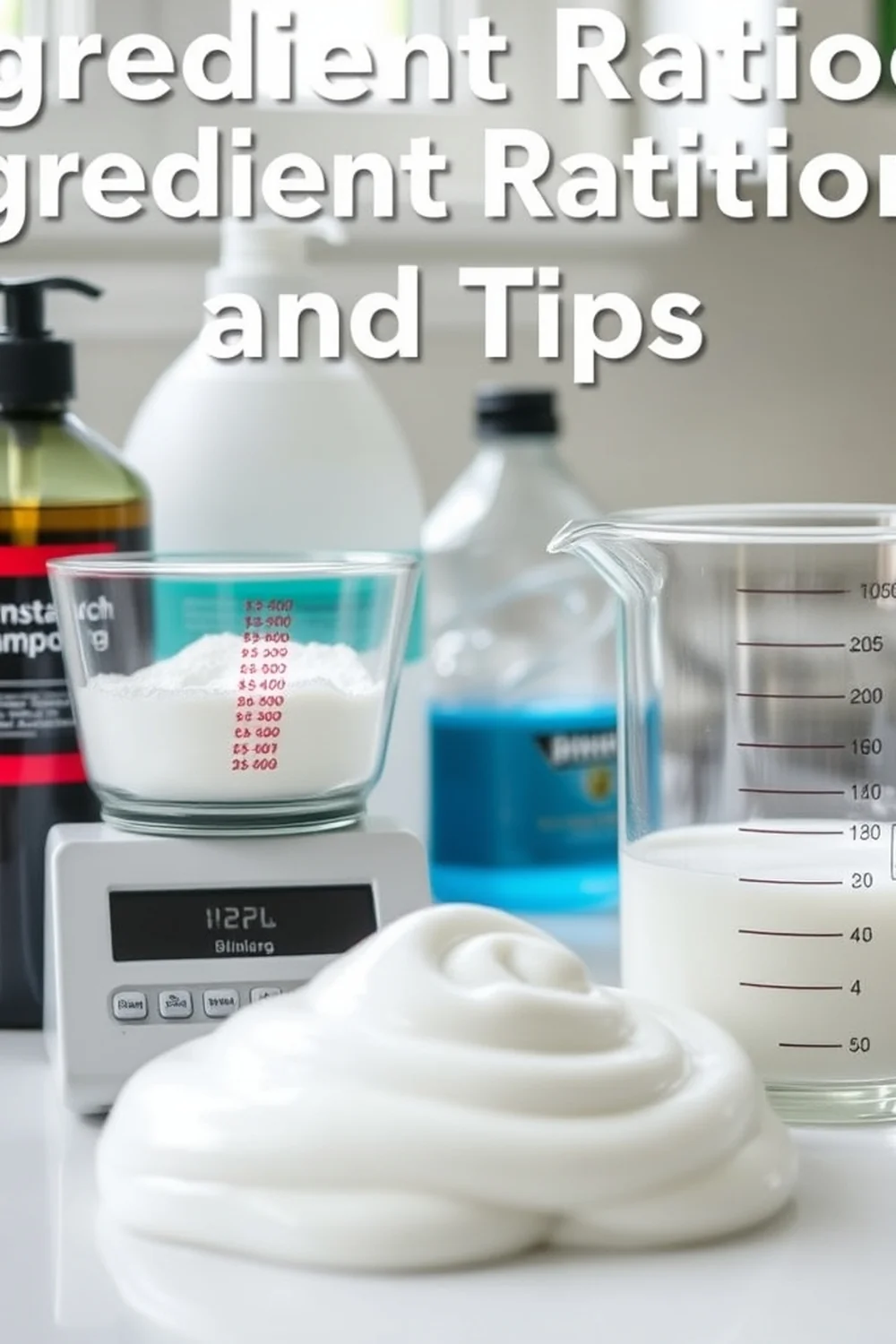
Achieving the right consistency requires understanding how different base ingredients respond to thickening agents. Because slime is classified as a non-Newtonian compound, it behaves like a liquid when poured but acts like a solid under pressure. Mastering this unique physical state often involves testing how various household supplies interact to create the desired viscosity.
| Ingredient | Common Attribute |
|---|---|
| White Glue | Opaque, creates a creamy or matte finish |
| Clear Glue | Transparent, often results in a glossier, firmer texture |
| Cornstarch | Provides a soft, dough-like feel |
| Shampoo | Adds scent and a thick, gel-like viscosity |
Understanding Base Components
The foundation of your mixture dictates the final texture. White glue contains polyvinyl acetate, which provides the necessary polymers for a stretchy, pliable result. In contrast, clear glue lacks these specific fillers, which often leads to a stiffer, more brittle substance that requires careful handling. When exploring how to make slime with shampoo, the thickening results depend heavily on the surfactants present in the specific brand, making it a variable ingredient that benefits from gradual addition.
Troubleshooting Consistency
If you are working with a glue-based mixture and choose to use a standard activator, a typical practice involves combining 1/2 teaspoon of baking soda with 3 tablespoons of multi-purpose contact lens solution. This specific ratio helps stabilize the chemical bonds. If your project remains too runny after mixing, adding a small pinch of baking soda can firm up the consistency. This adjustment should be done incrementally to avoid creating a crumbly texture.
Safety and Material Selection
Prioritizing safety is essential when selecting ingredients for homemade projects for children. While many household items are safe, it is important to understand that borax can cause irritation to the eyes and may be harmful if ingested. Because of these risks, many caregivers prefer easy slime without activator that utilizes alternative thickeners like cornstarch or guar gum. Always supervise children during the mixing process and ensure that any accidental contact with the eyes is treated with a thorough rinse of clean water.
Common Crafting Mistakes
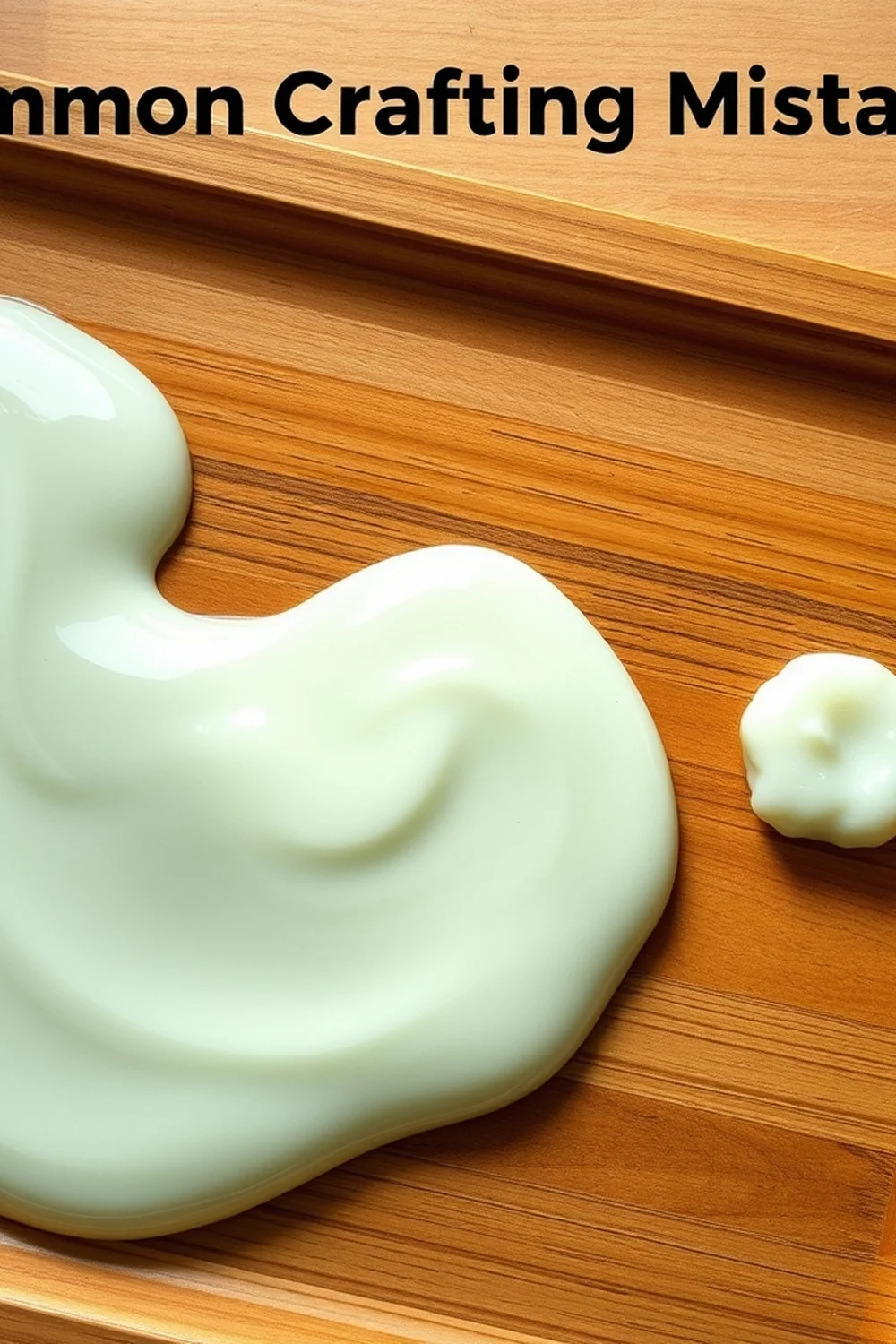
Most issues when attempting to make slime at home result from rushing the mixing process or failing to manage ingredient ratios correctly. Because slime is classified as a non-Newtonian compound, its physical structure is highly sensitive to how its components interact with one another during the initial formation phase.
Avoiding these typical errors will help you achieve the intended texture more consistently across different batches:
- Pouring liquids too quickly into your base ingredient often prevents the necessary molecular bonds from forming, resulting in a clumpy or overly watery mess.
- Failing to mix your ingredients slowly and steadily can trap excess air bubbles or leave dry patches of starch or powder that disrupt the final texture.
- Exposing your mixture to high temperatures or humid environments can cause the substance to lose its structural integrity and become sticky or runny.
- Adding too much liquid at once makes it difficult to recover the desired consistency, whereas starting with smaller amounts allows for better control.
- Neglecting to let the mixture rest after combining ingredients often prevents the components from fully hydrating and stabilizing.
- Adding a pinch of baking soda can firm up slime that is too runny, providing a simple way to adjust the texture if your initial measurements were slightly off.
Environmental factors play a significant role in how well these mixtures hold their shape. High humidity can introduce extra moisture into the materials, which may cause your project to feel tacky or lose its form prematurely. Similarly, working in a room that is too warm can thin out the ingredients, making it harder to reach the ideal non-Newtonian consistency. Always aim to work in a cool, dry area to give your experiment the best chance of success.
Where to Buy Ingredients

You can purchase the necessary supplies for these projects at most local grocery stores, pharmacies, and craft supply shops. Common items like cornstarch, shampoo, and dish soap are typically found in the cleaning or personal care aisles of standard supermarkets.
Before you begin, carefully check the ingredient labels on all products to ensure you or your children do not have specific chemical sensitivities to the fragrances, dyes, or surfactants involved. Many household products contain additives that could cause skin irritation in sensitive individuals.
If you notice any redness, itching, or discomfort on your skin while handling these mixtures, stop playing with the material immediately and wash your hands thoroughly with mild soap and water. It is always wise to monitor younger children during these activities to ensure they do not ingest the materials or rub their eyes after contact.
Remember that while these versions avoid traditional chemical activators, they are still intended for play and not for consumption. Keep these safety considerations in mind whenever you experiment with new recipes:
- Always check product packaging for potential allergens.
- Discontinue use if any sign of skin irritation develops.
- Follow your local municipal guidelines for the proper disposal of non-biodegradable components.
- Avoid washing slime down the sink, as it can cause plumbing blockages.
Because many of these materials are classified as a non-Newtonian compound, they may behave differently than standard liquids. Dispose of hardened or unusable material in your regular trash bin rather than pouring it into the environment or down household drains. Checking with your local waste management facility can provide clarity on how to handle specific non-biodegradable additives found in your chosen supplies.
FAQ
What can make slime without activator?
You can create slime textures using common household thickeners like cornstarch, shampoo, or guar gum. These ingredients rely on their natural physical properties to transform liquids into a non-Newtonian compound rather than relying on chemical cross-linking agents.
How to make 2 ingredient slime?
A simple version of 2 ingredient slime involves mixing a thick shampoo with cornstarch until it reaches your desired consistency. While this method creates a dough-like texture, it is a popular and accessible way to experiment with creating simple projects at home.
How to make 3 ingredient fluffy slime?
You can make a basic version of fluffy slime by combining shaving cream, school glue, and a small amount of baking soda. Adding a pinch of baking soda can firm up slime that is too runny, which helps achieve the stable, airy texture characteristic of fluffy slime recipes.
Is borax safe to use in slime?
According to the National Pesticide Information Center, borax can cause irritation to the eyes and presents potential health risks if it is swallowed. Because of these safety concerns, many parents prefer to explore 15 slime recipes without activator to try that avoid boron-based products entirely.
Why does my slime become runny over time?
Slime is classified as a non-Newtonian compound, meaning its viscosity changes based on the stress applied to it or environmental factors like temperature and humidity. If your mixture feels too loose, you can often save it by incorporating a tiny bit more of your primary thickening agent, such as cornstarch or baking soda.
Conclusion
Choosing the right method depends on the materials you have available and your preferred slime texture. Since slime is classified as a non-Newtonian compound, experimenting with different household binders will yield unique results for your project. You can now explore these 15 Slime Recipes Without Activator to Try to find the one that best suits your needs. Start by gathering your chosen ingredients and testing a small batch to ensure you achieve the desired consistency before moving on to larger creations.
You might also like: 17 Creative Mirror Frame Upcycle Ideas