
18 Crochet Home Decor Projects for Beautiful Cozy Homes
Introduction
Your home can feel warmer, softer, and more personal without a complete makeover. Sometimes, a single handmade detail is all it takes.
These 18 crochet home decor projects are filled with simple ways to bring texture, comfort, and personality into everyday spaces. From cozy throws and cushion covers to baskets, wall accents, plant hangers, and practical kitchen details, each idea can help transform an ordinary room into a more inviting retreat. They are especially useful when you want handmade character without overwhelming your existing decor. I’ve noticed that the most successful cozy spaces usually combine practical pieces with a few tactile accents, creating rooms that look beautiful but still feel comfortable enough for real life.
Textured Sofa Throw
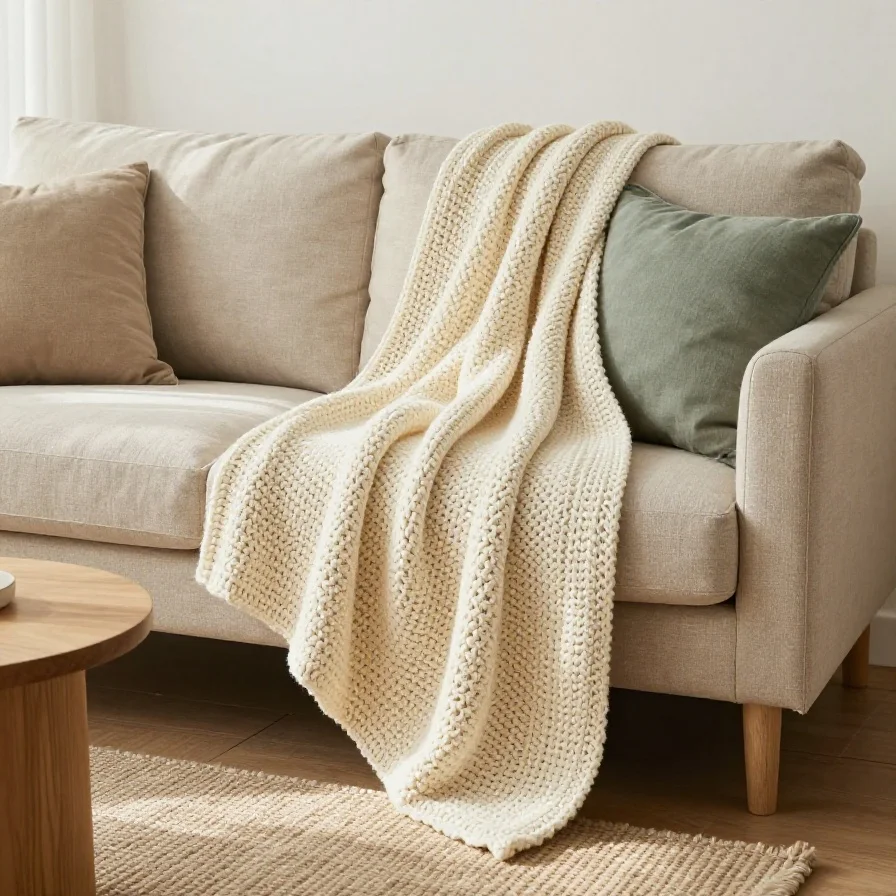
A cozy sofa can change the whole feeling of a room, and a textured throw is one of the easiest ways to make it feel finished. Drape a chunky crocheted blanket loosely over one arm or across the back cushion, then layer pillows in nearby tones. The handmade texture adds softness without making the space look overly decorated. I’ve noticed this works especially well in neutral rooms because raised stitches create visual depth where color is quiet. It also gives the sofa a practical purpose: an inviting layer ready for chilly evenings, reading, or relaxed weekend lounging.
The best part is how easily this layer adapts when your room changes. Choose warm cream, oatmeal, taupe, or muted sage for a calm palette, or use a deeper shade when the sofa needs a stronger focal point. Keep the throw slightly rumpled rather than perfectly folded so the arrangement feels lived-in instead of staged. A washable cotton or cotton-blend yarn is especially useful for busy homes because it can handle regular use. For a polished look, repeat one color from the throw in a nearby cushion, rug detail, or small accessory so the entire seating area feels intentionally connected.
Layered Cushion Covers
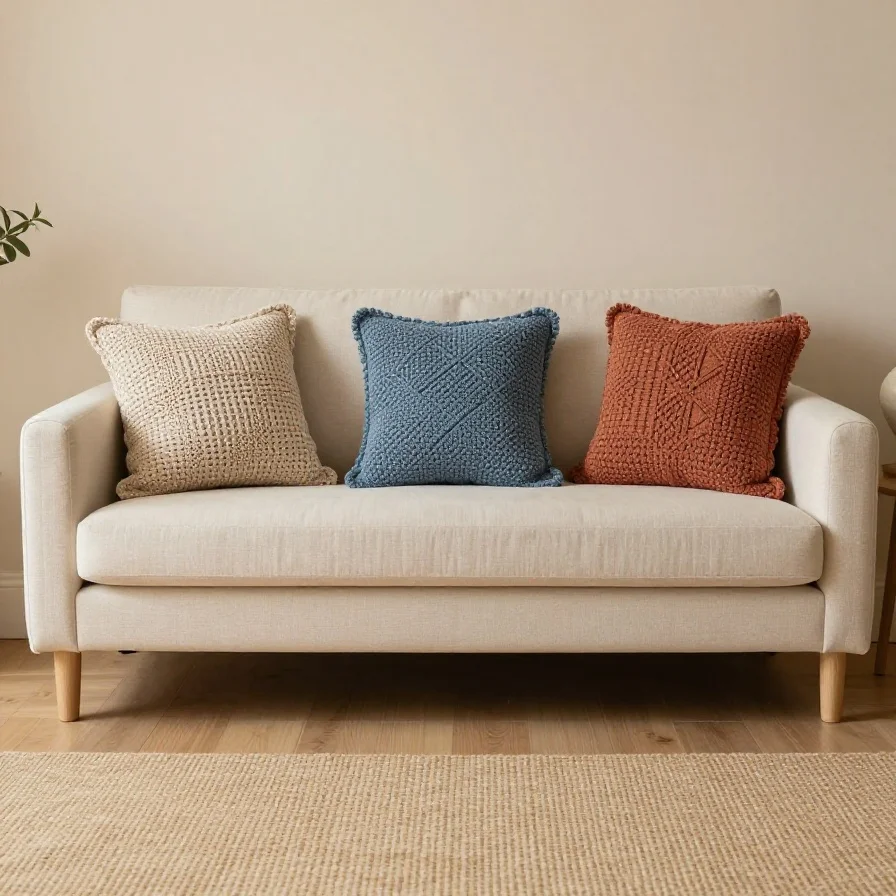
A few handmade cushion covers can instantly make a plain sofa feel more collected and personal. Mix two or three stitch patterns, but keep the colors within the same family so the arrangement stays balanced. A square cover works beautifully beside a textured round or lumbar cushion, creating contrast without visual clutter. In my experience, the secret is not filling every inch of the sofa; leaving breathing room makes each handmade piece easier to notice. The result feels warm and thoughtfully styled, while removable covers keep the look practical when seasons, trends, or everyday messes call for a quick refresh.
Small details make this idea surprisingly versatile. Try a soft ribbed stitch for one cover, an open lace pattern for another, and a raised geometric motif for a third. Place the most detailed design slightly off-center rather than creating a perfectly symmetrical row. This gives the seating area a relaxed designer feel. Choose sturdy yarn with a comfortable hand, especially if the cushions will be used daily. Hidden buttons, envelope backs, or simple zipper closures can make covers easier to remove and wash. That combination of texture, flexibility, and function makes the arrangement feel beautiful without becoming precious.
Cozy Basket Storage
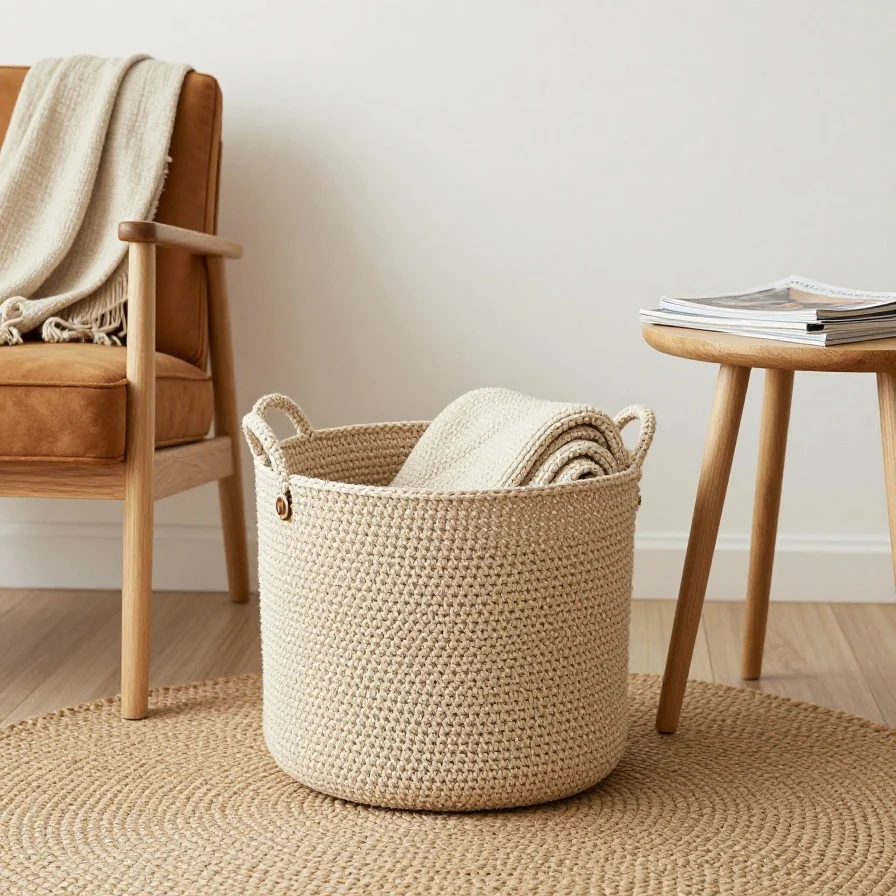
Storage can look decorative when the container itself becomes part of the room. A crocheted basket beside a sofa, reading chair, or console gives blankets, magazines, toys, or craft supplies a soft home while adding handmade texture. Choose a firm yarn and a tight stitch so the basket holds its shape instead of collapsing after a few uses. I’ve seen this approach work particularly well in small rooms because it turns necessary storage into a visible design feature. The basket can also soften hard furniture edges, making the overall space feel less rigid and more welcoming.
For a cohesive arrangement, match the basket to one or two existing tones rather than trying to coordinate with everything. Natural beige looks beautiful against wood, while charcoal, olive, dusty blue, or terracotta can add a subtle accent to an otherwise neutral room. Place larger baskets on the floor and smaller ones on open shelving where their texture can be seen clearly. If the basket will carry heavy items, add a sturdy base and reinforce the handles. These small construction choices improve durability while keeping the finished piece attractive enough to leave in plain sight.
Woven Wall Hanging
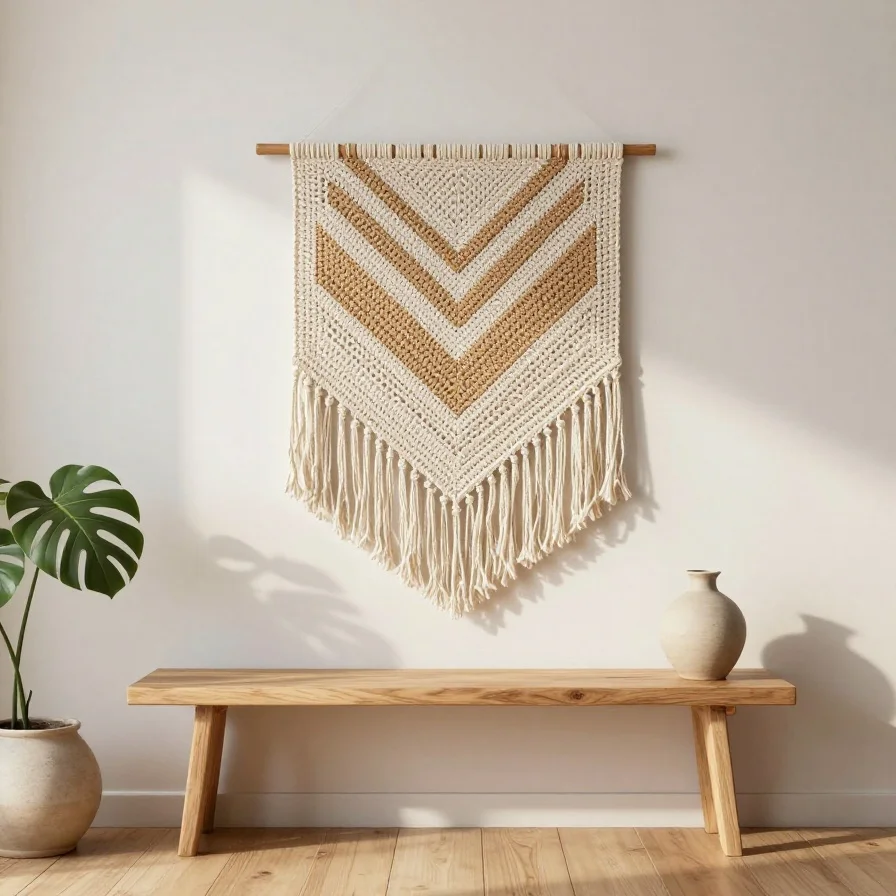
A small wall accent can completely change the character of an empty corner, and a crocheted hanging gives you that impact without taking up floor space. Choose a simple geometric pattern in cream, sand, or muted clay, then mount it on a natural wooden dowel. The combination of soft yarn and warm wood creates contrast against a painted wall. I’ve noticed that vertical textile pieces are especially useful in rooms with low visual interest because they draw the eye upward. They can also disguise a bare section of wall while adding the handcrafted quality that makes a home feel personal.
Keep the styling restrained so the textile remains the main feature. A narrow console, ceramic vase, or small trailing plant can sit beneath it without competing for attention. For a modern room, use clean geometric stitches and a limited palette; for a softer cottage look, choose fringe, scalloped edges, or openwork details. Hang the piece at a comfortable viewing height, with enough surrounding wall space to frame it. Cotton yarn is a practical choice because it holds stitch definition well and is available in many shades. The finished display feels intentional, warm, and easy to update when your decor changes.
Textured Table Mat
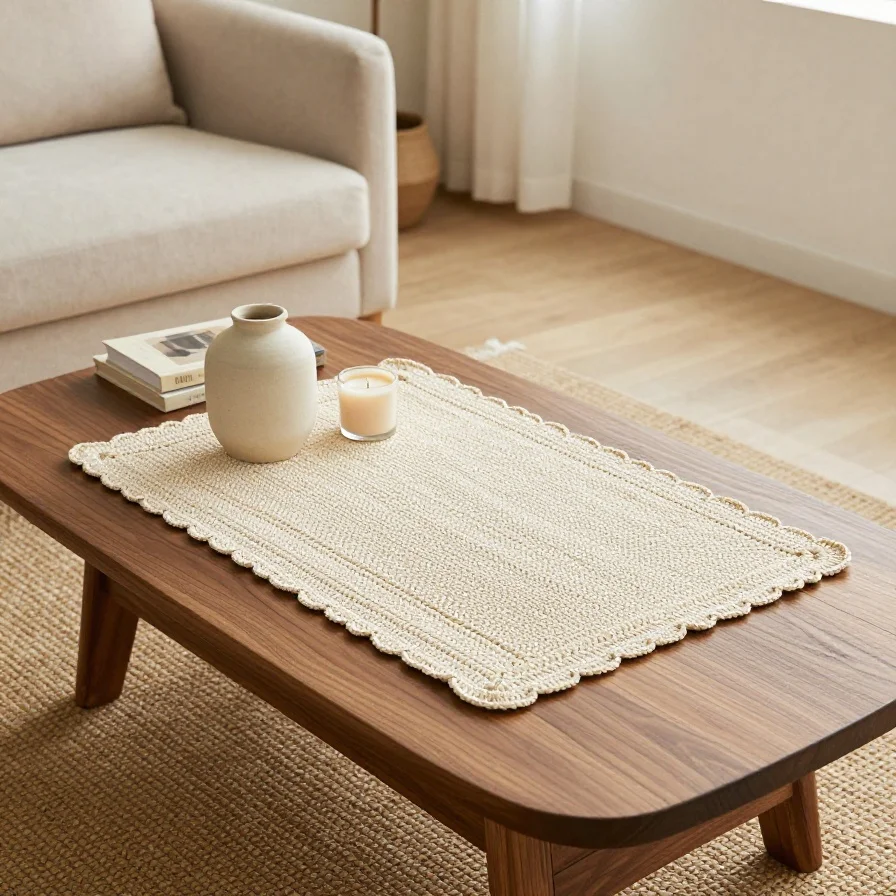
A handmade mat does more than protect a surface; it creates a visual landing zone for the objects you use every day. Place a crocheted runner beneath a coffee table centerpiece, on a dresser, or across an entry console to introduce texture without adding bulky accessories. In my experience, a simple round or rectangular shape works best when the furniture already has strong lines. Choose a stitch with enough structure to lie flat, then keep the color close to the surrounding palette. This creates a subtle layered effect that feels polished rather than overly crafty.
The placement matters just as much as the crochet pattern. On a dark wood table, a warm cream mat can brighten the surface, while a muted rust or olive design can add depth to pale furniture. Leave a border of visible tabletop around the mat so the piece looks framed rather than oversized. Keep decorative objects grouped near the center, such as a vase, candleholder, or small tray, while allowing some texture to remain visible. A washable cotton yarn makes maintenance easier, especially on dining or entry surfaces where dust and everyday spills are more likely.
Bedside Textile Accents
A cozy bedroom often needs only one or two tactile details to feel more inviting, and a crocheted bedside accent can provide both beauty and function. Cover a small lampshade base, place a textured runner across the nightstand, or add a handmade basket for books and accessories. Soft ivory, blush, warm beige, or dusty blue can complement bedding without creating visual noise. I’ve found that repeating one textile texture in another part of the room helps the space feel coordinated. The handmade element becomes a quiet focal point rather than another item competing with the bed.
Keep the bedside arrangement practical by leaving enough clear surface for a lamp, phone, book, or glass of water. A narrow crocheted mat can define the usable area while protecting the tabletop from small scratches and everyday marks. If you make a lampshade cover, choose an appropriate heat-safe setup and never let yarn touch a hot bulb or heat source. For a softer effect, use open stitches around a cool LED light source. Pair the finished accent with natural wood, linen bedding, and a small ceramic object for a calm layered look that feels comfortable every night.
Crochet Plant Hangers
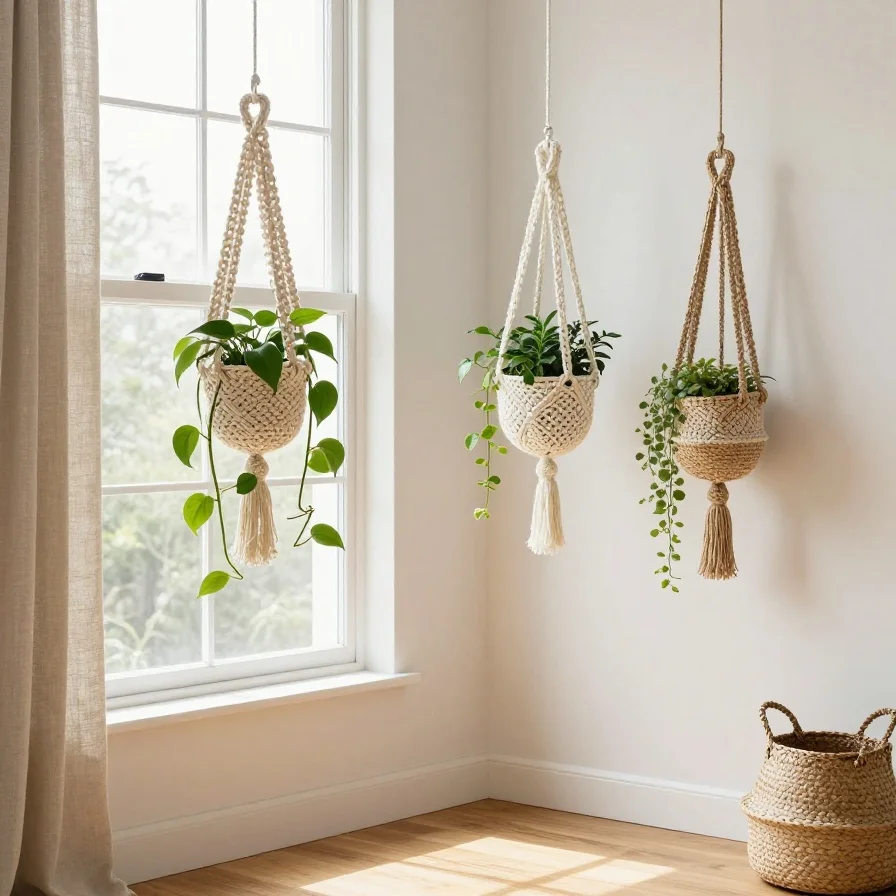
A hanging planter can bring greenery into a room while freeing valuable space on shelves, tables, and floors. Crochet holders add a softer alternative to metal or plastic plant supports, especially when paired with natural wood and woven accessories. Try cream, oatmeal, or muted green yarn for a calm look, then vary the hanging lengths to create an organic arrangement. I’ve noticed that trailing plants look particularly effective because their leaves soften the vertical lines of the hanging cords. The combination creates height, texture, and movement without requiring a large decorative footprint.
Safety and construction matter when a textile holder will support a real plant. Use strong yarn, secure knots, and hardware appropriate for the ceiling or wall surface. Keep the pot lightweight and check the holder regularly for stretching or wear. For a simpler setup, choose a small nursery pot inside a lightweight decorative container rather than a heavy ceramic planter. Place the finished arrangement near suitable natural light, while keeping leaves away from hot radiators or obstructed walkways. With thoughtful positioning, a crochet plant hanger becomes both a practical space-saving solution and a beautiful botanical accent.
Soft Floor Pouf
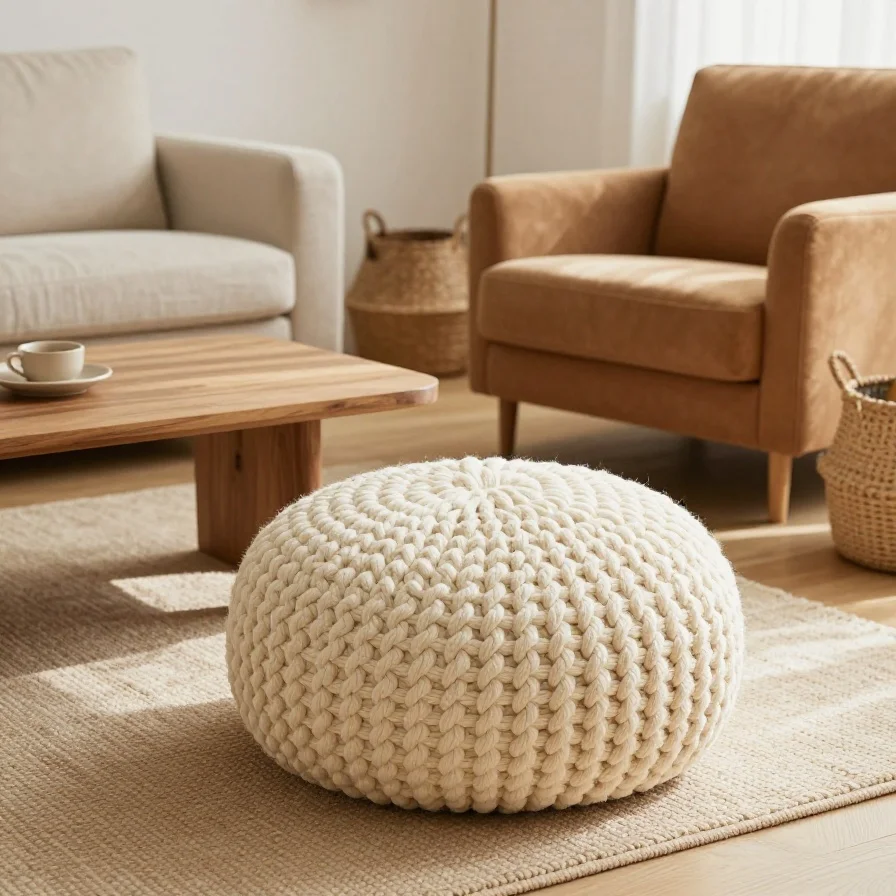
A floor pouf brings softness and flexibility to spaces that need occasional seating without another permanent chair. A chunky crocheted cover gives the piece a tactile surface that looks especially inviting beside a sofa or low coffee table. Choose a round or softly squared shape and keep the color connected to your existing rug, cushions, or curtains. In my experience, neutral poufs are the easiest to style because they can move between rooms without looking out of place. They work as casual seating, a footrest, or even a temporary surface for a tray when guests arrive.
The filling makes a noticeable difference to everyday usability. A firm insert helps the pouf maintain its shape, while a softer filling creates a relaxed, sink-in effect. If the piece will receive frequent use, consider a removable crocheted cover so cleaning is simpler. Keep the finished pouf slightly smaller than the surrounding furniture to preserve clear walking space. One large textured piece often looks better than several small ones scattered around the room. Pair it with a low table, woven rug, and soft upholstery for an inviting seating area that feels comfortable rather than crowded.
Decorative Crochet Vases
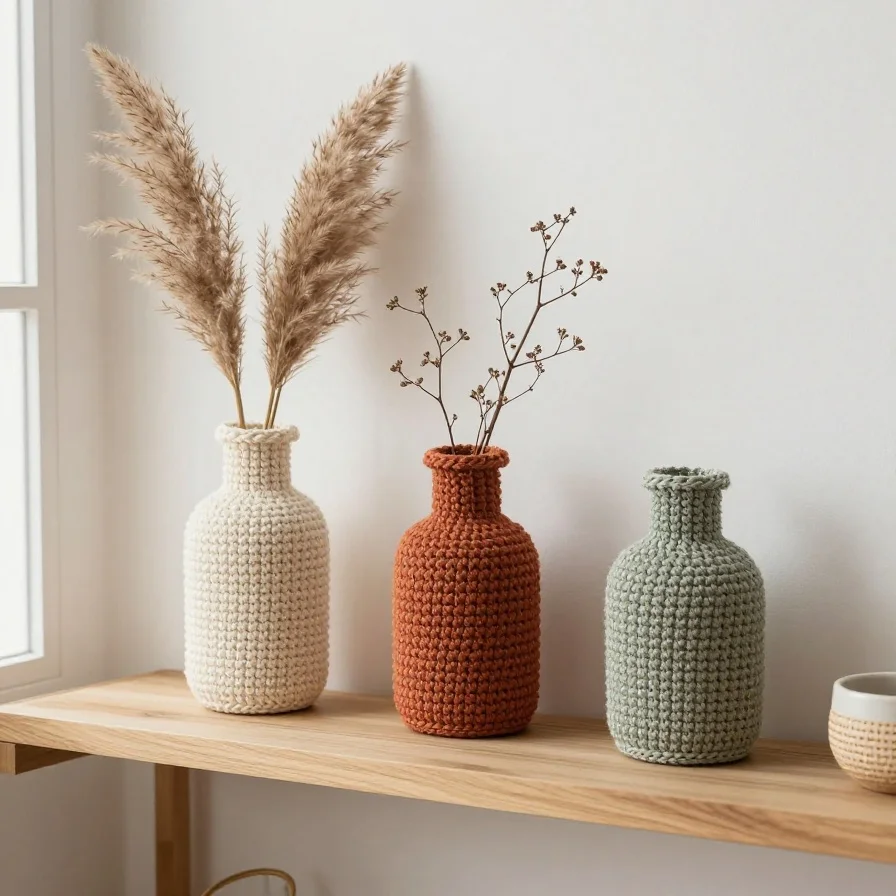
Ordinary glass or ceramic containers can take on an entirely different character with a crocheted outer cover. Use a snug sleeve around a simple vase, bottle, or small container, then add dried stems, eucalyptus, or delicate branches. The textile introduces warmth while the flowers provide height and natural movement. I’ve seen this work particularly well on open shelving because the crochet texture breaks up hard ceramic and glass surfaces. Keep the shapes simple and let the yarn pattern do most of the decorating. This creates a handmade display that feels intentional without needing a large collection of accessories.
Removable covers also make this idea easy to update throughout the year. Choose soft cream and beige for an understated display, or introduce terracotta, mustard, sage, or dusty blue when you want more personality. Use a close-fitting design so the cover stays neat around the vessel, and make sure the container remains stable on the surface. Pair several sizes together, but vary their heights rather than lining them up evenly. A few dried stems can complete the arrangement without overwhelming the texture. The result is a small decorative detail that adds warmth to shelves, consoles, and bedside tables.
Cozy Mug Rugs
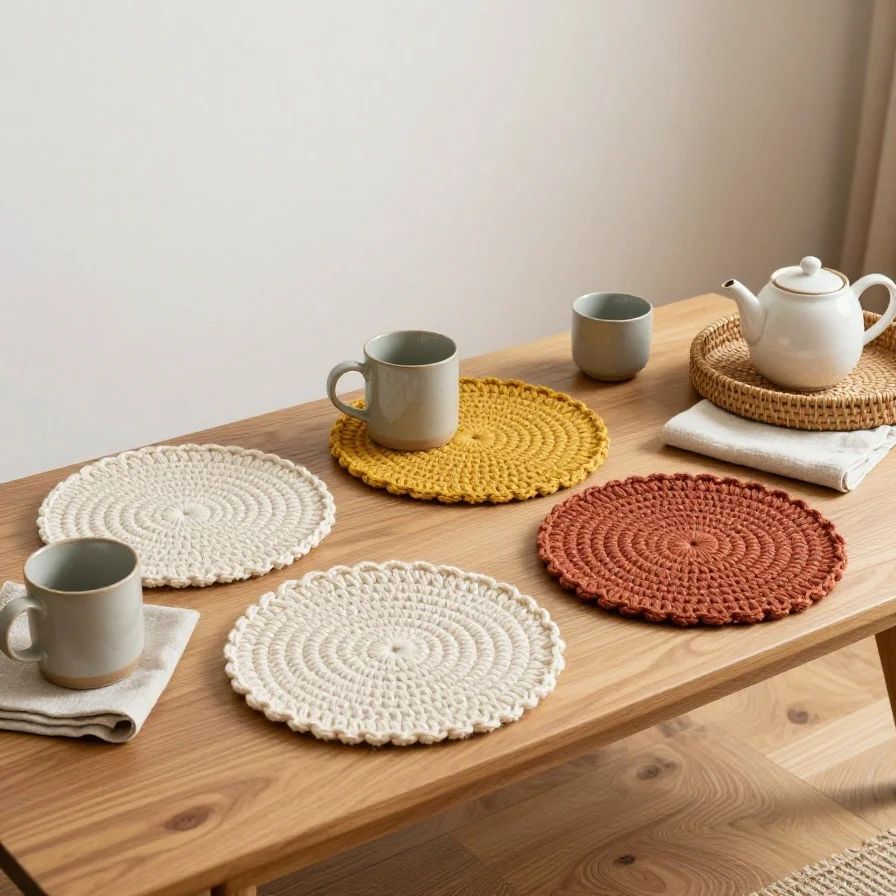
A small mug rug can make an everyday coffee or tea moment feel much more considered. These compact crocheted pieces protect tables from warmth and moisture while adding a handmade layer beneath your favorite cup. Choose cotton yarn because it is durable, washable, and comfortable to handle. I’ve noticed that sets look especially appealing when each piece uses a slightly different color within the same palette. Cream, sage, mustard, and terracotta work beautifully together without becoming overwhelming. Keep the shapes simple so the stitch texture remains visible and the finished pieces are easy to use every day.
You can also turn mug rugs into a subtle styling feature by arranging several in a small tray beside a kettle or coffee maker. Round designs create a softer contrast against rectangular furniture, while square or hexagonal shapes feel more structured. Add a scalloped edge when you want a delicate decorative finish, or use a dense stitch for a clean modern appearance. Because these pieces are small, they are also an approachable way to experiment with new colors or patterns. A coordinated set can refresh a coffee station, breakfast nook, desk, or bedside table with very little effort.
Crochet Lampshade Cover
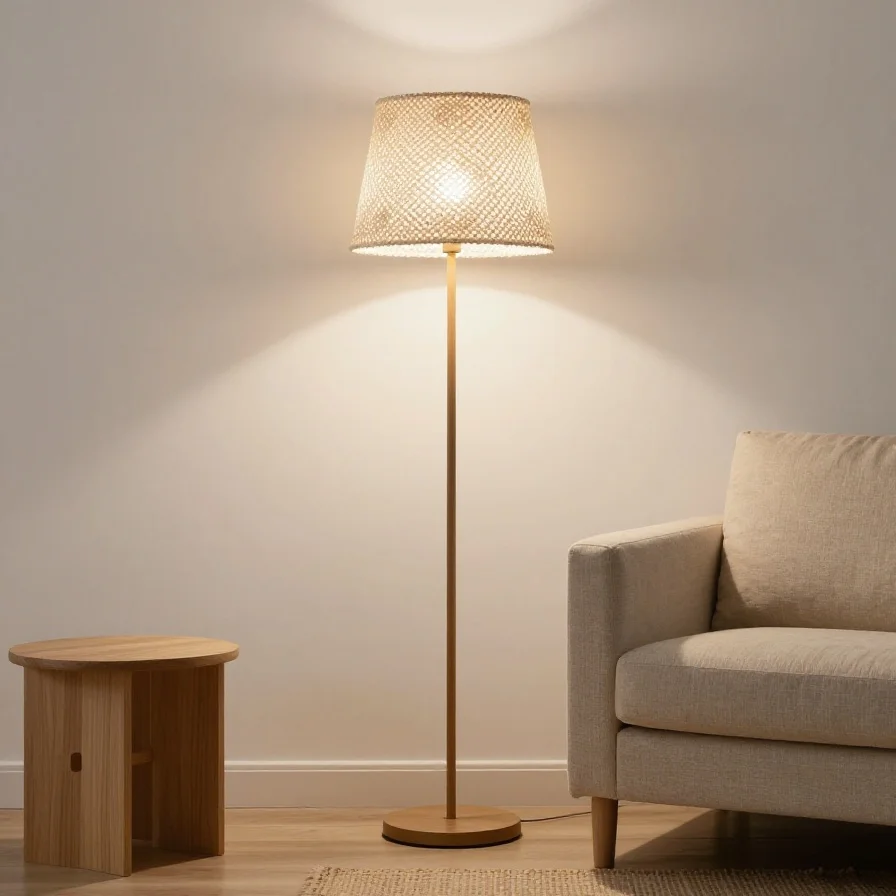
A textured lampshade can become an understated focal point in a reading nook, bedroom, or living room. A removable crocheted cover adds pattern and tactile interest to an otherwise plain shade, especially when the surrounding furniture uses linen, wood, or woven materials. Choose an open stitch pattern so the light remains useful rather than overly blocked. In my experience, cream and natural yarns create the most versatile result because they soften the glow without competing with the room’s existing colors. The texture becomes noticeable during the day while adding another layer of detail when the lamp is illuminated.
Safety should come before styling when combining yarn with lighting. Use only a suitable cool LED bulb, keep all textile materials away from hot surfaces, and make sure the cover does not interfere with ventilation or the fixture’s intended operation. A removable sleeve is useful because it can be taken off for cleaning or replaced with another color. Keep the surrounding area simple with one chair, a small table, and perhaps a woven basket. This prevents the textured lamp from becoming visually crowded and creates a comfortable corner designed for reading, relaxing, or quiet evening routines.
Entryway Wall Pockets
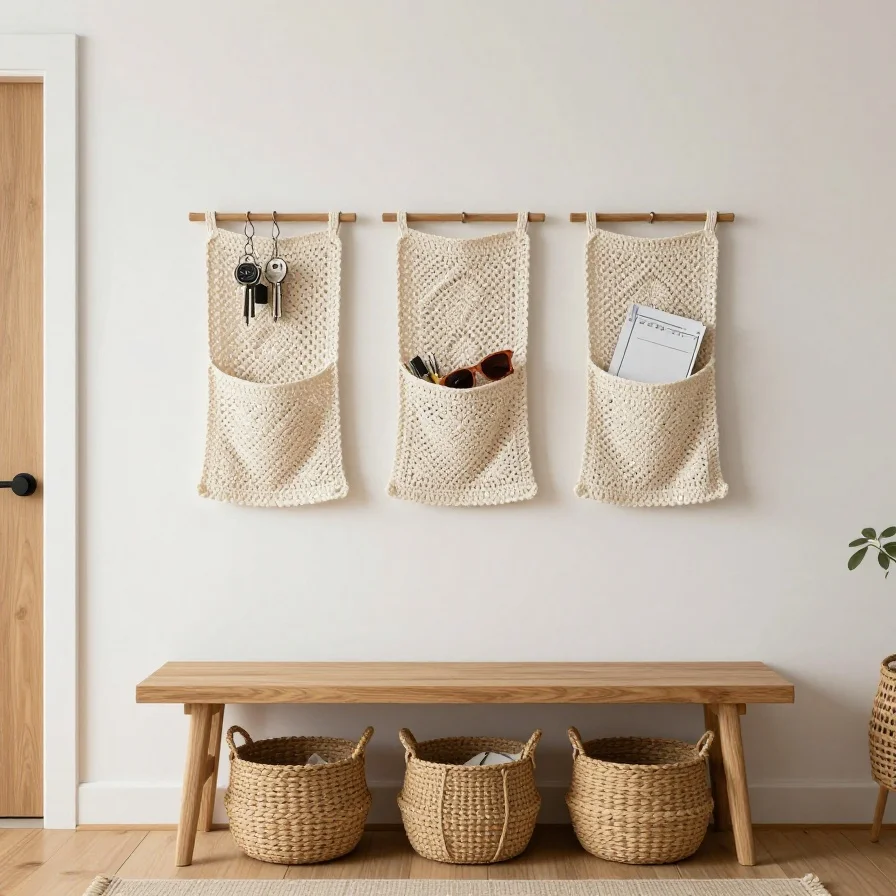
An entryway can become cluttered quickly because small essentials rarely have a dedicated place. Crocheted wall pockets solve that problem by turning unused vertical space into attractive storage for keys, sunglasses, mail, chargers, or other lightweight items. Mount several pockets near a bench or doorway so frequently used belongings stay within easy reach. I’ve found that matching neutral colors help this type of storage blend into the room instead of making the wall feel busy. The handmade texture also adds warmth to an area that often contains harder materials such as hooks, frames, flooring, and furniture.
For the best result, give each pocket a clear purpose and keep the contents lightweight. A wooden dowel can provide structure at the top, while secure wall hardware keeps the finished piece stable. Arrange multiple pockets vertically or in a loose grid depending on the available wall space. A small bench beneath them can provide seating, while a basket underneath handles shoes or larger accessories. The result is both decorative and functional: everyday items become easier to find, the entryway feels more organized, and the soft textile details create a welcoming first impression as soon as someone walks through the door.
Crochet Curtain Tiebacks
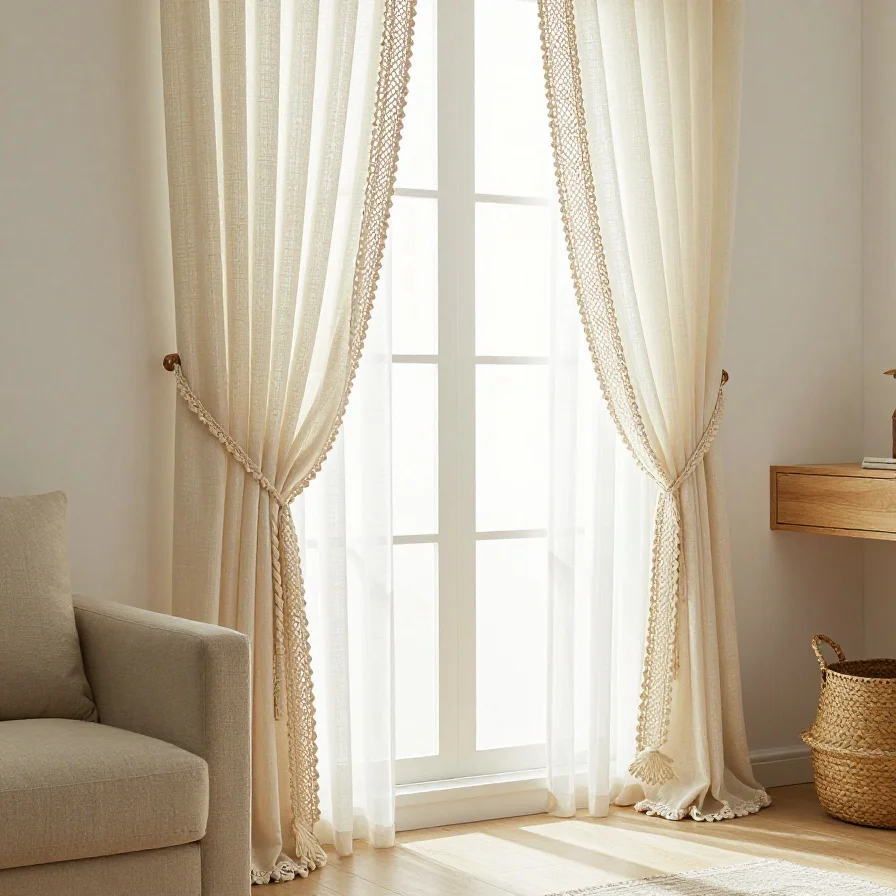
Window treatments often take up a large visual area, so even a small handmade detail can change the room’s overall character. Crocheted curtain tiebacks gather fabric neatly while adding softness around the window frame. Choose a simple cord, braided design, or delicate floral motif depending on your decorating style. I’ve noticed that neutral yarn works particularly well with linen and sheer curtains because the texture remains visible without becoming distracting. This is also a budget-friendly update when you like your existing curtains but want them to feel more finished, layered, and connected to the rest of the room.
Think about proportion before choosing the design. A very thick tieback can overwhelm lightweight curtains, while a thin cord may disappear against heavier fabric. Match the yarn tone to nearby textiles, such as a cushion, throw, or rug, to create a subtle visual link. Position both tiebacks at a similar height so the window feels balanced, and use secure wall hooks where necessary. If you prefer seasonal decorating, make several interchangeable styles in different colors. That simple approach lets you refresh the window without buying new curtains, making the accent both attractive and practical.
Textured Bed Runner
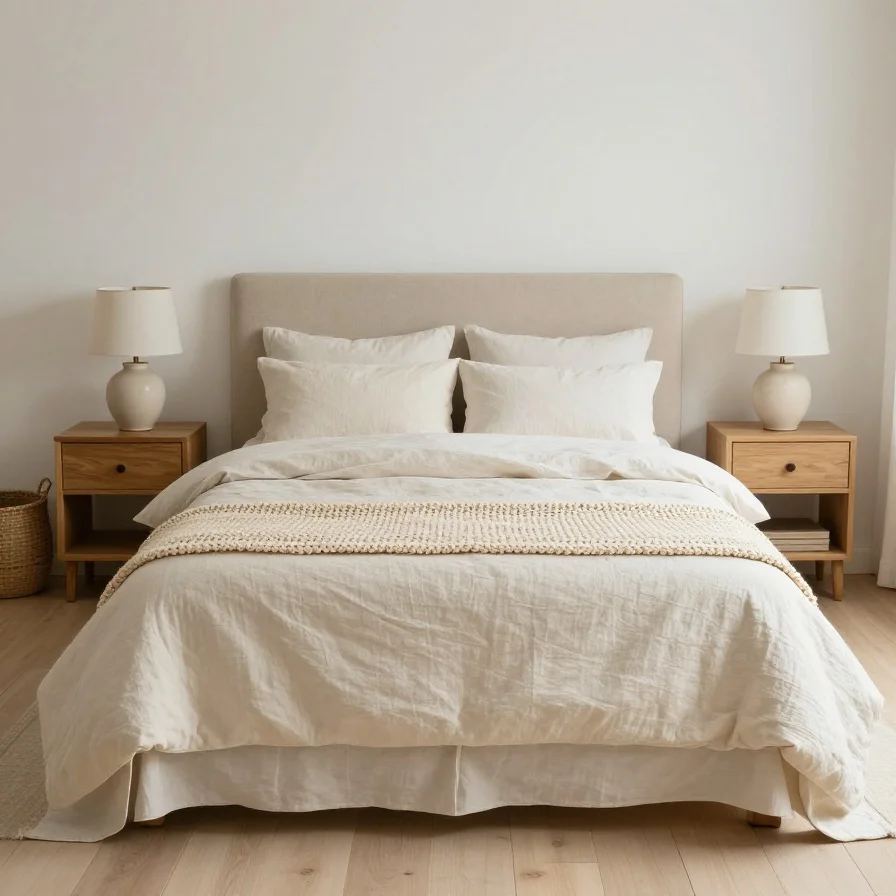
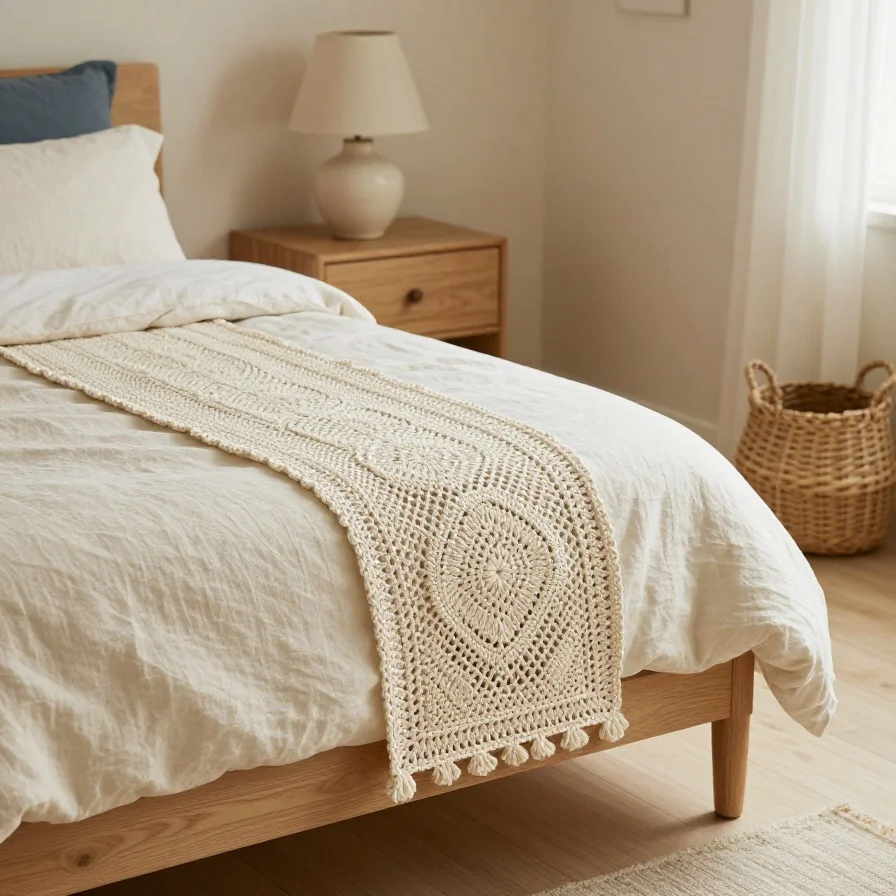
A crocheted bed runner can give a simple bedroom the layered appearance of a thoughtfully styled retreat. Instead of covering the entire bed, place the runner across the lower third so the handmade texture becomes a defined accent against smooth linen or cotton bedding. Warm cream, oatmeal, and soft taupe are especially easy to coordinate with neutral bedrooms. In my experience, a runner works best when the stitch pattern has enough texture to be visible from a distance. It creates contrast between the crisp bedding and softer handmade fibers while keeping the overall arrangement calm and uncluttered.
Proportion is important because the runner should enhance the bed rather than dominate it. Measure the mattress width before beginning, then decide how much overhang you prefer on each side. A rectangular design with a clean border can look polished, while subtle fringe adds a more relaxed character. Keep the pattern relatively simple if your bedding already has embroidery, stripes, or other details. Cotton or cotton-blend yarn can make the piece practical across seasons. When paired with matching pillows, natural wood, and soft lighting, the runner creates a comfortable focal point without requiring a complete bedroom makeover.
Crochet Ottoman Cover
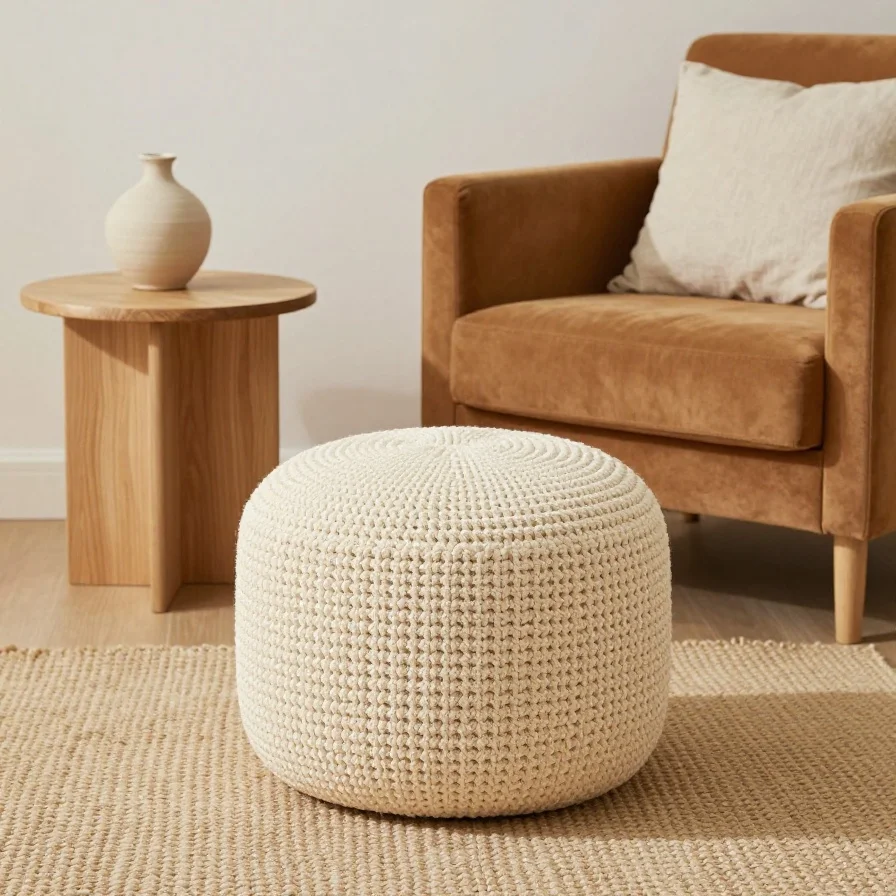
An outdated ottoman does not always need replacing. A fitted crocheted cover can give it a completely different appearance while preserving the useful structure underneath. Choose a dense stitch for areas that receive frequent contact, especially if the ottoman doubles as a footrest or casual seat. A rounded cover can soften angular furniture, while a rectangular design works naturally with boxier pieces. I’ve seen simple cream and oatmeal covers make older furniture feel surprisingly current because the handmade texture adds character without relying on a bold pattern or complicated color scheme.
Before starting, measure the ottoman carefully, including its height, width, and any rounded edges. A slightly fitted design will stay neater than a loose cover that shifts whenever someone sits down. If the furniture is used heavily, consider adding an elasticized or secured underside so the textile remains in place. Keep the surrounding decor restrained with one side table, a small cushion, or a woven basket. This lets the new texture stand out naturally. The finished ottoman can provide extra seating, a comfortable footrest, or a decorative accent while giving an existing piece a useful second life.
Kitchen Hanging Towels
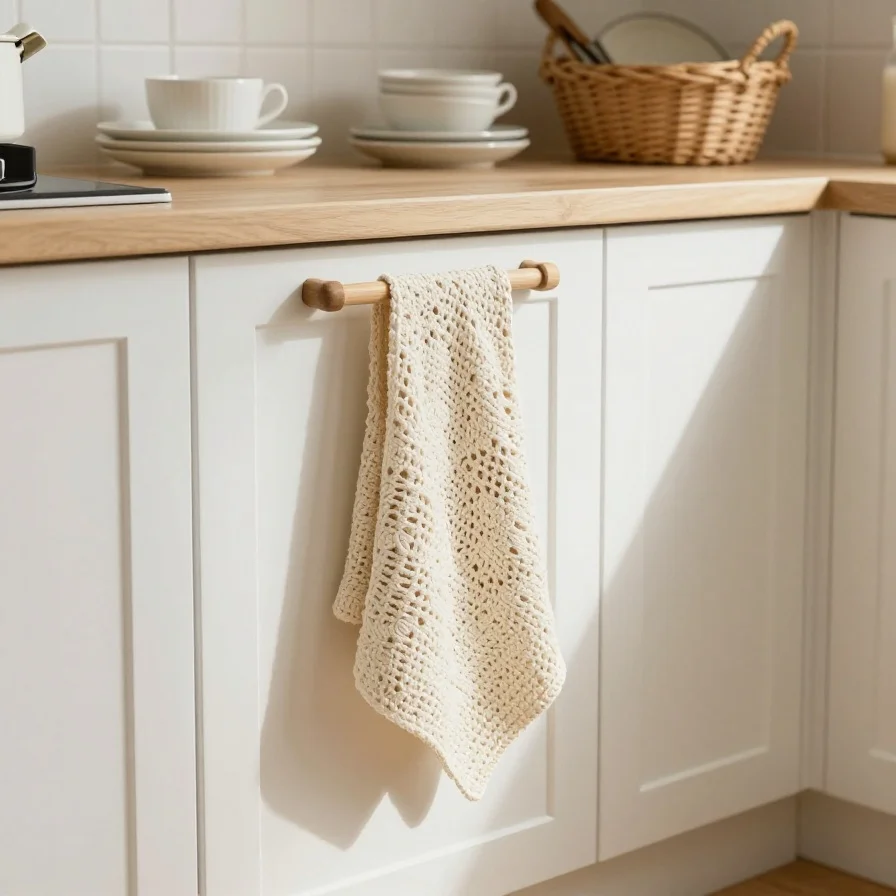
A handmade kitchen towel can add warmth to a space filled with hard surfaces such as cabinets, counters, tile, and appliances. Crochet a simple hanging towel or decorative topper in cotton yarn, then coordinate it with the room’s existing palette. Cream, sage, dusty blue, and warm beige work beautifully with natural wood and white cabinetry. I’ve noticed that small textile accents often make kitchens feel less clinical because they introduce softness without taking away the clean, functional character. Keep the pattern practical and easy to wash so the finished piece remains useful rather than purely decorative.
The best designs combine a little personality with everyday convenience. A striped border, textured band, or simple geometric motif can provide enough detail without making the towel look overly busy. Choose absorbent cotton and avoid excessively loose stitches if the towel will be handled frequently. Make several pieces so you always have a clean replacement available. Hang one near the oven, sink, or breakfast station where it can be reached easily. When paired with ceramic dishes, wooden utensils, and woven storage, a small crocheted towel can help create a cohesive kitchen palette while adding an approachable handmade touch.
Dining Chair Covers
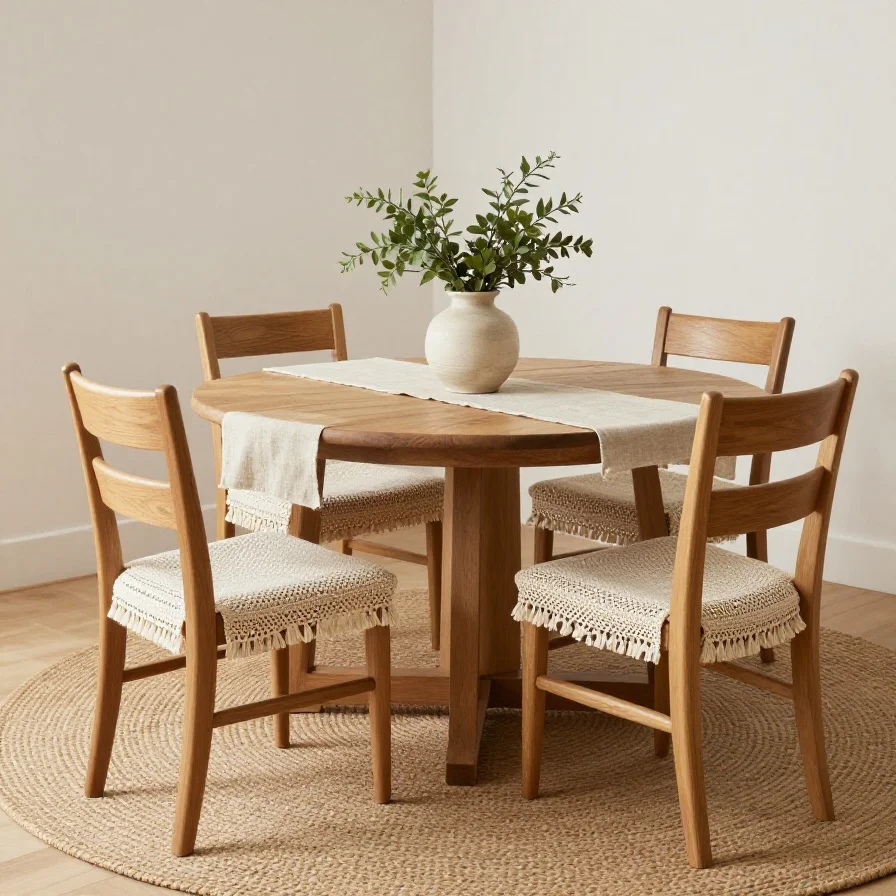
Dining chairs can feel visually hard when a room contains lots of wood, especially around a simple farmhouse or Scandinavian-style table. Crocheted seat covers introduce softness while giving older chairs an inexpensive decorative update. Use a fitted square, round, or cushion-style design depending on the chair shape, and select a durable yarn that can handle regular use. In my experience, covering only the end chairs can create enough visual interest without making the dining set feel overly coordinated. This approach also lets the original wood remain visible, preserving contrast between smooth surfaces and handmade texture.
For everyday dining, practicality should guide the design. Add ties, loops, or a secure fitted edge so the cover stays in place as people sit and move around. Choose washable yarn whenever possible, particularly for family dining areas where spills are inevitable. Neutral shades create a subtle effect, while two coordinated colors can add a gentle pattern around the table. Keep the centerpiece simple so the chairs remain part of the overall composition rather than becoming the main attraction. A wooden table, ceramic centerpiece, linen runner, and soft textile seating can create a welcoming dining area that feels relaxed but thoughtfully finished.
Crochet Shelf Liners
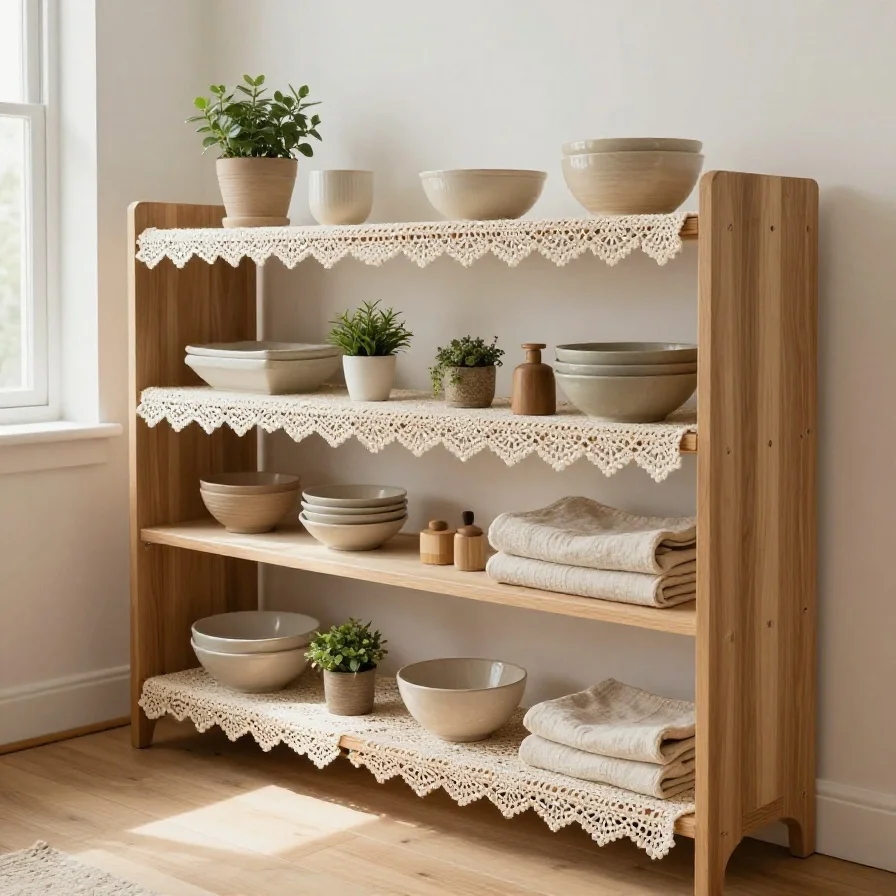
Open shelves become more visually interesting when a delicate textile layer sits beneath the objects displayed on them. A crocheted shelf liner can soften the transition between wood and ceramics while adding a subtle handmade pattern. Choose a relatively flat lace or openwork design so dishes, books, and accessories remain stable. I’ve noticed that light-colored liners are particularly effective on dark or medium wood because they create a gentle visual separation. The effect is understated, but it can make ordinary shelving feel more curated without requiring additional decorative objects or complicated styling.
Keep the liner slightly smaller than the shelf itself so the edges remain clean and the textile does not hang awkwardly. A simple rectangular shape is easiest to position, while scalloped borders can add a delicate finishing detail. Avoid placing unstable or heavy objects directly on very open crochet patterns. For kitchen or bathroom shelves, choose washable fiber and clean the liner regularly to prevent dust buildup. Pair the textile with a few carefully selected ceramics, books, plants, or woven pieces. The result is a softer shelf display that feels layered, organized, and naturally connected to the room.
Conclusion
Creating a cozy home does not always require expensive furniture or a dramatic redesign. Small handmade touches can completely change how a room looks and feels. These crochet home decor projects offer simple ways to add softness, texture, warmth, and personality while keeping everyday spaces functional. Whether you start with a small mug rug, a storage basket, or a statement wall hanging, choose pieces that fit your lifestyle and existing palette. I’ve seen how small changes like these can completely transform a space. Save your favorite ideas on Pinterest, try one that inspires you, and share this article with another crochet-loving decorator.
Read More:15 Beginner Embroidery Patterns Easy and Beautiful Ideas