17 Hand Sewing Projects Beginners Can Start Without Machine
Introduction
Ready to make something beautiful with just a needle, thread, and a little creativity? These hand sewing projects for beginners you can start without a machine prove that you don’t need expensive equipment to create practical, stylish, and gift-worthy pieces. Whether you’re learning your very first stitch or looking for relaxing DIY projects, this collection has something for you. From useful home accessories to charming handmade gifts, each idea is designed to build your confidence while teaching essential sewing skills. I’ve found that starting with simple, achievable projects keeps the learning process enjoyable and motivates you to continue improving. Grab your favorite fabric, thread your needle, and discover 17 beginner-friendly projects that are perfect for practicing new techniques while creating items you’ll actually use and love.
Running Stitch Pouch
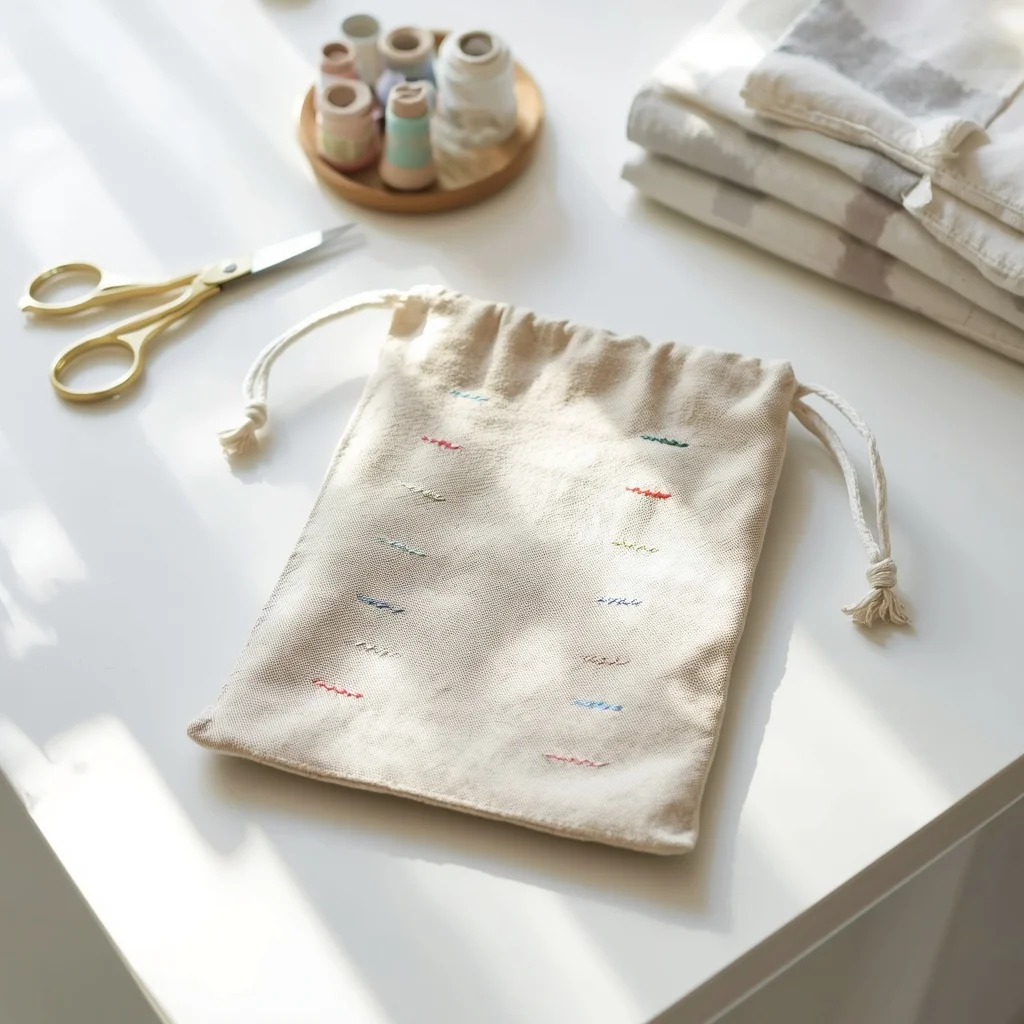
Nothing feels more rewarding than completing a project you can actually use every day. A small drawstring pouch is one of the easiest sewing projects because it focuses on mastering the running stitch while keeping the construction simple. Even if your stitches are not perfectly even, the finished pouch still looks charming and handmade. In my experience, beginners gain confidence quickly when they finish something practical instead of endless fabric practice squares, making this an encouraging first project.
Once you’ve sewn the side seams and added a simple drawstring, you’ll have a functional pouch for jewelry, coins, earbuds, or craft supplies. Cotton or linen fabrics are forgiving, making them excellent choices while learning. You can experiment with contrasting thread colors to make every stitch stand out beautifully. Small projects like this also teach fabric handling, seam alignment, and stitch consistency without becoming overwhelming. The finished pouch feels personal, useful, and motivating enough to inspire your next handmade creation.
Simple Felt Heart
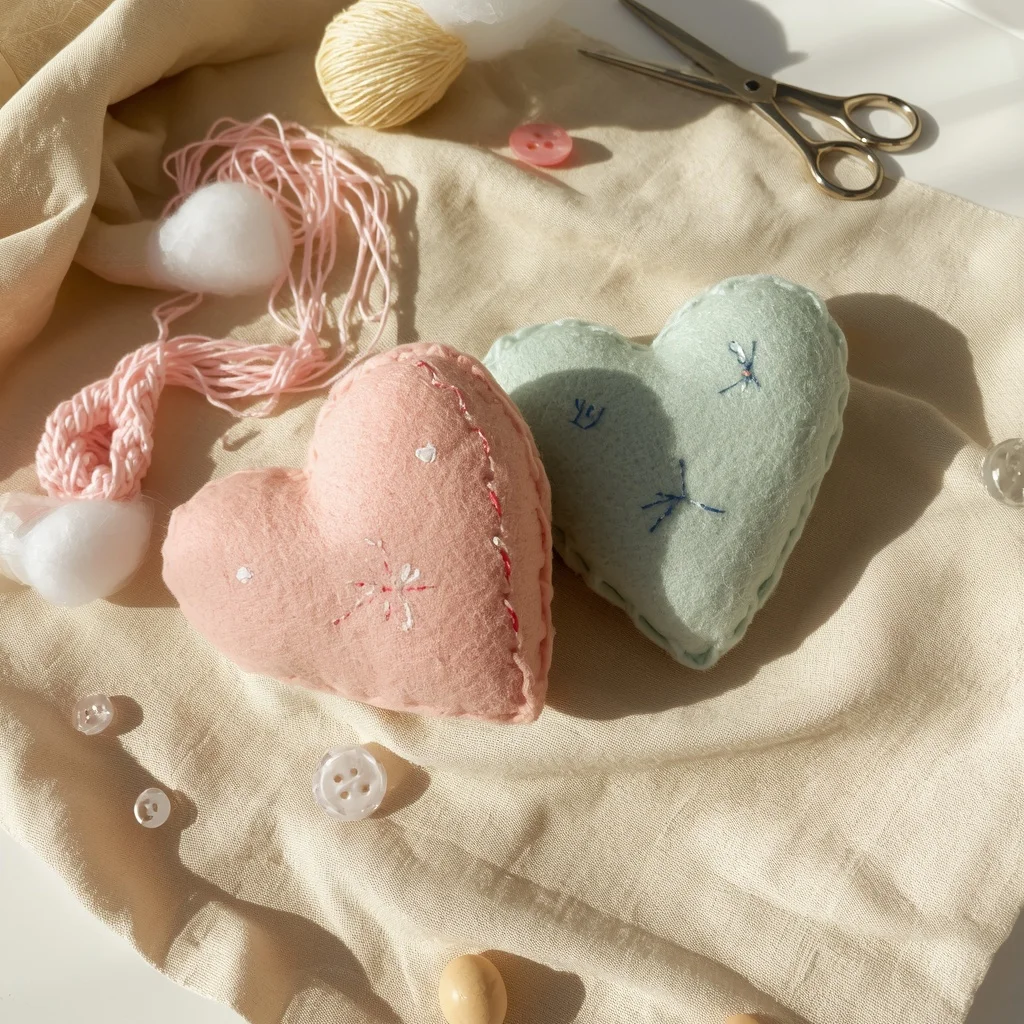
Soft felt is one of the most beginner-friendly materials because it holds its shape and doesn’t unravel along the edges. That means you can focus entirely on learning hand stitches instead of worrying about finishing seams. A stuffed heart is small enough to complete in one sitting, making it perfect for building confidence. I’ve noticed this type of project helps new sewists become comfortable controlling stitch spacing while creating something decorative that immediately feels polished and enjoyable.
After stitching around the edges, simply add a little stuffing before closing the final opening. The finished heart works beautifully as a thoughtful handmade gift, keychain, or seasonal decoration. Experiment with different felt colors, embroidery thread, or tiny embellishments like buttons for extra personality. Because the pieces are small, mistakes are easy to correct without wasting fabric. This approachable project demonstrates that hand sewing projects for beginners you can start without a machine can be both relaxing and surprisingly stylish.
Fabric Bookmark
Every sewing journey benefits from quick wins, and a handmade bookmark delivers exactly that. Its straight shape allows beginners to concentrate on neat edges and consistent stitches without dealing with complicated curves or fitting. You can combine patterned cotton with solid fabrics for an attractive contrast that looks professionally finished. Small projects like this also encourage experimenting with decorative stitching techniques, giving each bookmark a unique appearance while strengthening basic sewing skills through enjoyable, low-pressure practice sessions.
Adding lightweight interfacing between the fabric layers gives the bookmark extra structure and durability without making construction difficult. Decorative embroidery, lace trim, or tassels offer simple ways to personalize the final design. Because the project finishes quickly, it’s ideal for practicing new stitches repeatedly until they become comfortable. That’s why many crafters recommend beginning with useful accessories before attempting larger creations. Each completed bookmark becomes both a practical reading companion and a reminder of your growing sewing confidence.
Button Pin Cushion
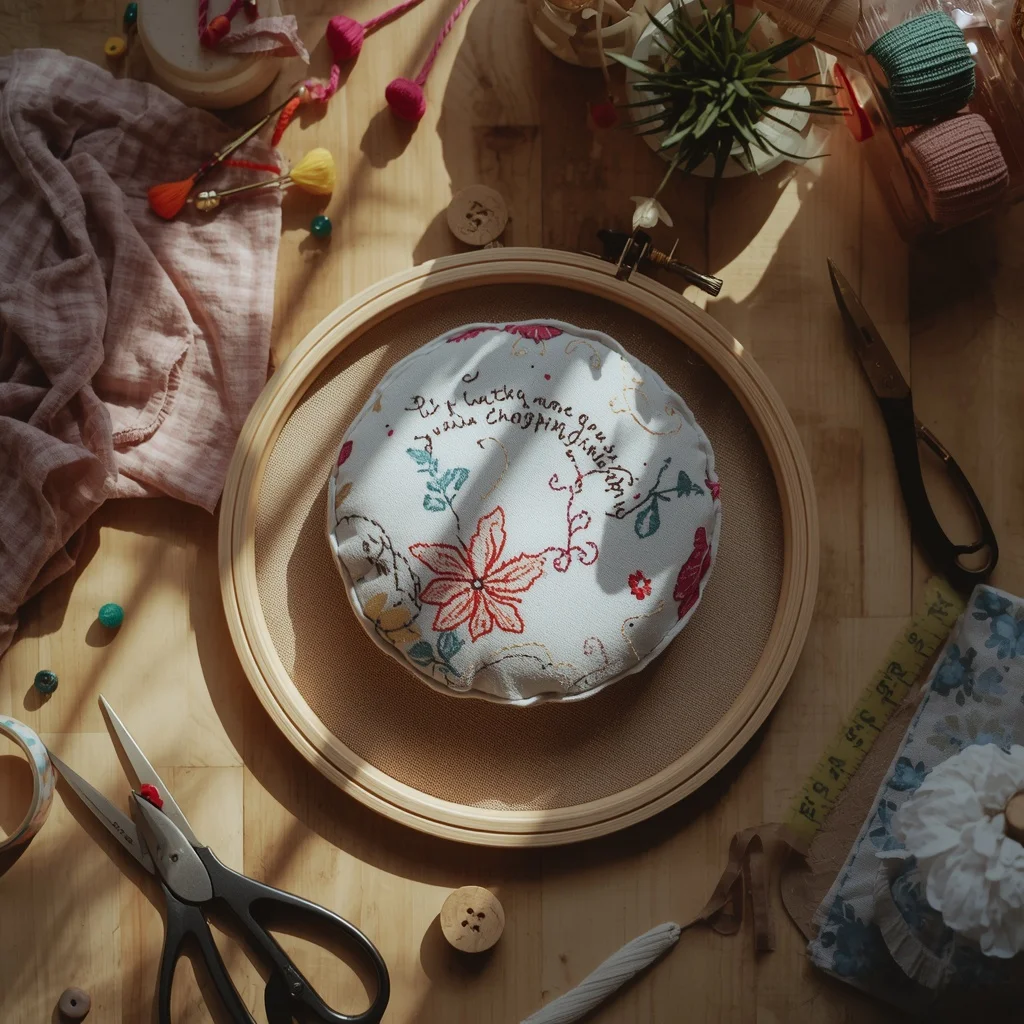
A handmade pin cushion is one of those projects that stays useful long after the last stitch is finished. The circular shape introduces gentle curves without becoming frustrating, allowing beginners to improve stitch control naturally. Bright cotton prints make every finished piece feel cheerful and personal. In my experience, creating tools you’ll continue using adds extra motivation because each future sewing session reminds you how far your skills have already progressed through simple, practical projects.
Once stitched and lightly stuffed, the cushion becomes a reliable place to organize pins and needles safely. Adding a decorative button in the center helps maintain the rounded shape while giving the project a polished finish. Small details like contrasting thread or lace edging create extra visual interest without increasing difficulty. This project builds confidence with shaping, stuffing, and finishing techniques while producing something attractive enough to display proudly in any sewing corner.
Patchwork Coaster
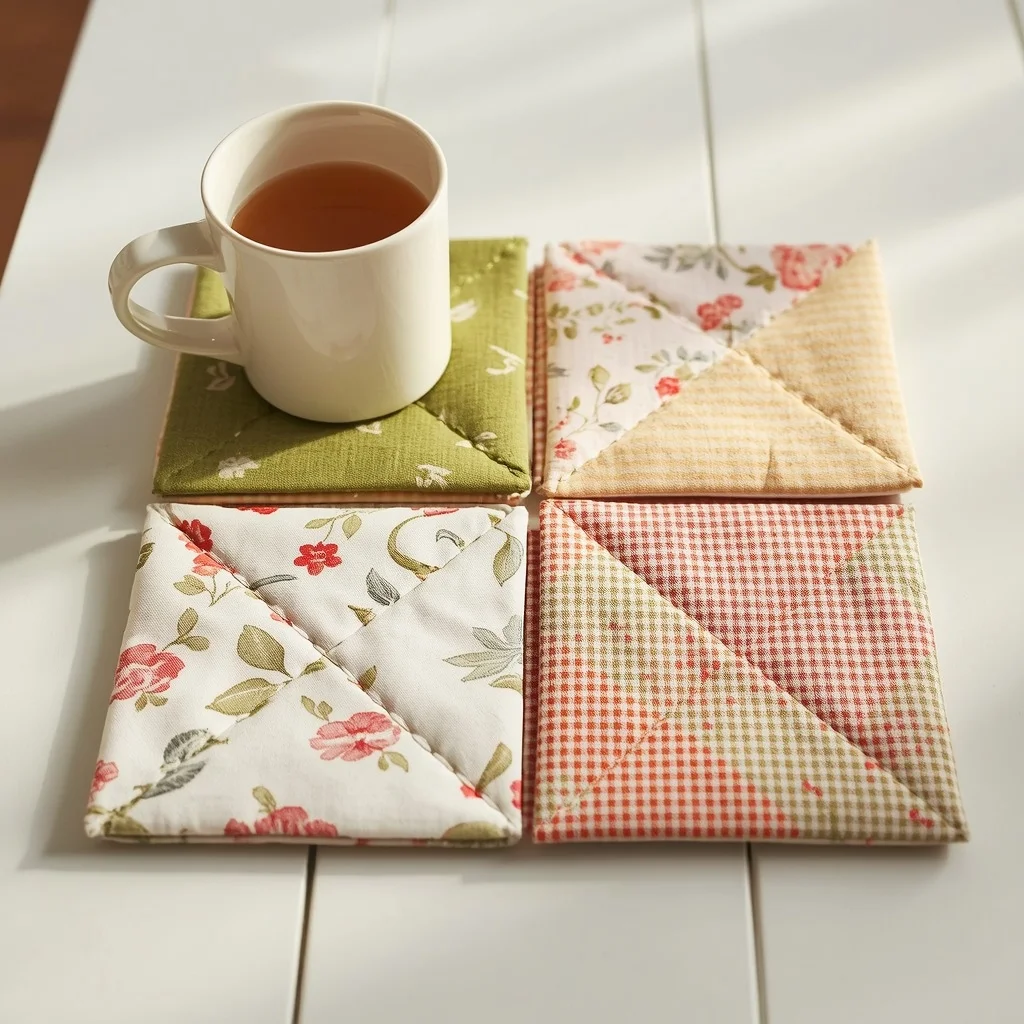
Small patchwork coasters are an enjoyable introduction to combining fabrics without committing to a large quilt. Sewing together a few simple squares teaches alignment, seam consistency, and careful planning while keeping the project manageable. Choosing coordinating colors creates an eye-catching result even with basic stitching techniques. Beginners often discover that mixing patterns is less intimidating on miniature projects, making coasters a creative playground for experimenting with color and fabric combinations.
Adding a backing layer gives each coaster extra stability while neatly hiding interior seams. Cotton fabrics absorb moisture well, making the finished pieces practical for daily use under mugs or glasses. Decorative topstitching around the edges adds durability and handcrafted charm. Projects like these prove that beautiful home accessories do not require advanced sewing knowledge. A completed set also makes a thoughtful handmade gift that showcases growing confidence and attention to detail.
Easy Tote Bag
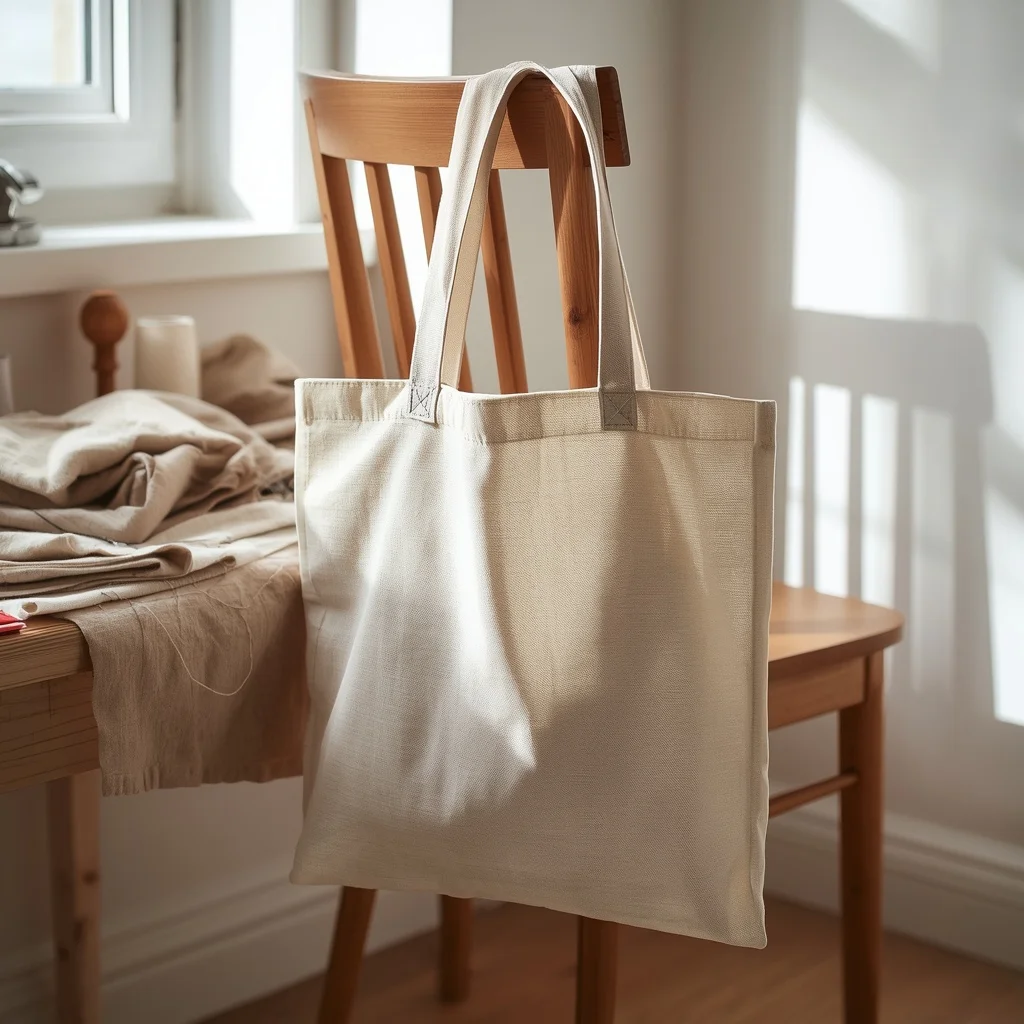
Making your first tote bag feels like reaching an exciting milestone because it combines several beginner techniques into one useful project. Straight seams, sturdy handles, and simple construction create an approachable challenge that remains achievable without a sewing machine. Choosing heavyweight cotton or canvas provides structure while making stitching easier to follow. I’ve seen this project inspire many beginners because the finished bag looks impressive despite relying on basic hand-sewing skills and careful patience.
The completed tote becomes perfect for groceries, books, craft supplies, or daily essentials. Reinforcing the handle attachments with extra stitches greatly improves durability, especially if the bag will carry heavier items. Personal touches like fabric paint, embroidery, or decorative pockets transform a plain design into something uniquely yours. Projects like this demonstrate how hand sewing projects for beginners you can start without a machine can produce attractive, long-lasting accessories that become part of everyday life.
Lavender Sachet
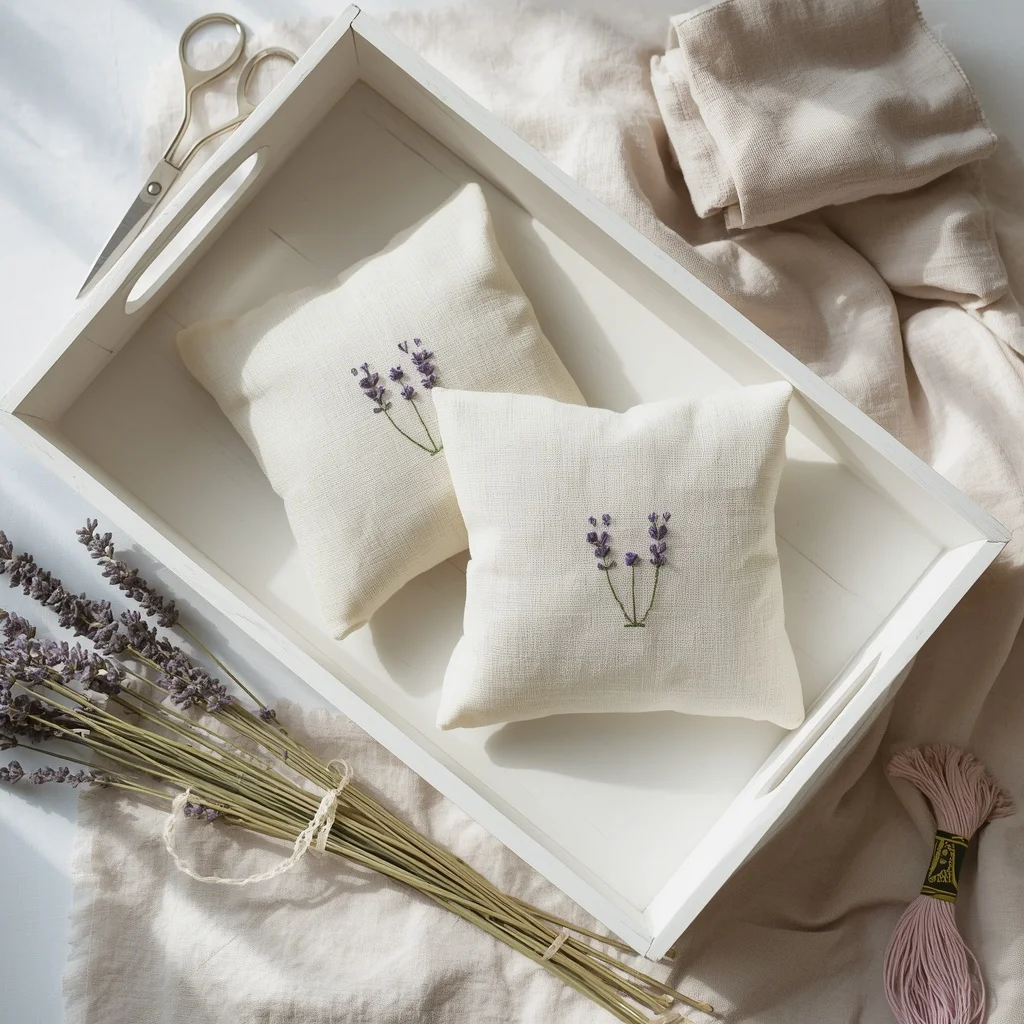
Tiny projects often deliver the biggest confidence boost, and lavender sachets are a perfect example. Their compact size makes them quick to finish while introducing beginners to basic hand-sewn seams and neat finishing techniques. Natural fabrics such as linen or cotton complement the dried lavender beautifully and create a timeless look. In my experience, completing a useful project in less than an hour encourages beginners to keep practicing because the results are both beautiful and immediately rewarding.
After sewing three sides, simply fill the pouch with dried lavender before closing the final opening carefully. The gentle fragrance freshens drawers, wardrobes, and storage boxes while adding a handcrafted touch to everyday spaces. Decorative embroidery or contrasting thread gives each sachet extra personality without increasing the difficulty. This project combines creativity with practicality, proving that even the simplest handmade items can bring warmth, charm, and lasting usefulness to your home.
Needle Book
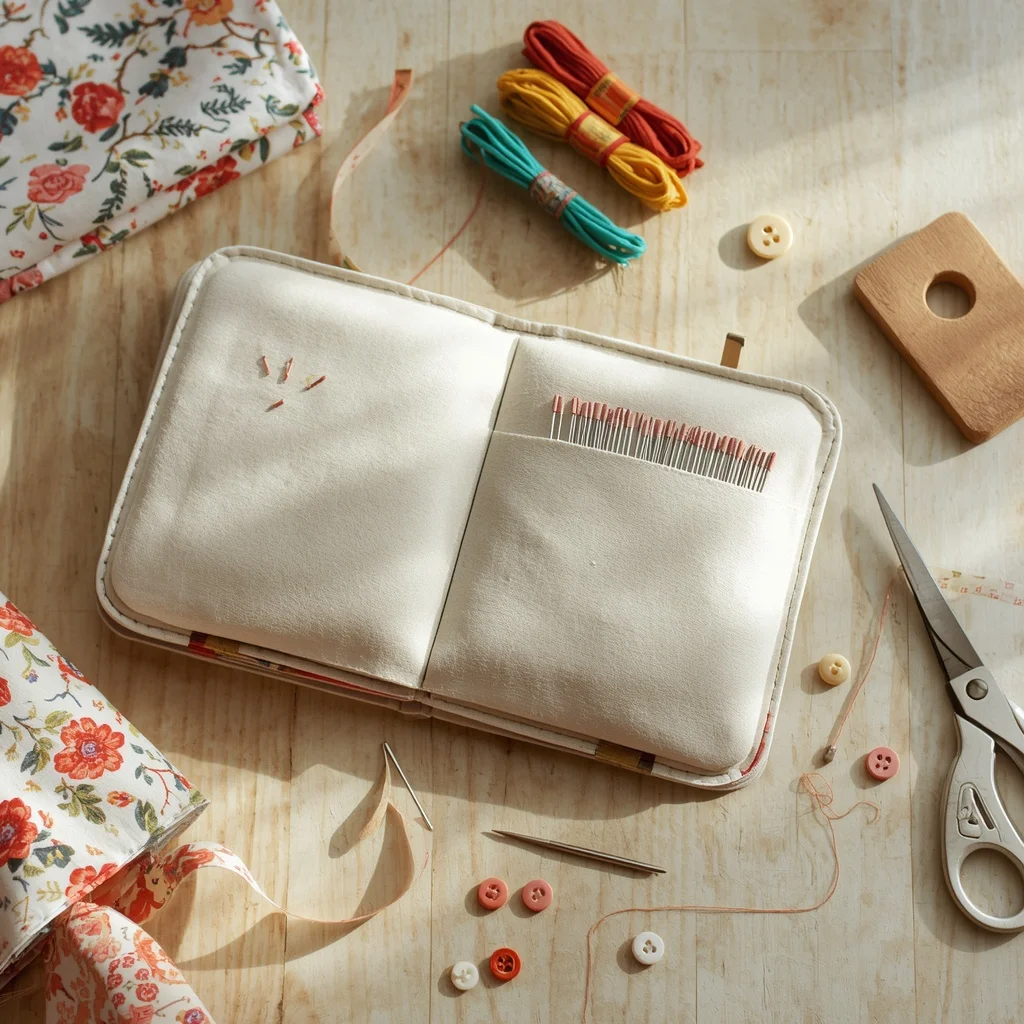
Every sewing enthusiast eventually needs a safe place to store needles, making this project as practical as it is educational. A fabric needle book teaches beginners how to join layers neatly while creating something they’ll use for years. Felt pages securely hold needles without damaging them, while cotton covers provide endless opportunities for colorful patterns and decorative stitching. Small handmade organizers also make excellent gifts for friends who enjoy sewing or embroidery.
Once assembled, the needle book folds neatly like a tiny notebook, keeping supplies organized and portable. Adding a button closure or ribbon tie provides extra security while introducing another useful sewing technique. Personalizing the cover with initials, embroidery, or appliqué creates a unique finishing touch. Learning through projects that solve everyday problems feels especially rewarding because every future sewing session becomes easier thanks to something you created with your own hands.
Envelope Pillow
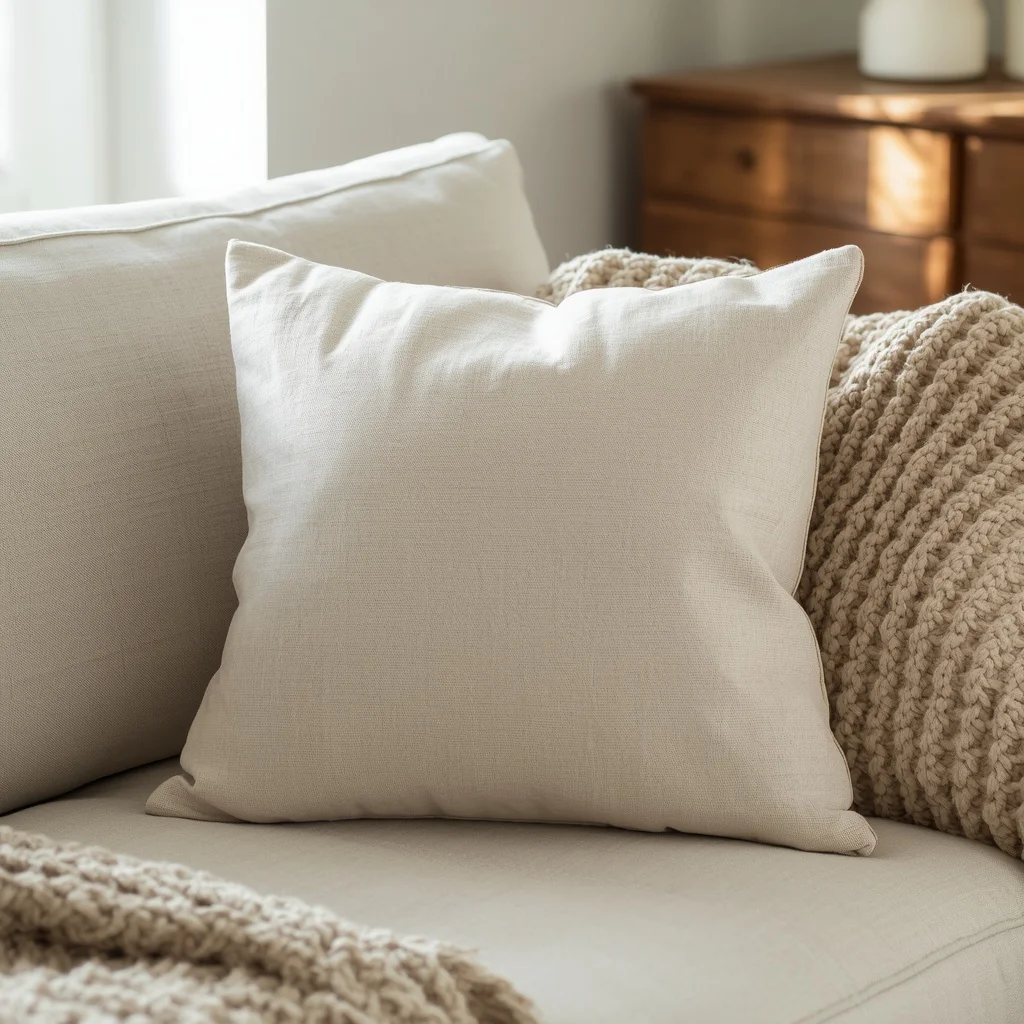
Making a pillow cover is an exciting step because it transforms simple fabric into functional home décor. An envelope-style closure avoids complicated fasteners, making construction much easier for beginners. Straight seams dominate the design, allowing new sewists to focus on accuracy while creating something that instantly changes the look of a room. I’ve noticed that home décor projects often feel especially satisfying because the finished results become part of everyday living spaces.
Choosing durable cotton, linen, or canvas ensures the cover remains attractive through regular use. Mixing textured fabrics or adding decorative hand embroidery creates a custom design that reflects your personal style. Once the cover slips over a pillow insert, the transformation feels surprisingly professional despite using only basic techniques. Larger projects like this help develop patience, improve stitch consistency, and prepare beginners for more detailed sewing adventures with growing confidence.
Phone Sleeve
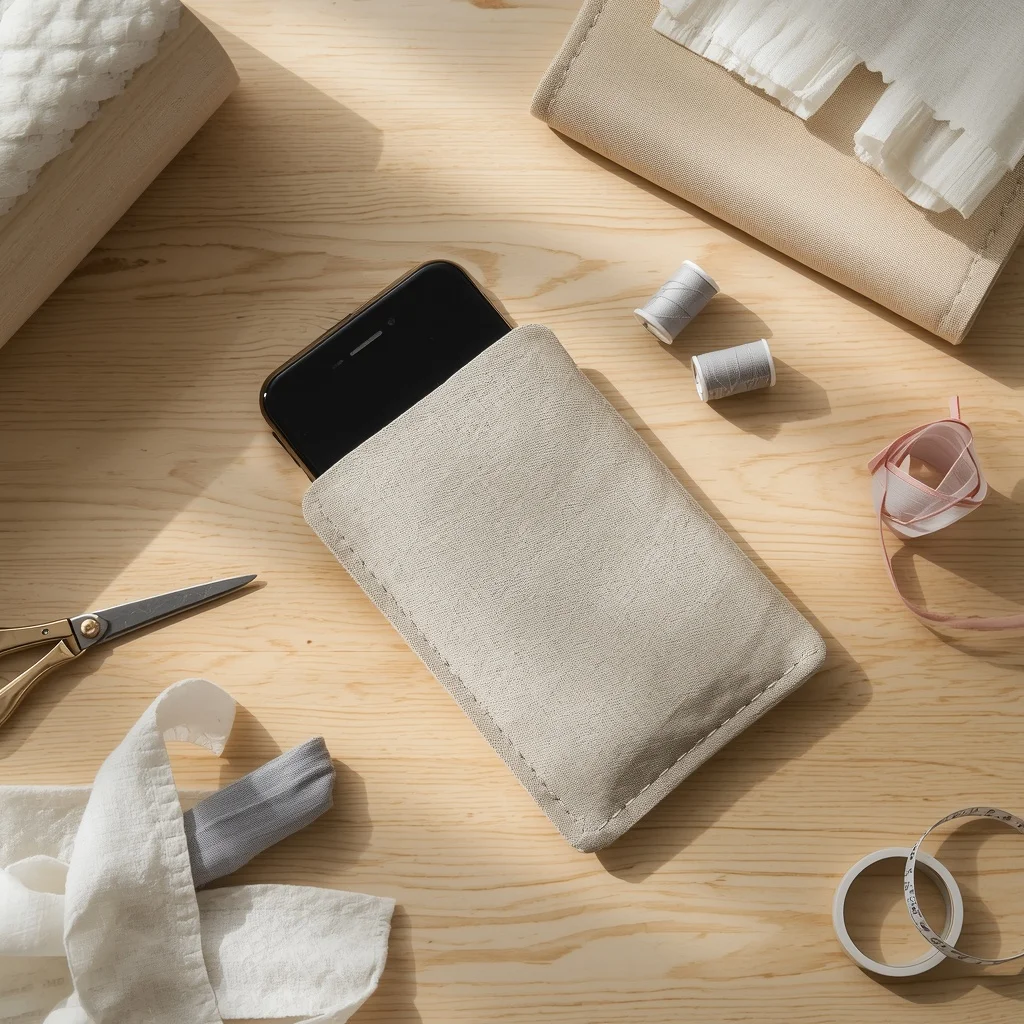
Creating something you can use every single day makes learning hand sewing even more enjoyable. A fabric phone sleeve combines simple construction with practical value, helping beginners practice measuring carefully for a perfect fit. Soft cotton, felt, or linen all work beautifully and offer enough flexibility for comfortable stitching. In my experience, projects with a clear everyday purpose keep beginners motivated because every use becomes a reminder of the skills they’ve developed through patient practice.
After sewing the sides securely, you can add a flap, button, or elastic loop for extra protection. Decorative embroidery, fabric labels, or contrasting thread turn a simple sleeve into a personalized accessory. Reinforcing the bottom corners improves durability without making the project more difficult. Completing this project also introduces careful planning, since accurate measurements directly affect the finished result. It’s an excellent balance of creativity, precision, and everyday usefulness.
Kitchen Towel Loop
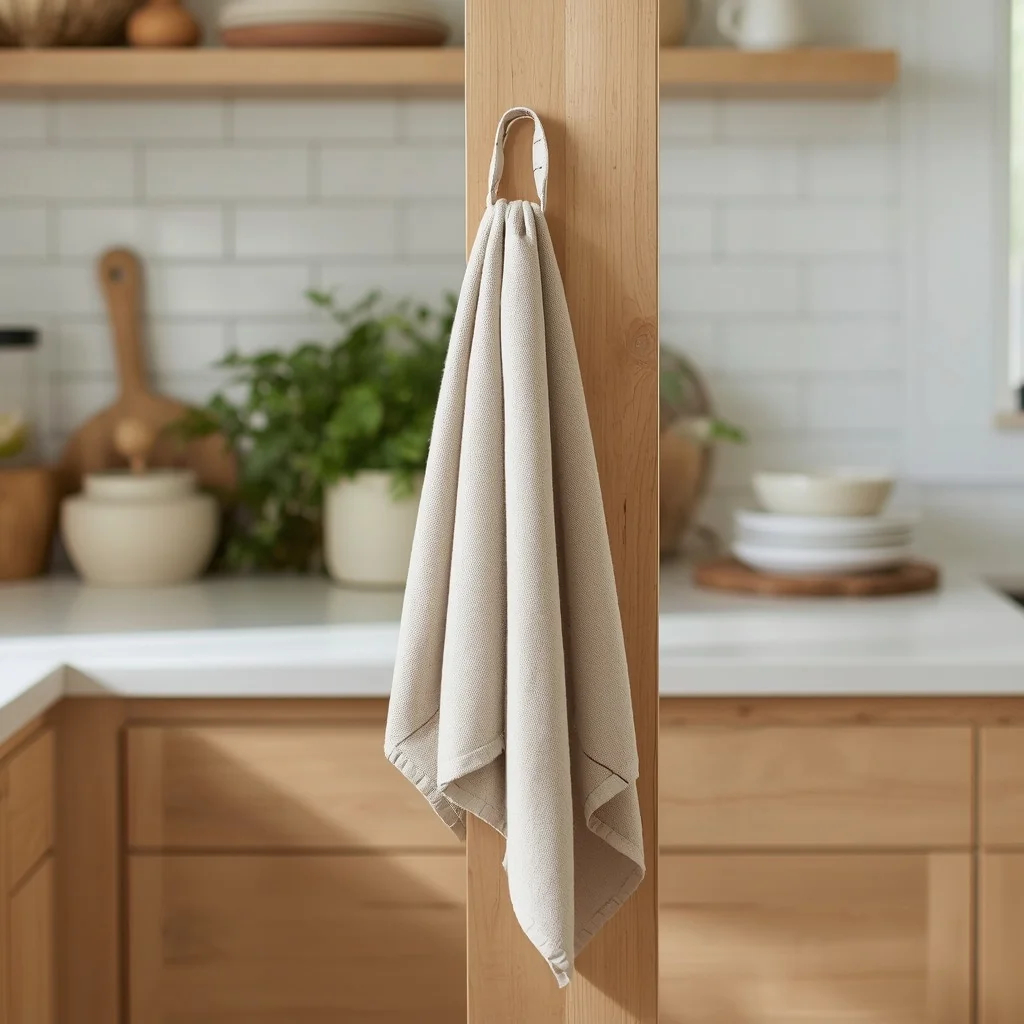
Sometimes the smallest projects deliver the greatest sense of accomplishment. Sewing a hanging loop onto a kitchen towel teaches beginners how to attach fabric securely while creating something genuinely useful. Instead of towels constantly slipping from handles, the sewn loop keeps everything neatly in place. Small improvements like this demonstrate how basic sewing skills can make everyday routines more convenient while requiring very little time, fabric, or previous experience.
Choosing sturdy cotton webbing or folded fabric strips ensures the loop holds up to frequent use. Reinforced stitches at both ends increase strength without adding unnecessary complexity. Decorative fabrics can coordinate with your kitchen colors for a polished appearance. This project also builds confidence because it combines practical function with visible results almost immediately. Finishing a useful household item often inspires beginners to look for even more simple sewing opportunities around the home.
Coin Purse
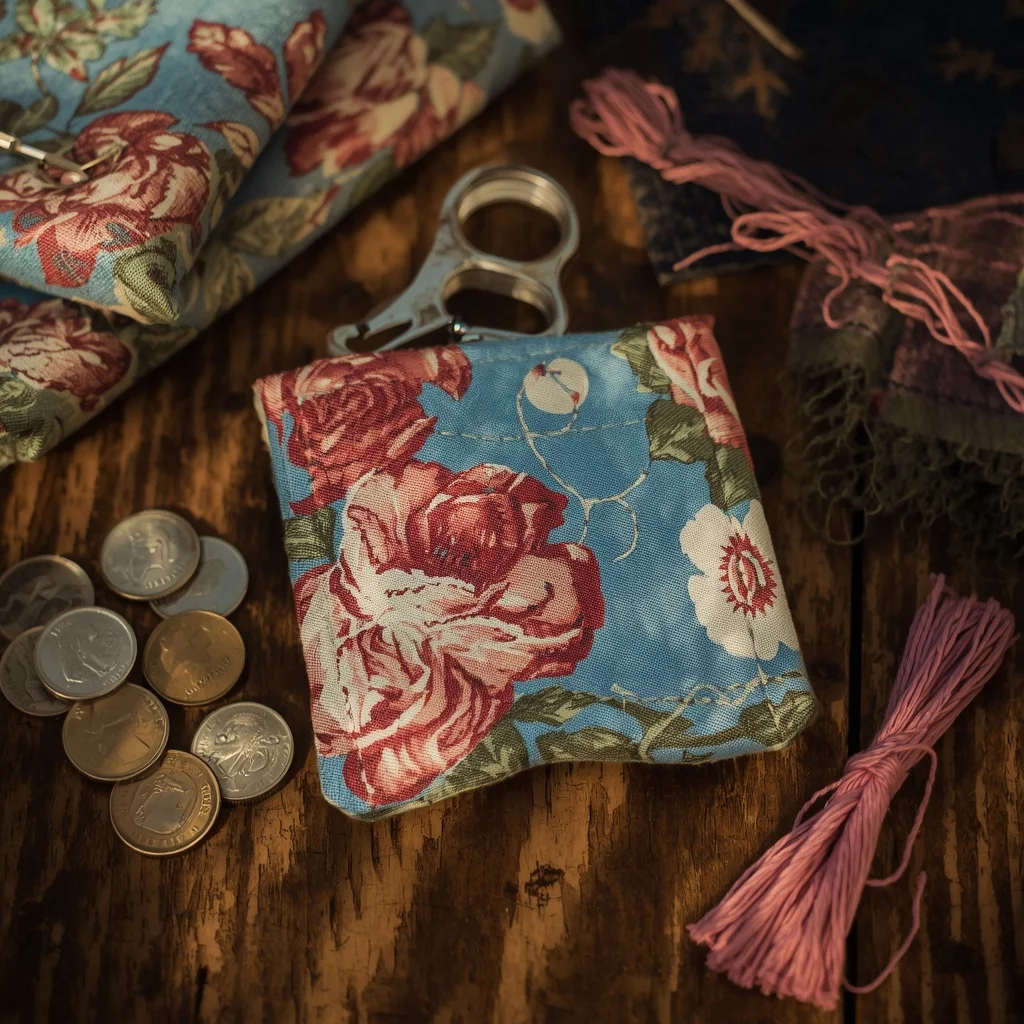
A handmade coin purse is a rewarding project because it combines usefulness with a polished finished appearance. Beginners learn how to shape small fabric pieces into something functional while improving stitch consistency around edges and corners. Working on compact items also keeps the sewing process manageable without feeling repetitive. I’ve seen this project boost confidence because the finished purse looks impressive while relying only on simple hand-sewing techniques and careful attention to detail.
Adding a snap button, zipper alternative like a flap, or decorative closure gives the purse extra personality while remaining beginner-friendly. Bright prints, embroidery, or fabric scraps make every design feel unique and memorable. The finished pouch easily stores coins, earbuds, jewelry, or other tiny essentials for everyday use. Completing projects like this reinforces valuable sewing fundamentals while encouraging creativity, precision, and the confidence to move on to more detailed handmade accessories.
Mini Plush Star
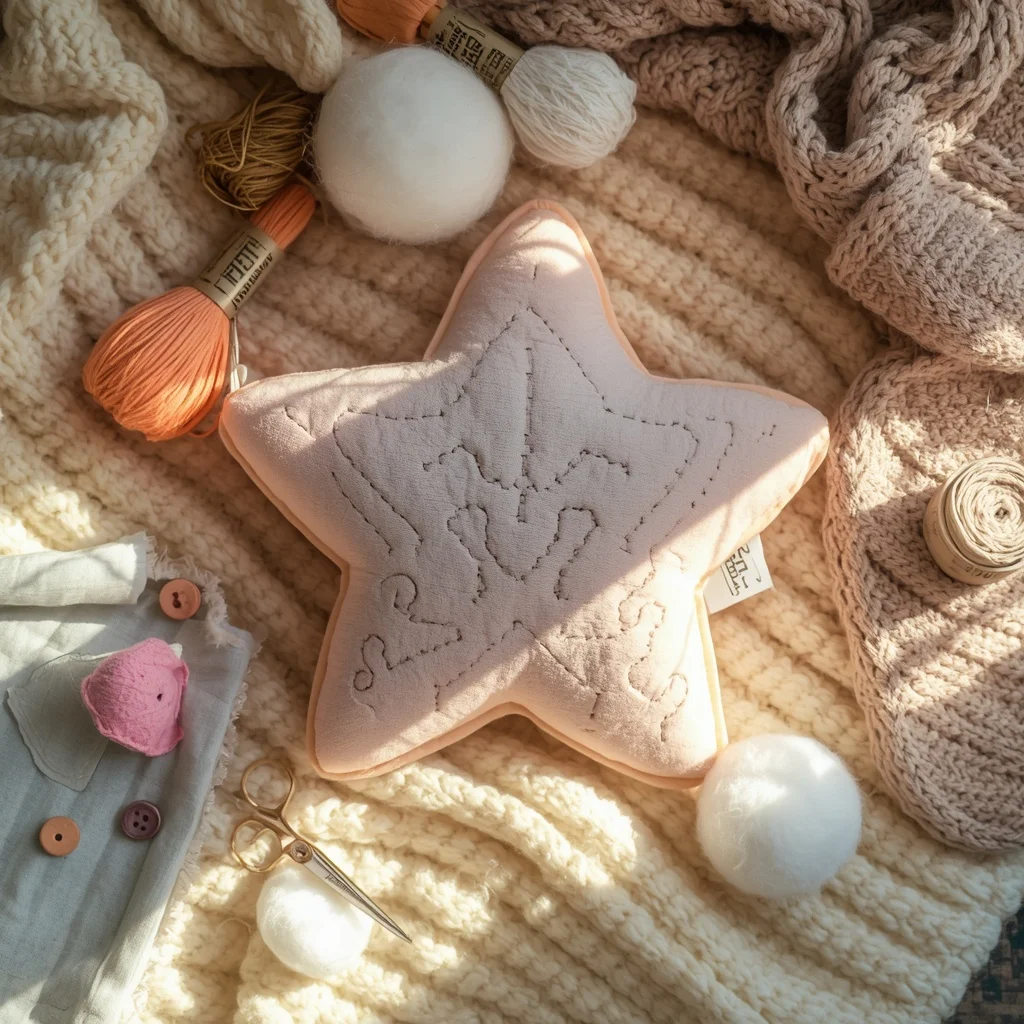
There is something especially satisfying about turning flat fabric into a soft three-dimensional shape. A small plush star introduces gentle curves and pointed corners without becoming difficult to manage. Felt works particularly well because it stays in place and doesn’t fray, allowing beginners to focus on stitch placement. In my experience, stuffed projects help new sewists appreciate how careful hand stitching creates both structure and personality in even the simplest handmade designs.
After sewing around the outline, leave a small opening to add soft stuffing before closing it neatly. Decorative embroidery, tiny facial details, or ribbon loops can transform the star into an ornament, nursery decoration, or thoughtful gift. Working on small plush projects also improves consistency because every stitch contributes to the final shape. By the time the last seam is finished, you’ll have a charming keepsake that reflects growing confidence and patience.
Fabric Headband
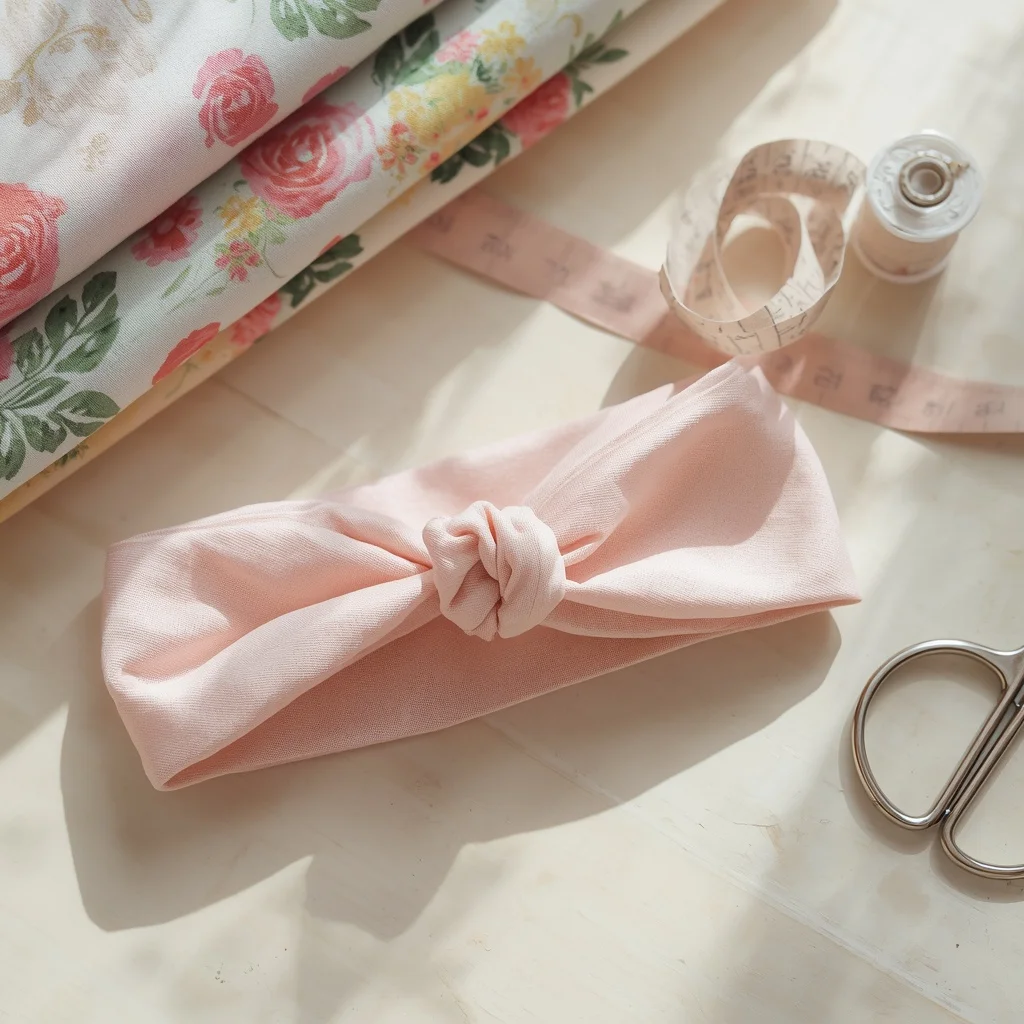
A fabric headband is a wonderful introduction to wearable sewing projects because the construction remains straightforward while producing something fashionable. Beginners practice measuring, folding, and stitching long seams without complicated shaping or tailoring. Lightweight cotton fabrics are comfortable to wear and easy to handle with a needle. Small wearable accessories also provide instant satisfaction because they can be enjoyed immediately after the final stitch is tied and trimmed.
Experimenting with floral prints, solid colors, or textured fabrics allows every headband to reflect personal style. Adding a simple elastic section at the back improves comfort while keeping the sewing process approachable. Decorative embroidery or a twisted front detail offers another opportunity to personalize the design without making it overly advanced. Completing this project shows that hand sewing projects for beginners you can start without a machine can include beautiful accessories as well as practical household items.
Drawstring Gift Bag
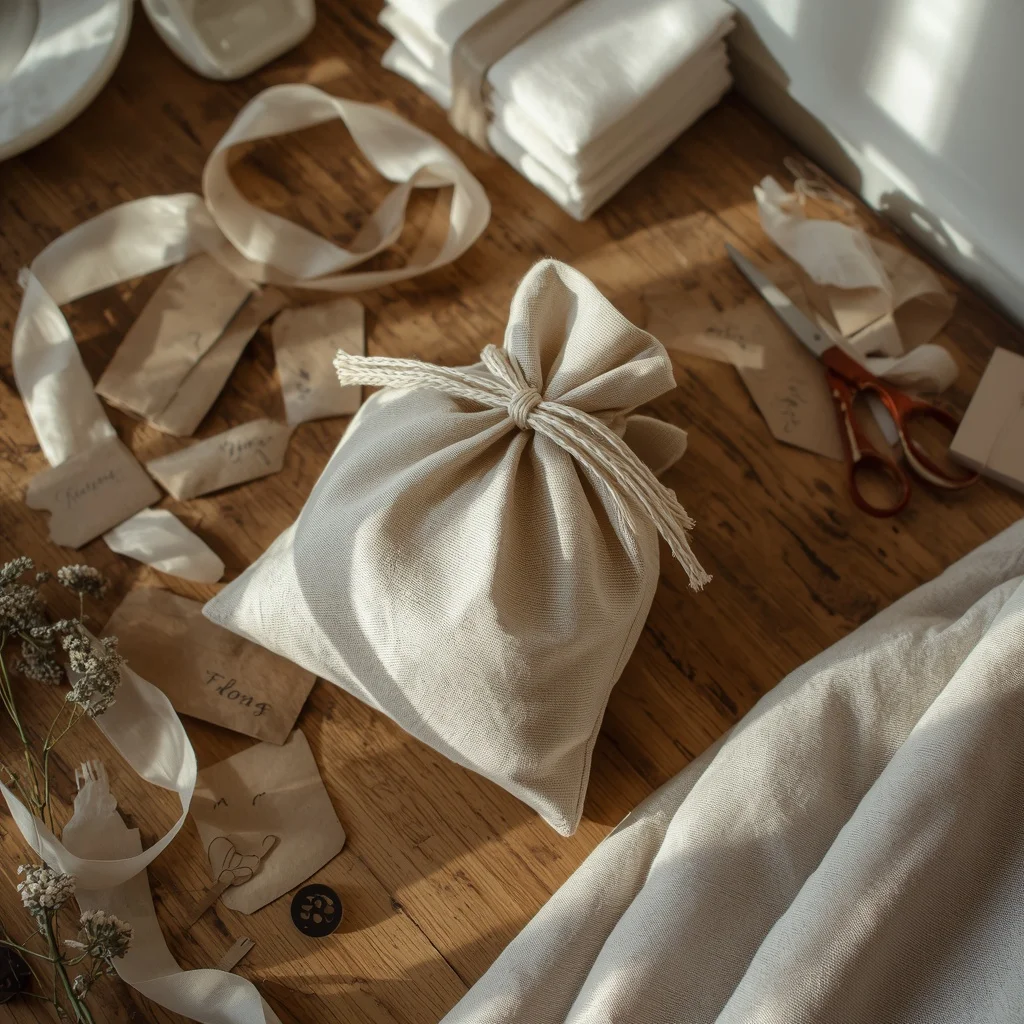
Reusable gift bags combine sustainability with timeless style, making them an excellent project for beginners. Their simple rectangular construction allows you to focus on clean seams and neat finishing instead of difficult shaping techniques. Natural linen or cotton fabrics create a polished appearance that works beautifully for birthdays, holidays, or special celebrations. I’ve noticed that practical gift projects often encourage beginners because they produce something meaningful that can be shared with family and friends.
Adding a cotton cord or ribbon through the top casing completes the classic drawstring design while introducing another useful sewing technique. Personalized embroidery, fabric stamps, or decorative trims make every bag feel unique without adding unnecessary complexity. These reusable bags can be enjoyed repeatedly, reducing waste while adding a thoughtful handmade touch to every gift. They also reinforce essential sewing skills that prepare beginners for larger fabric projects in the future.
Scissor Sheath
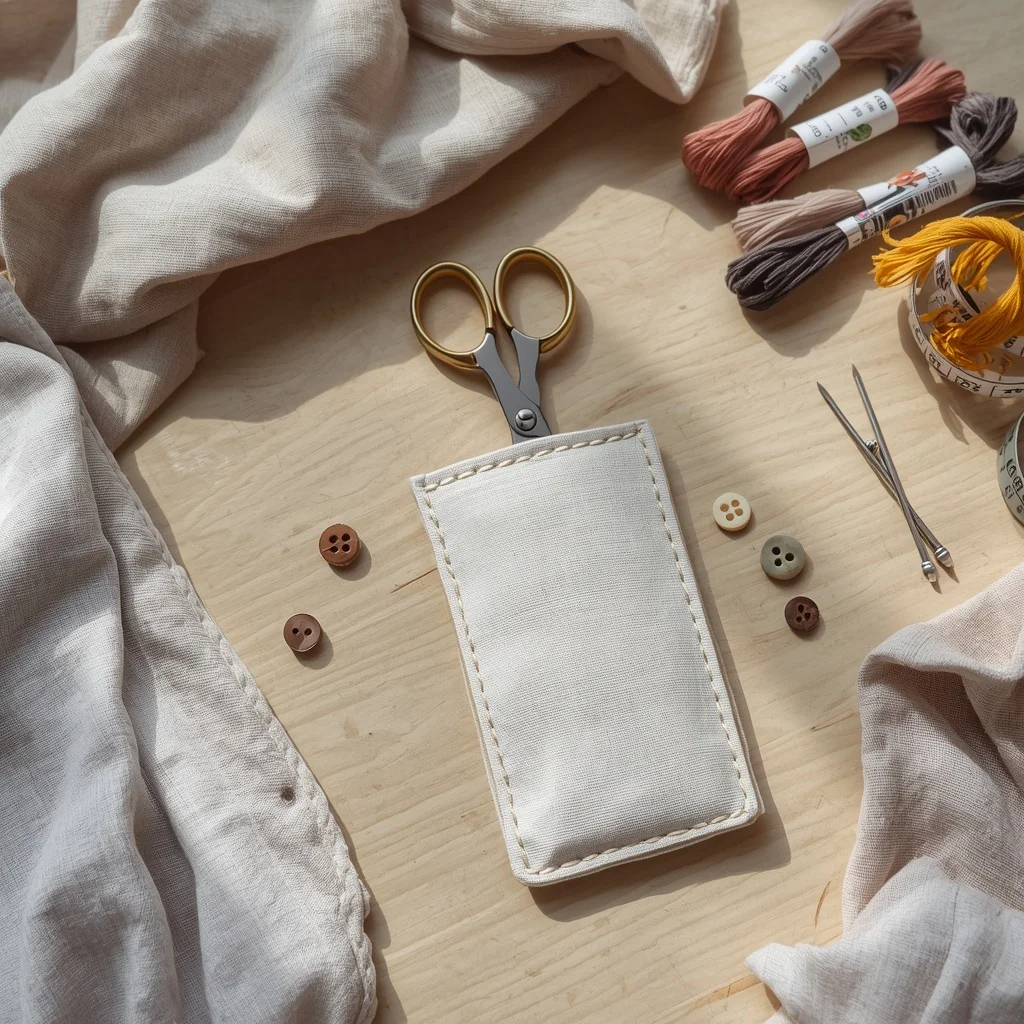
As your collection of sewing tools grows, keeping them protected becomes just as important as learning new techniques. A simple scissor sheath introduces shaped sewing without requiring complicated patterns, making it approachable for beginners. Measuring carefully ensures a snug fit while strengthening accuracy and planning skills. In my experience, projects designed for your own sewing kit feel especially rewarding because every future crafting session reminds you of the progress you’ve made through steady practice.
Soft felt, wool, or sturdy cotton all work well because they cushion the blades while remaining easy to stitch by hand. Decorative embroidery, initials, or contrasting thread add personality without making construction more difficult. The finished sheath helps prevent scratches, protects fabric from accidental snags, and keeps scissors organized inside your craft supplies. It’s a small project with lasting value that builds confidence while creating something genuinely useful.
Reusable Snack Bag
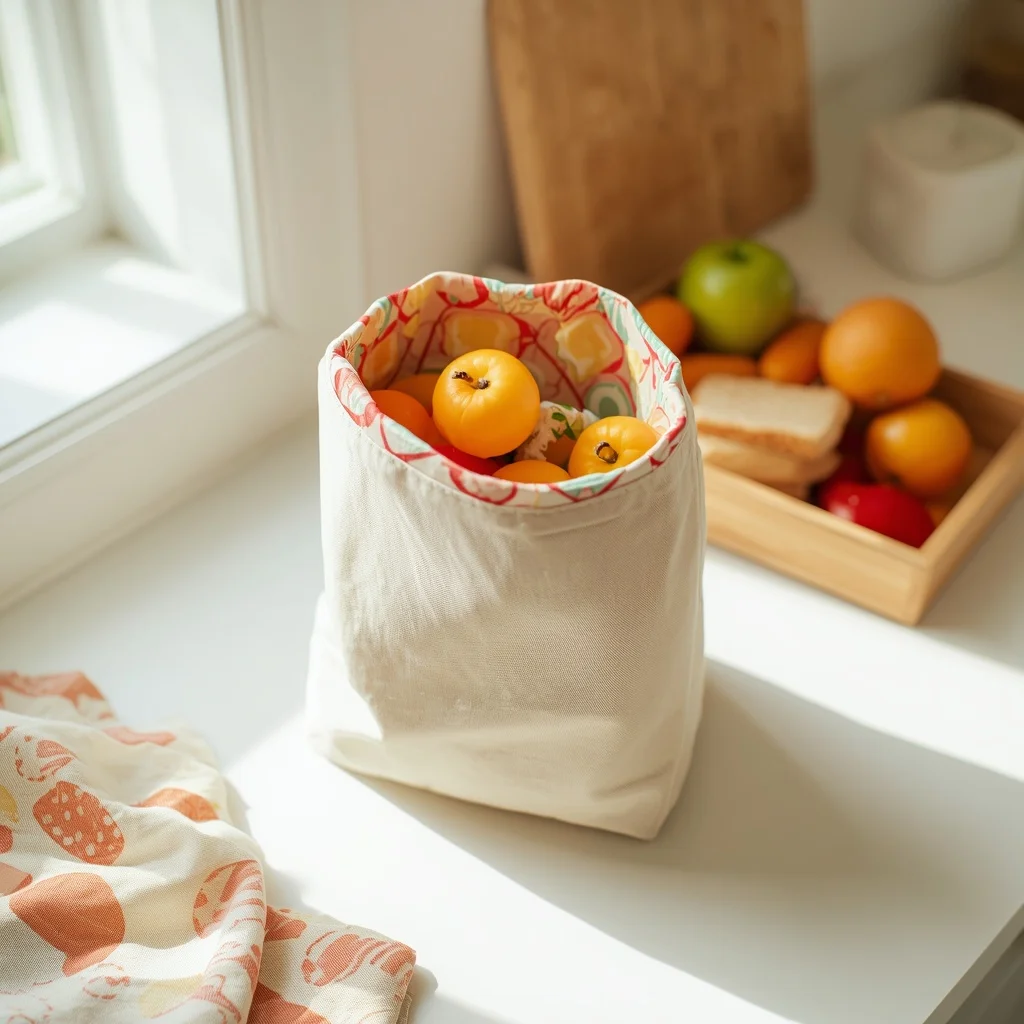
Replacing disposable bags with reusable fabric versions is a satisfying way to combine creativity with everyday practicality. This beginner-friendly project teaches careful layering, accurate stitching, and neat finishing while producing something you’ll reach for regularly. Choosing tightly woven cotton fabrics creates a durable bag that feels both attractive and reliable. Simple rectangular construction keeps the process manageable, allowing beginners to focus on improving stitch consistency without becoming overwhelmed by complicated sewing techniques.
After completing the seams, add a fold-over flap, button, or fabric tie for an easy closure that keeps snacks secure. Coordinating prints and cheerful colors make lunchtime feel a little more special while reflecting your personal style. Finishing this project is a wonderful reminder that handmade creations can be both beautiful and practical. By starting with simple accessories like these, you’ll develop lasting sewing skills, build confidence one project at a time, and discover how enjoyable creating by hand can truly be.
Conclusion
Learning to sew by hand is one of the most rewarding creative skills you can develop, and every finished project brings more confidence for the next one. These hand sewing projectsfor beginners you can start without a machine show that simple materials and basic stitches can become practical accessories, thoughtful gifts, and beautiful home décor. Start with the projects that excite you most, enjoy the process, and don’t worry about perfection—every stitch is part of your progress. Save this guide to Pinterest so you can revisit it whenever inspiration strikes, share it with fellow DIY enthusiasts, and begin creating handmade pieces you’ll be proud to use for years to come. I’ve seen how small handmade projects often inspire a lifelong love of sewing.
Read More:18 Leftover Fabric Sewing Ideas You Can Actually Use