15 Make Your Home Look Expensive with Simple DIY Tricks
Introduction
If you’ve ever walked into a beautifully styled home and wondered how it feels so expensive and polished, you’re not alone. Many of those stunning spaces are not built with huge budgets, but with smart styling choices that completely change the atmosphere. Learning how to make your home look expensive using simple diy tricks can help you transform even the most basic rooms into elegant, Pinterest-worthy spaces without major renovations.
This guide is all about simple visual upgrades that create a high-end feel instantly. From lighting and textures to layout and decor styling, every idea focuses on real, practical changes you can try right away. In my experience, even small adjustments like better lighting placement or decluttering surfaces can completely shift how a room feels. The goal is to help you create a home that looks intentional, calm, and beautifully designed while staying budget-friendly and easy to achieve.
Soft Lighting Glow
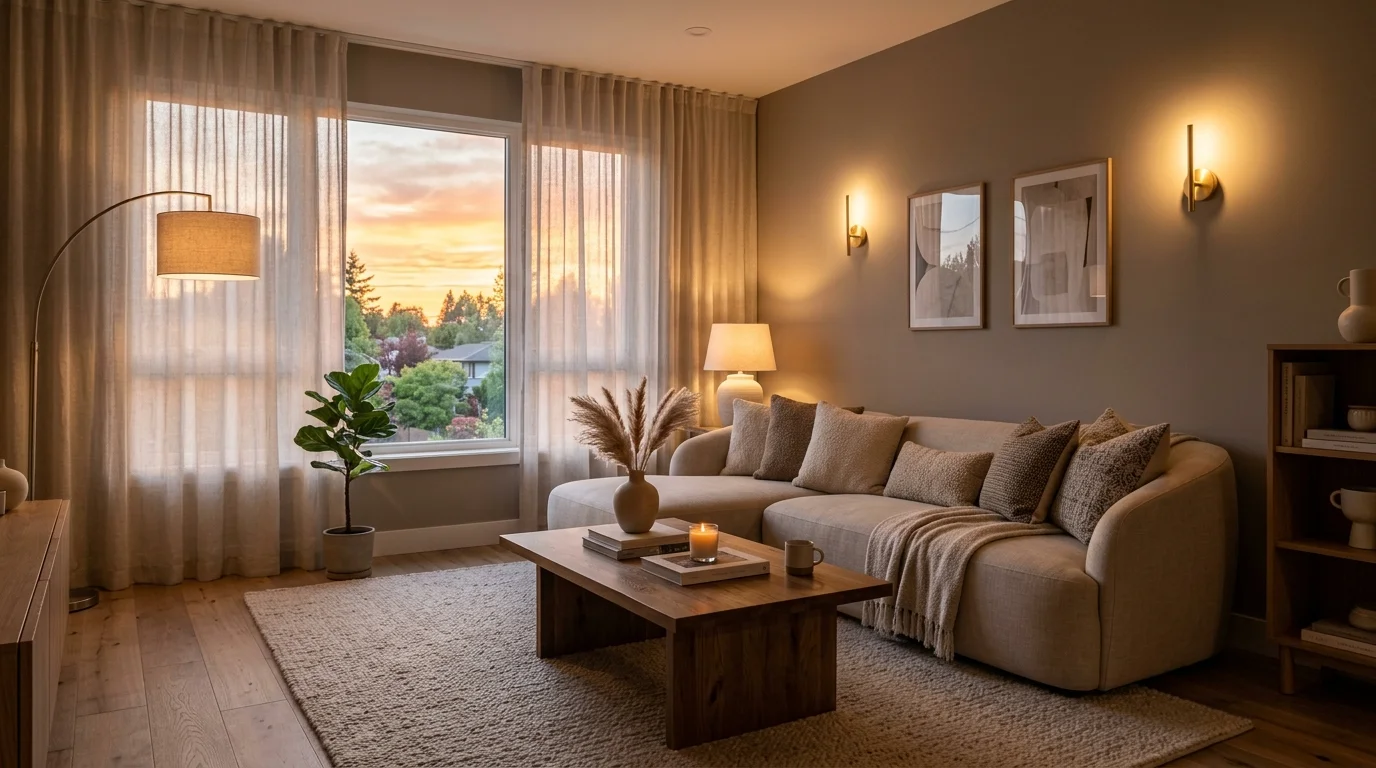
Soft lighting instantly changes the entire mood of a home, making even simple rooms feel expensive and thoughtfully designed. When you layer light sources instead of relying on a single bulb, the space gains depth and warmth that feels professionally styled. Table lamps, floor lamps, and hidden LED strips work together to eliminate harsh shadows and create a balanced glow. This approach is widely used in high-end interiors because it makes rooms feel inviting, cozy, and visually rich without requiring expensive furniture or major renovations at all even on a small budget.
One of the easiest ways to elevate your space is by choosing warm white bulbs instead of cool harsh lighting. Warm tones soften furniture edges and make walls appear more textured and inviting. In my experience, even a small adjustment in bulb temperature can completely transform how luxurious a room feels. Adding dimmers also helps control mood throughout the day, allowing your home to shift from bright functional lighting in the morning to soft ambient glow in the evening, enhancing comfort and visual appeal naturally and effortlessly in a subtle way.
Neutral Palette
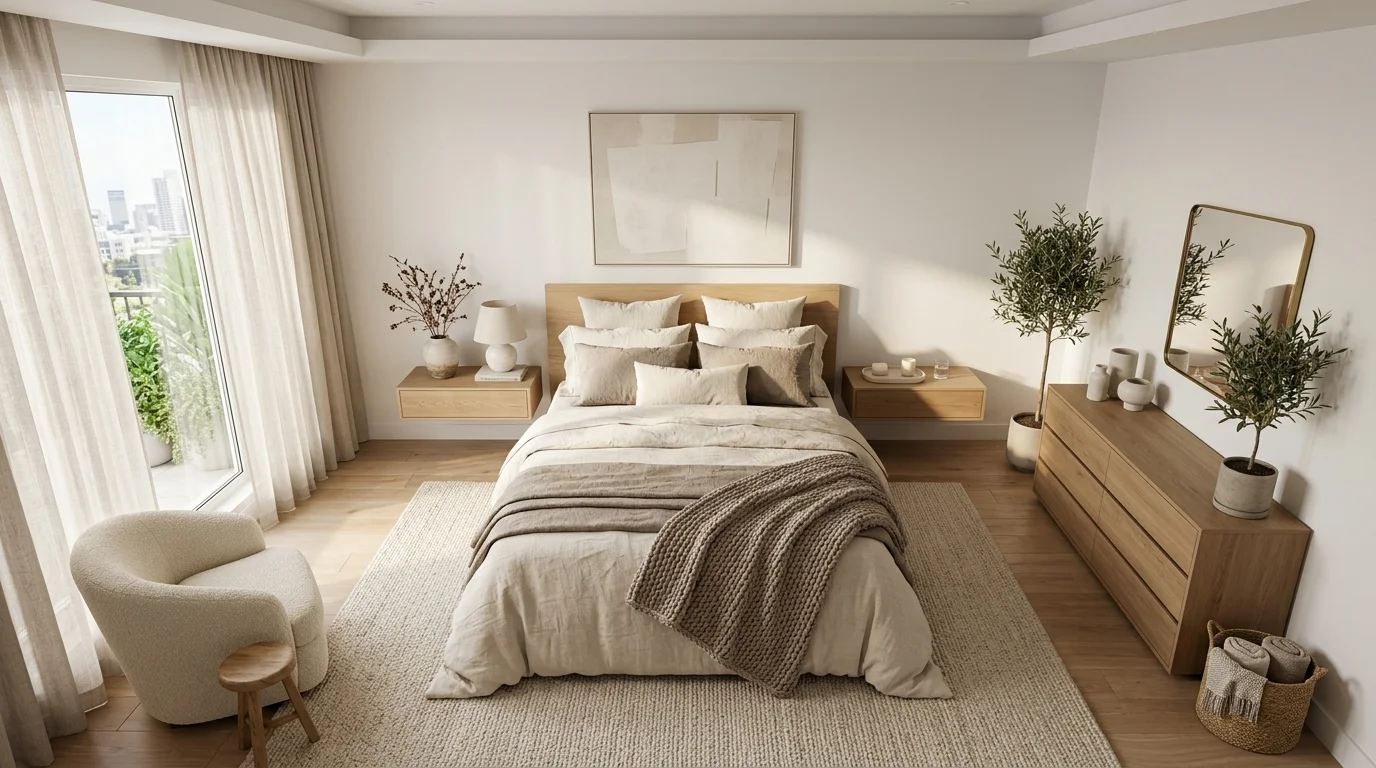
Neutral color palettes are the foundation of expensive-looking interiors because they create instant harmony and visual calm. When a room is filled with soft beiges, creams, and muted greys, the eye naturally relaxes and focuses on textures rather than clutter. This technique is widely used in luxury hotels and designer homes to maintain a clean and cohesive look. Even budget-friendly furniture appears more premium when surrounded by neutral tones, as the overall composition feels intentional, balanced, and carefully curated rather than randomly assembled together which enhances perceived value instantly overall.
I’ve noticed that neutral interiors also make seasonal decor changes much easier because everything blends seamlessly together. Instead of constantly replacing furniture, you can simply switch accent pieces like cushions, vases, or artwork to refresh the entire look. This flexibility is why designers often recommend starting with a neutral base before adding personality through accessories. It not only saves money but also keeps your home looking organized, sophisticated, and visually consistent throughout the year without overwhelming the space with too many competing colors or patterns that distract from the design intent.
Wall Art Grid
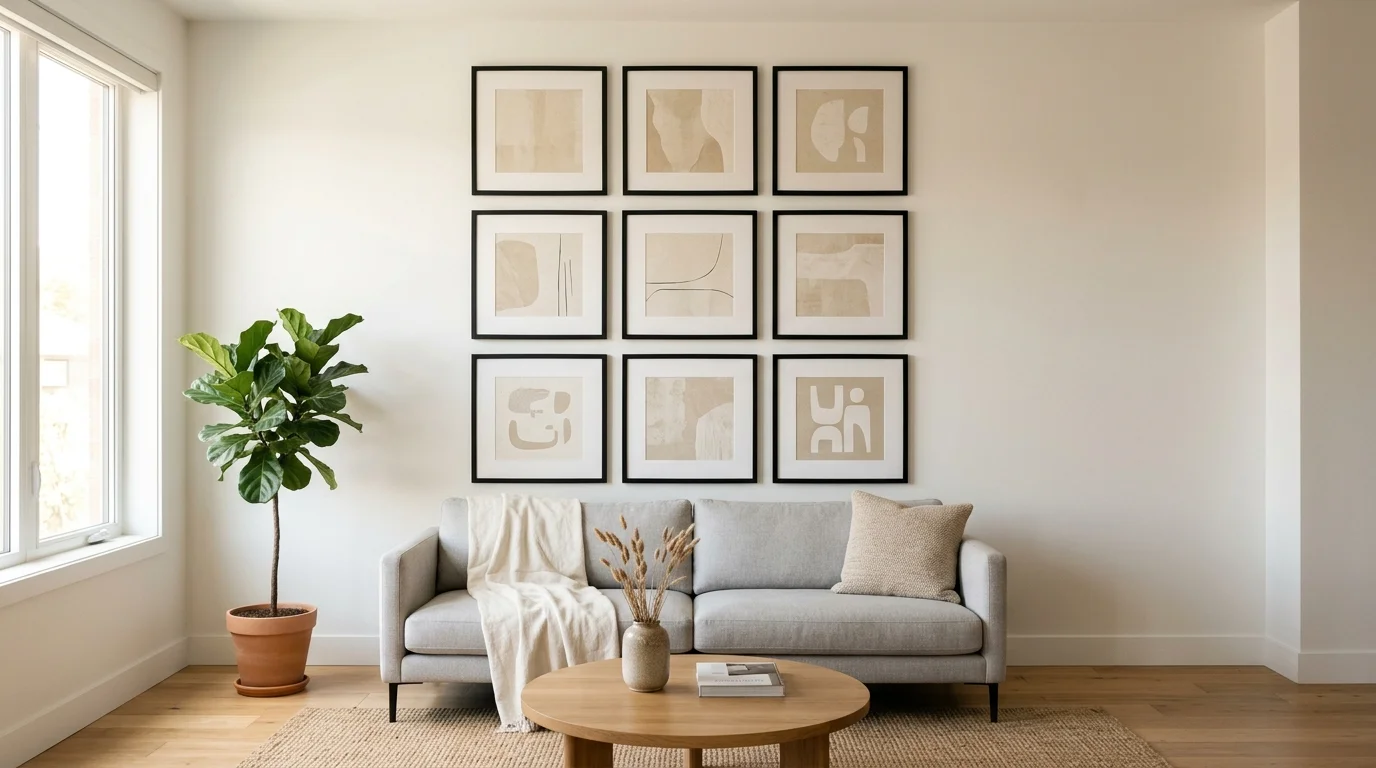
A wall art grid instantly transforms a plain wall into a focal design feature that feels intentional and professionally styled. When frames are arranged in a clean, symmetrical layout, the entire room gains structure and visual balance. This technique is often seen in high-end apartments and modern interiors because it creates a curated gallery effect without requiring expensive artwork. Even simple prints or digital downloads can look luxurious when framed consistently, making this one of the most cost-effective ways to elevate your home aesthetic while keeping the look timeless and clean.
In my experience, the key to a successful gallery wall is consistency in frame color and spacing. Even small misalignments can make the design feel chaotic rather than curated, so careful measuring is essential before hanging anything. I’ve seen this approach work beautifully in both small apartments and large homes because it adapts to any wall size. It also allows homeowners to express personality through art choices while still maintaining a polished, expensive-looking interior that feels cohesive and well thought out without requiring professional interior designers or expensive styling services.
Mirror Layers
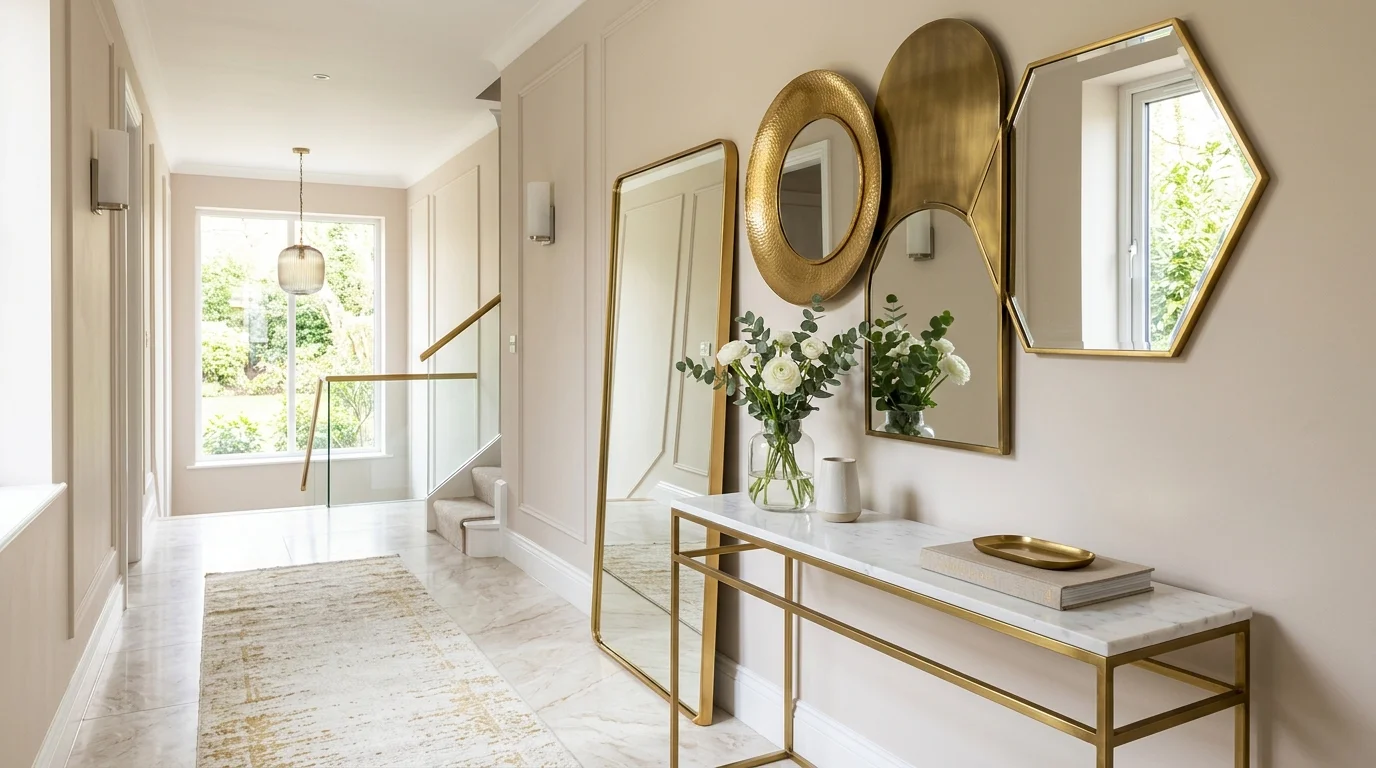
Mirrors are one of the most powerful design tricks for instantly elevating a space because they manipulate light and perception in a way that feels both subtle and luxurious. When you layer mirrors of different shapes and sizes the room instantly feels more open and dimensional which is why interior designers often use them in narrow hallways and compact living spaces. Even a simple arrangement can double the visual impact of natural light especially when placed opposite windows or light sources making the entire room feel brighter and more refined.
Layered mirror styling also works as a flexible decor strategy that can adapt to almost any interior style from modern minimalism to classic elegance. I have seen this approach work especially well in small apartments where creating illusion of space is more important than adding extra furniture. The key is to maintain balance between reflection and surrounding decor so the mirrors enhance rather than overwhelm the space when done correctly the result feels polished intentional and surprisingly high-end without requiring expensive renovations or professional interior design services at all today
Green Accents
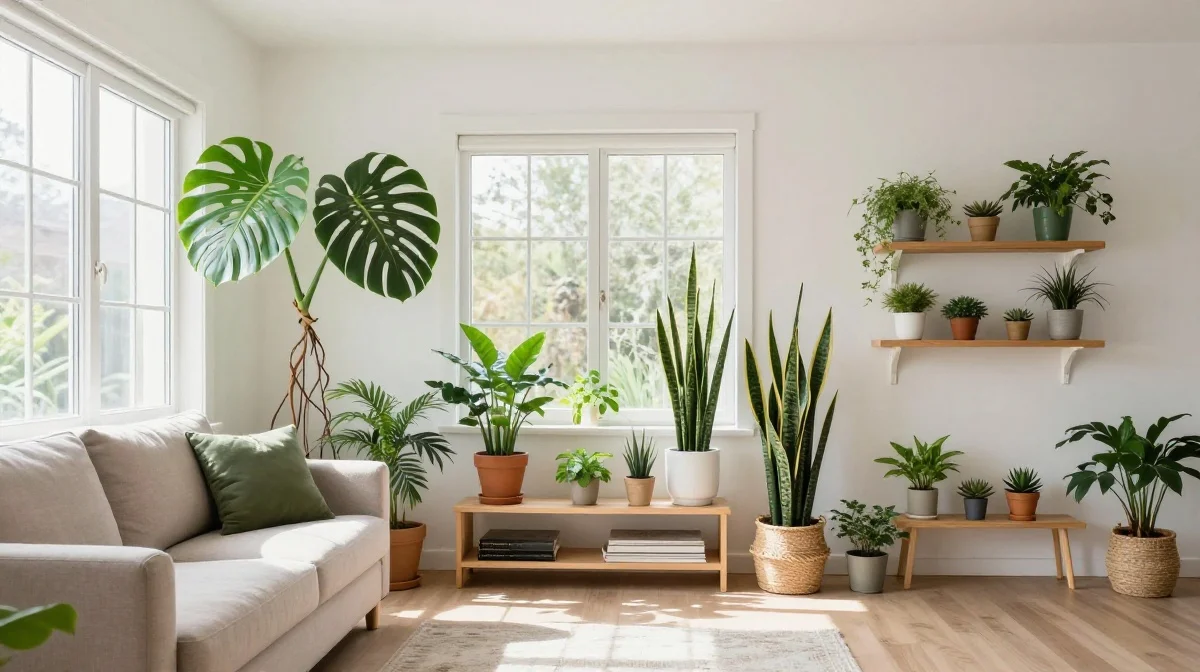
Adding greenery to your home is one of the simplest yet most effective ways to create a high-end, refreshing atmosphere. Plants instantly introduce natural texture and movement which makes even minimal interiors feel alive and carefully designed instead of flat or empty. In many modern homes designers rely on greenery to soften sharp edges and balance artificial materials like metal and glass creating a more harmonious visual flow throughout the space. Even a few well-placed plants can dramatically improve the overall aesthetic making rooms feel fresher calmer and more inviting.
Green accents also help create a psychological connection to nature, which makes interiors feel more relaxing and balanced. I have noticed that even small potted plants on shelves or side tables can completely shift the mood of a room without requiring any major design changes. This is why many designers use greenery as a finishing touch in luxury interiors because it adds softness warmth and a sense of life that artificial decor cannot fully replicate. Placed near natural light, plants also enhance brightness and create subtle shadows that enrich the visual depth of a space
Textured Walls
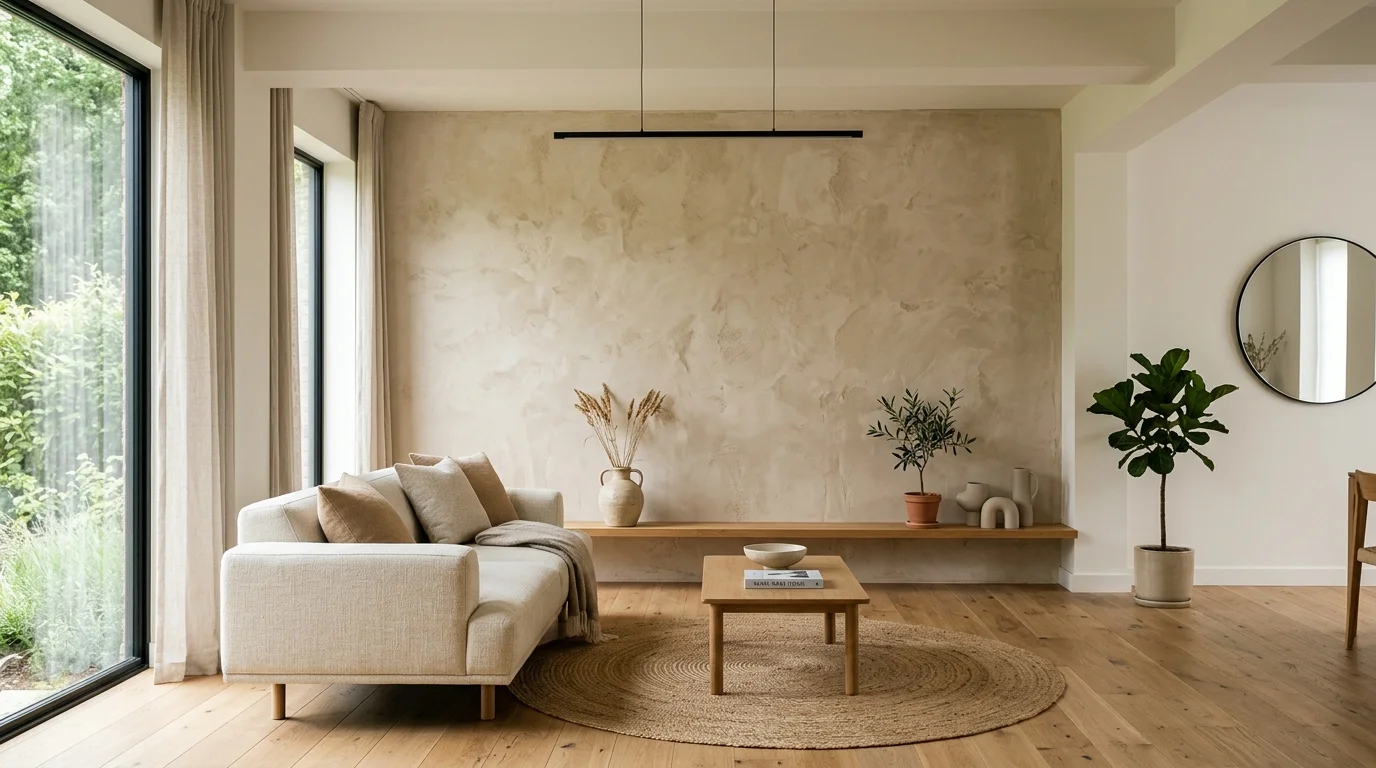
Textured walls are a powerful way to add depth and sophistication to any space without relying on expensive decor pieces. When light hits textured surfaces it creates natural shadows that immediately make the room feel more dynamic and visually rich which is why designers often prefer plaster finishes or subtle wall treatments. These textures break the monotony of flat painted walls adding character and elegance without overwhelming the overall design making the space feel curated and intentional rather than plain.
One of the most overlooked interior upgrades is adding subtle wall texture that enhances both light and shadow play. I have seen this technique transform plain walls into statement surfaces without requiring major renovation work which makes it ideal for budget-friendly home improvements. The key is to keep textures soft and consistent so they complement rather than dominate the space creating a refined balanced and high-end feel throughout the room. This approach works especially well in living rooms, bedrooms, and entryways where first impressions matter most creating lasting visual impact
Hidden Storage
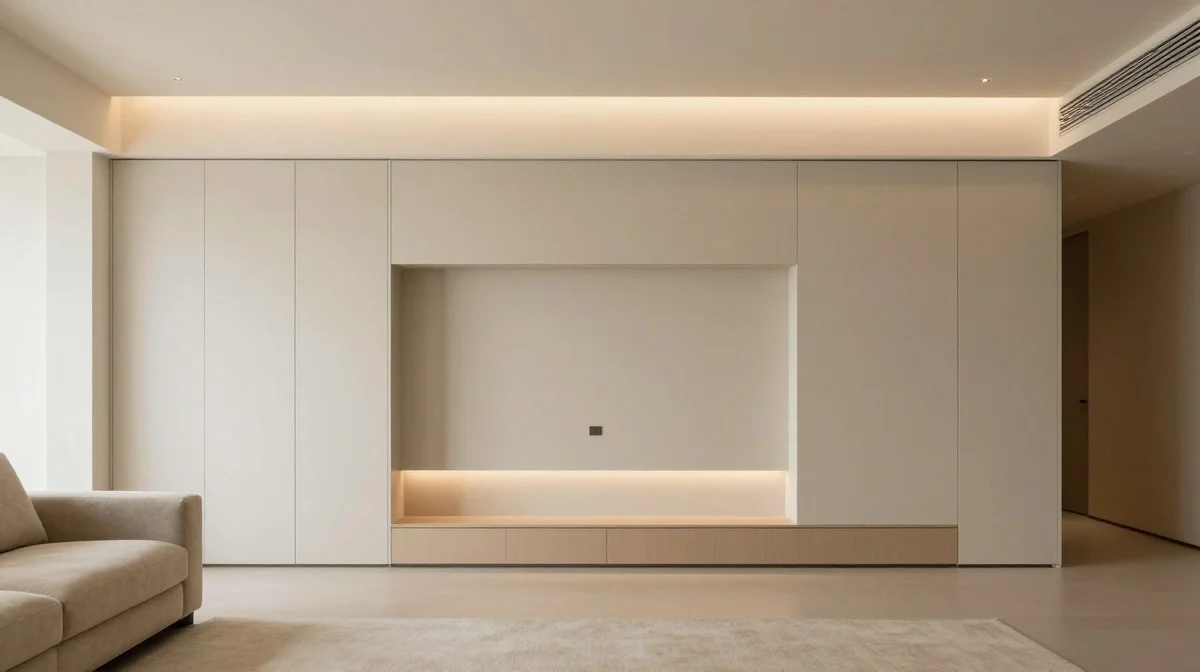
Hidden storage solutions instantly elevate a home by removing visual clutter and creating a seamless, high-end look that feels intentionally designed. When storage is built into walls or furniture, the entire room appears more spacious and polished because nothing feels out of place or randomly arranged. I’ve noticed that even small apartments benefit greatly from concealed cabinets, under-sofa storage, or floating shelves that hide everyday essentials while maintaining a clean visual flow throughout the space. This approach creates a calm, premium atmosphere instantly and enhances perceived value significantly in any interior design style.
In modern interior design, hidden storage has become a key strategy for achieving expensive-looking spaces without increasing visual complexity. Designers often integrate storage into walls, stairs, and furniture so that functionality blends seamlessly with aesthetics, especially in compact homes. I’ve seen this technique transform cluttered rooms into calm, organized environments where every item has a designated place and nothing disrupts the visual harmony. It also improves daily usability because everything becomes easier to find and maintain, reducing stress and saving time in everyday routines, making the home feel effortlessly premium.
Layered Rugs
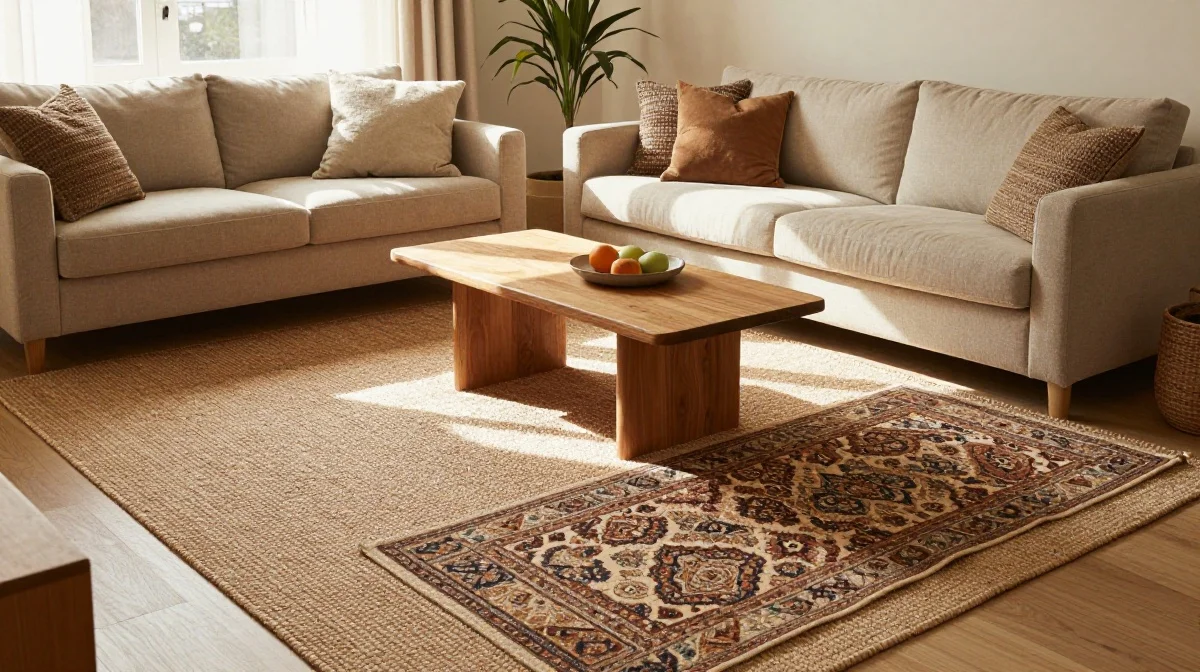
Layered rugs instantly bring warmth and depth to a room, creating a cozy designer look that feels both intentional and stylish. By combining different textures such as jute, wool, or cotton, you can visually separate spaces and add a luxurious, curated feel without spending much. I’ve noticed that layering rugs works especially well in living rooms and bedrooms because it anchors furniture and makes the layout feel more grounded and balanced. This simple trick is widely used in interior styling because it adds luxury without renovation. It instantly elevates flooring aesthetics.
In luxury-inspired interiors, layered rugs are often used to create visual zones within open layouts while maintaining a soft, cohesive flow. This technique allows homeowners to experiment with patterns and colors without overwhelming the space, especially when using neutral base rugs. I’ve seen designers use this method to subtly highlight seating areas and walking paths while keeping the overall aesthetic calm and elegant. It is a budget-friendly styling hack that delivers a high-end visual impact instantly in any room layout, making spaces feel curated and layered with minimal effort naturally.
Metal Accents
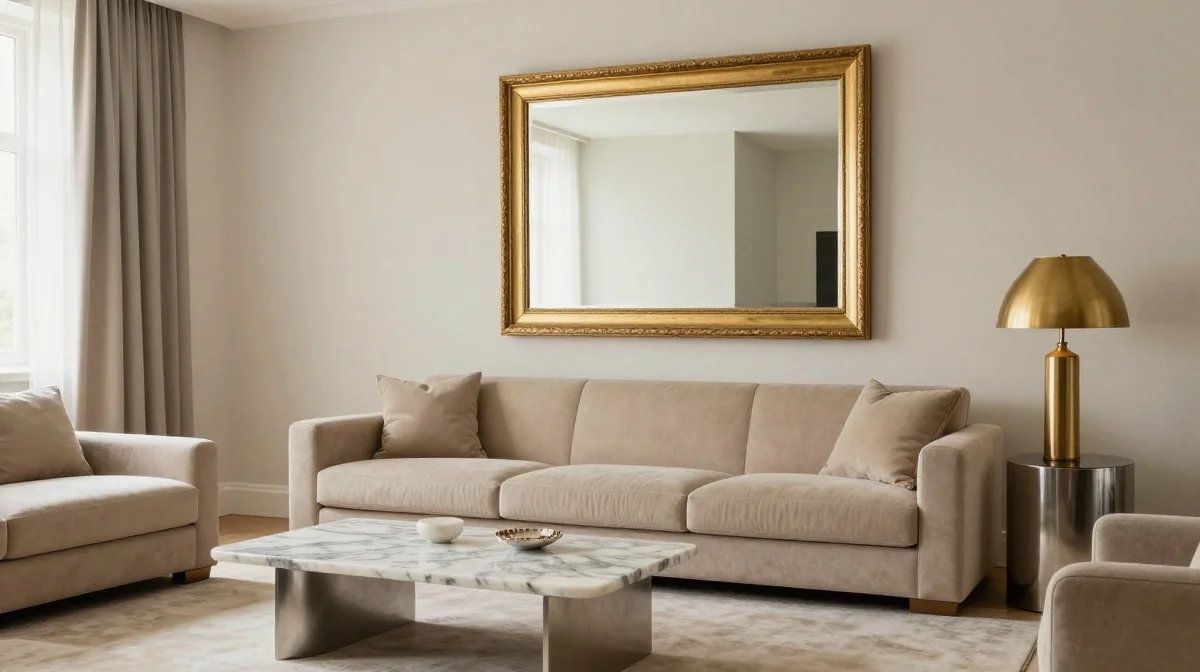
Metal accents are a subtle yet powerful way to make any home feel more expensive and refined. When used thoughtfully in lighting fixtures, mirrors, or furniture details, metals like gold, brass, and stainless steel create a balanced sense of luxury. I’ve noticed that even small metallic touches can completely change how light interacts within a space, making it feel more polished and intentional. This is why many designers use metal accents as finishing details in high-end interiors. It enhances depth and sophistication effortlessly especially in neutral-toned rooms creating a luxurious finish.
In modern home styling, metal accents are often used to create contrast and highlight key design features without overwhelming the space. They work especially well when paired with soft textures like fabric sofas, rugs, and curtains, creating a balanced visual rhythm. I’ve seen this combination used in many contemporary interiors because it feels both modern and timeless at the same time. It subtly elevates everyday objects and turns simple decor into statement pieces that catch light beautifully, making the space feel curated and high-end with minimal investment instantly even in small spaces.
Candle Corners
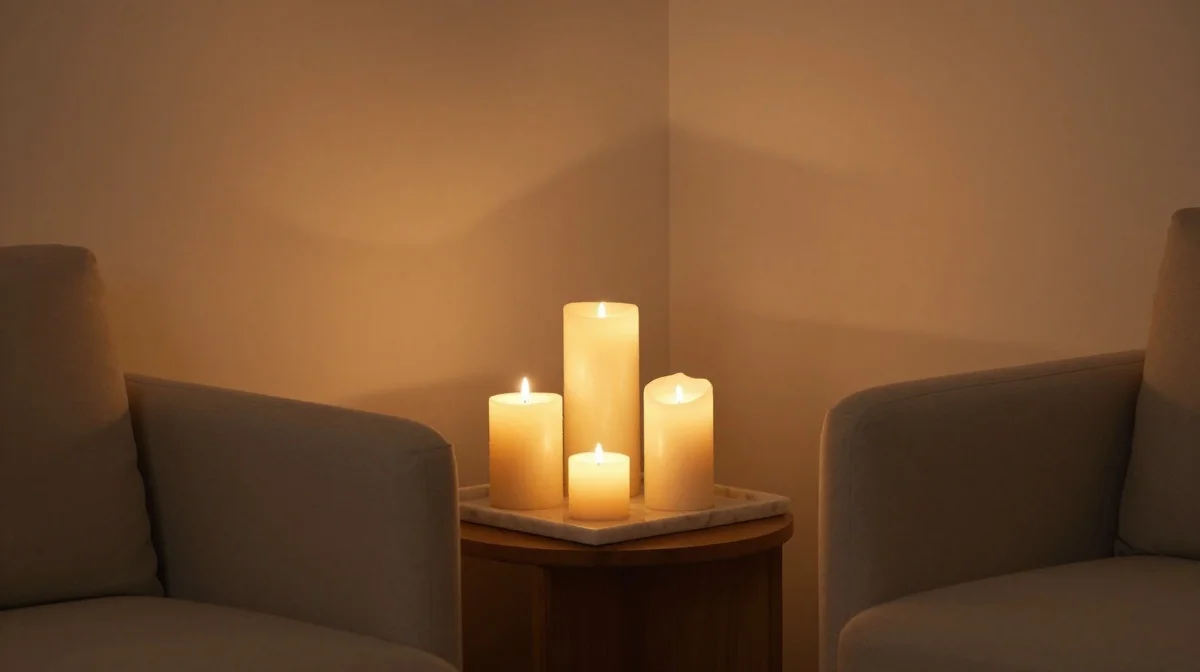
Soft candle arrangements can completely transform the mood of any room by introducing warmth, softness, and subtle movement through flickering light. When grouped in clusters on trays, shelves, or coffee tables, candles create a layered glow that feels luxurious and calming at the same time. This styling trick is often used in high-end interiors to create relaxation zones that feel intimate and welcoming. The gentle light reduces visual harshness, making furniture and textures appear more refined and cohesive throughout the space, especially during evening hours when natural light fades gradually into darkness.
Candle decor also adds a sensory layer that goes beyond visuals, influencing how a space feels emotionally and physically. The soft glow helps reduce stress and encourages relaxation, making living rooms and bedrooms feel more like personal retreats. I’ve noticed that even simple unscented candles can elevate a space when placed thoughtfully at different heights. Using candle holders in glass, ceramic, or metal further enhances the aesthetic by reflecting light in subtle ways. This creates depth and dimension without clutter, helping the home feel elegant, peaceful, and intentionally styled with minimal effort required overall.
Minimal Shelves
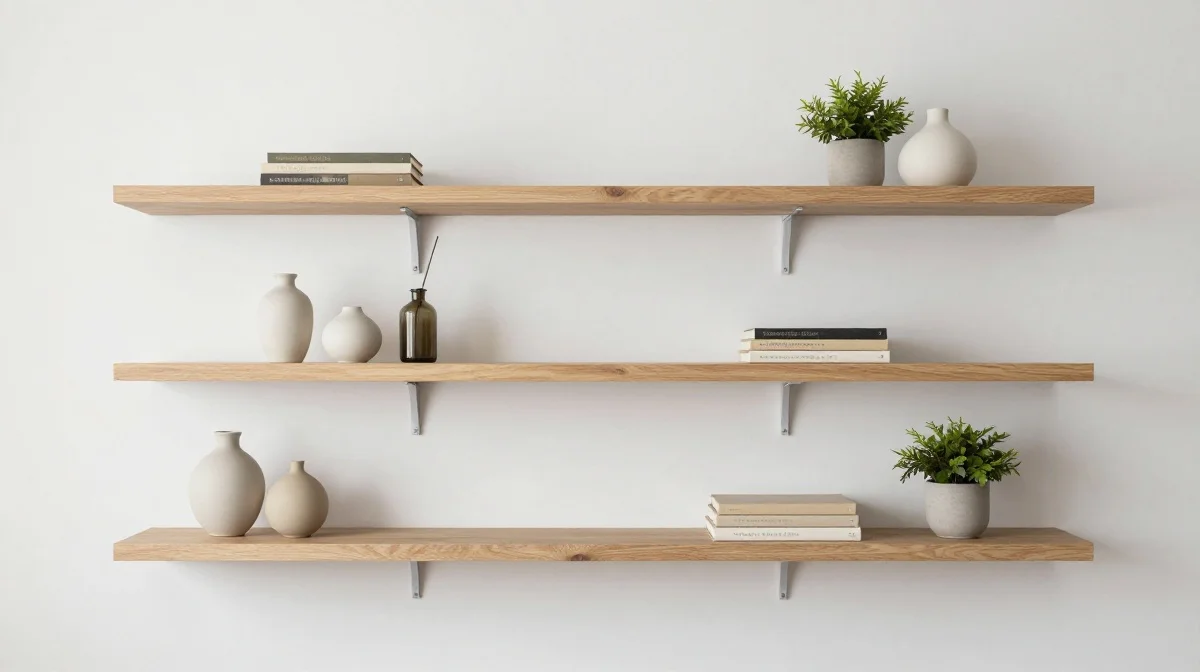
Floating shelves styled minimally can completely redefine how organized and expensive a room feels, especially when each item is intentionally placed rather than randomly displayed. When shelves are kept visually light with a few curated objects such as books, vases, and small sculptures, they create a sense of balance and sophistication. This approach prevents visual clutter and allows negative space to become part of the design. Interior designers often use this technique to maintain elegance while still offering functionality, making walls both decorative and practical in a seamless and visually calming way.
Minimal shelving also improves everyday usability because it forces intentional organization, making it easier to keep spaces tidy without constant effort. I’ve seen this method work especially well in small homes where storage must remain both functional and visually appealing. By limiting the number of displayed items, each object gains importance and contributes to the overall design story of the room. This creates a curated aesthetic that feels expensive and thoughtful, while still allowing personality to shine through carefully selected decor pieces placed with purpose and balance throughout the environment.
Statement Curtains
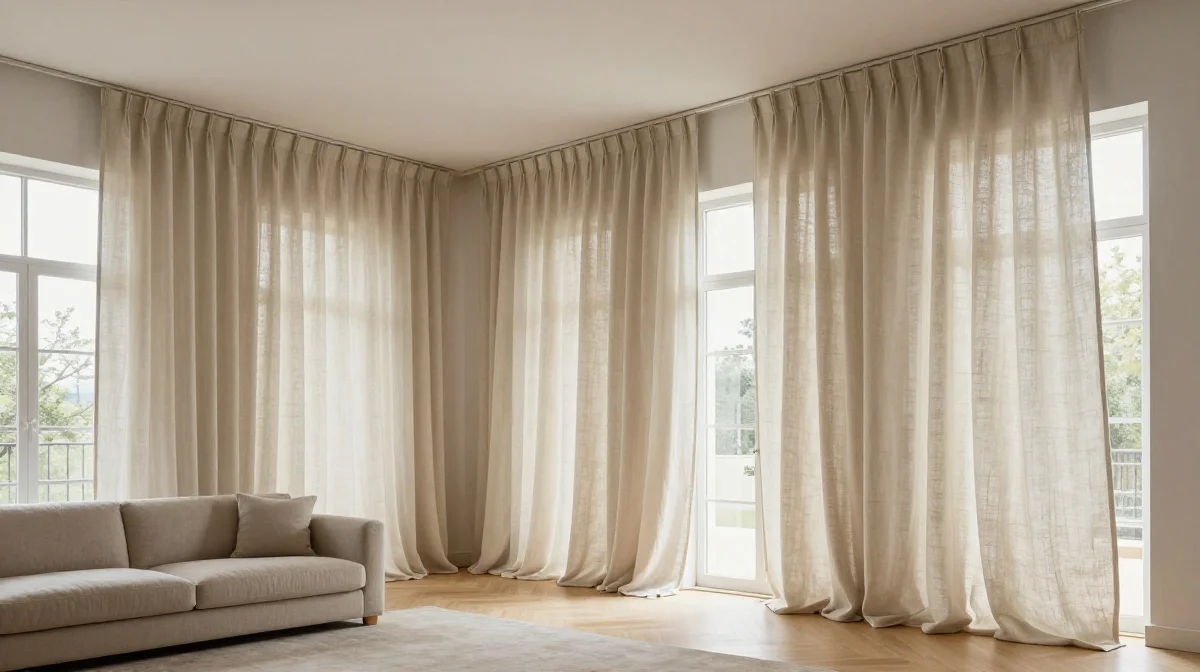
Statement curtains can instantly change the perception of a room by adding height, drama, and softness in one simple design move. When hung closer to the ceiling and allowed to fall in full length, they make windows appear larger and ceilings higher than they actually are. Choosing rich fabrics like linen, velvet, or textured cotton enhances the feeling of luxury while also improving light control and privacy. This styling technique is widely used in upscale interiors because it frames the space beautifully and creates a polished, finished look overall aesthetic appeal.
Using statement curtains also allows homeowners to experiment with color and texture in a bold yet controlled way that elevates the entire interior design scheme. I’ve noticed that even neutral rooms can feel dramatically different when curtains become the focal point of the space. The movement of fabric adds softness and elegance, especially when natural light filters through gently during the day. This simple upgrade creates a sense of height, luxury, and visual drama that transforms ordinary rooms into well-styled interiors effortlessly and effectively with a truly high end finish feel.
Floating Console
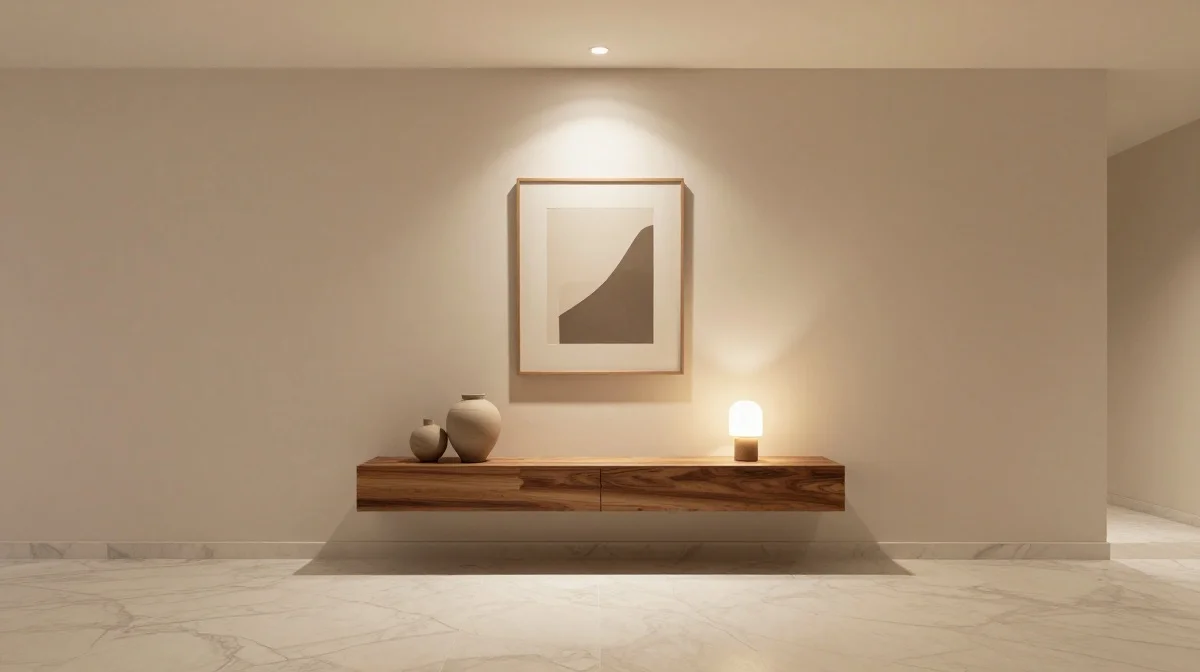
Floating consoles instantly create a sense of modern luxury because they remove visual weight from the floor and make the entire space feel lighter and more open. When mounted on the wall, they create a clean architectural line that feels intentional and high-end. This design trick is often used in luxury apartments and designer homes to maximize space while maintaining elegance. Even small entryways feel more spacious because the open floor beneath the console allows light to flow freely, improving the overall visual balance of the room naturally and effortlessly.
This styling approach also improves functionality by offering a dedicated surface for everyday essentials without making the space feel crowded. I’ve noticed that when consoles are styled minimally with just a few curated items, the entire entryway feels more organized and welcoming. Adding subtle decor like a lamp, vase, or artwork enhances the aesthetic without overwhelming the design. This balance between function and simplicity is what makes floating consoles feel expensive, giving even compact spaces a refined, architectural finish that looks professionally designed and visually harmonious throughout the area.
Soft Textures
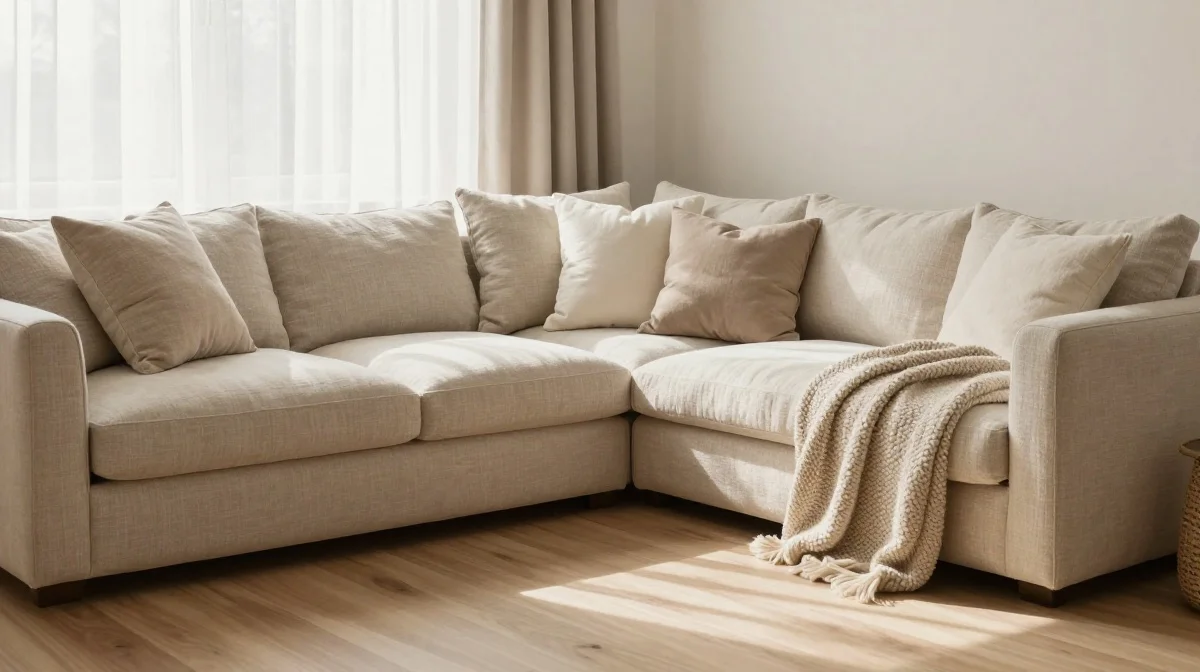
Soft textures are one of the most powerful ways to make a home feel warm, inviting, and visually expensive without changing any structural elements. When different fabrics like linen, wool, boucle, and cotton are layered together, they create depth that immediately elevates even the simplest furniture. This combination adds richness to the space because the eye naturally responds to tactile variation. Interior designers often rely on texture rather than color alone to build luxury-inspired environments that feel balanced, calm, and thoughtfully composed throughout the entire room.
I’ve noticed that even a neutral sofa can become a statement piece when paired with carefully selected cushions and throws in varying textures. This layering technique helps soften hard edges and creates a more lived-in, comfortable atmosphere. It also allows homeowners to refresh their space easily by swapping fabrics seasonally without major investment. The result is a home that feels curated and intentional, where every surface contributes to a sense of warmth, depth, and understated elegance that enhances daily living naturally and beautifully without overwhelming the overall design.
Ceiling Glow
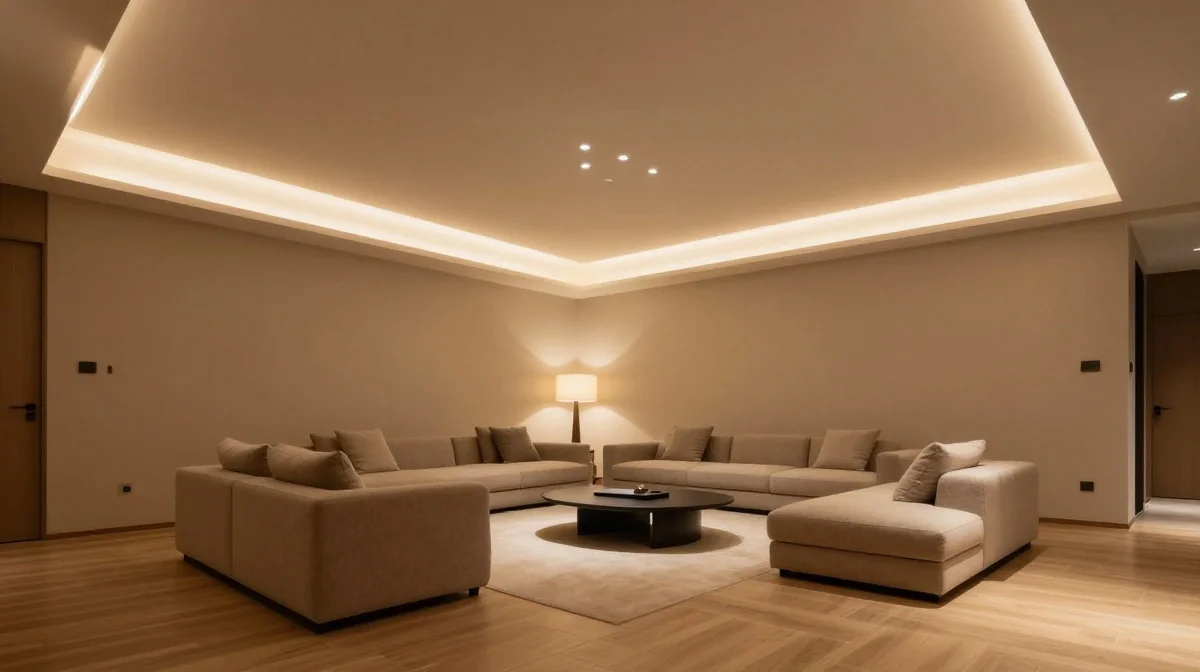
Ceiling glow lighting is a sophisticated design technique that instantly transforms any room into a high-end, hotel-inspired space. By using hidden LED strips or cove lighting, the light bounces softly off the ceiling, creating a diffused glow that eliminates harsh shadows and enhances architectural depth. This indirect lighting approach makes ceilings appear higher and rooms feel more spacious. It is widely used in luxury interiors because it creates a calming atmosphere that feels both modern and elegant without relying on visible fixtures or overly bright lighting sources.
In my experience, ceiling glow lighting works best when combined with warm tones that enhance comfort and relaxation in the evening. It subtly highlights wall textures and furniture without drawing attention to the light source itself. This creates a seamless visual flow that feels intentional and professionally designed. I’ve seen this technique completely change the mood of living rooms and bedrooms, making them feel like premium spaces where everything is softly illuminated. It is a simple upgrade that delivers a dramatic transformation in ambiance and perceived home value.
Conclusion
Creating a luxurious home does not always require expensive furniture or professional designers. Most of the transformation comes from thoughtful styling choices that improve light, balance, and visual flow. From soft textures and layered lighting to mirrors, greenery, and clean layouts, each idea works together to elevate your space into something that feels refined and welcoming.
When you apply how to make your home look expensive using simple diy tricks, you start noticing how small details make a big difference in the overall atmosphere. I’ve seen how simple changes like these can completely transform a space without overwhelming effort or cost. Save these ideas, try them step by step, and share them with others who love home styling. Your space can feel high-end, calm, and beautifully designed with just a few intentional touches.